The Most Biodiverse Rivers In The United States
Lower a mask into the clear shallows of the Duck River in Middle Tennessee and you can count more kinds of fish in a single afternoon than live in all the rivers of Europe combined. The water looks ordinary from the bank, yet the gravel beds below hold one of the densest gatherings of freshwater life anywhere on the planet. A short list of American rivers carries this kind of abundance, most of them in the warm, ancient drainages of the Southeast, where mussels, snails, fish, turtles, and crawfish have been diversifying for tens of millions of years. These same rivers are where people and wildlife share the water most often, which makes a little knowledge about what lives below the surface worth carrying along. What follows are the rivers that set the standard for freshwater biodiversity in the United States, and the animals you are most likely to meet on them.
The Duck River, Tennessee

No river in the country packs more native freshwater animals into its length than the Duck. Running about 270 miles across Middle Tennessee, it shelters roughly 151 fish species, more than 50 kinds of freshwater mussel, and about 22 species of aquatic snail, a tally that places it among the top handful of rivers on Earth for this measure. Many of those mussels live nowhere else. They sit half buried in the riverbed and filter the current, with a single adult straining up to 15 gallons of water a day, which is one reason the Duck also supplies drinking water to roughly a quarter of a million residents. The Duck feeds the wider Tennessee River system, one of the most biologically diverse watersheds in North America and home to more than 230 fish species on its own. The animals a visitor actually sees here are usually gentle company, wading herons, basking map turtles, and snorkelers drifting over the shoals to watch darters flash color. The main courtesy the river asks is a light touch, since its mussel beds are easily crushed and many of the species resting in them are protected by federal law.
The Clinch and Powell Rivers, Virginia and Tennessee

If the Duck wins on sheer numbers, the Clinch wins on rarity. Rising near Tazewell and running through the remote corner where southwestern Virginia meets northeastern Tennessee, the Clinch and its sister stream the Powell hold what many biologists consider the most important freshwater mussel waters left in the country. Surveys count about 46 mussel species and more than 100 native fish in the Clinch, and a striking share of them are in trouble, with roughly 29 mussels and 19 fish listed as threatened or endangered. Several, like the green blossom pearlymussel, have already slipped into extinction. Mussels here depend on fish in a quiet piece of natural theater, releasing larvae that must hitch a ride on the gills of a passing host before dropping to the riverbed to grow. Lose the host fish and the mussels vanish with them, which is why this plain-looking reach of water draws hatchery biologists from across the region.
The Mobile-Tensaw Delta, Alabama

The richest river system of all drains most of Alabama and reaches up into the southern Appalachians of Georgia, where the Coosa and Tallapoosa begin their run south. Where the Alabama and Tombigbee rivers join and spill into Mobile Bay, they form the Mobile-Tensaw Delta, a 250,000 acre maze of swamp, bayou, and bottomland forest that the late Harvard biologist E. O. Wilson called "America's Amazon." Naturalist Ben Raines used the phrase as the title of his book, "Saving America's Amazon", and the scale of the region's wildlife and wetlands helps explain why. Alabama holds more freshwater fish, mussels, and snails than any other state, with around 350 fish species and around 178 kinds of mussel statewide. The delta alone carries 18 turtle species, more than any river delta on Earth, outranking both the Amazon and the Mekong. Alabama's Cahaba, counted among the state's longest rivers, adds its own roster of more than 130 fish, many of them found nowhere else.
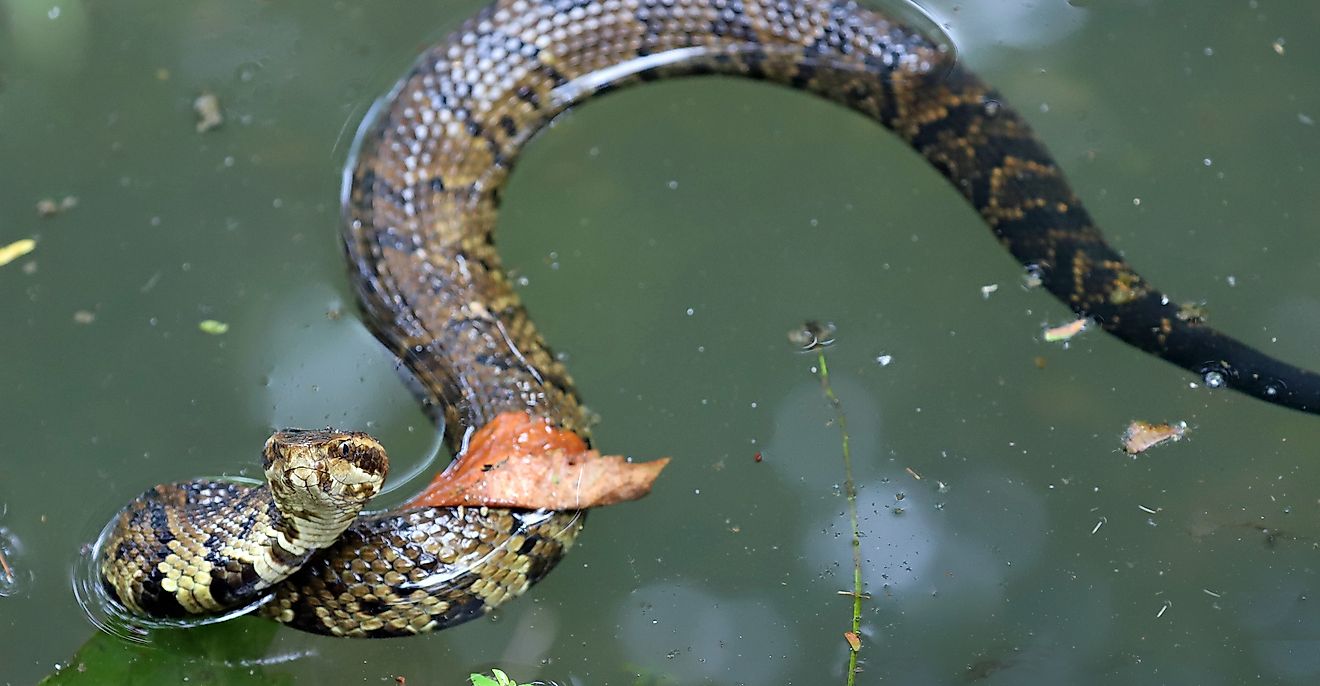
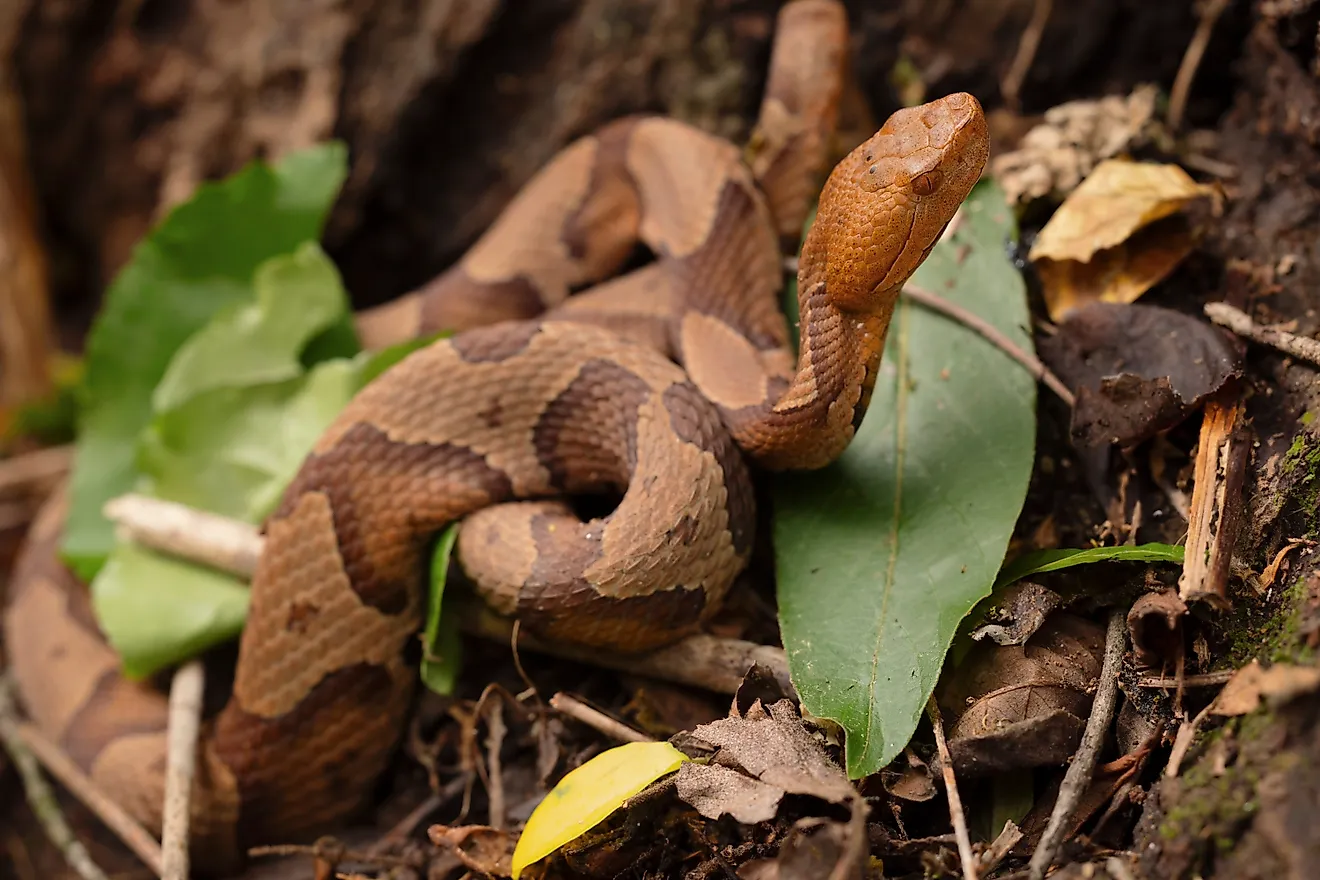
This abundance comes with teeth. The warm delta and its feeder rivers are prime American alligator habitat, and several Alabama rivers where alligators gather see them year round, along with snake-heavy stretches patrolled by the cottonmouth, the only venomous water snake in the region. Even the turtles can surprise you, since the alligator snapping turtle that waits on the bottom here is the largest freshwater turtle in the country and bites with real force. None of these animals hunts people, but all of them reward a careful, unhurried distance.
The St. Johns River, Florida

Florida's longest river runs against the grain, flowing north for about 310 miles and dropping only 27 feet over its entire course, a grade so slight that Atlantic tides shove saltwater far inland. That slow, part-salt character gives the Florida waterway an unusual mix of residents. More than 170 fish species live in the St. Johns, including largemouth bass, catfish, and saltwater tarpon, and in winter manatees crowd into its warm spring runs, with Blue Spring sheltering hundreds at a time. The river also holds an estimated 10,000 alligators. It has gators but not the rarer American crocodile, which in this country keeps to the salt-tinged mangroves at the state's southern tip.
Attacks on people are rare and almost always avoidable. Florida is home to about 1.3 million alligators and records an average of roughly eight unprovoked bites a year, out of some 500 since record keeping began in 1948, around 30 of them fatal. A 2025 study in the journal Human-Wildlife Interactions, led by researchers at the University of Florida and Centre College, reviewed nearly three centuries of recorded encounters and found that risky human behavior preceded 96 percent of them. The worst outcomes followed high-risk acts like deliberately entering water known to hold alligators, while simply standing near the bank rarely led to a bite. Staying safe around alligators comes down to a few basic precautions. Swim only in designated areas, keep dogs and small children away from the water's edge, and never feed an alligator. Give nesting females plenty of space during the spring breeding season, and take extra care near the water at dawn and dusk, when alligators are often active. Paying attention to your surroundings and respecting the animals' space can prevent most unnecessary encounters.
The Mississippi River

The Mississippi is the largest river system in the United States, draining water from nearly 40 percent of the country's land area before emptying into the Gulf of Mexico. Its channel and backwaters hold paddlefish that strain plankton through paddle-shaped snouts, alligator gar that can top seven feet, and some of the heaviest catfish landed anywhere in the nation. Down in the delta across Louisiana and the coastal reach of the state of Mississippi, the fresh water fades into brackish marsh where bigger visitors appear, including bull sharks that nose in from the Gulf and, now and then, questions about whether crocodiles slip into the delta.
The river's strangest wildlife story swims upstream. Bull sharks tolerate fresh water better than almost any other large shark, and they have turned up startling distances inland. In 1937, two fishermen landed an 84-pound bull shark near Alton, Illinois, more than a thousand river miles from the sea. A second reported catch near Rush Island, Missouri, decades later has since been questioned as a probable hoax. Researchers Ryan Shell, Nicholas Gardner, and Robert Hrabik, writing in Marine and Fishery Sciences, treat such far-upstream travel as a rare anomaly rather than a pattern. For swimmers the reassurance is real, because there has never been a documented shark attack in the Mississippi. The river earns respect for its currents and barge traffic far more than for its teeth.
Sharing The Water
The rivers that top the country for biodiversity are not scattered at random. They cluster in the warm, geologically steady Southeast, drainages the glaciers never scraped bare, where fish and mussels have had tens of millions of years to split into forms seen nowhere else. That same long stability makes them fragile, since a species that evolved in one river system usually has nowhere else to go. For the people who paddle, fish, and swim these waters, the two facts sit together comfortably. The animals that make these rivers extraordinary, the mussels filtering the current and the alligators holding the bank, ask for the same thing, enough room to go about their lives. Give them that, and an afternoon on the richest rivers in the country stays a pleasure rather than a cautionary tale.