The Most Rattlesnake-Dense States In The United States
In the first three months of 2026, the California arm of the national poison-control network fielded 77 emergency calls for the same reason, a rattlesnake had struck a person, well ahead of the roughly 200 it logs across a normal year. That early surge points to a basic fact about living and hiking in the United States. Venomous snakes are spread very unevenly, and rattlesnakes most of all. Each year the country records between 7,000 and 8,000 venomous snakebites and about five deaths, and rattlesnakes account for the large majority of the dangerous ones. A handful of states account for most of the country's rattlesnakes, with populations heavily concentrated in a relatively small part of the country.
Arizona Stands Alone

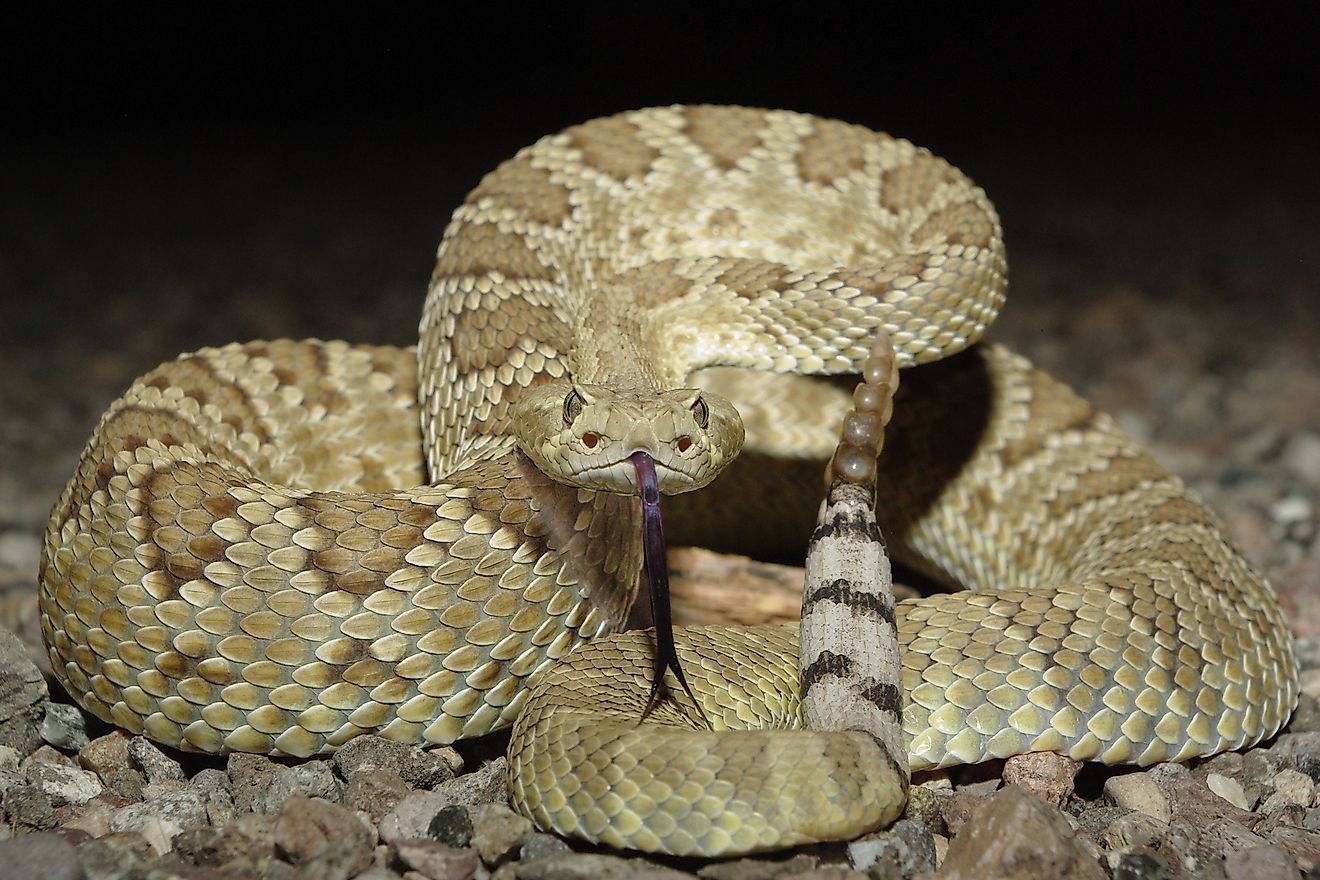
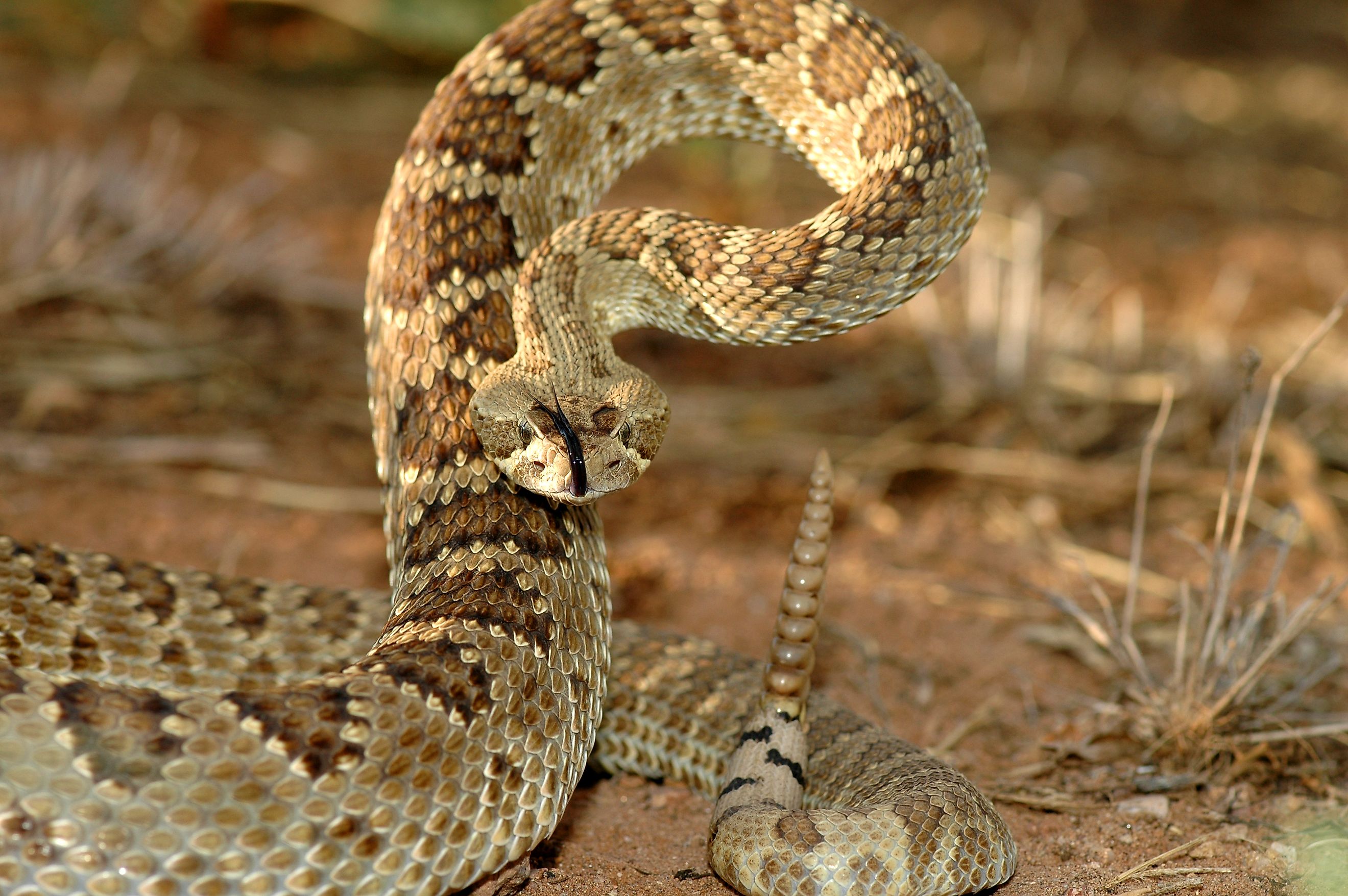
No state comes close to Arizona. State wildlife officials count 13 species of rattlesnake within its borders, more than any other state and better than a third of the roughly 36 rattlesnake species on Earth. The Sonoran Desert is the engine behind that number, a warm, rocky, prey-rich landscape that lets closely related snakes carve out separate niches by elevation, habitat, and hunting style. The western diamondback is the one most people meet, but the Mojave rattlesnake, with venom potent enough to attack the nervous system, and the desert-dwelling sidewinder both share the same ground. Encounters climb sharply through the spring and summer, and April reliably brings the most reported bites, as snakes leave their winter dens just when daytime hikers return to the trails. The documented cases track that calendar closely. A 78-year-old hiker was bitten near Cave Creek, north of Phoenix, in February 2024, and in April 2025 a woman had to be airlifted off the Peralta Trail in the Superstition Mountains after a strike.
Texas, Where The Diamondbacks Run Deep

Texas leads in a different category. It holds more snake species overall than any other state, close to 70 natives, and nearly a dozen of them are rattlesnakes. The western diamondback rules here, the largest and most frequently encountered rattlesnake in the state and the one behind the most bites. Its range blankets the dry center and west of Texas, where open brush country and rock outcrops offer rodents to hunt and cover to vanish into. The Big Bend region and the Trans-Pecos hold the richest mix, with blacktail, mottled rock, and prairie rattlesnakes sharing the canyons. For a traveler, the practical point is that Texas offers both the greatest variety of snakes and some of the busiest snake country anywhere north of the border with Mexico.
California's Crowded Collision

California earns its place through the sheer overlap of people and snakes. The state carries roughly nine species of rattlesnake by the current state tally, though the exact count shifts as taxonomists split and merge them, and it also holds close to forty million residents who crowd the same foothills and chaparral the snakes prefer. The pattern is also reflected in hospital records. The poison-control system handles on the order of 200 rattlesnake cases in a normal year, and 2026 ran far hotter, with three deaths statewide by late spring. Two of the victims were experienced athletes. Julian Hernandez, 25, died after a bite at the Quail Hill trailhead in Irvine in February, and Gabriela Bautista, 46, died in March after being struck at Wildwood Regional Park near Thousand Oaks. Both were doing exactly what draws people to California's open spaces in the first place.
New Mexico And The Desert Interior

New Mexico sits squarely in the heart of rattlesnake country, with around seven species spread across its deserts, grasslands, and mountain foothills. The western diamondback and the prairie rattlesnake cover most of the state, while the rock rattlesnake haunts the limestone of the southern ranges and the ridgenose, a small and secretive species, clings to the sky-island mountains near the border. The state shares its southern edge and much of its wildlife with Mexico, which is the global center of rattlesnake diversity, so the richness here is really the northern reach of a far larger pattern pressing up out of the tropics.
Florida And The Eastern Giant

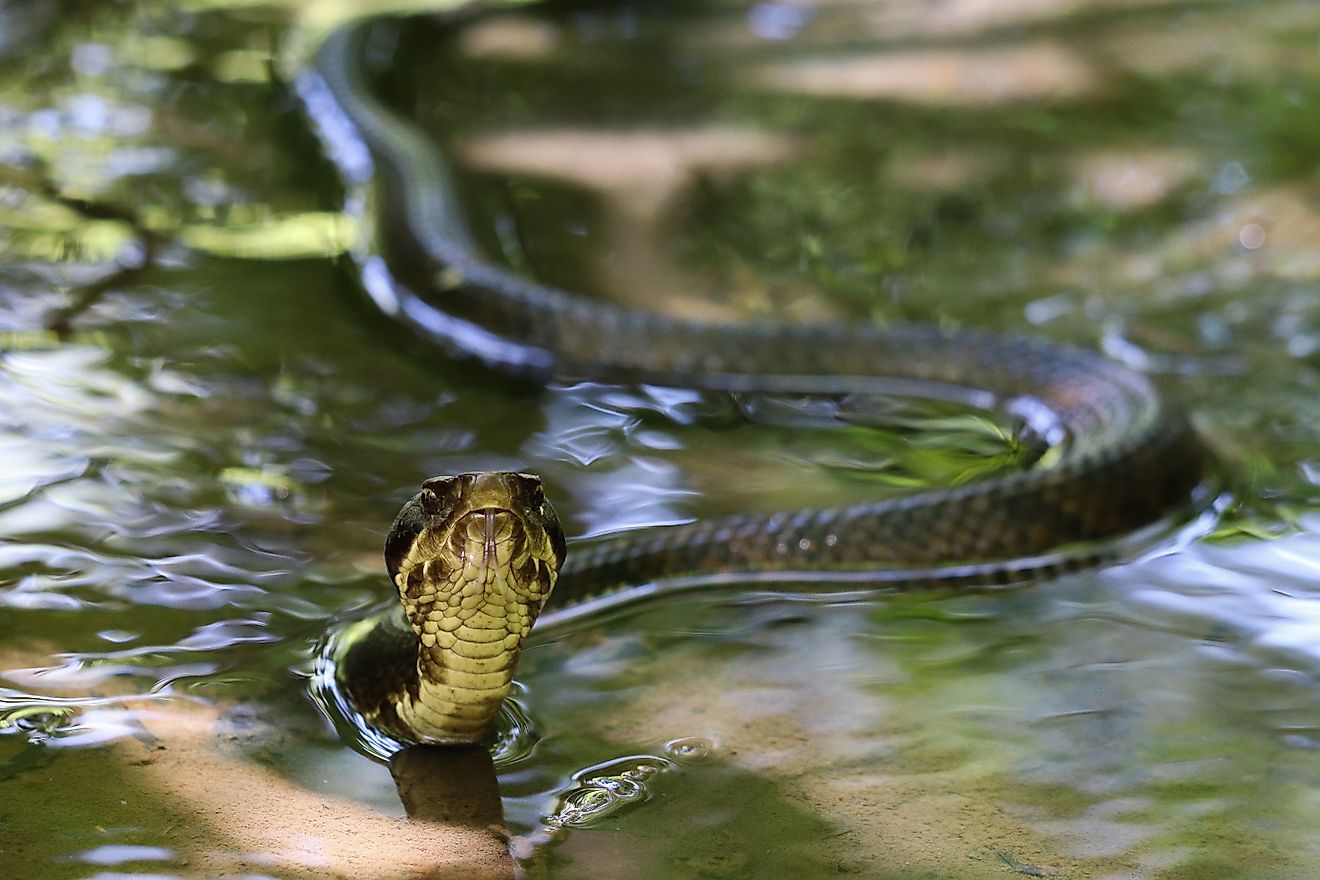
High rattlesnake numbers are not limited to the western part of the range. Florida and the wider Southeast hold their own rattlesnakes, headlined by the eastern diamondback rattlesnake, the largest venomous snake in the country and one of the heaviest on the planet. A big one can exceed six feet and strike from a surprising distance. Its range runs up the coastal plain into Georgia and the sandy pinelands of North Carolina, and it ranks among the longest snakes anywhere in the country. Florida adds the pygmy rattlesnake and the canebrake form of the timber rattlesnake, and across much of the lowland South those rattlers share wet ground with the cottonmouth, the region's only venomous water snake.
The Rest Of The Rattlesnake Belt

Beyond the states with the greatest diversity, rattlesnakes remain widespread across the interior West, where fewer species occur but local populations can still be substantial. Colorado is prairie-rattlesnake country along the Front Range, where a hiker died after a bite near Golden in 2017, a reminder that even a single resident species can turn deadly. Utah and Nevada share the Great Basin rattlesnake across their sagebrush country, and rattlers in this region climb to startling elevations in summer. At the far other end of the scale, four states keep no native rattlesnakes at all. Alaska has no snakes of any kind, and Hawaii, Maine, and Rhode Island round out the rattlesnake-free list.
Staying Safe In Rattlesnake Country

The reassuring truth is that rattlesnakes want nothing to do with people, and almost every serious bite traces back to someone handling, cornering, or trying to kill the animal. In August 2025 a hiker died in Tennessee's Savage Gulf after reportedly picking up a rattlesnake, a stark illustration of the pattern. The single best habit is to watch where you put your hands and feet, and to never reach into brush, woodpiles, or rock crevices you cannot see into. Wear closed boots and long pants on the trail, stay on the path, and carry a light after dark in warm weather, when desert rattlers turn active at night. Keep dogs leashed, since curious noses account for a heavy share of veterinary bites. If a snake buzzes, stop, find it, and back away slowly. Give it room and it will almost always leave on its own.
If a bite occurs, getting medical attention quickly is far more important than attempting any treatment in the field. Call 911 and get to a hospital that stocks antivenom. Keep the person calm and still, slip off rings and watches before swelling starts, and note the time the bite occurred. Avoid cutting the wound, attempting to suck out venom, applying a tourniquet or using ice. Traditional remedies offer no benefit and can make the injury worse. The national Poison Help line at 1-800-222-1222 reaches toxicology experts around the clock. Modern care is very effective, which is the real reason deaths stay rare even as bites climb each spring.
Why The Southwest Keeps The Crown
The uneven distribution of rattlesnake species across the United States comes down to climate, habitat and evolutionary history. Rattlesnakes originated in the Americas and diversified extensively in Mexico, giving the southwestern states access to a greater variety of species than regions farther north and east. The deserts and dry mountain ranges of this region provide the rocky shelter, warm conditions and prey that allow several species to occupy the same broad landscape. Arizona and its neighboring states consequently support the greatest diversity, while cooler, wetter parts of the country have far fewer species or none at all. For people who hike, cycle or work outdoors in rattlesnake country, understanding where these snakes live and recognizing their warning rattle are more useful than treating every encounter as a threat. Keeping a safe distance allows people to enjoy these habitats without disturbing the wildlife that lives there.