Why Texas Has The Most Venomous Snakes In America
Texas has more types of snakes than any other state, and a higher number of dangerous ones than almost anywhere else people go hiking, fishing, or gardening. State wildlife biologists say there are about 105 species and subspecies here, with 15 that are venomous enough to be a real concern. Texas is the only state where all four venomous snake groups found in the U.S. live together. This isn't just because Texas is wild, but because it's so big and sits at a crossroads where eastern forests, western deserts, Gulf wetlands, and subtropical brush all meet within its borders.
A State Built Like a Continent

Texas covers about 268,000 square miles, making it the largest state in the lower 48. That size means there's a huge variety of habitats. But it's not just about size. Texas is where the humid Gulf air meets the dry Chihuahuan Desert, and where eastern forests blend into the Great Plains. Biologists split the state into around ten ecoregions, including the Piney Woods' pine forests, the Gulf's coastal prairies and marshes, the Hill Country's limestone springs and canyons, the Panhandle's High Plains, and the Trans-Pecos desert mountains. The southern tip reaches far enough into the tropics that some species from Mexico only cross into the U.S. here. Each region has its own reptiles, and the number of venomous ones adds up fast. Texas is home to approximately 160 reptile species, the highest total of any U.S. state.
The Only State With All Four

There are four types of venomous snakes in the country: rattlesnakes, copperheads, cottonmouths, and coral snakes. Texas is the only state where all four live together, which makes its wildlife unique. Arizona has a greater number of venomous reptile species, with roughly 19 recorded, largely because its deserts support a wide variety of rattlesnakes. However, copperheads and cottonmouths prefer the wetter areas found in Texas. So, the answer depends on how you count. If you look at total snake diversity and the presence of all venomous families in one place, Texas comes out on top. But if you count just the number of species, Arizona and Texas can trade places depending on what you measure.
The Rattlesnakes Run the Numbers

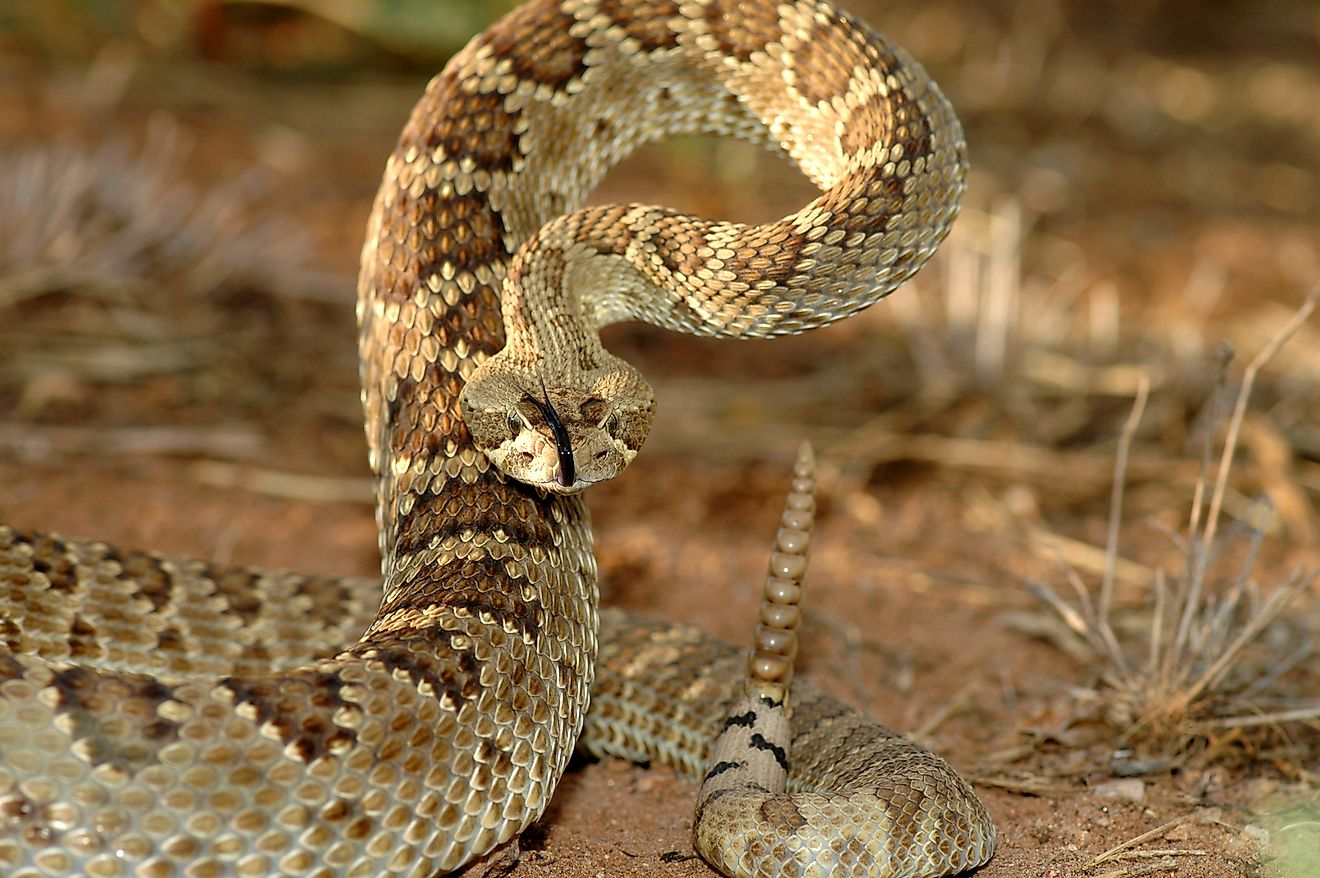
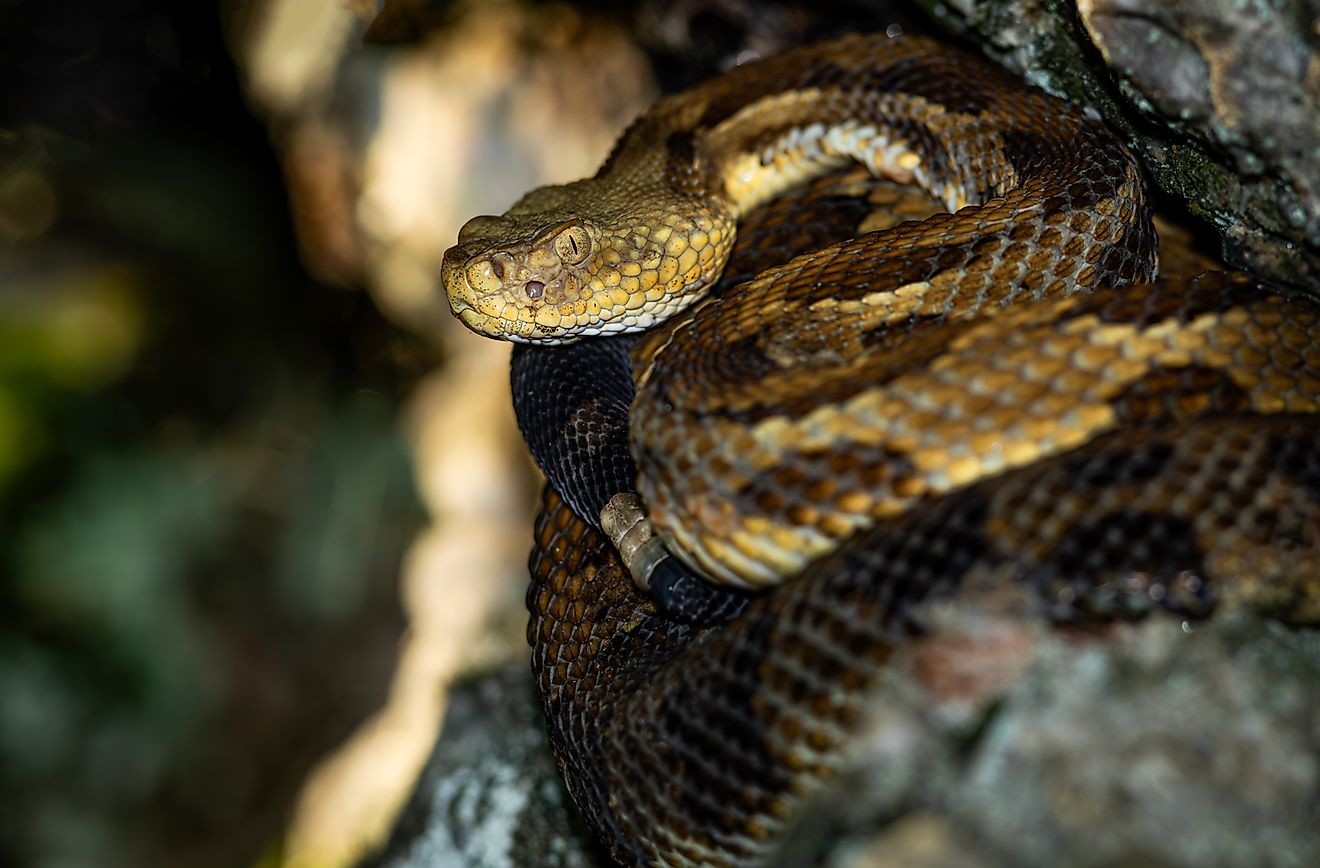
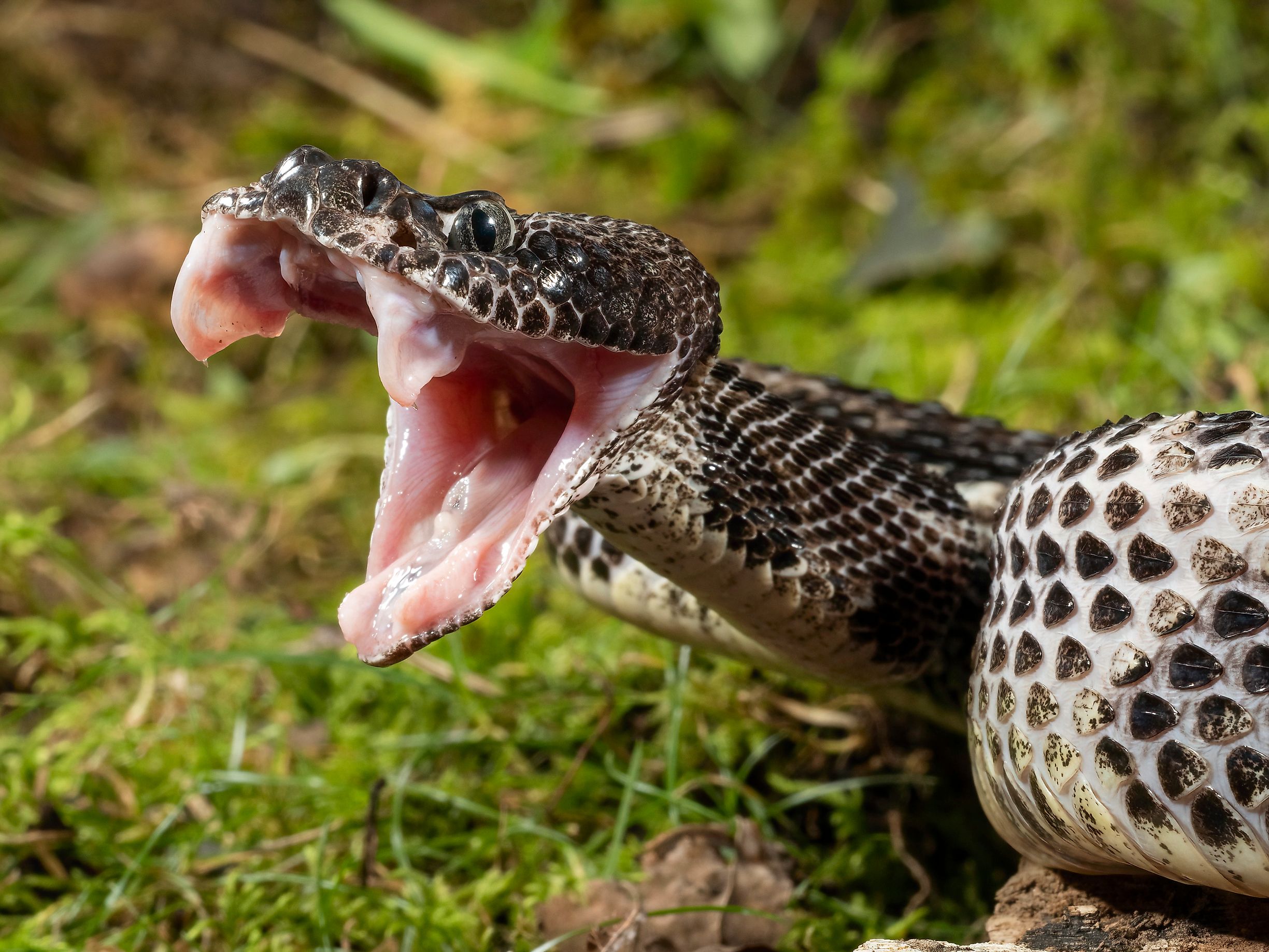
Ten of the state's venomous snakes are rattlesnakes, and they are the ones most likely to send someone to the hospital. The western diamondback (Crotalus atrox) stands out as a thick-bodied snake found across most of the state and is responsible for most serious bites. West Texas is where rattlesnakes are especially common. The Trans-Pecos and Big Bend areas are home to the mottled rock rattlesnake, the banded rock rattlesnake, the blacktail, and the Mojave rattlesnake. The Mojave has a powerful nerve-acting venom that deserves extra caution. On the grasslands, two small massasaugas from the genus Sistrurus complete the group. The western diamondback is so common in central and western counties that the town of Sweetwater hosts an annual roundup for it. This decades-old event draws crowds every spring and shows just how often people and rattlesnakes cross paths.
Copperheads, Cottonmouths, and a Cobra Cousin

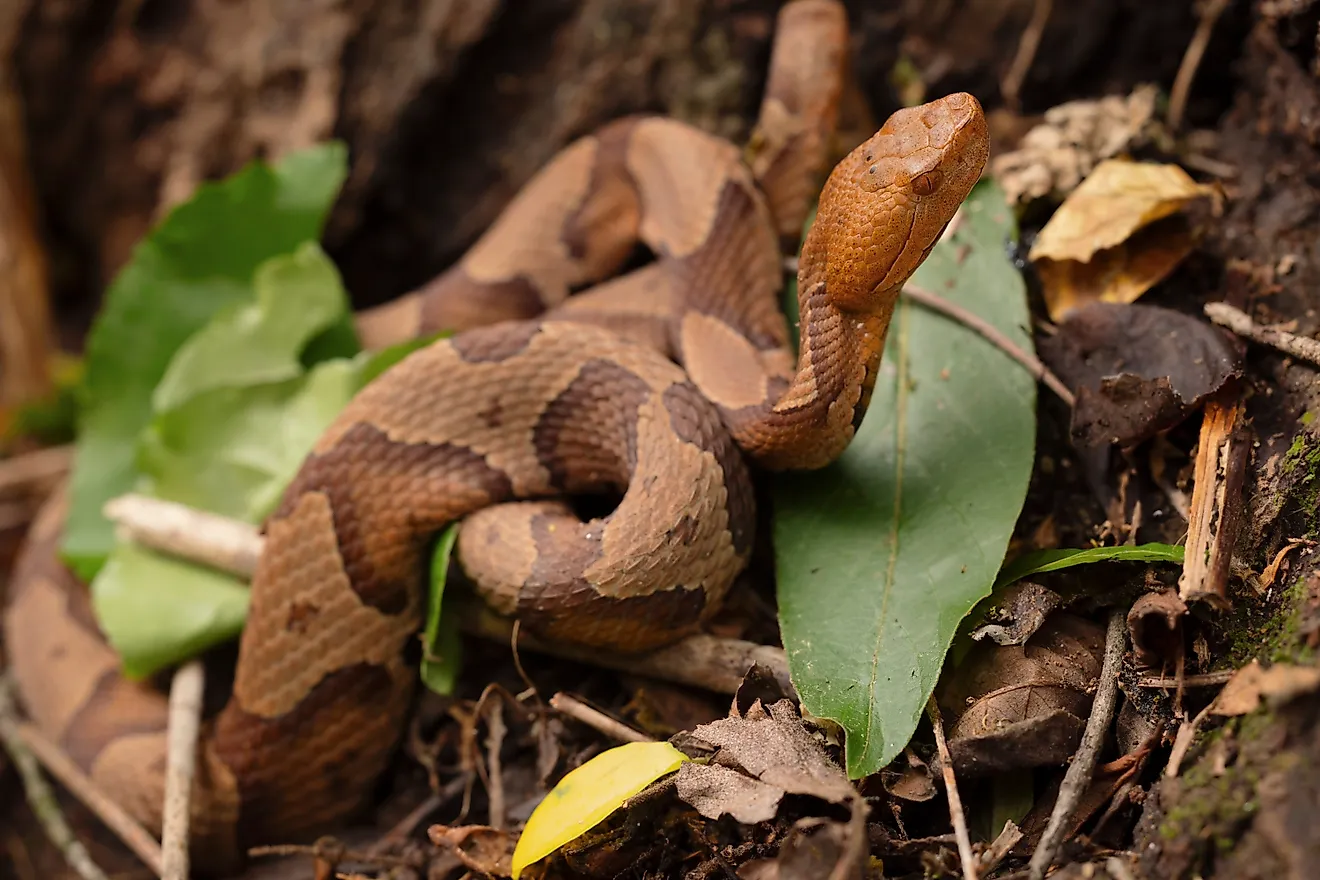
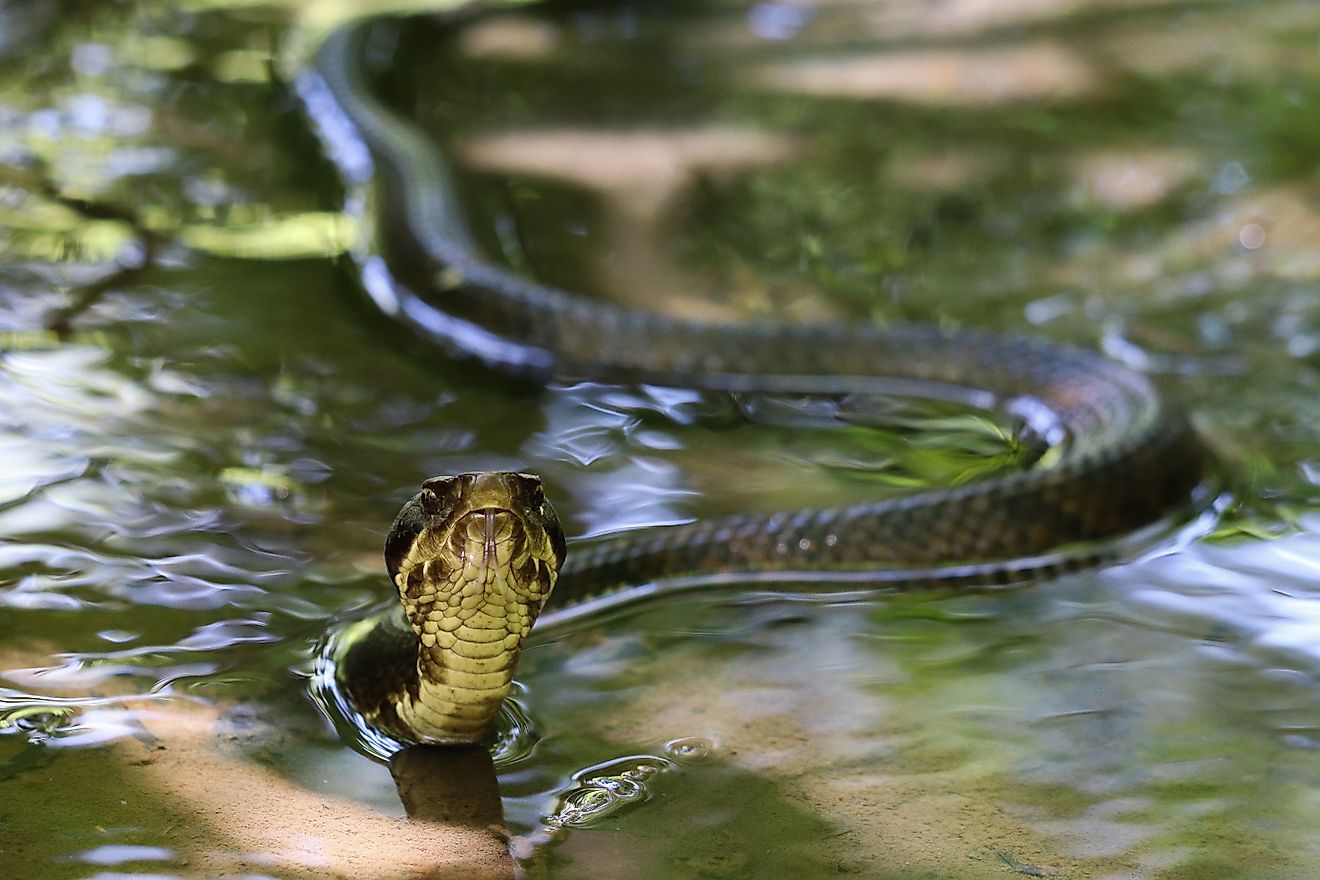
Besides the rattlesnakes, the state's venomous snakes also include the copperheads, the cottonmouth, and the coral snake, all of which favor wetter, more wooded country. Three copperhead subspecies occur in Texas, each with its own geographic range. The eastern copperhead inhabits the eastern third of the state, the broad-banded copperhead occurs across the central counties and the Trans-Pecos copperhead is found in the far west. In recent years, herpetologists have updated their classification as genetic studies have shown these snakes are different species. Copperheads bite more people than any other venomous snake in the region. This is partly because their camouflage is so effective that people often step on or reach past them without noticing, especially around woodpiles and leaf litter in backyards. Luckily, their venom is the mildest among these snakes, and their bites are rarely fatal. The cottonmouth is the only semiaquatic venomous snake in the country. It lives in marshes, ponds, and slow-moving rivers in the eastern half of Texas, often near the same banks where anglers fish. Its range follows the wetland edges it shares with rattlesnakes.
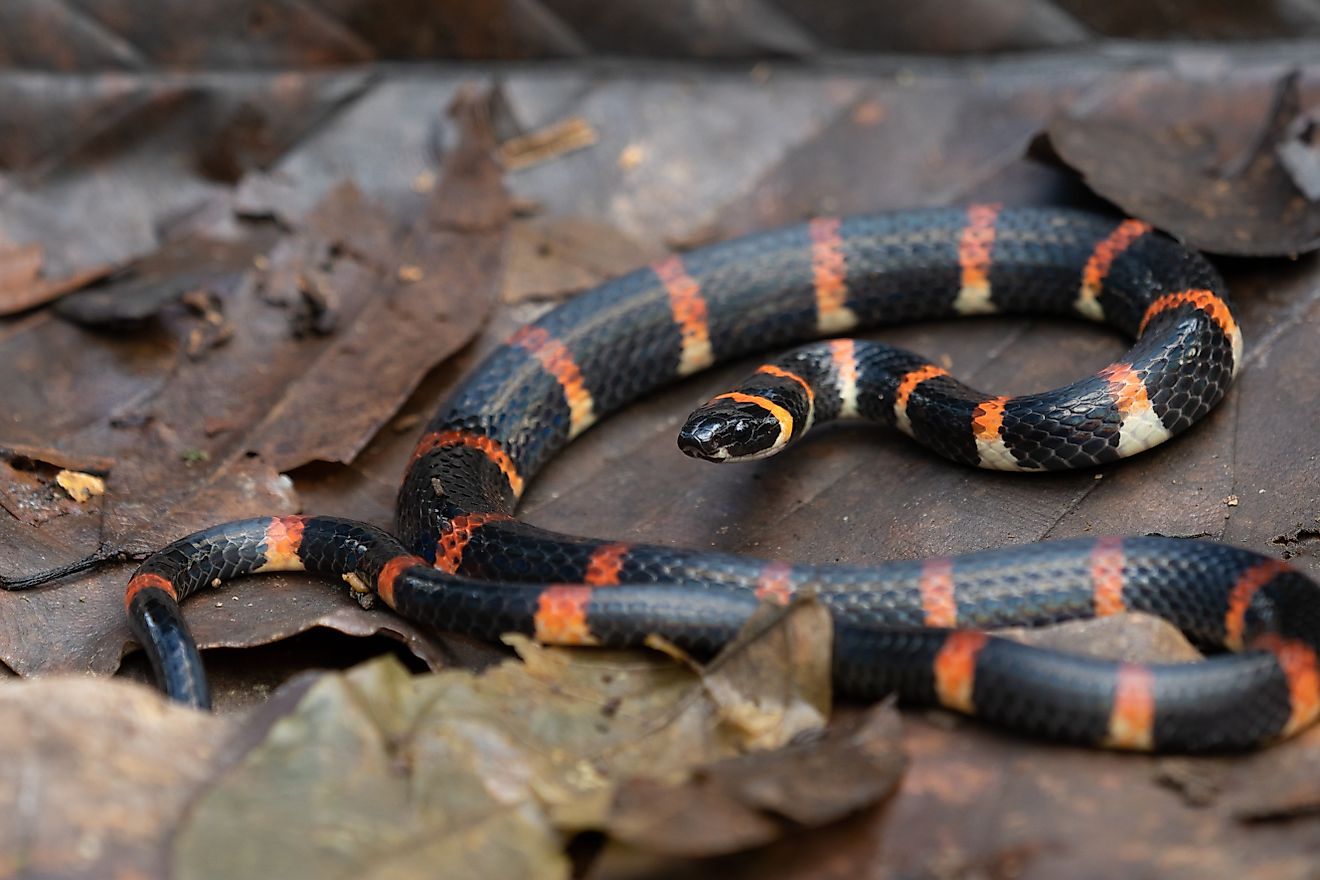
The last of these is the Texas coral snake (Micrurus tener). It is the only snake in Texas from the cobra family and has the most toxic venom, which is a neurotoxin that affects the nervous system instead of the tissue around the bite. Coral snakes are shy, secretive, and have small mouths, so bites are rare. The old saying about red touching yellow still helps people tell them apart from harmless snakes that look similar. A review of coral snake bites reported to Texas poison centers showed that almost all cases caused only pain and tingling. Serious effects were more common in the northeast and central counties than in the south. No one in these case series died.
How Dangerous Is It Really?

Each year, about 7,000 to 8,000 people in the U.S. are bitten by venomous snakes, and around five die. Medical sources say this is fewer than deaths from bee stings. Wildlife officials in Texas note that lightning kills more people there in a typical year than snakes do. Most serious cases involve rattlesnakes, while copperheads cause the most bites overall. A review of nearly 17,000 snakebite cases reported to the Texas Poison Center Network from 2004 to 2021 showed that less than one percent needed emergency muscle-release surgery, called fasciotomy. There is antivenom for every native venomous snake. Most bites happen between March and October, when snakes are active, and many occur when people try to catch, kill, or move a snake. Weather can also play a role. After Hurricane Harvey flooded Houston in 2017, poison centers got calls about snakes entering homes with the floodwater, but a study of storms over almost twenty years found no lasting increase in snakebites statewide. If you want to compare risks, you can look at which states have the most bites and how rarely those bites are deadly. Texas can also be compared with neighboring Florida, which has a similar humid Gulf Coast climate but supports fewer venomous snake species. However, more of Florida's population lives in areas where people regularly encounter snake habitat.
Staying Safe in Snake Country

Living safely around these snakes mostly comes down to paying attention. Be careful where you put your hands and feet, especially near rock piles, woodpiles, tall grass, or shaded ledges where snakes might hide. Step onto logs instead of over them, use a flashlight after dark, wear closed boots on trails, and check before sitting on rocks or reaching into brush. If you see a snake, give it space. Most bites happen when someone tries to handle, corner, or kill the snake instead of just walking away. Step back about six feet, and the snake will almost always leave on its own.
If you do get bitten, toxicologists have clear advice. Try to stay calm, keep the bitten area still, and remove any rings or watches before swelling starts. Call 911 or the Poison Help line at 1-800-222-1222 and go to a hospital for antivenom. Avoid traditional home remedies such as cutting the wound, attempting to suck out venom, applying ice or using a tight tourniquet. These methods can cause further injury and complicate treatment. You don't need to catch or kill the snake for identification. A photo taken from a safe distance is enough for the medical team.
Respect Earns More Than Fear
The same wide-open spaces that give Texas its reputation for venomous snakes also make it one of the richest wildlife areas in the country. Snakes play an important role here, keeping rodent numbers down and providing food for hawks and kingsnakes. Compared to the humid Gulf region in the southeast or the rattlesnake deserts out west, Texas stands out for its variety of snakes, not just their danger. Knowing which four groups of snakes occur in the area, where they are most commonly found and how to respond to a bite can make outdoor encounters much less intimidating. Bites are uncommon, and a basic understanding of local species and sensible precautions is usually enough to enjoy the outdoors with confidence. That way, hikers, anglers, and gardeners can enjoy the outdoors alongside the country's most diverse snake population without much worry.