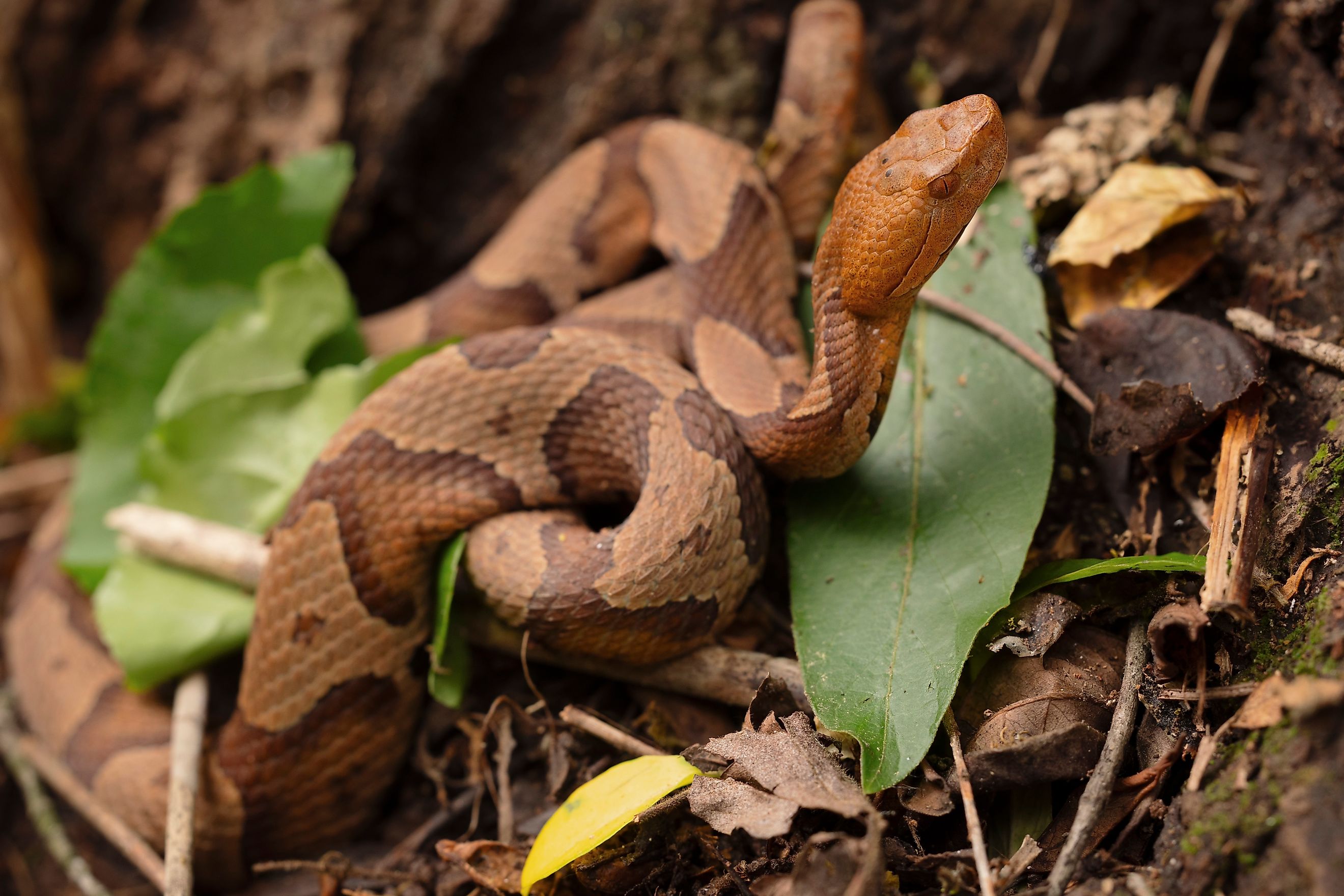
The Forests With The Most Copperheads
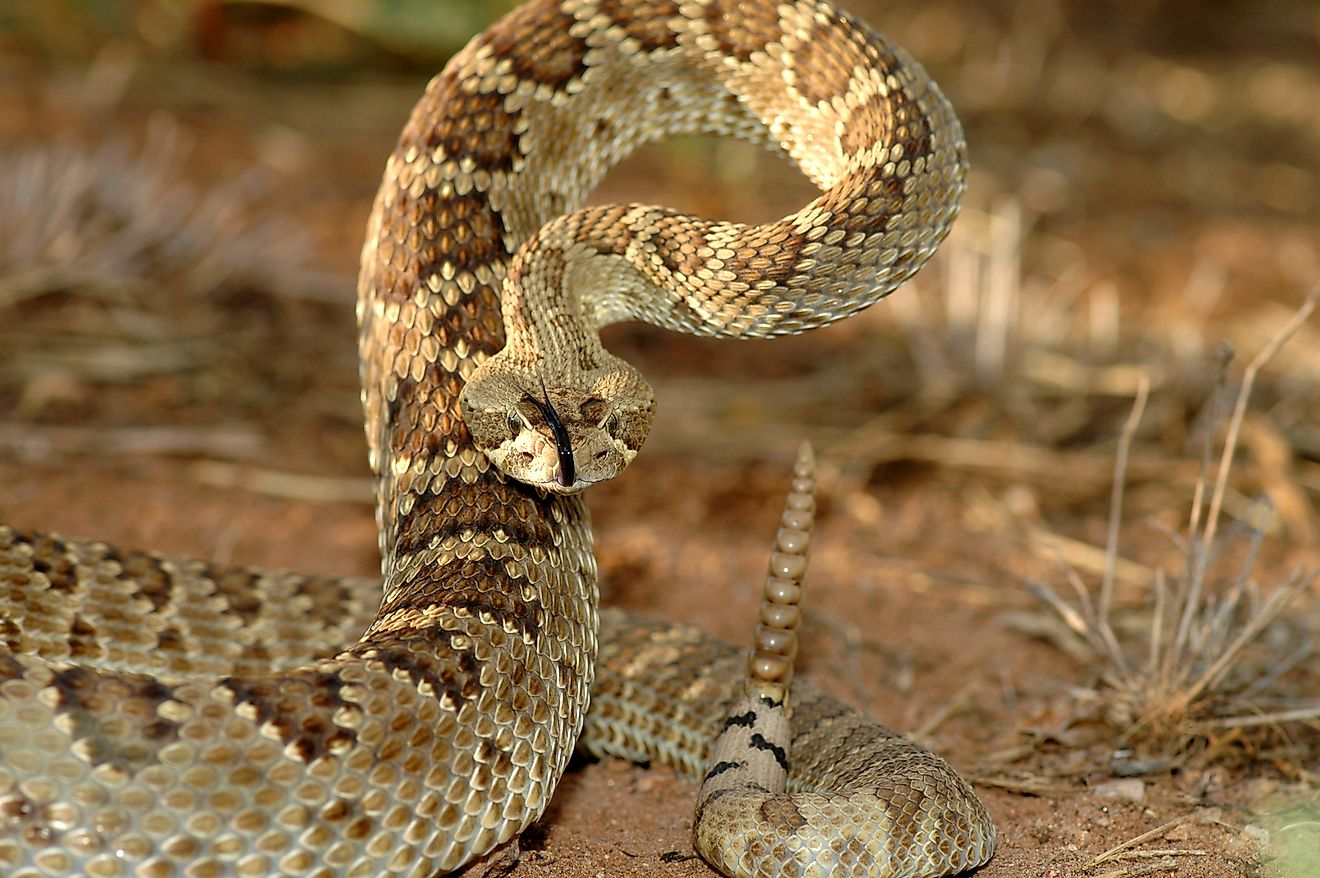
No snake in America is better at being a dead leaf. The eastern copperhead (Agkistrodon contortrix) wears hourglass bands in exactly the coppers and tans of the forest floor, and it backs the costume with a strategy: when trouble approaches, it freezes. That combination makes the copperhead the venomous snake Americans step near most often without ever knowing, and it makes the question of this article answerable, because copperheads are forest specialists. They concentrate where oak leaves pile deep, rock outcrops catch the sun, and rodents, frogs, and cicadas run the understory. Nobody counts copperheads, but the forests below offer the species everything it wants, in quantities nowhere else can match.
Why Copperheads Are Forest Snakes

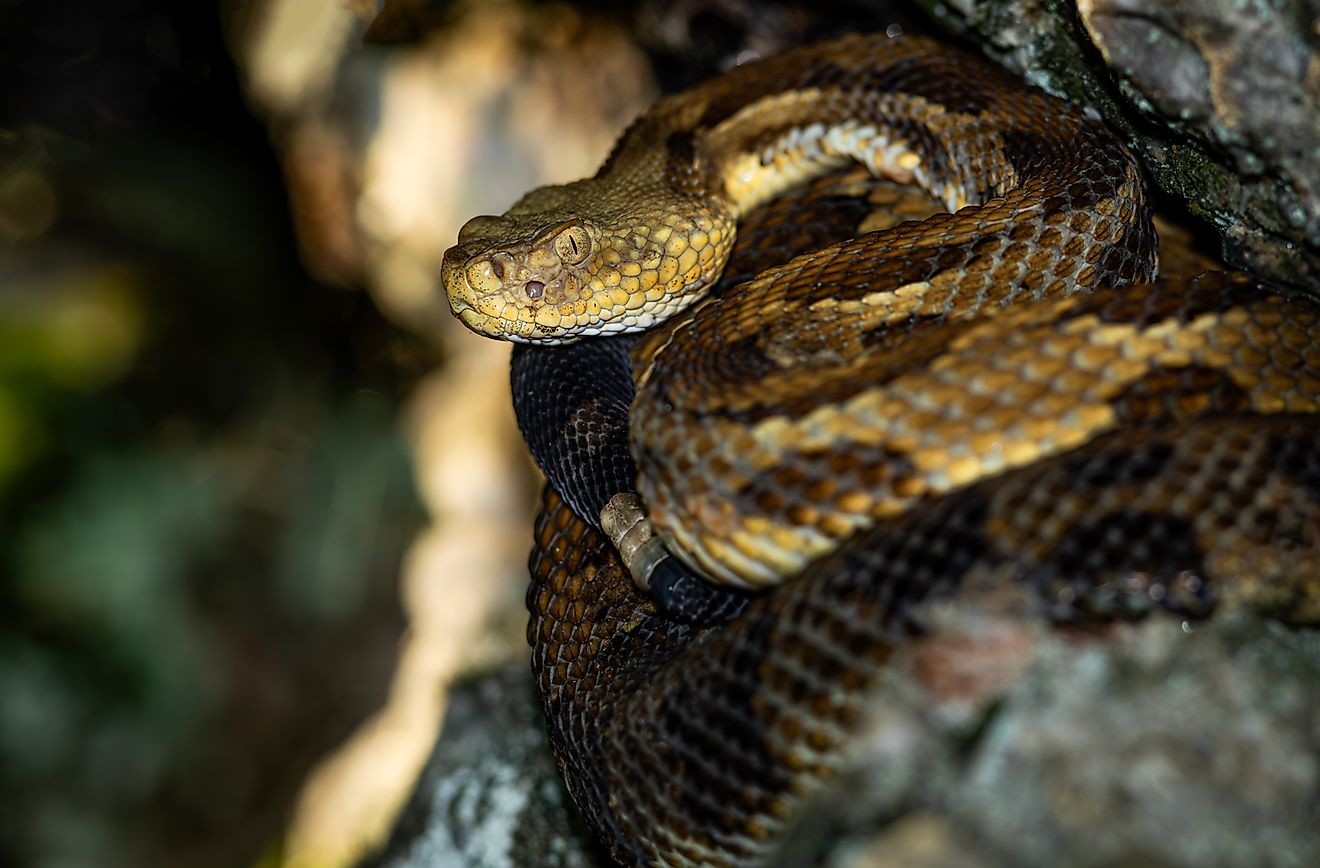
Everything about the copperhead is built for deciduous woods. The camouflage only works on leaf litter, so the snake hunts where the litter is, ambushing mice and voles along logs, and climbing low shrubs in cicada years to gorge on the emerging insects, one of the odder feasts in American herpetology. Juveniles are born with a yellow-green tail tip they wiggle like a worm to lure frogs and lizards into range. Winter sends copperheads to rocky, sun-facing slopes, where they den communally in crevices and old stone, often sharing quarters with timber rattlesnakes, and they return to the same dens year after year, natural or man-made.
Two more facts frame every forest on this list. Copperheads bite more people in the United States than any other venomous snake, a product of that freeze-first strategy meeting hiking boots, yet their venom is the mildest of the country's major pit vipers and fatalities are vanishingly rare. And taxonomists recently split the old species in two, with the broad-banded copperhead (Agkistrodon laticinctus) now covering the western end of the family's range. Different name, same dead leaf.
Shawnee National Forest, Illinois

Shawnee, spread across southern Illinois' sandstone hill country, holds the most famous proof of snake abundance in America: Snake Road. Every spring and fall, the Forest Service closes a 2.5-mile stretch of road at LaRue-Pine Hills to vehicles so that migrating snakes, copperheads prominent among them, can cross safely between the limestone bluffs where they den and the swamp where they summer. A road closed twice a year on reptile business is as close as the species gets to an official census.
The rest of the forest repeats the formula at scale: oak-hickory ridges, sun-soaked formations like Garden of the Gods, and wet bottomlands below, den rock and hunting ground stacked within a copperhead's commuting range across 289,000 acres.
The Ozark Highlands: Ozark And Mark Twain National Forests

The Ozarks of Arkansas and Missouri are the copperhead's heartland, and the two great national forests that cover them, the Ozark in Arkansas and the Mark Twain in Missouri, protect better than two million acres of exactly what the species orders: endless oak-hickory woods, cedar glades, and bluff lines of fractured limestone and dolomite that bake in the afternoon sun. Herpetologists treat the region as copperhead country by default; locals treat the woodpile the same way.
The glades are the engine. These open, rocky balds scattered through the forest work as reptile solariums, denning rock and basking slabs surrounded on all sides by hunting woods, and copperheads share them with everything else cold-blooded in the hills. Hike the Ozark Highlands Trail in October, when the snakes shift toward their dens, and watch where the sun hits the rock.
Daniel Boone National Forest, Kentucky

Kentucky's Daniel Boone runs 700,000-plus acres down the rugged western edge of the Appalachians, and its signature landscape doubles as copperhead architecture: the Red River Gorge's sandstone cliffs, arches, and rockhouses offer more south-facing crevice than almost any forest in the East, with dense mixed woods lapping right up to the stone.

Climbers and hikers here learn the local etiquette fast: check the ledge before the hand goes on it, especially in the shoulder seasons when snakes stage near the rock. The copperhead returns the courtesy by being the gorge's most reluctant biter, holding its freeze while whole scout troops file past.
George Washington And Jefferson National Forests, Virginia

Running nearly the length of Virginia's mountain spine, the combined George Washington and Jefferson National Forests protect about 1.8 million acres of ridge-and-valley country, long parallel mountains of oak forest seamed with talus, old stone fences, and abandoned homestead rock, which is to say, den sites beyond counting. This is classic two-pit-viper forest, where copperheads hold the lower slopes and field edges while timber rattlesnakes claim the high ledges, and the Appalachian Trail threads through the territory of both.
The copperhead's edge here is adaptability: it thrives not just in deep forest but along the forest's many borders with pasture and hollow farmland, wherever rodents concentrate. In Virginia's mountain counties, the species is less a sighting than a season.
Great Smoky Mountains National Park, Tennessee And North Carolina

The Smokies make the list on protection and sheer forest quality: half a million acres of some of the richest deciduous woodland on the continent, never logged in its finest coves, hosting exactly two venomous snakes, the timber rattlesnake and the copperhead. The copperhead works the park's lower elevations, old homesite stone walls, cabin foundations in Cades Cove country, and the sunny edges of the lowland trails, terrain the park's settler history conveniently pre-stocked with den masonry.
Park naturalists field constant copperhead questions and give the same answer every year: in the most visited national park in America, with millions of boots on the trails, snakebite remains a rarity, because the snake's entire strategy is to let you pass.
Sam Houston National Forest, Texas

An hour north of Houston, Sam Houston National Forest anchors the copperhead's southwestern stronghold, 163,000 acres of pine and hardwood bottomland in a state that leads the country in venomous snakes. East Texas copperheads, including the broad-banded form, are famously thick in the leaf litter along the Lone Star Hiking Trail, the state's longest footpath, which runs nearly 100 miles through the forest's creek bottoms and pine flats.
Spring is the show here: warm, humid evenings bring copperheads onto the forest roads to soak up heat, and Texas herpetologists cruise these lanes the way birders work a refuge. Few places in America produce more copperhead sightings per mile of asphalt.
Read The Leaf Litter
The list runs the species' whole empire, sandstone Illinois, the Ozark glades, Kentucky's gorge country, Virginia's long ridges, the Smokies' old coves, and the piney bottoms of East Texas, and every entry earns its place the same way: deep deciduous litter for hunting, fractured sunny rock for denning, and protected acreage measured in the hundreds of thousands. For hikers, the moral is the snake's own motto in reverse. The copperhead's camouflage and patience mean the ones you see are a fraction of the ones you pass, so watch the trail edge, step on logs rather than over them, and leave the dead leaves their privacy. Most of them are leaves. Enough of them are not.