Why Deer Lose Their Antlers Every Winter
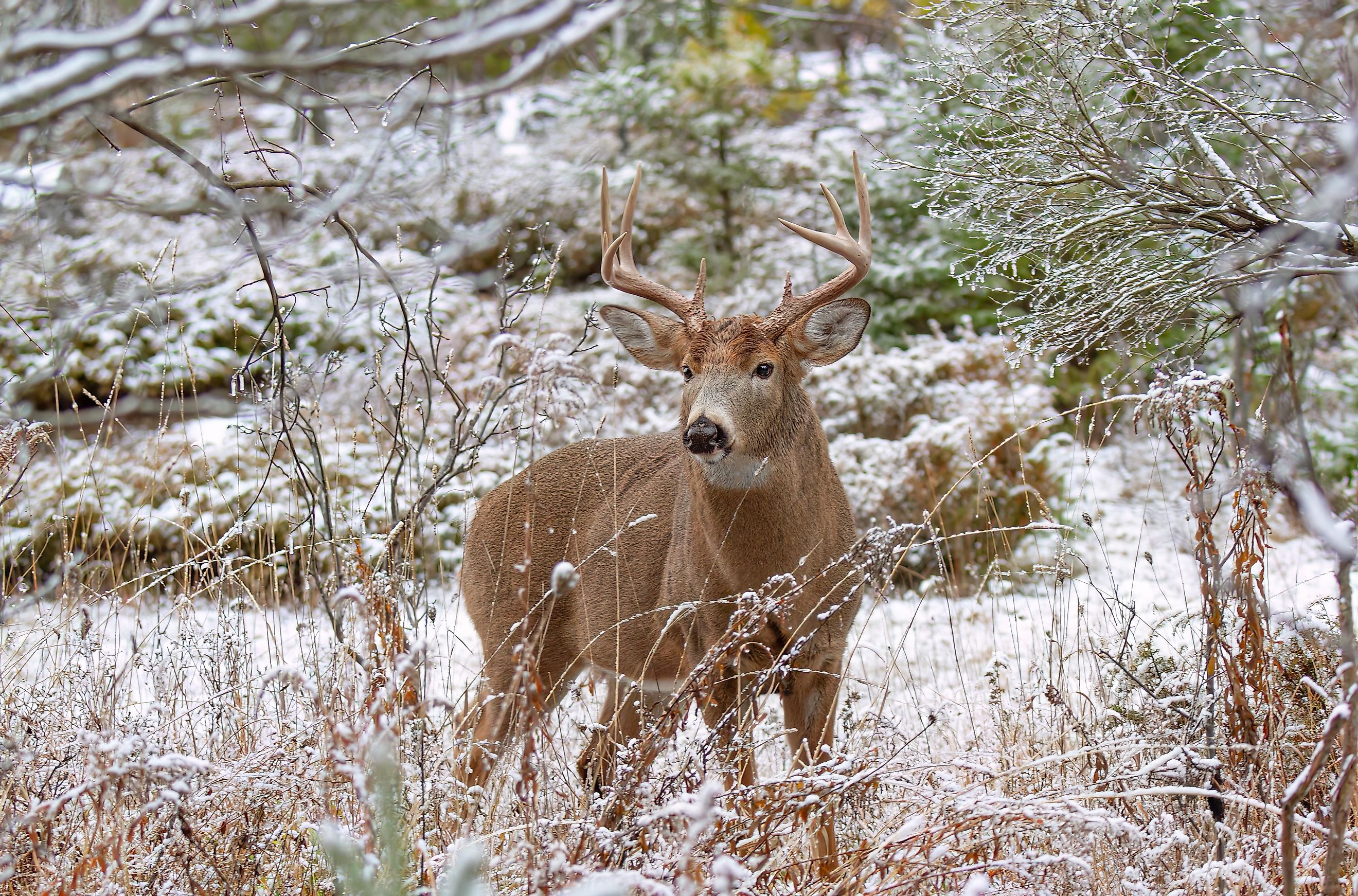
Sometime between December and March, every whitetail buck in North America performs one of nature's strangest routine acts: the bone simply falls off his head. The antlers he spent all summer growing, the weapons he carried through the November rut, detach at their bases, sometimes both within a day of each other, and land in the snow for the mice to find. Then, within weeks, he starts growing a new set from scratch. It looks like staggering waste, the skeletal equivalent of burning the house down every spring and rebuilding it, and the explanation is one of the best stories in mammal biology. Antlers are not tools; they are seasonal weapons and advertisements, run on a testosterone clock, built of bone that is dead by the time it matters and therefore cannot be kept. Deer lose their antlers every winter because the whole system was never designed to be permanent, and the reasons why repay a close look.
Weapons For One Season

The first thing to understand is what antlers are for, which is not survival. A buck does not use his rack to find food, fight off wolves in any routine way, or dig through snow. Antlers exist for a few weeks of autumn, the rut, when they serve as both weapon and billboard.
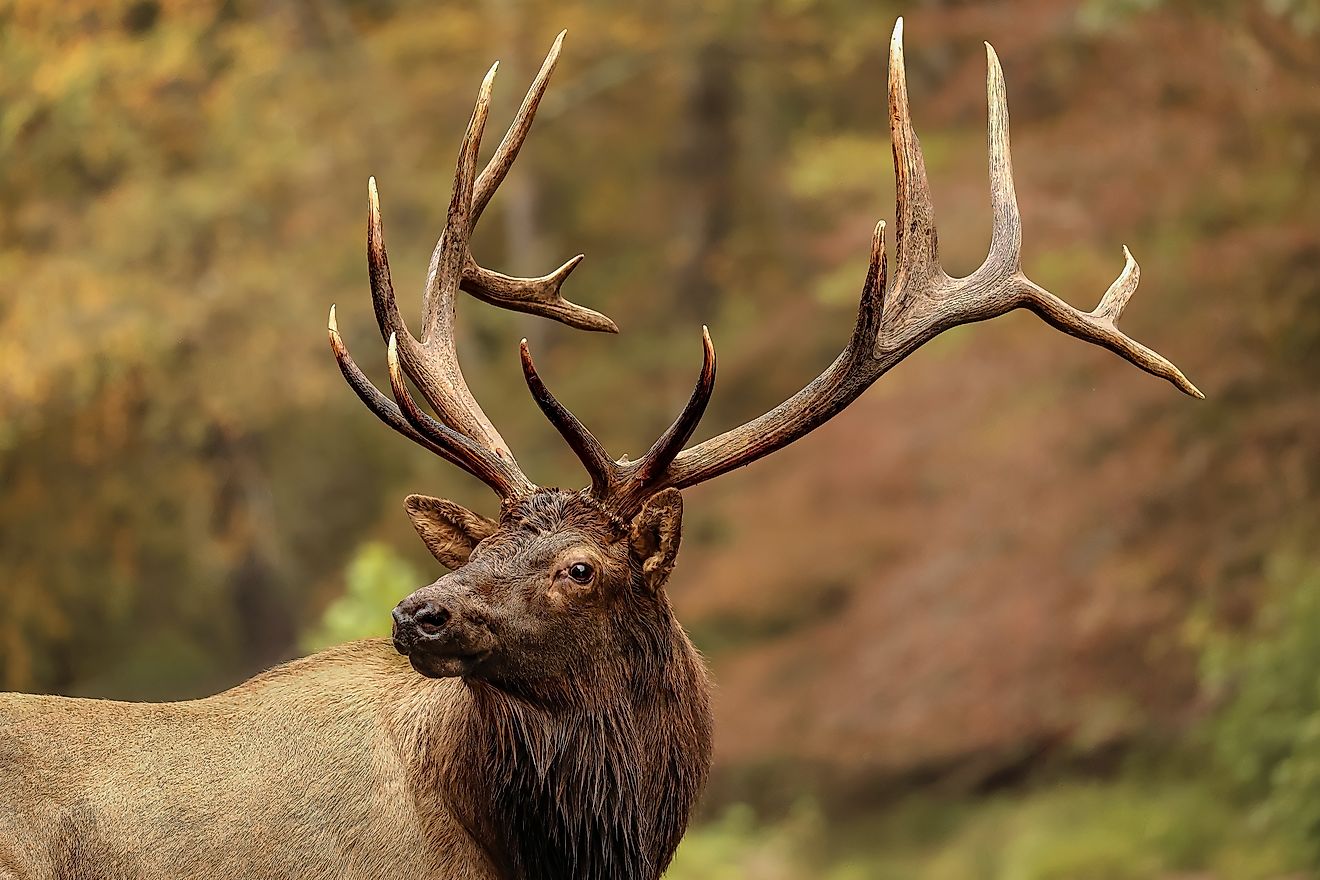
In those weeks they do everything: they spar and shove rivals, they signal a buck's age, health, and food supply to every doe and competitor at a glance, and they settle most contests without a fight at all, because an honest advertisement saves everyone the injury. The antler is a resume written in bone.

And like most things built for a single campaign, antlers are budgeted for one. The moment the breeding season ends, the rack's job is finished, and every day it stays on the buck's head afterward is pure cost: pounds of bone to haul through the hungriest months, with nothing left to win by carrying it.
The Switch And The Drop

The mechanism is hormonal, and it runs with a switch's simplicity. Antler growth, hardening, and retention are all governed by testosterone, which climbs through summer, peaks for the rut, and then collapses once breeding ends.
That collapse is the release command. At the antler's base, where it meets a living bone stub on the skull called the pedicle, specialized cells begin dissolving the connection, resorbing bone along a neat seam until the heavy rack is held on by almost nothing. Then a shake of the head, a jump, or gravity alone finishes the job.

The drop is painless, closer to a leaf leaving a tree in autumn than to any injury, and it is often strikingly synchronized, with both sides falling within hours or a day of each other. Timing varies by latitude, age, and condition, with northern bucks and hard-worn bucks shedding earliest, some in December, while well-fed southern deer can carry into March. The same clock runs the whole deer family, moose and elk included, each on its own schedule.
Why Keep Nothing

Here is the deeper why: the antler could not be kept even if keeping it paid. By the time a rack is polished and ready for the rut, it is dead bone, its blood supply cut off when the velvet was shed in late summer. Living bone repairs itself continuously; dead bone cannot.
A permanent antler would accumulate cracks, breaks, and battle damage year over year with no way to heal, degrading exactly where a weapon can least afford it. Annual replacement is the fix, resetting every buck to a flawless rack each fall, resized to match his current body condition, which keeps the advertisement honest: a hard winter or a poor summer shows up in smaller antlers the very next season.

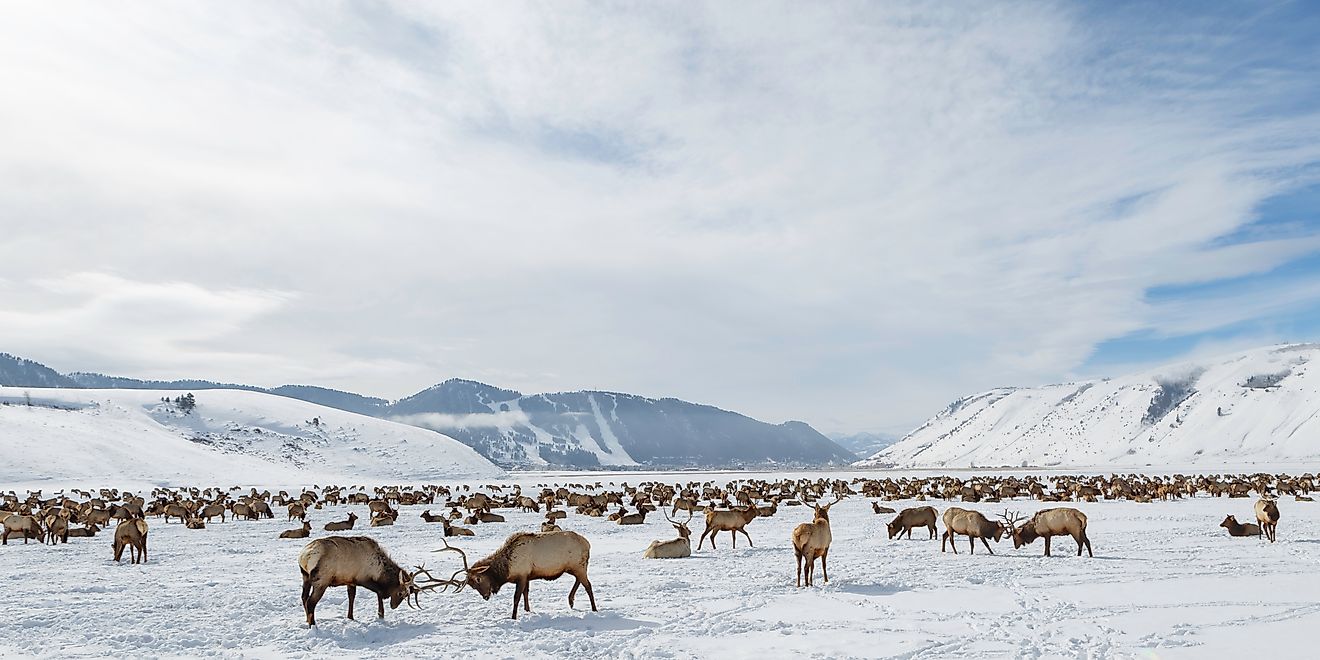
The winter economics close the case. A mature buck enters the cold months depleted from the rut, having burned through much of his fat reserve, and the pounds of bone on his head buy him nothing further while costing calories and snagging in the brush. Dropping them is not loss. It is a deer traveling light through the season that kills deer.
The Spring Sprint
What makes the throwaway affordable is the regrowth, and the regrowth is a biological spectacle. Beginning within weeks of casting, new antlers sprout from the pedicles sheathed in velvet, a plush living skin packed with blood vessels, and the bone beneath grows at a rate unmatched by any mammal tissue, with big deer and elk adding up to an inch a day at the peak of summer.
The sprint is fueled by so much calcium and phosphorus that bucks draw minerals from their own skeletons to meet the schedule, repaying the loan through their diet afterward. By late summer the growth stops, the bone hardens and dies, and the buck rubs the velvet off on saplings, unveiling the finished rack just in time for the season it exists to serve. The whole cycle, zero to weapons-grade and back to zero, fits inside a single year.
The Family's Famous Exception

One member of the deer family rewrote the rules, and the rewrite has a holiday punchline. Caribou are the only deer in which females routinely grow antlers too, and the sexes run opposite shedding schedules: bulls cast their big racks in early winter after the rut, while pregnant cows keep their smaller antlers deep into spring.
The reason is winter groceries. Antlered cows outrank bare-headed bulls at the feeding craters they dig in the snow, and holding the weapons through pregnancy protects a cow's food supply exactly when she needs it most. The seasonal consequence is the one biologists delight in pointing out every December: any antlered reindeer working on the night of the 24th is, by the shedding calendar, almost certainly a female.
Shed Season

The falling bone has built a human subculture. Late winter and early spring are shed-hunting season, when searchers walk winter ranges, bedding areas, and fence crossings looking for cast antlers, prized as trophies, craft material, and dog chews, with trained dogs now working the hunt and the best finds selling for real money.

The pursuit has grown enough to need referees: several western states now set formal shed seasons and closures, keeping crowds off winter ranges so that depleted elk and deer are not pushed through the snow for the sake of the bone they dropped. An antler on the ground, wildlife agencies point out, was paid for by an animal that still has to survive the rest of the winter standing nearby.

Whatever the searchers miss, the forest keeps. Cast antlers rarely last long on the ground, because mice, squirrels, and porcupines gnaw them down for the calcium, recycling each winter's armory back into the food web. The buck's loan from his own skeleton ends up repaid to everyone's.
Built To Be Thrown Away

So deer lose their antlers every winter because antlers were never meant to last: they are single-season weapons and advertisements, switched off by crashing testosterone the moment the rut ends, made of dead bone that could never heal, and too expensive to haul through the starving months for no return. The annual throwaway buys every buck a factory-new, honestly sized rack each fall, and the sprint to rebuild it is the fastest bone growth in the mammal world.
A one-antlered buck in January is not having a bad week. He is mid-molt in the skeleton's only renewable wing, halfway through the strangest subscription in nature, and by September he will be armed again, on schedule, as if winter had never collected its bone.