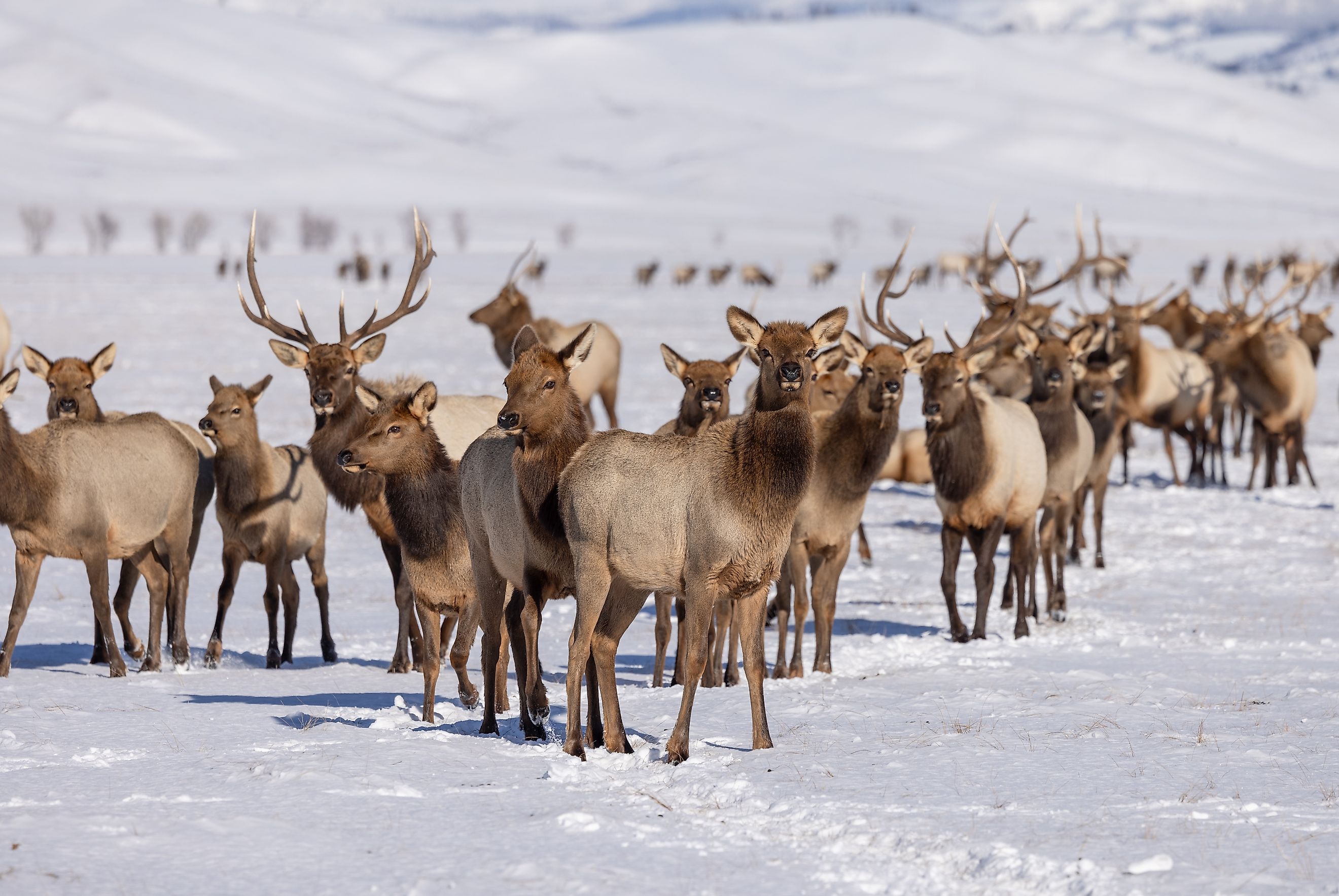
What Elk Do When The Snow Comes
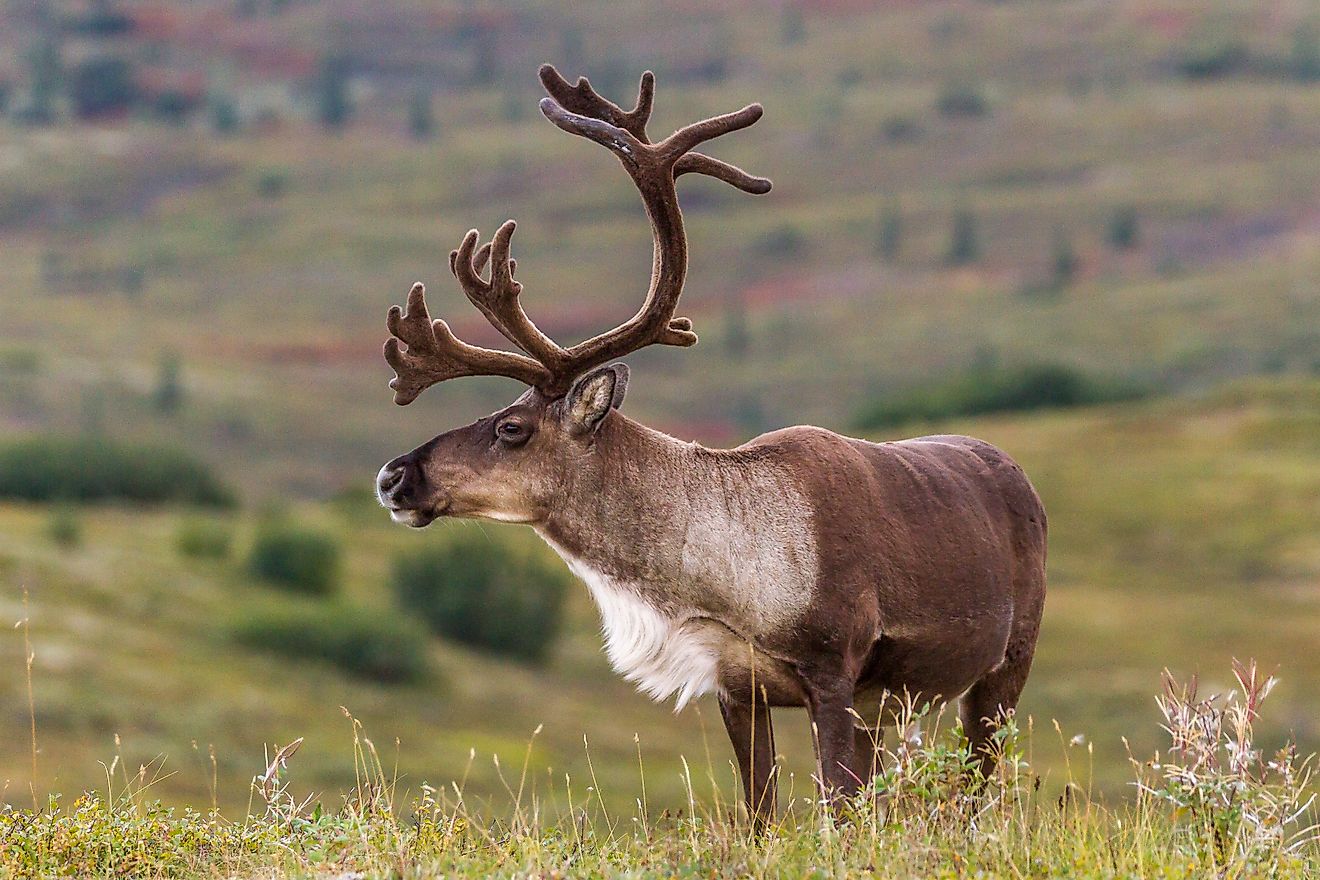
Yellowstone holds somewhere between 10,000 and 20,000 elk across six or seven herds in summer. Fewer than 2,000 are still inside the park in winter. That is the answer in one statistic: when the snow comes, most of them leave. The ones that stay dig through it with their hooves, strip bark off trees when the grass runs out, and make up more than 96 percent of what the wolves eat.
Most Of Them Go
Migration is the primary strategy and the numbers show how complete it is.

Yellowstone supports roughly 10,000 to 20,000 elk in six or seven herds during summer, while fewer than 2,000 remain within the park through winter. Herds move to lower elevations around the park's borders or down into Jackson Hole where the snow is shallower.
Elk are the park's most abundant ungulate in summer and a scarce one in February.
They Dig With Their Feet
The ones that stay use a different tool from the bison working alongside them.

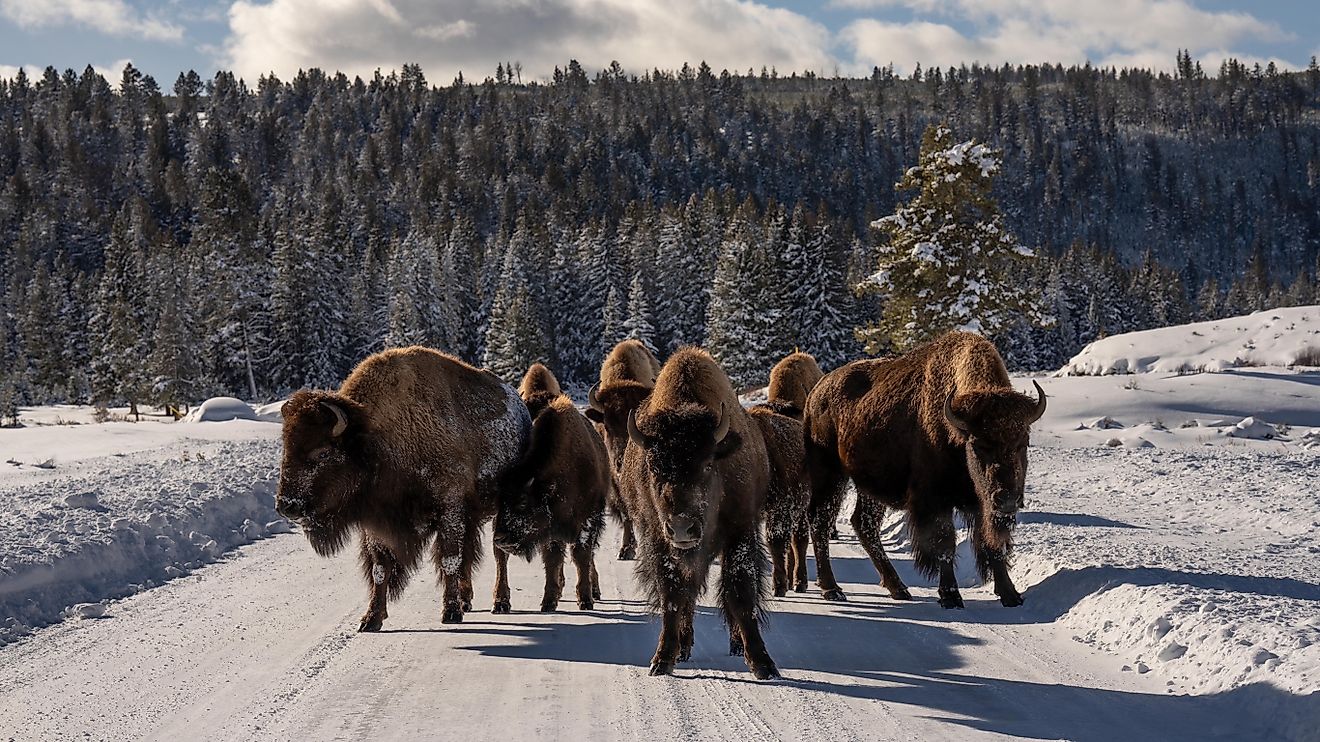
Elk paw through snow with their hooves to reach buried grasses and sedges. Bison sweep snow aside with their heads, using muscles anchored to the hump, which is a capability elk do not have.
Hooves are slower and shallower. It is one reason elk are more dependent on finding shallow snow than bison are.
Wind Does Some Of The Work
Elk seek out ground where the snow never settled rather than digging where it did.

They climb high onto mountainsides where snow could not accumulate, and move into open areas where winter wind has scoured the ground bare, exposing stalks of dried grass.
The trade-off is exposure. Those scoured places are the least sheltered ground available, which means feeding in the full force of the wind.
Thermal Ground Is The Other Option
Yellowstone offers a resource almost no other winter range has.

As snow deepens, elk move to lower valleys and thermal areas where grasses remain exposed. Geothermal heat keeps patches of ground clear all winter.
It is the same advantage some bison herds exploit around Old Faithful, and there is only so much of it to go round.
Bark Is The Last Resort
When the grass cannot be reached at all, the diet changes to something barely nutritious.

Elk browse on shrubs and tree bark when food is scarce. Aspen in particular carries the scars, and the browse line left by elk is visible in stands across the northern range.
Bark is a survival ration rather than a food. Animals eating it are already running a deficit.
They Live Off Fall
The whole winter is funded by what the animal put on before it started.

Elk accumulate a layer of body fat during the abundant fall months, and those reserves are what carry them through on minimal forage. They also reduce their activity level and metabolic rate.
A poor fall therefore produces a bad winter regardless of the snow, because the buffer was never built.
Herds Break Trail For Each Other
Grouping up in winter serves two purposes at once.

Traveling in herds helps elk stay alert to predators and conserve energy by following trails already broken through snow. Large groups also provide extra eyes and ears for detecting wolves.
The animal in front pays the cost of pushing through the drift. Everyone behind it walks on packed snow.
They Are What Wolves Eat
Winter shifts the predator-prey balance decisively, and elk are on the wrong side of it.

A Yellowstone wolf's winter diet is more than 96 percent elk, against about 85 percent in summer when other prey is available. Bison make up only 3 to 4 percent.
Deep snow slows elk and bison alike, giving wolves an advantage they do not have in summer. Many elk freeze or starve, and the weakened ones are taken.
Wyoming Feeds Them
Outside the park, winter elk management takes a form that has been running for over a century.

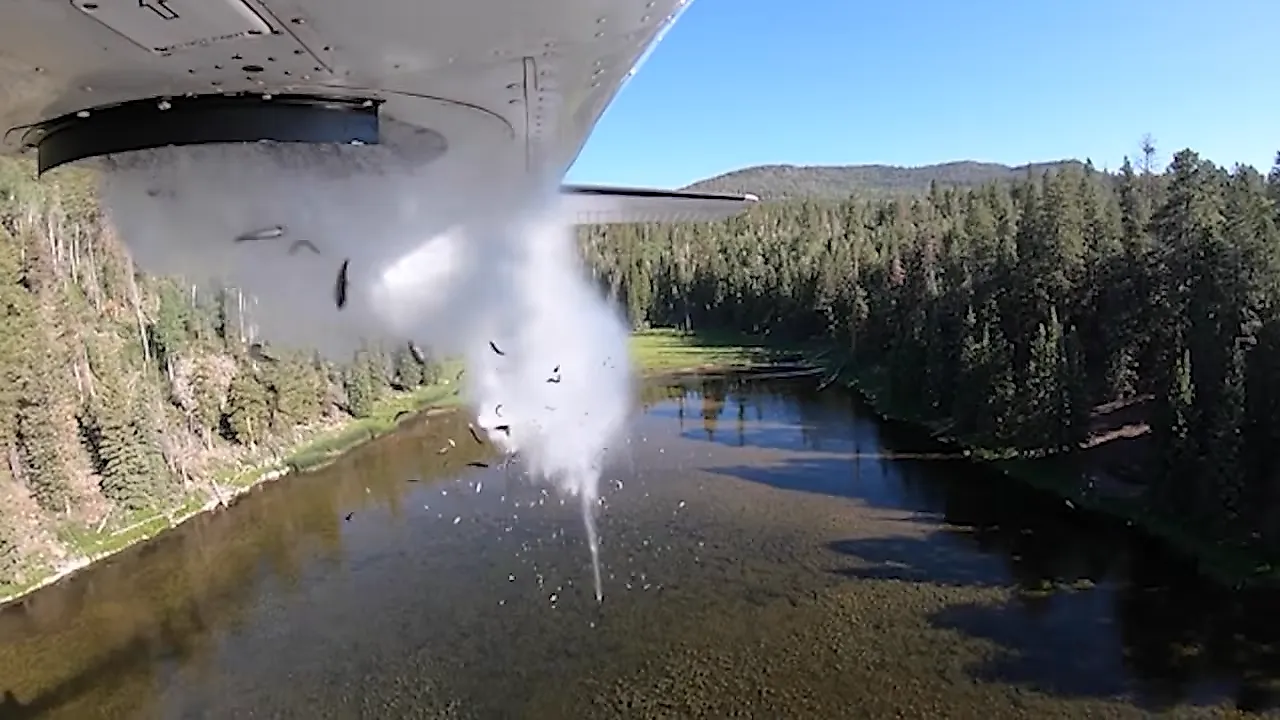
Institutional feeding of elk occurs at 23 locations across western Wyoming. It began as early as 1907 and was formalized with the creation of the National Elk Refuge in 1912, intended to support dwindling herds and divert them from private haystacks.
The practice remains popular with sections of the public and is now contested on disease grounds.
Feeding Grounds Spread Disease
Concentrating thousands of animals at a food source has a predictable consequence.

Brucellosis, caused by Brucella abortus, affects cattle, elk and bison in the Greater Yellowstone Ecosystem, and feedgrounds facilitate transmission. The disease periodically spills back from elk into regional cattle herds despite being eradicated from cattle elsewhere in the country.
Researchers describe a cycle in which feeding both creates and mitigates the same problem, and have suggested experimental closures and reduced feeding merit consideration.
The Short Answer
Most elk leave. Yellowstone's summer population of 10,000 to 20,000 drops below 2,000 inside the park by winter, with herds moving to lower elevations, the park's borders and Jackson Hole. Those that remain paw through snow with their hooves, work wind-scoured slopes and thermal ground, browse bark when nothing else is reachable, and live mainly off fat laid down in fall.

They are also the main thing keeping the wolves alive, at more than 96 percent of the winter diet. And in western Wyoming, 23 feedgrounds have been propping up the survivors since 1907, which solved one problem and created another.