The Most Biodiverse States In America
A single river basin in Alabama holds more types of freshwater fish, mussels, snails, and turtles than any other state. In California, certain mountain ranges are home to over a thousand plants found nowhere else in the world. In the United States, biodiversity often gathers in just a few fortunate states rather than being spread out. Surprisingly, the richest areas are not the vast northern wildernesses many imagine, but a warm southern region and a few western spots. Here, mild weather, ancient landscapes, and natural barriers like mountains and rivers have allowed species to thrive and evolve into new forms.
California

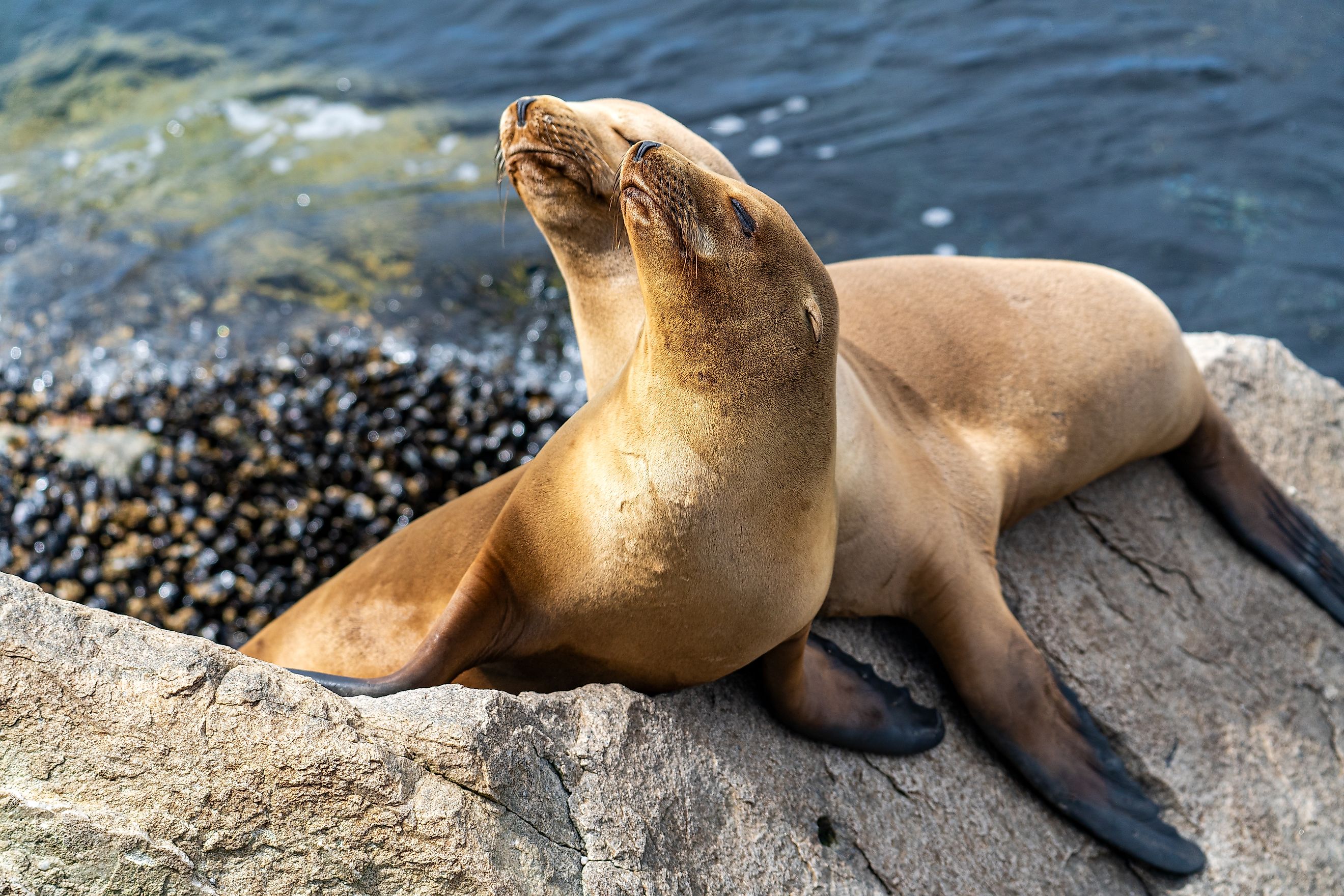
California leads the nation in sheer species richness and in the number of species found nowhere else. In the Nature Conservancy inventory behind the NatureServe rankings, California ranked first by a wide margin in vascular plants, with 4,389 species, and first in endemic plants, with 1,416. It led all states in mammal species with 185, and in endemic mammals with 18. The engine of that richness is geography. Coastal mountain ranges and interior deserts seal the state off from the rest of the continent, so populations evolve in isolation and split into new forms. Mostly separated from the rest of the continent by high elevation mountain ranges, the state has a large number of endemic species, and the Channel Islands off its southern coast provided even more opportunities for the evolution of unique species. California is also the most populous state, which places its native species under intense pressure from development, water diversion, and habitat loss.
Hawaii

Hawaii is the national capital of endemism and, for the same reasons, of extinction. Rising from the ocean more than 2,000 miles from any continent, the islands were colonized by a small number of lucky arrivals that then radiated into a flood of unique species. Roughly 80 percent of Hawaii's plants, 100 percent of its forest birds, and 67 percent of its arthropods are found nowhere else in the world. A recent global analysis sharpened the plant figure further, finding that Hawaii stands out with 83 percent of its plant species endemic to the state. That uniqueness is also a vulnerability. An extraordinary 83 percent of Hawaii's native species are at increased risk of extinction. The losses are already severe. Of 71 historically documented endemic Hawaiian bird species and subspecies, 23 are now extinct, and 30 of the remaining 48 are listed as endangered or threatened. Habitat clearing, introduced predators, and avian disease continue to drive the decline.
Alabama

Alabama is the quiet giant of American biodiversity and the most diverse state east of the Mississippi River. Its strength is aquatic, built on the Mobile River Basin and more than 130,000 miles of rivers and streams. Alabama ranks first among states for diversity of freshwater mussels, freshwater fishes, freshwater snails, crayfish, and freshwater turtles, and it is also first in carnivorous plant diversity. The raw counts are staggering. The state hosts more than 300 species of freshwater fish, 186 species of mussels, 31 species of turtles, 97 species of crayfish, and 202 species of freshwater snails. For comparison, Alabama is home to 97 crayfish species while California, three times its size, has only nine. The Cahaba River, the state's longest free-flowing river, has more fish species per mile than any river of its size in North America. That richness comes with heavy loss. Around 100 extinctions, mostly of mussels and snails, have occurred since colonial times, making Alabama one of the country's leaders in losing native wildlife. A 33-year study of one Alabama tributary documented a mussel decline of roughly 80 percent, a warning that even protected hotspots are eroding.
Texas

Texas owes its second-place standing to size and variety. The state spans several major ecological regions, and each contributes its own set of plants and animals. As in California, the species richness in Texas comes from the state's sheer size and the variety of ecosystems present. Deserts in the west, piney woods in the east, Gulf wetlands on the coast, and the limestone country of the Hill Country all meet within one border. The result includes narrowly restricted specialists such as the golden-cheeked warbler, a Texas endemic that depends on the juniper-oak woodlands of the Edwards Plateau. That crossroads character, more than any single rich habitat, is what lifts Texas near the top.
Arizona

Arizona packs remarkable diversity into an arid state by stacking very different environments on top of one another. At the junction of several great arid ecoregions, Arizona's species richness is dominated by desert-adapted plants and animals, while high elevation woodlands in its mountain ranges add to that biodiversity, especially in the southeast. Those isolated highlands, often called sky islands, rise out of the desert and carry cool-climate species far south of their usual range. The contrast between scorching lowland basins and forested peaks within a few miles of each other gives Arizona a species list far longer than its dry reputation suggests.
The Southeastern Rivers and Southern Appalachians

Beyond the single-state leaders, a broader southeastern belt carries much of the nation's imperiled life. The ancient, unglaciated landscapes of the southern Appalachians and the river systems of Georgia, Tennessee, Florida, and the Carolinas hold dense concentrations of endemic fish, salamanders, and freshwater invertebrates. Tennessee's rivers nearly rival Alabama's, and the two states hold the richest freshwater fish faunas in the country, with Alabama just ahead of Tennessee. Florida adds a distinct layer of imperilment along its panhandle and central ridge, where isolated scrub habitats shelter species found nowhere else. Measured by endemism, Hawaii, California, Texas, Florida, and Georgia hold the most unique species of any states.
Why the South and West Lead

Two forces explain the pattern. The first is climate and geologic history. The top seven states for biodiversity sit along the nation's southern border, where warm temperatures, long growing seasons, and the absence of recent ice-age glaciation allowed species to persist and diversify over long spans of time. The second is isolation. Mountains, deserts, islands, and separate river basins all fragment the land into pockets where populations evolve apart, which is why California and Hawaii combine high richness with high endemism. The same traits that build biodiversity also concentrate risk. The states with the highest proportions of imperiled species are Hawaii, where a majority of species are at risk, and California. Alabama ranks near the top of that unwanted list too, since it trails only California in the number of federally listed animal species.
A Map Worth Correcting
Much of America's biodiversity exists in places people might not expect. Some of the richest areas are in the warm southern states and a few remote parts of the West, where rivers, streams, and smaller habitats often support more species than famous national parks. California and Hawaii are known for their many unique species. Alabama stands out for its diverse aquatic life, while Texas and Arizona benefit from the mix of different ecosystems. Each state protects a unique part of the country's natural heritage that can't be replaced. The losses already seen in Hawaii and Alabama show how much is at risk when these habitats are lost.