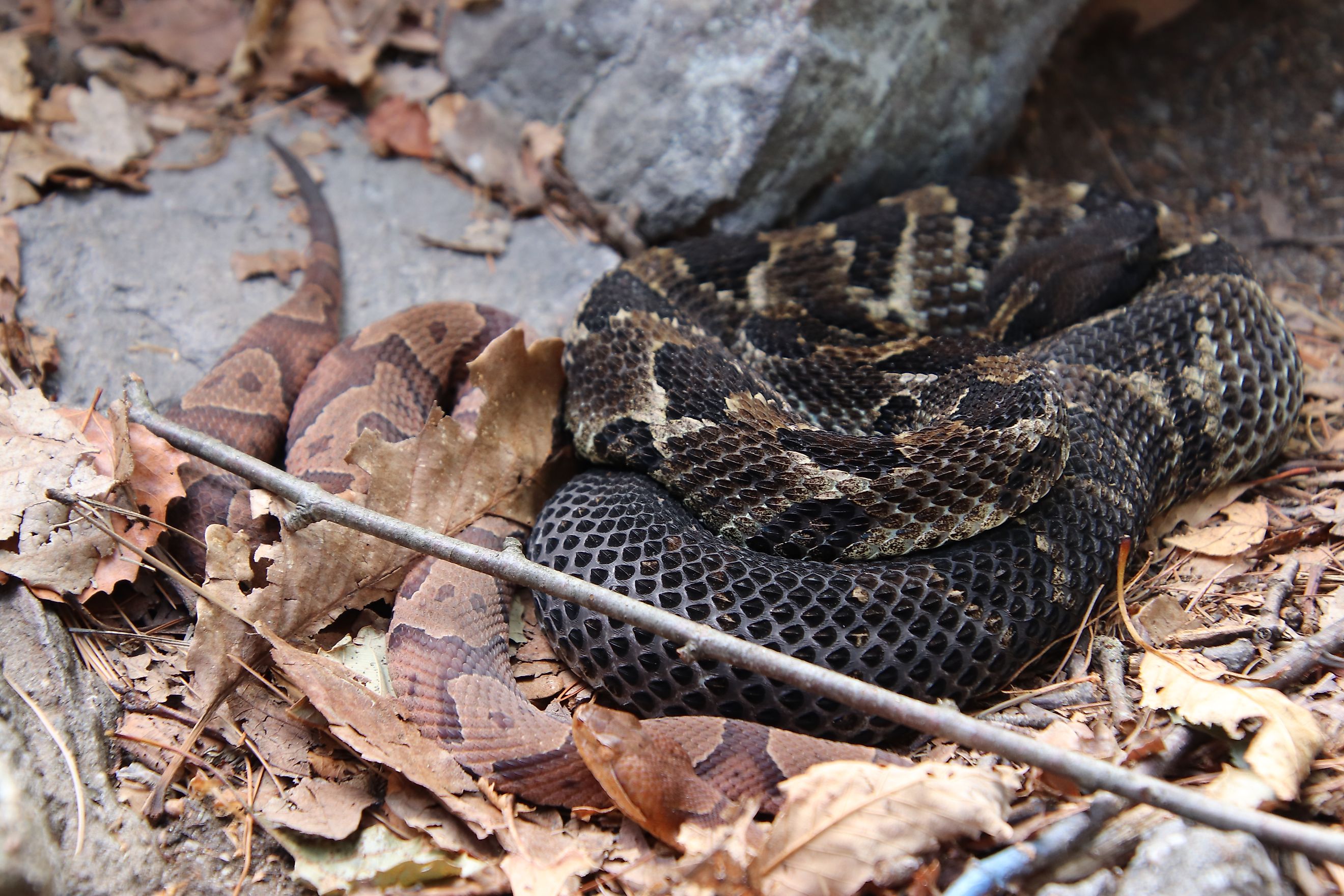
Why Snakes Do Not Actually Hibernate
Ask most people what snakes do in winter and they will tell you, quite confidently, that snakes hibernate. It is a perfectly reasonable answer, and it is also technically wrong. Snakes do spend the cold months in a sluggish, dormant state, but what they are doing is not true hibernation at all; it is a related but distinct process called brumation. The difference comes down to the simple fact that snakes are cold-blooded, and it quietly changes everything about how they survive the winter. Here is why snakes do not actually hibernate, and what they do instead.
Hibernation Is a Mammal Thing

True hibernation is something only warm-blooded animals can really pull off. Mammals like bears, groundhogs, and bats deliberately drop their own body temperature and heart rate, slow their breathing to a crawl, and sink into a deep, continuous sleep that can last for weeks or even months at a stretch. Crucially, they do all this on an internal schedule, burning through stored body fat and generally not waking to eat or drink the entire time. It is an active, tightly regulated shutdown of a warm body, which is exactly the kind of thing a snake's body is simply not built to do.
Snakes Brumate Instead

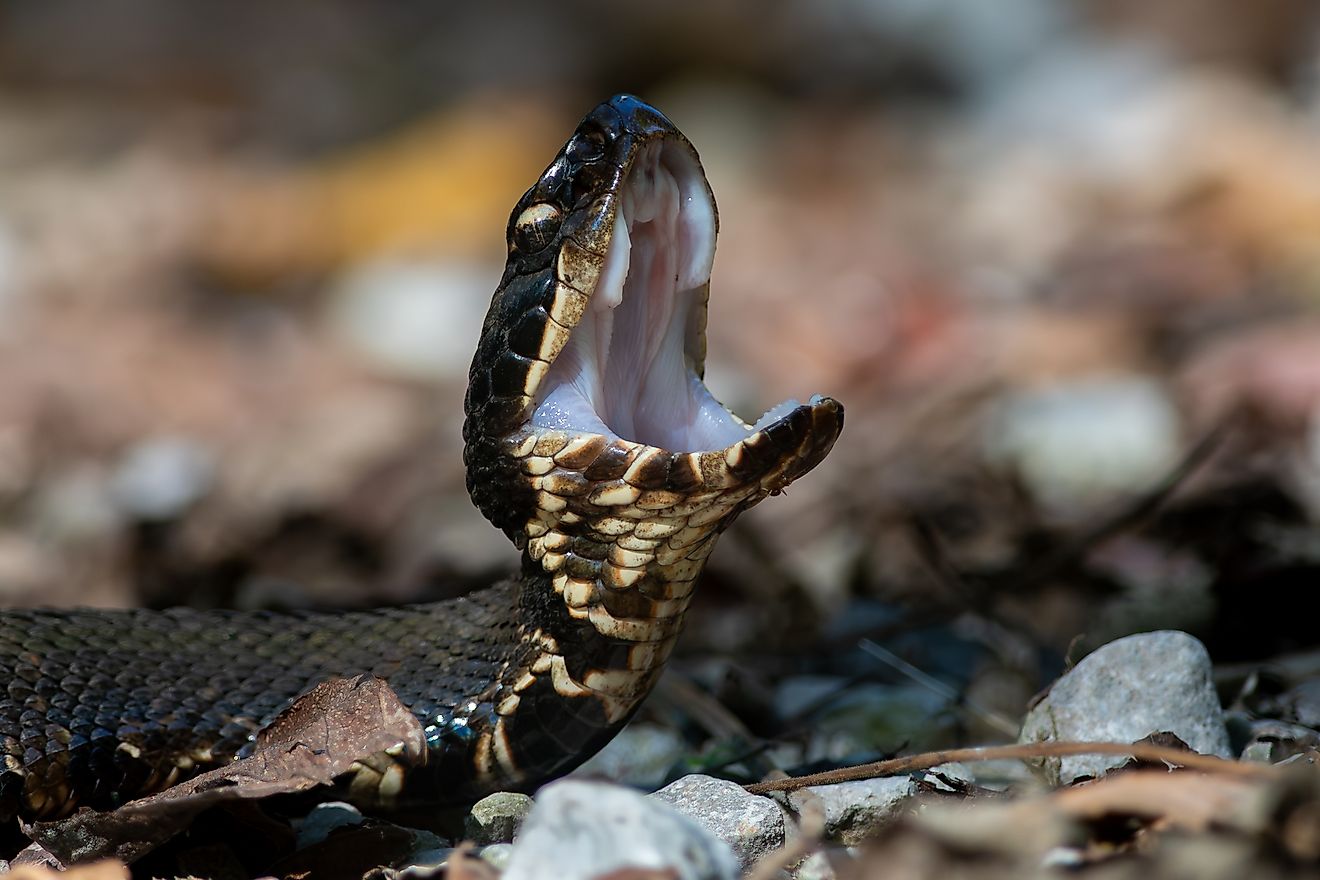
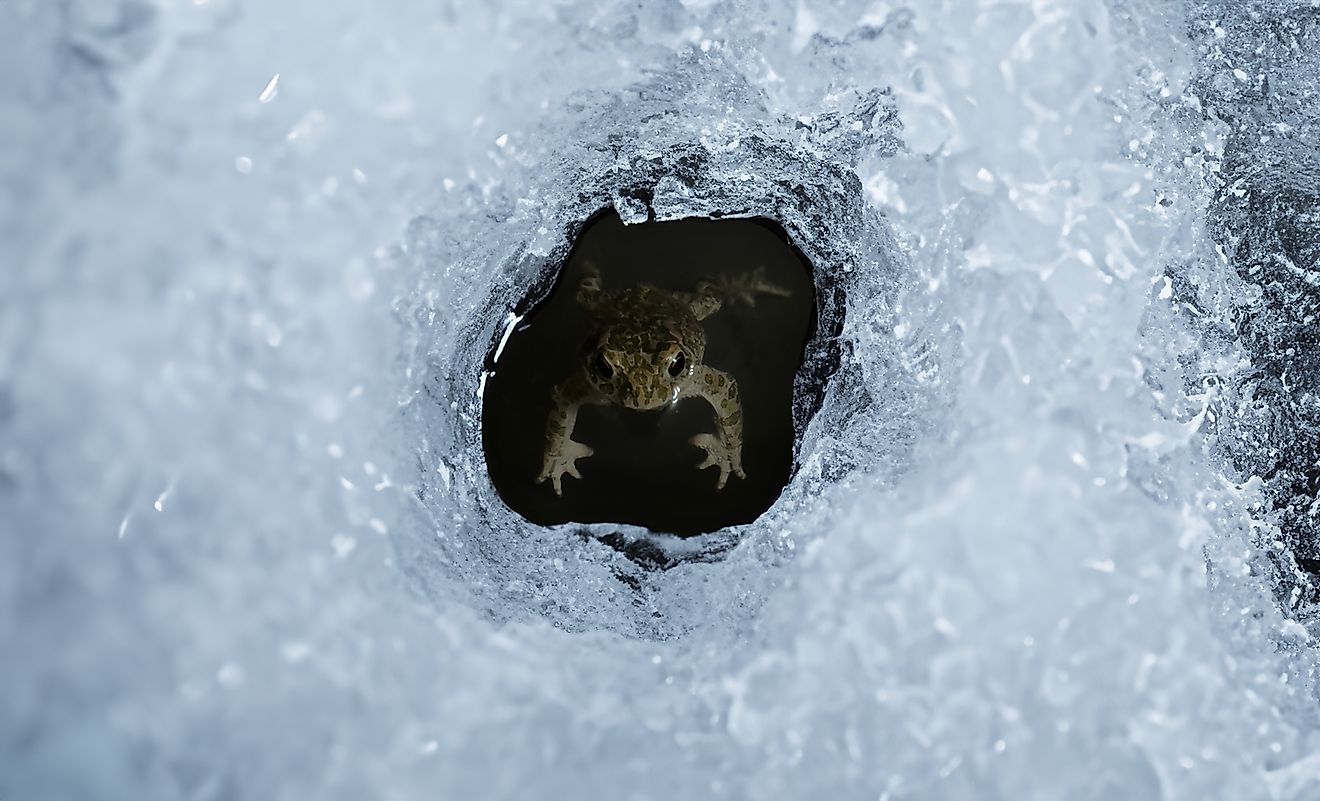
What snakes actually do is brumate, the cold-weather dormancy of reptiles and amphibians. On the surface it looks a lot like hibernation: the snake stops moving much, its metabolism can slow by as much as 90 percent, and it hunkers down to wait out the cold. But brumation is a lighter, less extreme version of the deep mammalian shutdown. A brumating snake's systems slow dramatically, yet they never plunge to the profound depths of a true hibernator's. It is winter survival, done cold-blooded style.
The Key Difference: They Stay Awake

The biggest difference is that a brumating snake never truly falls asleep. Where a hibernating mammal is deeply unconscious for the duration, a brumating snake stays semi-aware and responsive the whole time, just slow and lethargic. It is also driven by the weather rather than a fixed internal clock, so on an unseasonably warm winter day a snake can rouse itself, slither out to bask or take a drink of water, and then slip back into dormancy once the cold returns. In other words, brumation is not a door that locks; it is more like a long, light doze that a snake can surface from whenever conditions allow.
Why Snakes Can't Hibernate

The reason snakes cannot truly hibernate comes down to basic biology. They are ectotherms, which means they generate no body heat of their own and cannot control their internal temperature the way a mammal can. A hibernating bear actively manages its own body as it powers down for the winter, but a snake has no such control; it can only match the temperature around it and slow to a halt. On top of that, snakes still need to drink during the winter to avoid dehydration, which is part of why they rouse on warmer days, whereas a hibernating mammal can go the entire season without a single sip.
What Brumation Looks Like

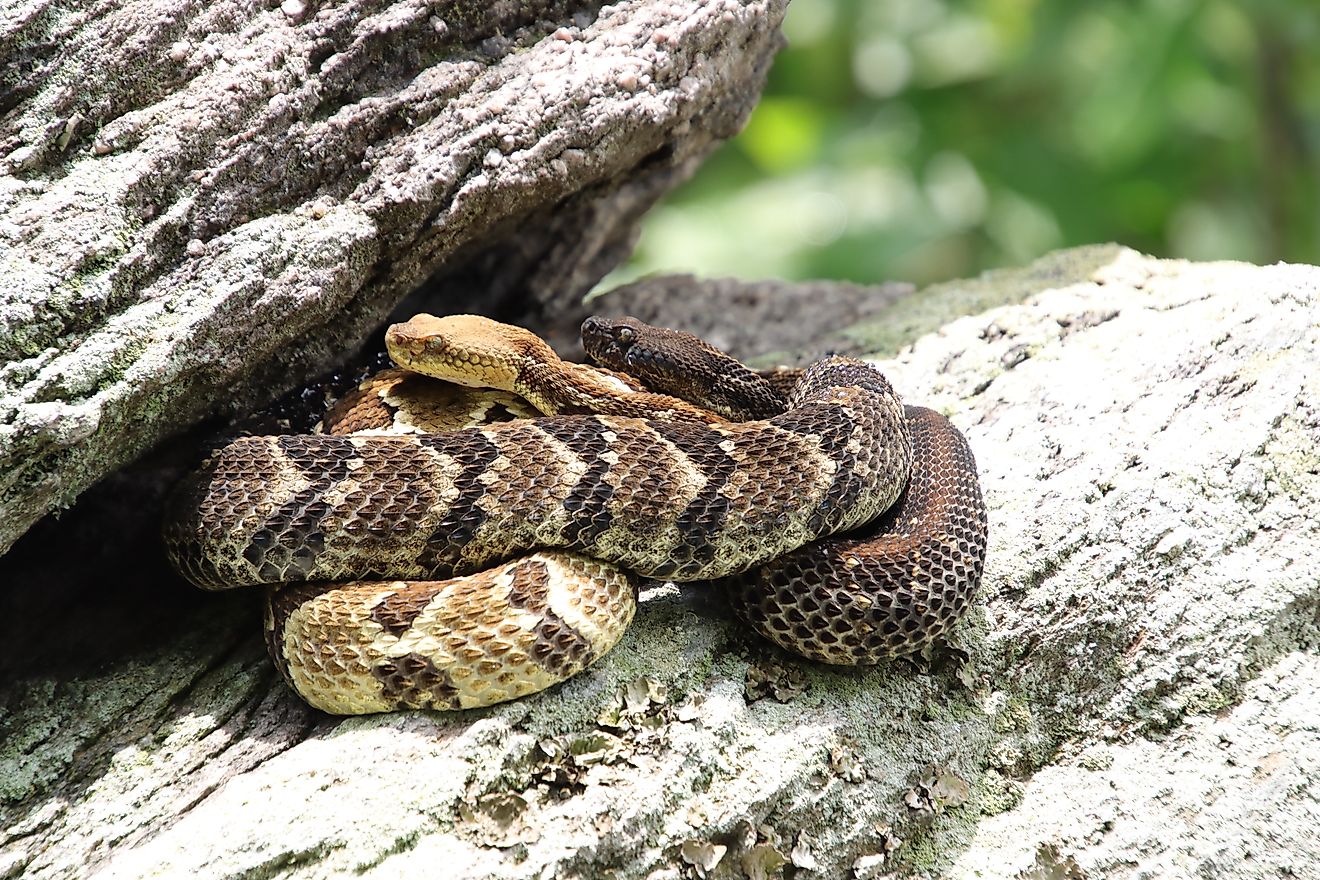
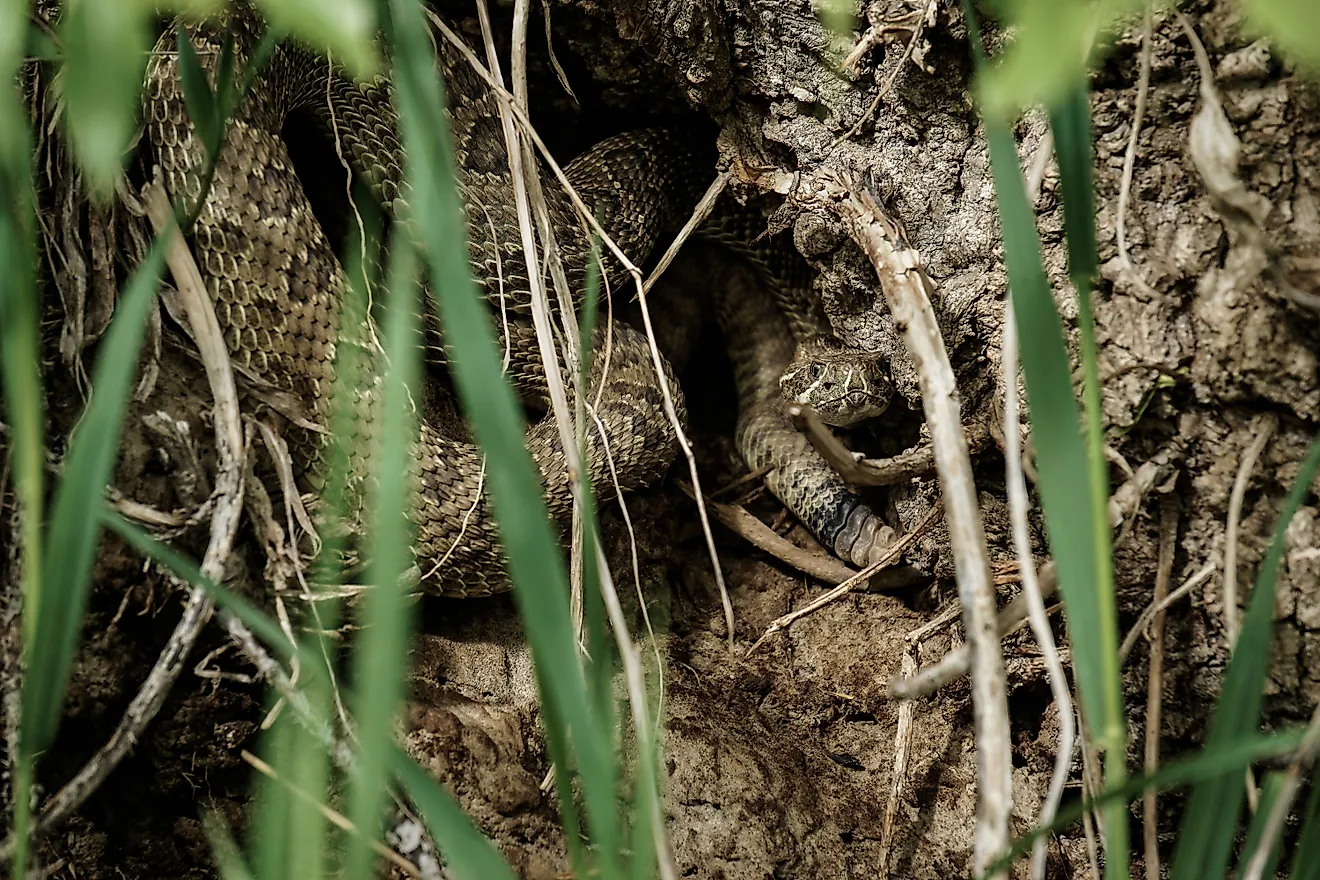
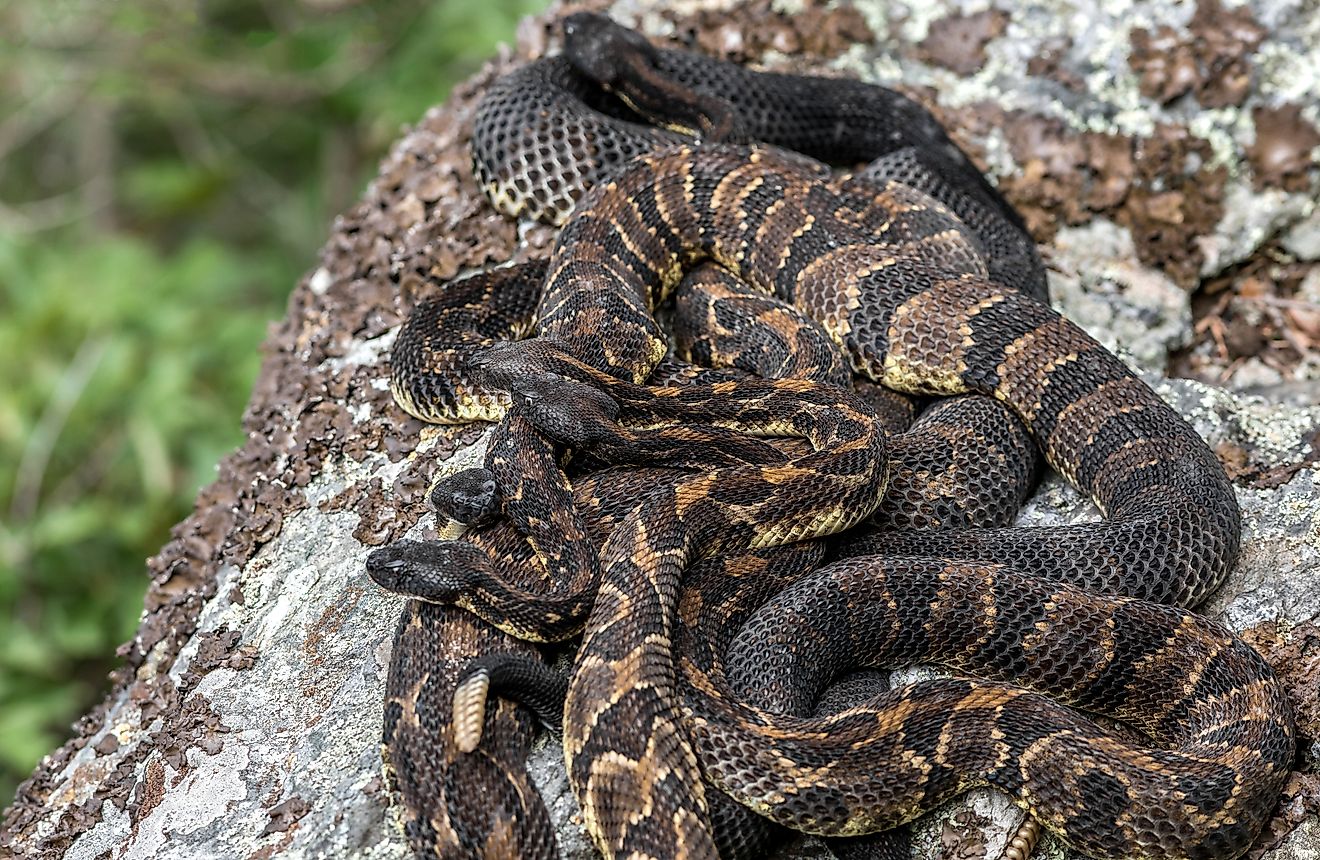
In practice, brumation sends snakes underground as the days shorten and the temperatures fall. They retreat into a sheltered den, called a hibernaculum, below the frost line, often packing in communally and sometimes even alongside entirely different species. Their heart rate and metabolism drop to a bare minimum, and they stop eating altogether, since they cannot digest food in the cold and clear out their guts beforehand, living instead off stored fat and sugars. There they wait out the winter, stirring only briefly on mild days before finally emerging in spring. It is also exactly why, on a surprisingly warm afternoon in the dead of winter, you might spot a snake that is very much not asleep. So the next time someone says snakes hibernate, you can gently correct them: snakes brumate, and that one cold-blooded difference is the whole reason they can wake up to greet a warm winter day.