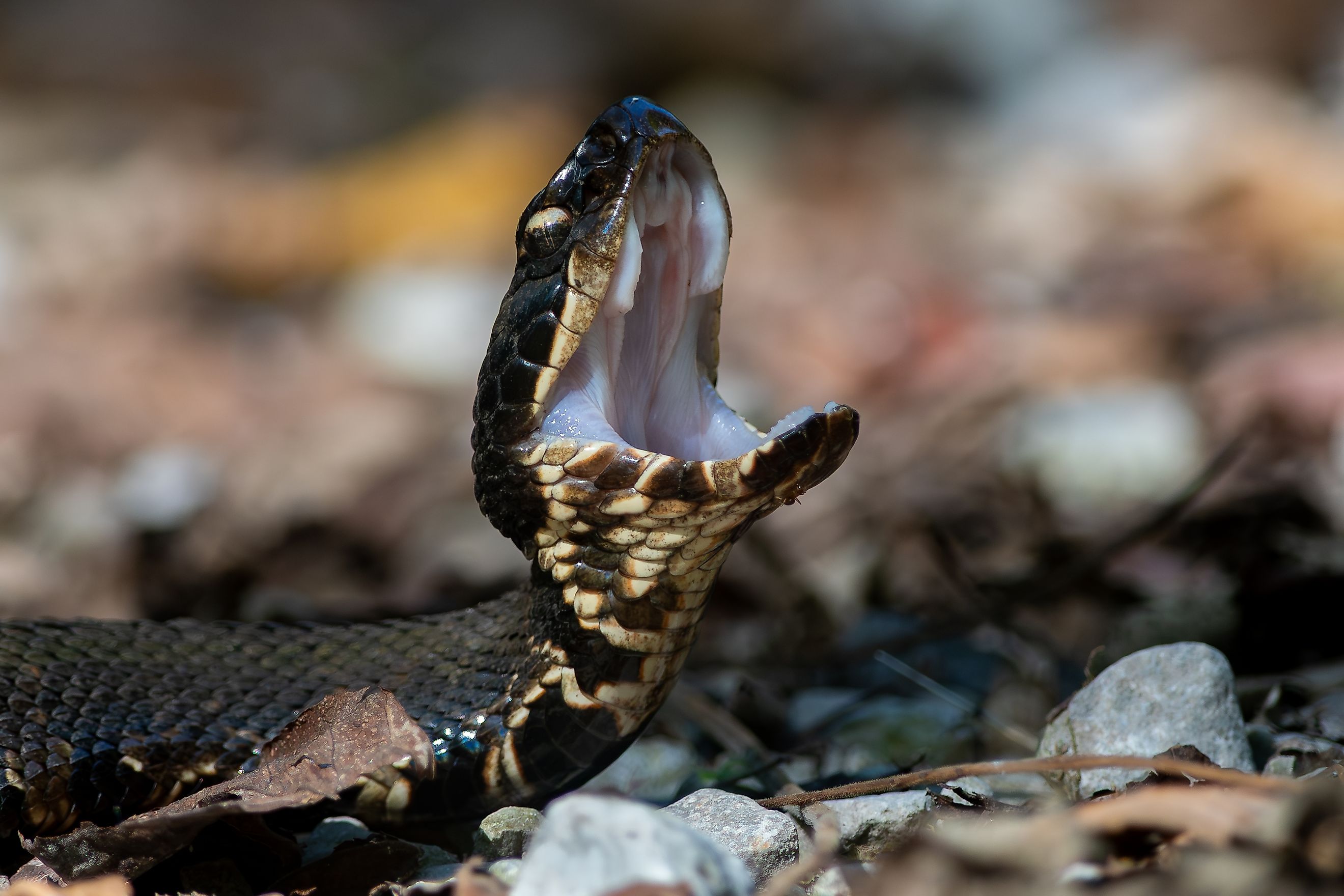
How Long A Snake Can Still Bite After It Is Dead
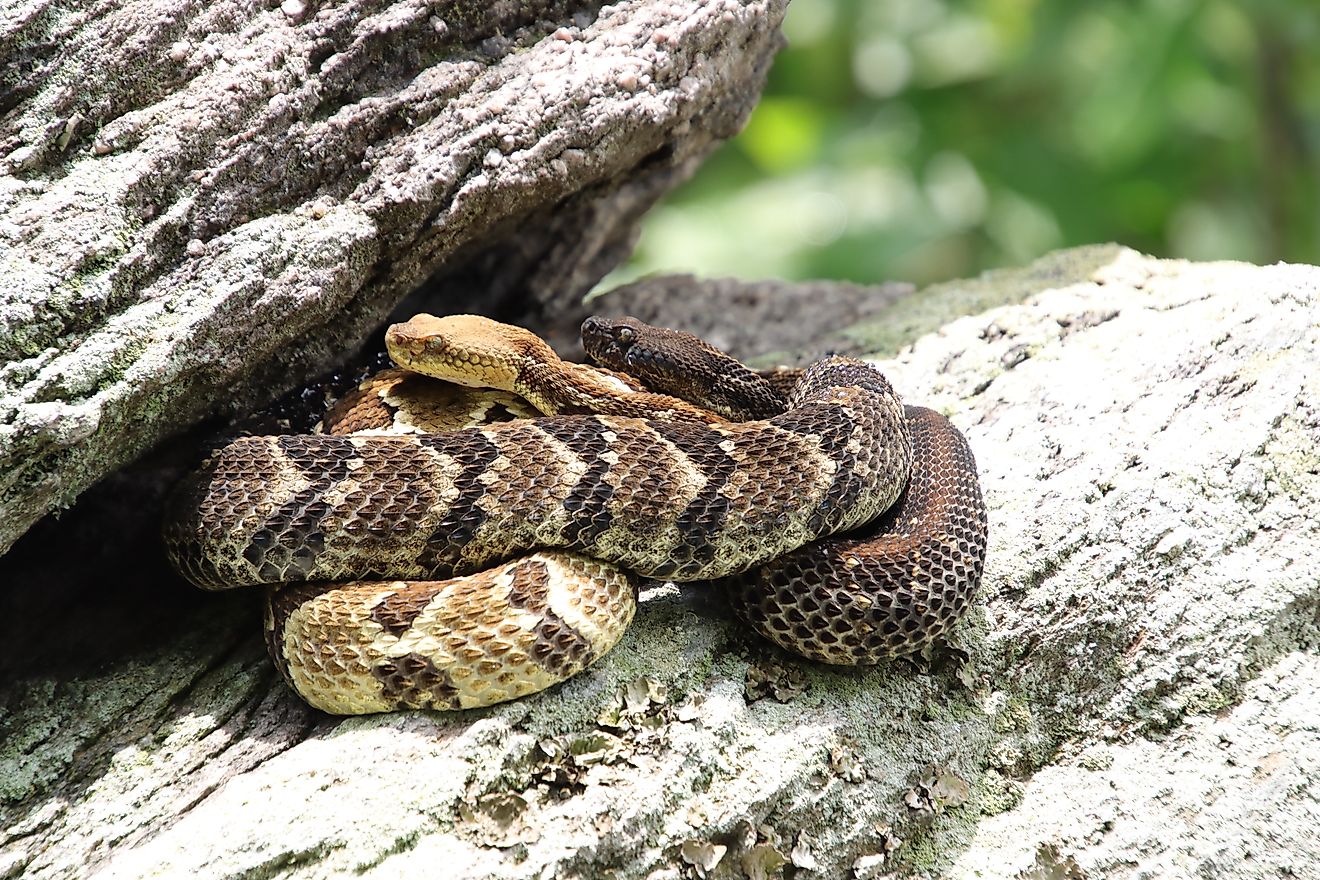
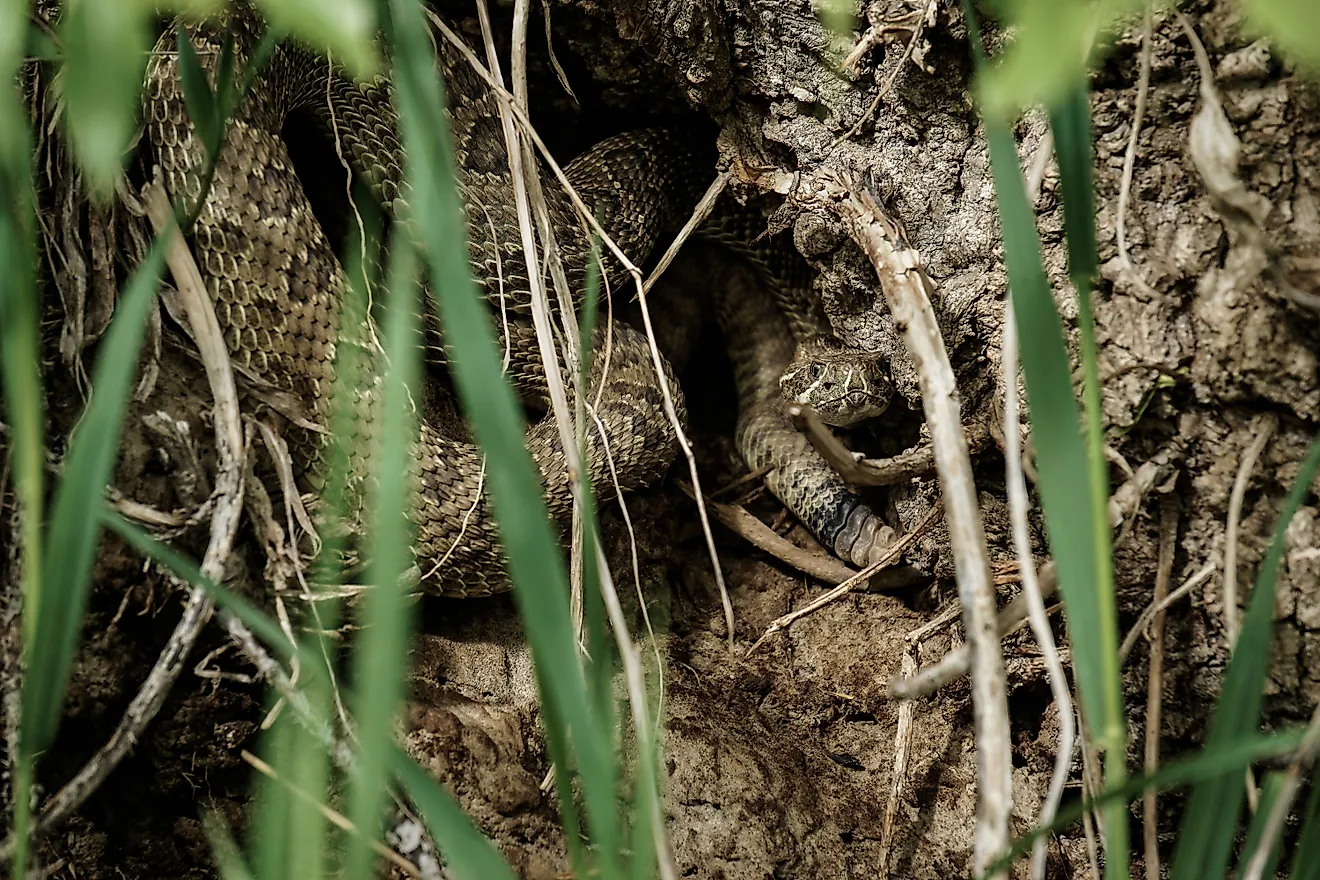
It sounds like something out of a horror movie, but it is entirely true: a venomous snake you have just killed can still kill you. Even a severed head, lying on the ground with no body attached to it, can rear up, bite, and pump out a full dose of venom. This is not some rare fluke, either, as it has sent people to the hospital and, on occasion, to the morgue. So exactly how long does a dead snake stay dangerous? Here is how long a snake can still bite after it is dead, and the strange biology behind it.
The Short Answer: Up to an Hour

A freshly killed or decapitated venomous snake can still deliver a reflexive, fully venomous bite for a surprisingly long time, generally up to about an hour after death. Classic experiments by the famous rattlesnake researcher Laurence Klauber pinned the most dangerous window at roughly 20 to 60 minutes after decapitation, and some cases have seen a reaction last even longer. The severed head does not need to be "alive" in any meaningful sense in order to be deadly. For that entire stretch of time, it should be treated exactly as though the snake were still alive and coiled.
How a Dead Snake Bites

The key is that a snake's bite is largely a reflex, not a conscious decision. Striking and injecting venom runs on a reflex arc, a loop of nerves that fires in response to touch or heat without ever needing instructions from the brain. So when a warm hand reaches toward a severed head, the heat-sensing pits and the receptors in the mouth register the stimulus and trigger the snap automatically, brain or no brain. It is the same grim principle as a headless chicken running around a barnyard, except that this one comes equipped with fangs and a venom supply.
Why Snakes Stay Dangerous So Long
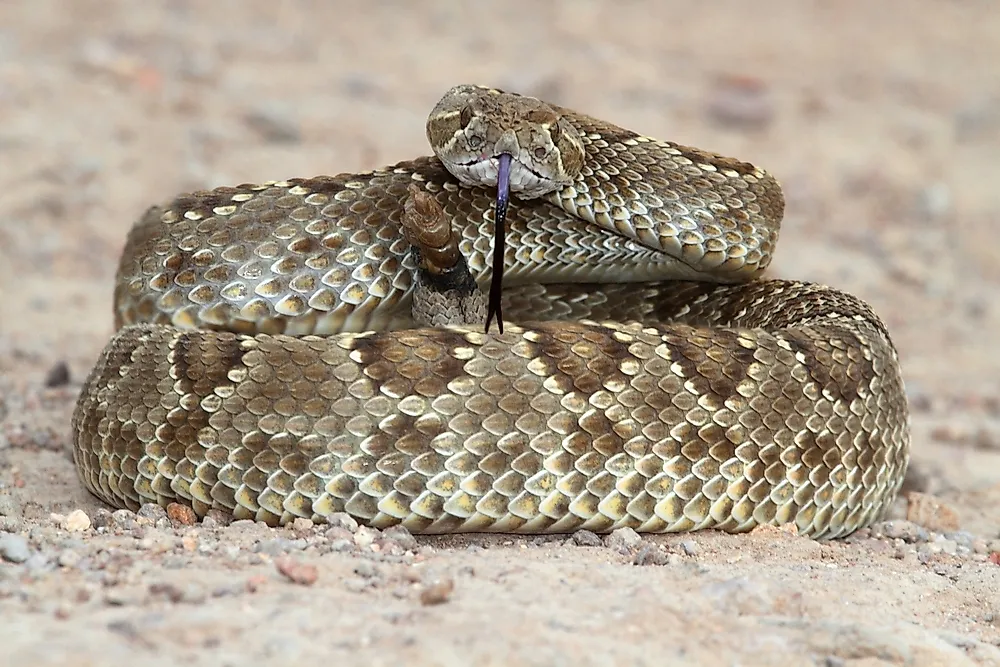
The reason that reflex lasts so long comes down to the fact that snakes are cold-blooded. Unlike warm-blooded mammals, whose tissues begin shutting down within minutes without a steady flood of oxygen, a reptile's nerves and muscles get by on very little, so they keep functioning well after the heart has stopped. The severed head, and often the headless, writhing body, can therefore stay responsive for up to an hour or more. In cool conditions, when a snake's metabolism runs slower still, that window of danger can stretch out even further.
A Dead Bite Can Be Worse

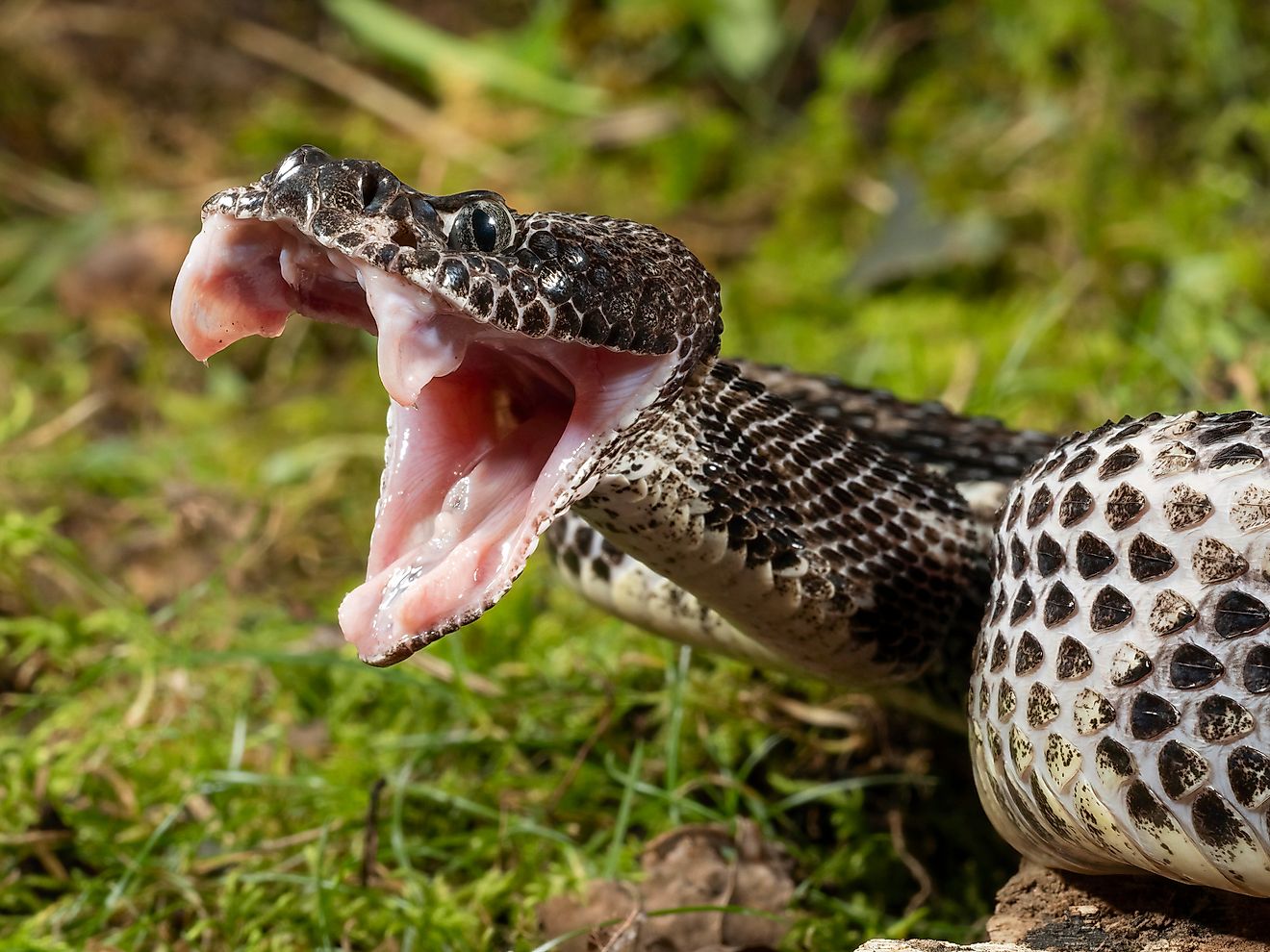
Here is the truly alarming part: a bite from a dead snake can actually be more dangerous than one from a live one. The venom glands remain fully loaded and functional, and a severed head, with no living body left to regulate it, will often discharge its entire supply of venom in a single bite rather than metering out a smaller dose. That is exactly what happened to a Texas man in 2018 who decapitated a western diamondback rattlesnake with a shovel, then bent down to pick up the head, only for it to bite his hand and inject everything it had. He suffered seizures, internal bleeding, and vision loss, and survived only after receiving an astonishing 26 doses of antivenom.
What to Do With a Dead Snake

The practical rule could not be simpler: never, ever touch the head of a dead or decapitated venomous snake, and treat the whole animal as live for at least an hour after it appears to be dead. If you absolutely must move it, use a long-handled shovel or tool rather than your hands, and dispose of the head carefully somewhere no one will stumble across it. Better still, do not put yourself in that situation to begin with. The great majority of snakebites happen precisely when people try to catch, kill, or handle a snake, so the safest move with any snake, living or dead, is simply to give it a wide berth and leave it be. A snake may be dead, but for up to an hour its bite very much is not, which is one more excellent reason to admire these animals strictly from a distance.