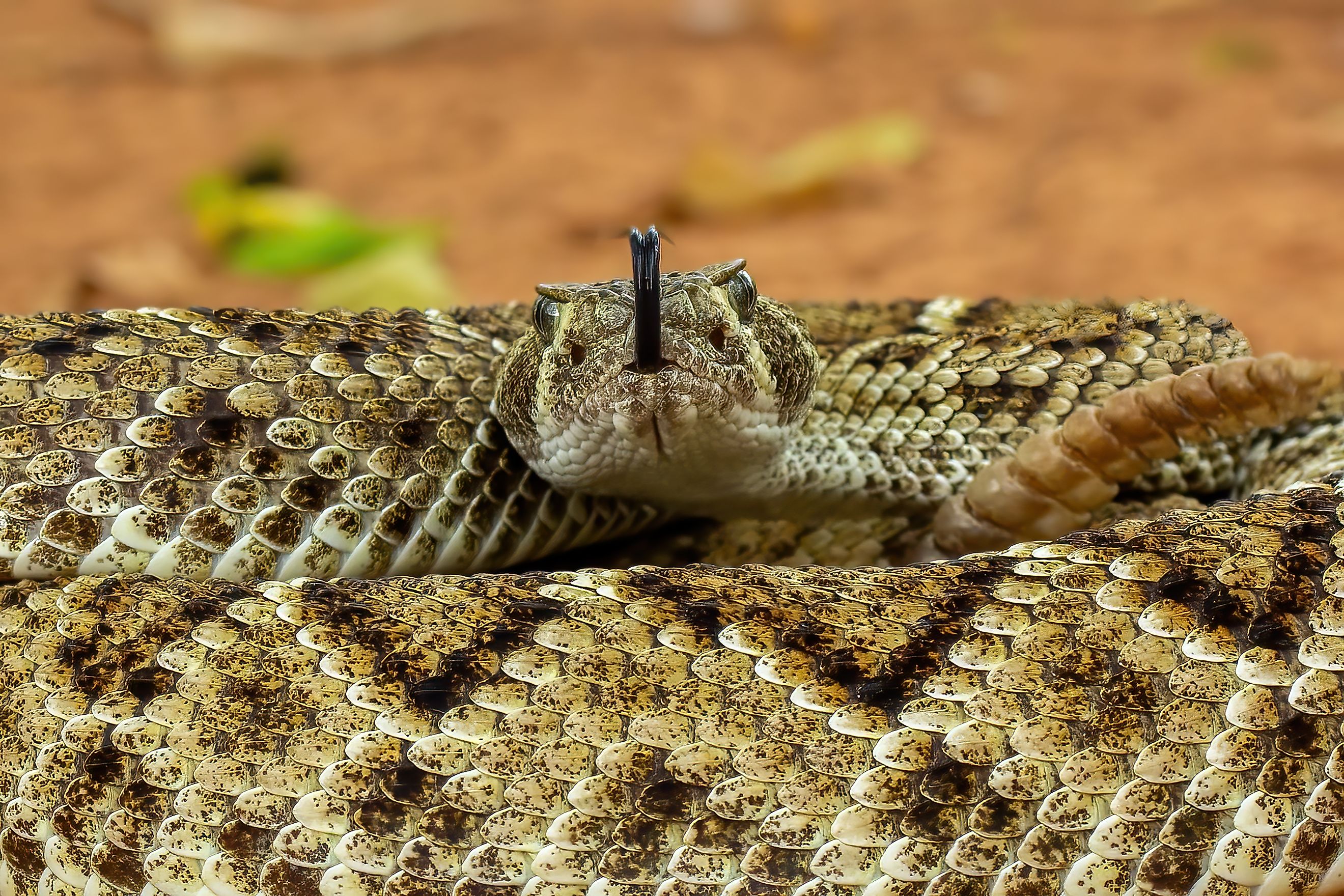
How Cold It Has To Get Before Rattlesnakes Stop Moving
A rattlesnake has no internal thermostat. It cannot shiver, sweat, or burn calories to warm itself up, so it runs entirely on heat borrowed from its surroundings, which effectively makes temperature its on-off switch. So exactly how cold does it have to get before a rattlesnake grinds to a halt? Here is the answer, broken down degree by degree.
They Run on Borrowed Heat

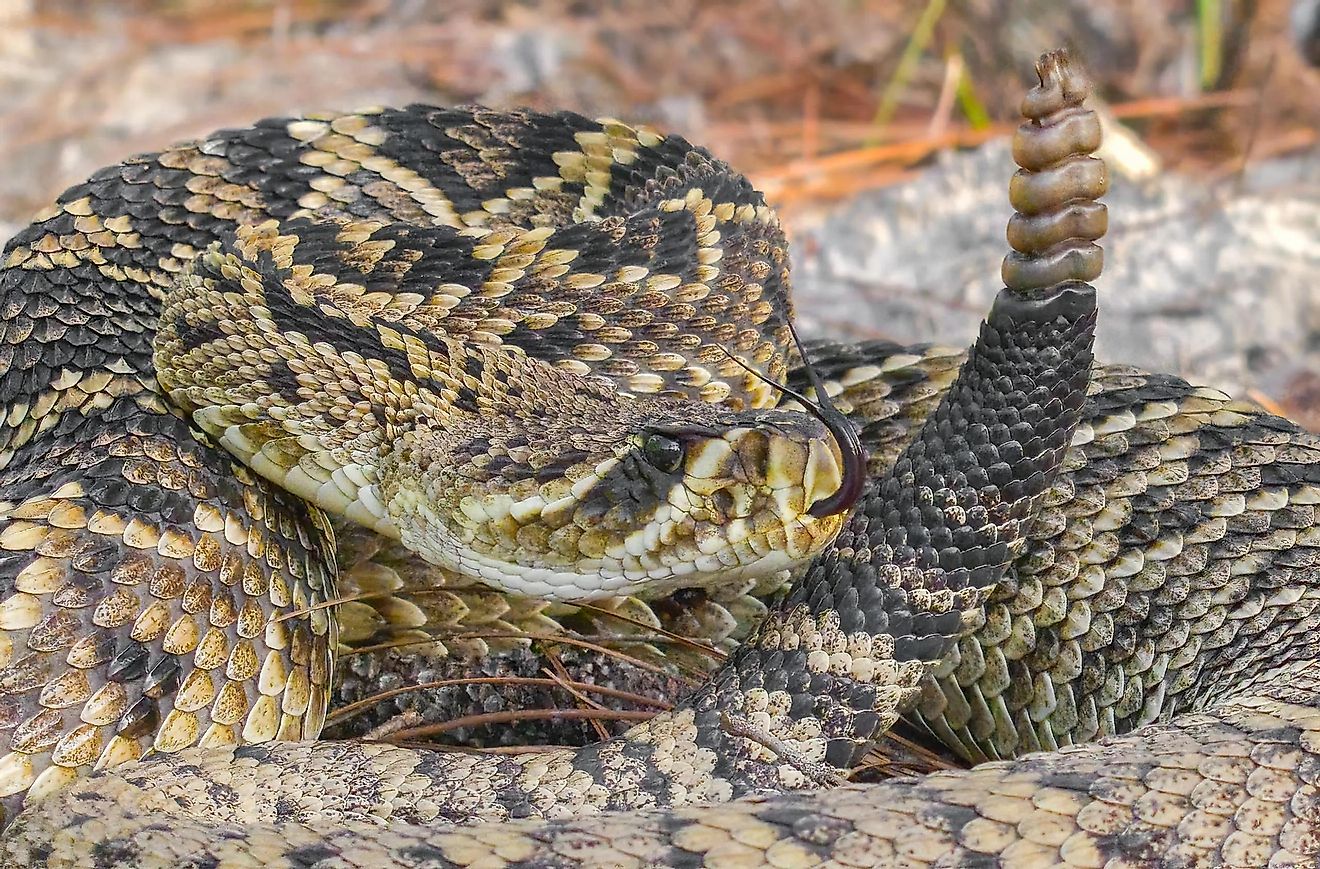
Rattlesnakes are ectotherms, which is the technical word for cold-blooded. Unlike you, they produce almost no body heat of their own, so their internal temperature simply tracks the air and ground around them. That means everything a rattlesnake does, slithering, striking, digesting a meal, even reacting fast enough to flee, speeds up when it is warm and slows to a crawl when it is cold. To get moving at all on a chilly morning, a snake first has to bask in the sun or press itself against warm rock to borrow some heat.
The Sweet Spot: 70 to 90°F

A rattlesnake runs best, and is at its most dangerous, when temperatures sit roughly between 70 and 90°F. That is the range where its muscles fire quickly, its venom works efficiently, and it can actually digest a meal. But heat cuts both ways. Push past about 95°F and the snake starts hunting for shade, and sustained temperatures above 110°F can kill it within minutes. That is exactly why desert rattlesnakes disappear on blazing summer afternoons and come out to hunt after dark. In the peak of summer, it is the heat, not the cold, that shuts them down.
Around 60°F, They Get Sluggish
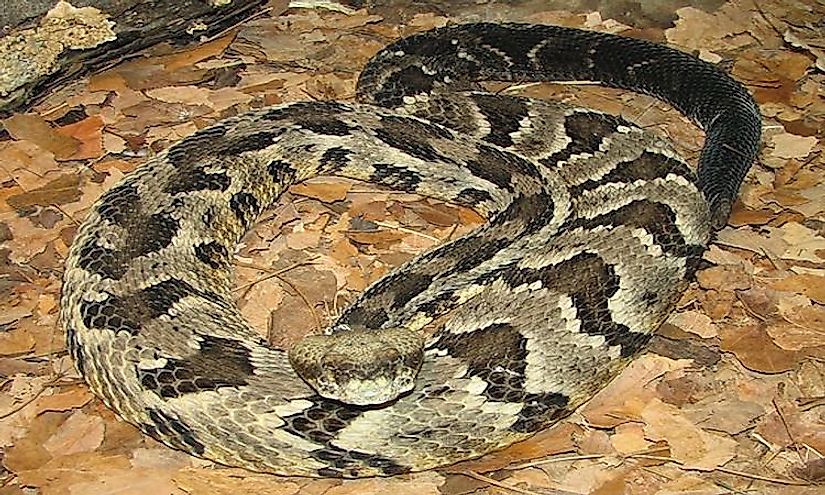
As the mercury slides below roughly 60°F, a rattlesnake visibly downshifts. Its metabolism can fall by a third to a half, which means slower movement, slower reflexes, and slower digestion, everything running on a delay. The snake is still awake and still able to move, just distinctly lethargic. This is the temperature at which seasoned hikers and yard workers start paying closer attention in the fall, because a cool, slow rattlesnake is still a fully functioning one, just a groggier version.
Around 50°F, They Basically Stop

Keep dropping toward 50°F, and the engine essentially stalls. Near and below that mark, a rattlesnake's muscular coordination falls apart. It can no longer travel, hunt, or properly digest food, and it retreats into whatever insulated shelter it can reach. This, give or take, is the real answer to the question: a rattlesnake effectively stops moving once ground temperatures hold around 50°F. It is not a razor-sharp line, since body size, species, sunshine, and how long the cold lasts can all nudge it a few degrees either way, but 50°F is the ballpark where a rattlesnake simply runs out of go.
Below That, They Brumate
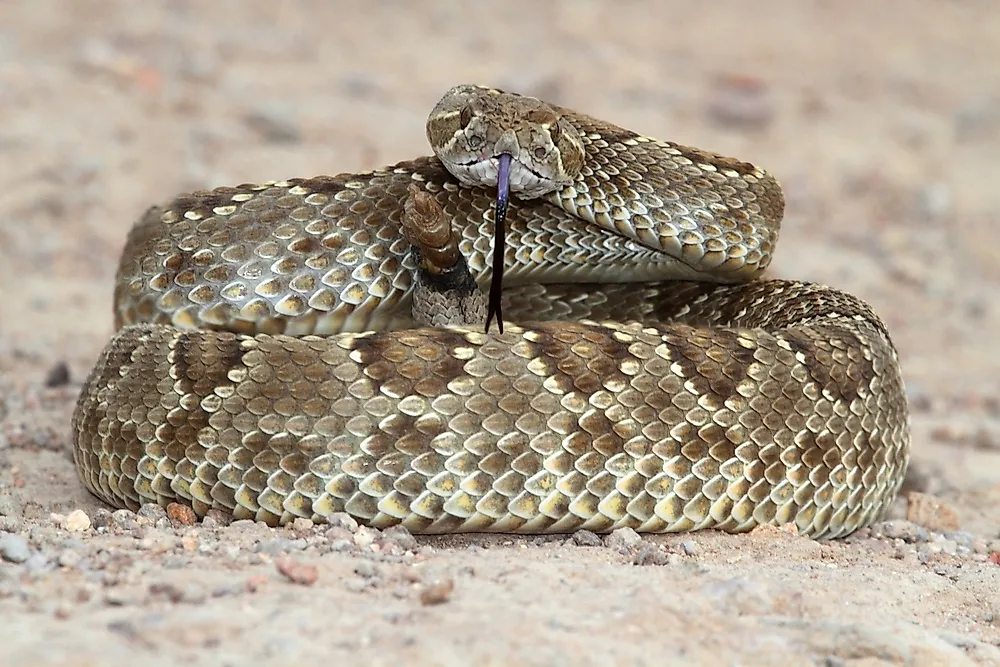
Once the cold truly settles in, rattlesnakes do not actually hibernate; they brumate. Their metabolism, heart rate, and digestion all plunge, and the snakes hole up in frost-free dens called hibernacula, often rocky crevices below the frost line, sometimes crowded in by the dozens. They will spend three to five months down there in the north, emerging again in March or April once daytime temperatures climb back to around 60°F. The denning is a genuine matter of life and death, because below roughly 40°F a rattlesnake cannot flee or strike at all, and freezing temperatures will form ice crystals in its tissues and kill it outright.
A Cold Rattlesnake Can Still Bite
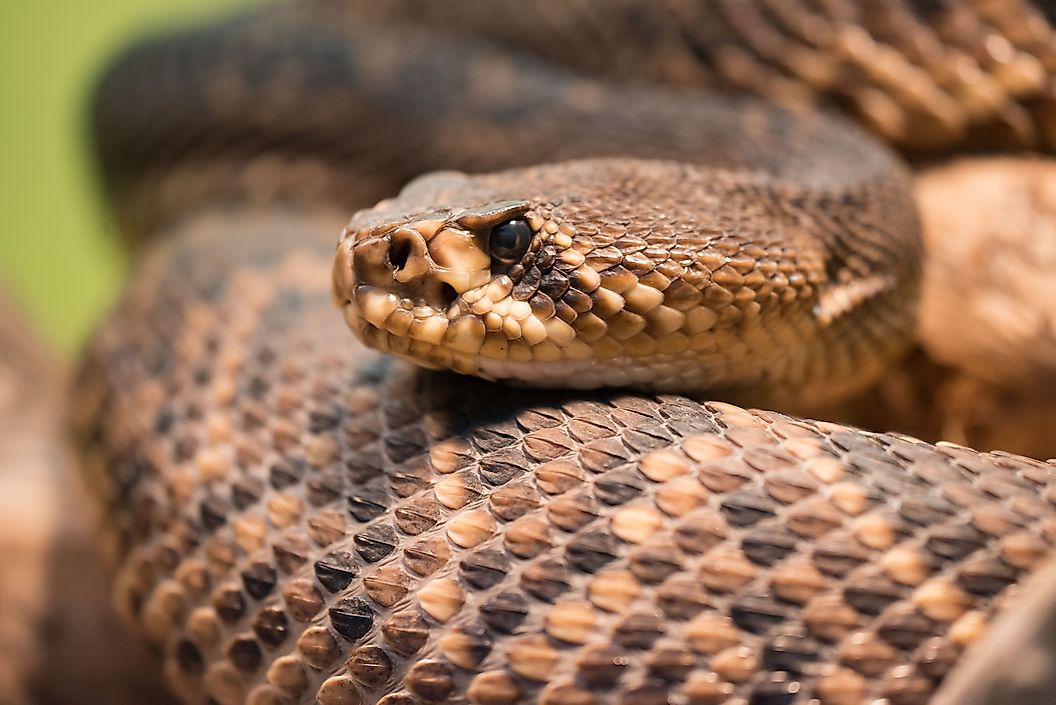
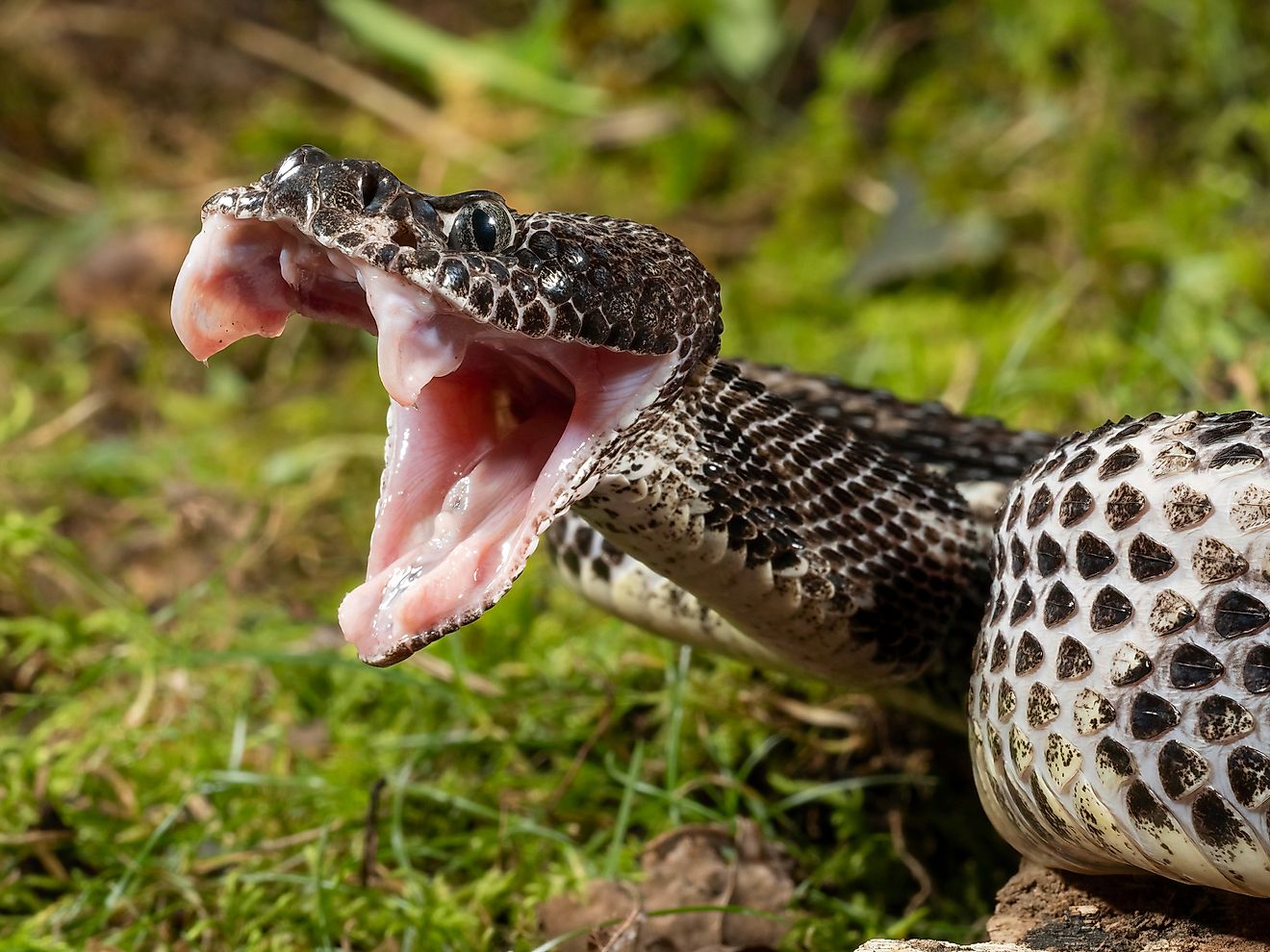
Here is the part worth remembering before you let your guard down around a chilly snake. Brumation is not a door that locks: a sunny 70°F afternoon in December can coax a rattlesnake straight back out onto a warm rock, so "it's winter" is never a guarantee the coast is clear. And a cold, sluggish, barely-moving snake is absolutely not a harmless one, because it can still deliver a full, venomous bite the instant it feels cornered. The takeaway is simple enough. Cold slows rattlesnakes down and eventually switches them off, but slow is not the same thing as safe, so give any snake, warm or cold, a wide and respectful berth.