How Far Rattlesnakes Travel To Reach Their Den
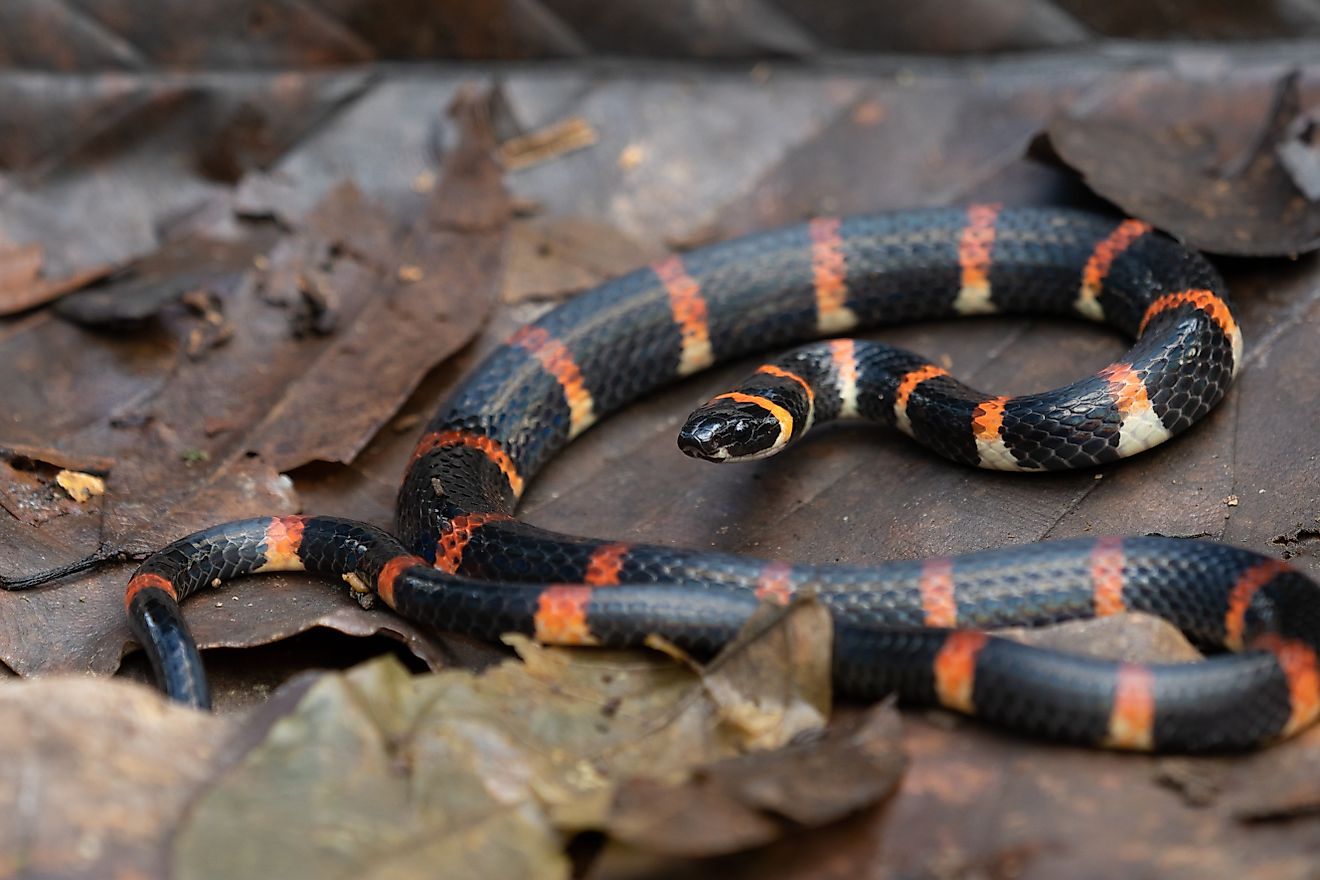
When the weather turns cold, a rattlesnake does not simply duck into the nearest hole and call it winter. Instead, it sets off on a journey back to one specific ancestral den, a spot it may share with dozens of other snakes and that can sit miles from where it spent the summer. Exactly how far it travels depends heavily on the species, and the range turns out to be surprisingly wide. Some barely move at all, while one kind of rattlesnake has been tracked covering distances most people would scarcely believe. Here is how far rattlesnakes travel to reach their den, and how on earth they manage to find it every single year.
They Return to the Same Den Every Year

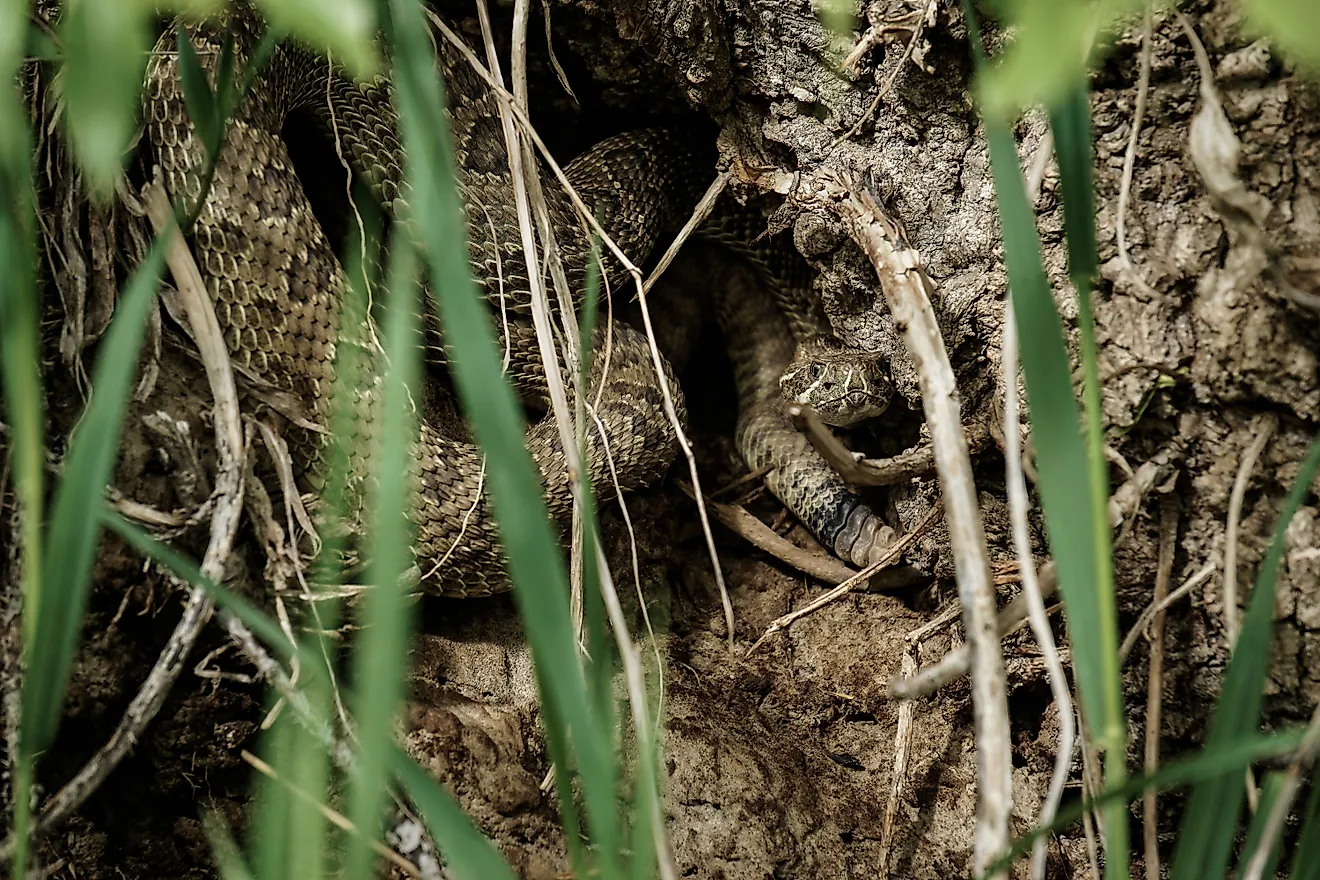
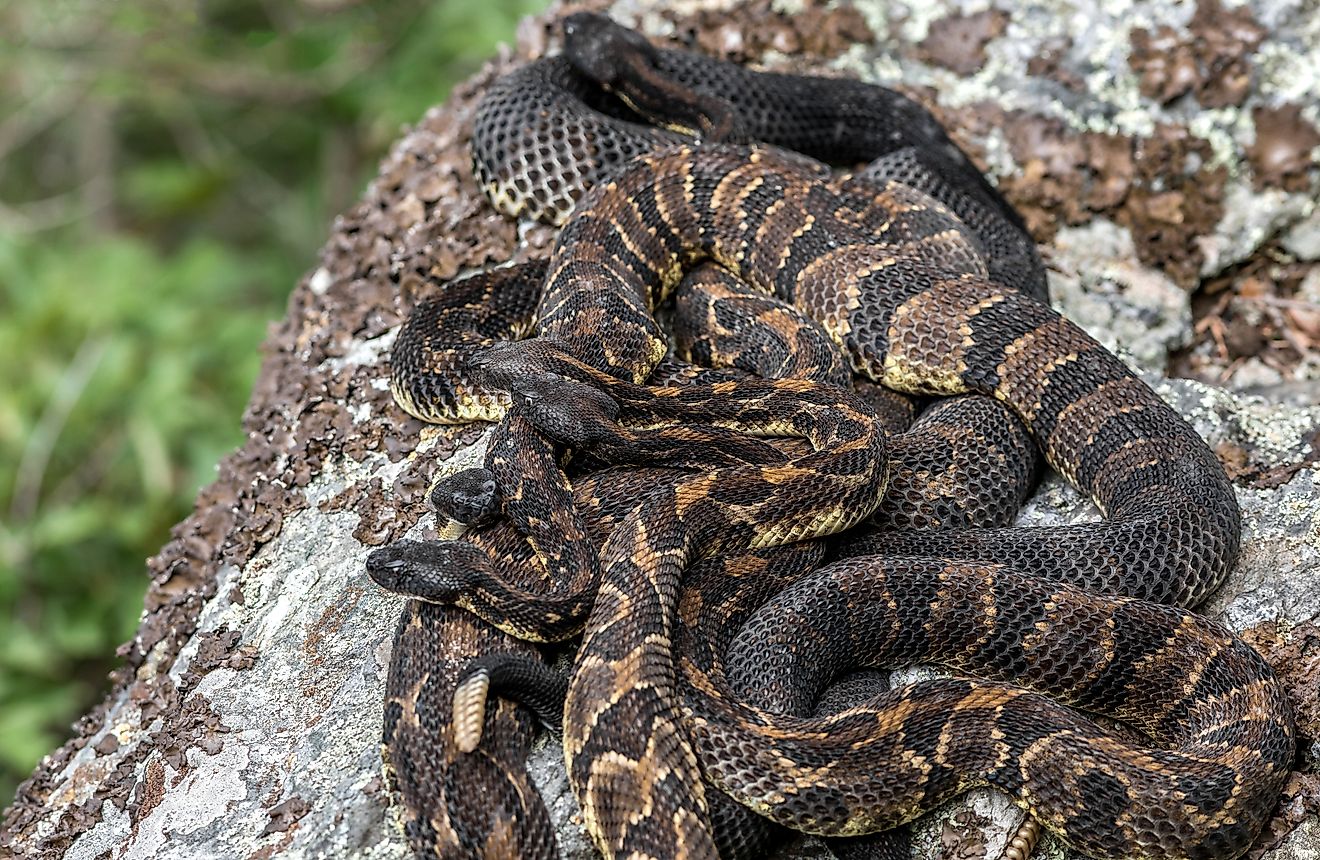
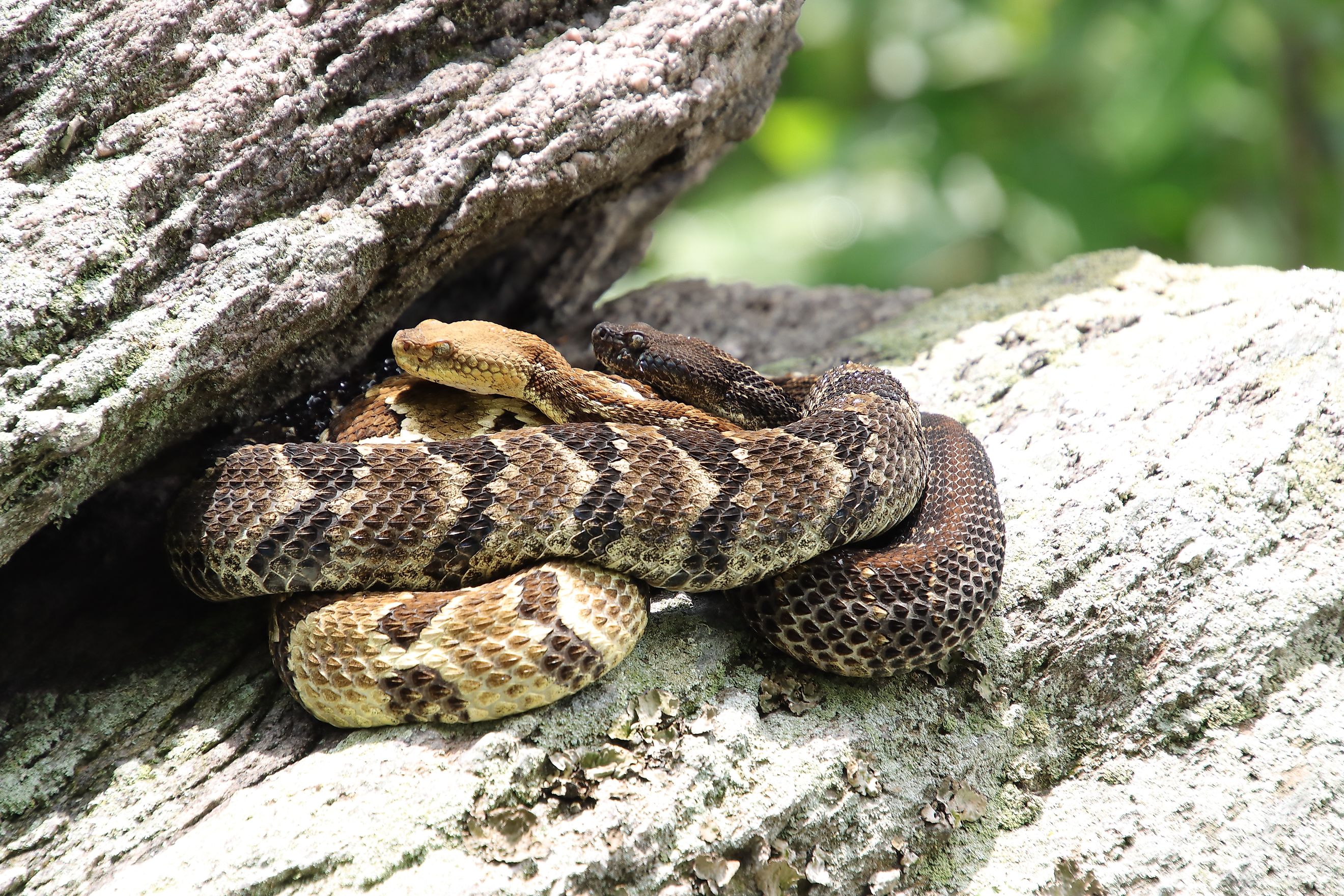
The first thing to understand is that a rattlesnake's winter den, known as a hibernaculum, is not just any shelter; it is a specific, fixed location the snake returns to again and again. These are usually deep rock crevices below the frost line, and rattlesnakes show remarkable fidelity to them, with studies finding that well over 80 percent of individuals come back to the exact same den year after year. Better still, these dens are communal, often sheltering dozens of snakes at once, and sometimes even snakes of entirely different species. The same den can be used by generation after generation across decades, which makes it a genuine ancestral home.
How Far Is the Journey?

Here is where it gets interesting, because the distance varies enormously from one species to the next. Most rattlesnakes travel somewhere between about half a mile and two miles from their den over the course of the active season. Timber rattlesnakes range a bit farther, with males documented up to roughly five miles from the den. But the undisputed long-distance champion is the prairie rattlesnake of the Great Plains, which has been tracked making astonishing migrations of up to 20 kilometers, around 12 miles, from its den in some northern habitats. At the other extreme, certain desert rattlesnakes rarely stray more than half a mile from home.
Males Travel Farther Than Females

It is not only the species that sets the distance, but also the snake's sex. Across the board, male rattlesnakes travel the farthest, especially during the mating season, when they roam widely in search of females and can double or even triple their usual movement. Pregnant females, by contrast, tend to stay much closer to the den, settling near warm, open rock ledges where the extra heat helps their developing young along. So the longest journeys on record almost always belong to wandering males, while the females keep closer to home.
Finding the Way Home

Traveling miles away is one thing; relocating the exact same crevice months later is another challenge entirely. Yet rattlesnakes pull it off with uncanny accuracy. Rather than wandering randomly, a snake moves along a predictable corridor between its den and its summer foraging grounds, a directional route it retraces each year. Scientists believe they navigate using a combination of scent trails left behind by other snakes, familiar landmarks, and the position of the sun, and young snakes making the trip for the very first time can follow the chemical trails of the adults to learn the way to the ancestral den.
Why the Journey Matters
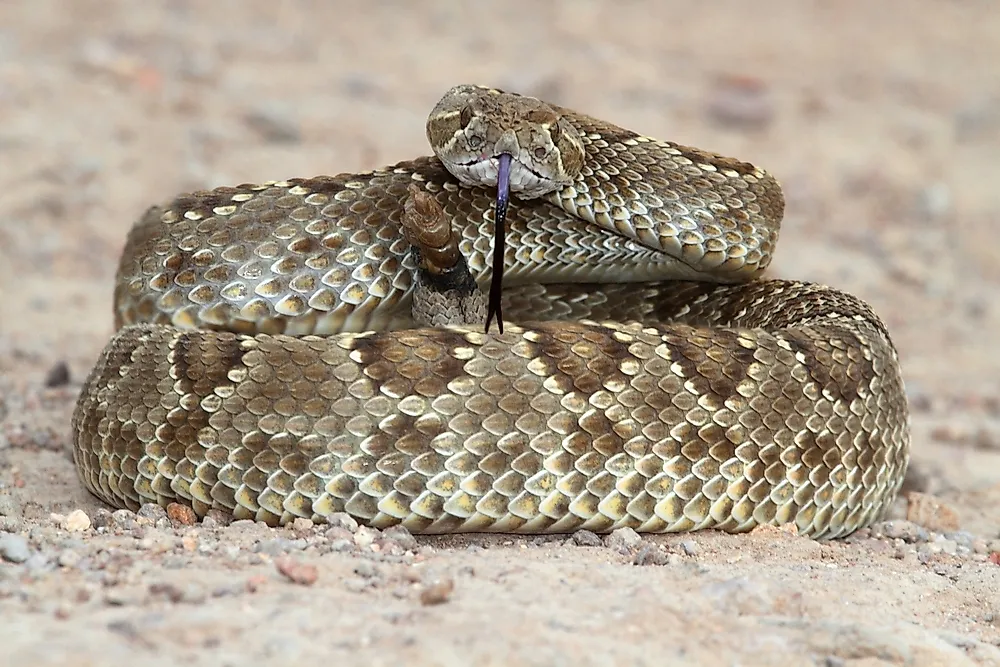
This annual round trip, dispersing outward each spring and converging back on the den each fall, carries real consequences. It means denning rattlesnakes gather out in the open to bask near the entrance in September and October before heading underground, which is exactly when people are most likely to encounter them on the move. It also makes their dens enormously valuable and fragile, because when so many snakes depend on a single site for generations, destroying one den can quietly wipe out a whole local population, and busy roads crossed during migration kill many more. The simplest takeaway is to give any rattlesnake you spot in the fall plenty of room, since it is very likely in the middle of an important journey home.