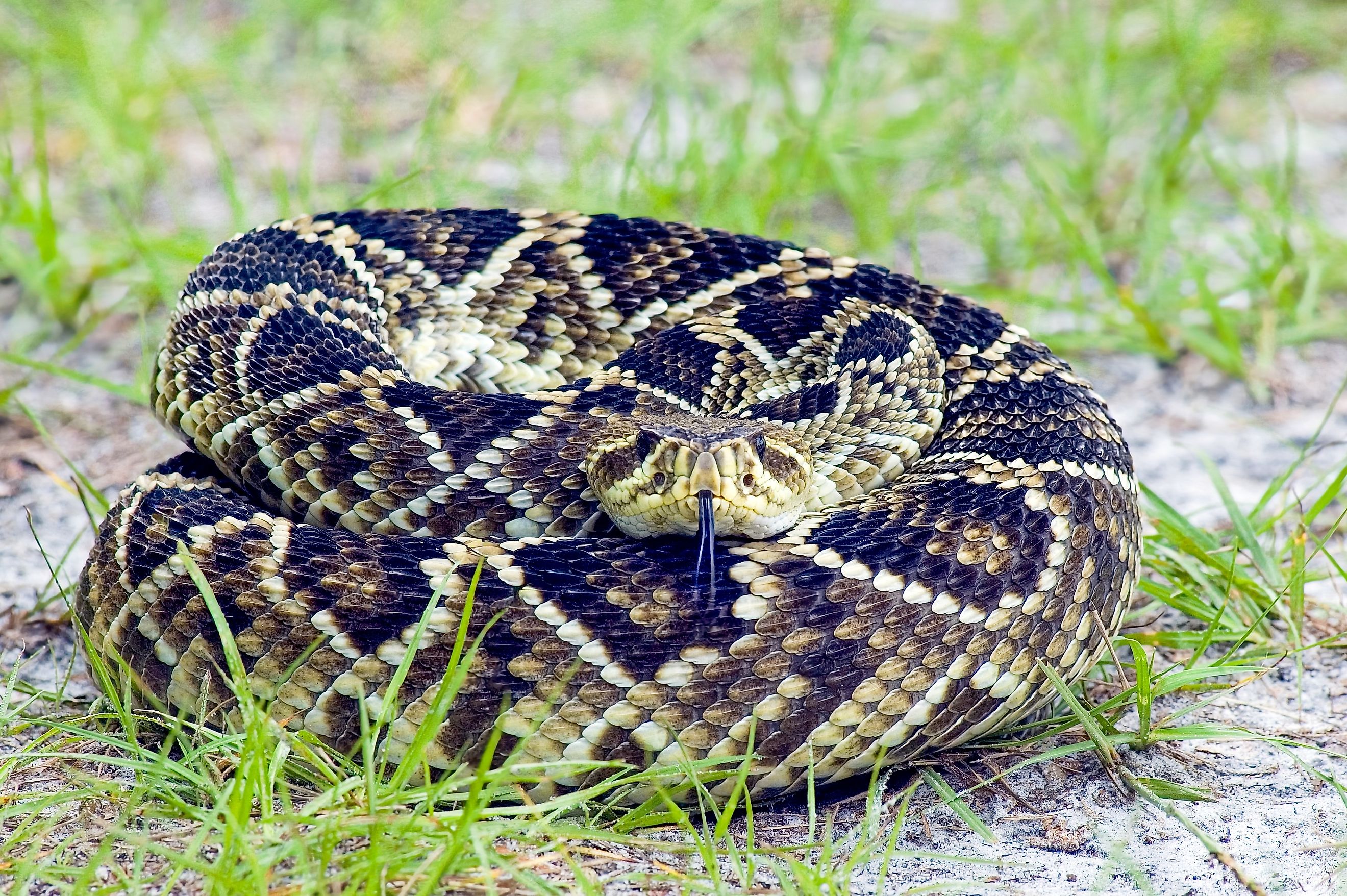
Why Eastern Diamondbacks Den In Gopher Tortoise Burrows
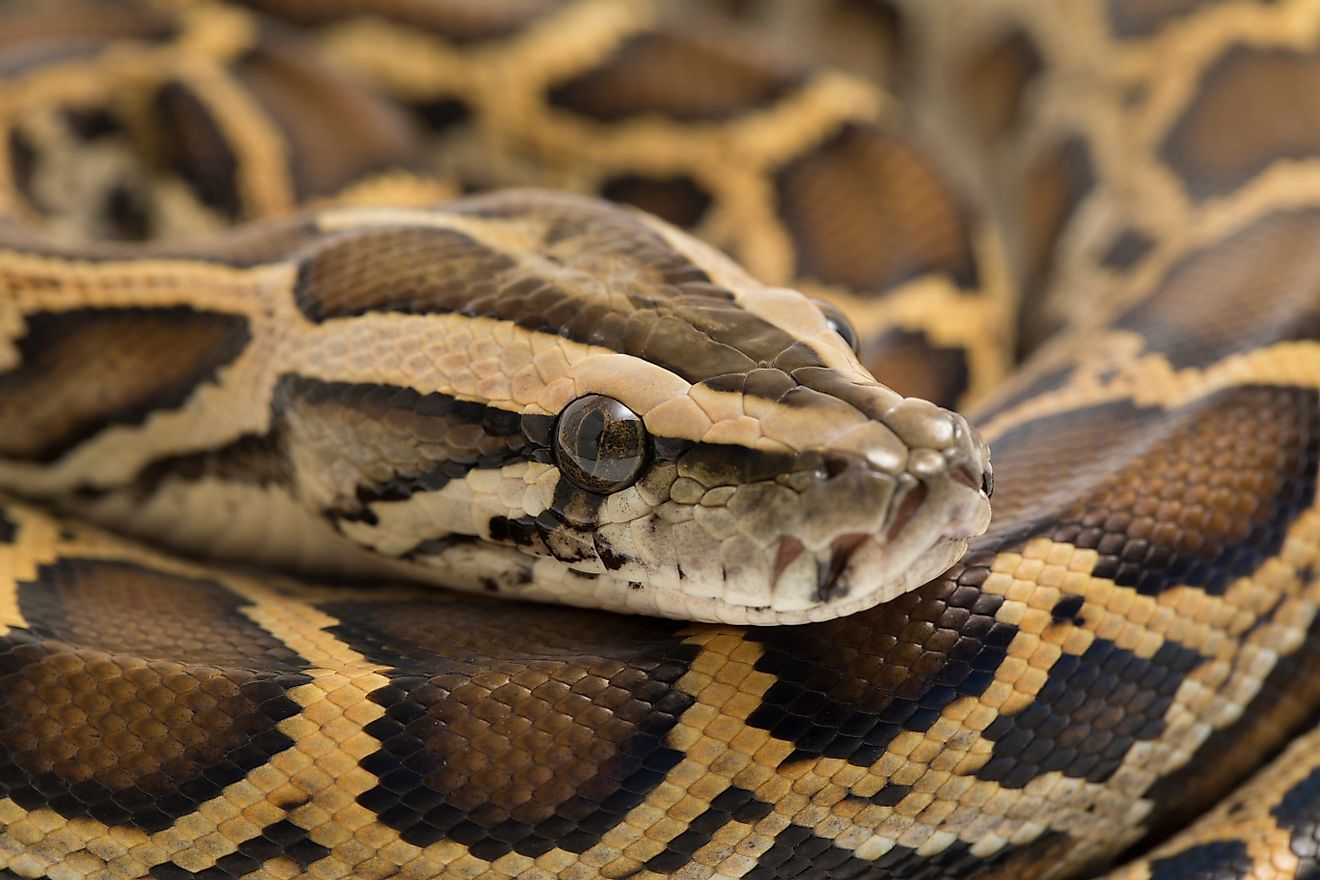
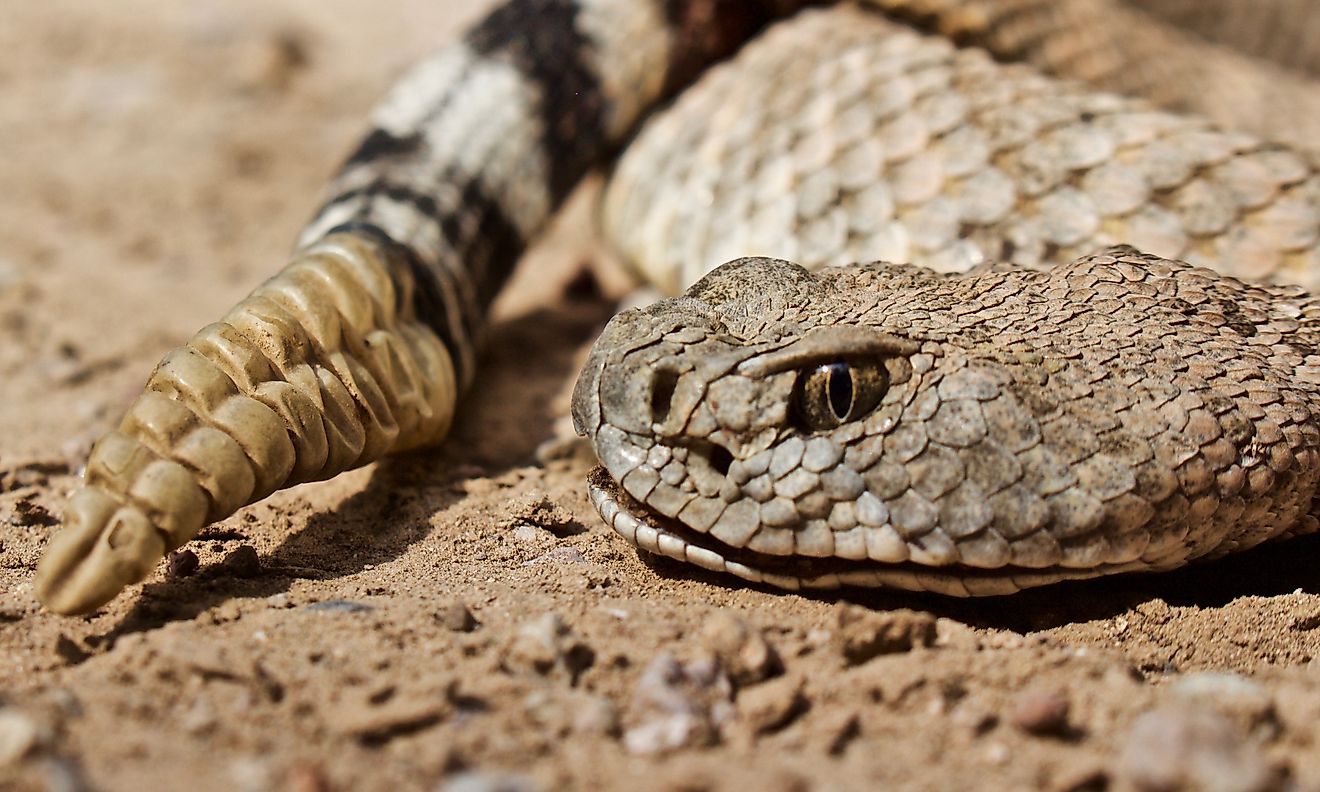
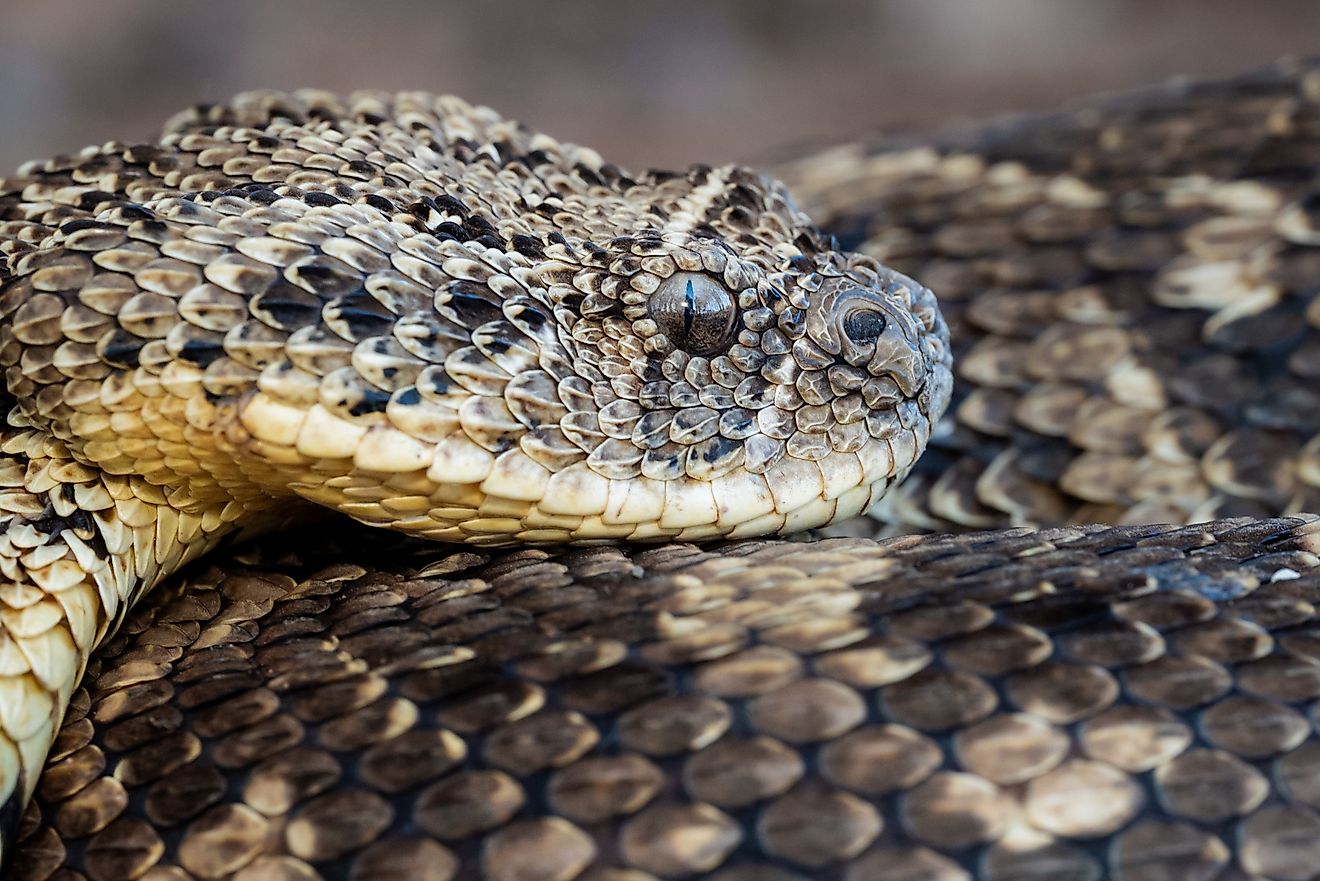
The eastern diamondback rattlesnake is the heavyweight champion of American snakes, the largest rattlesnake on Earth, thick as a forearm and occasionally stretching past six feet, and when the Southeast's winter cold snaps arrive, this apex predator retreats into a hole in the ground that it did not dig, cannot dig, and does not own. The hole belongs to a gopher tortoise, a placid, burrowing reptile the size of a dinner plate, and the arrangement is no oddity; across whole stretches of Georgia, Florida, and the Carolinas, tortoise burrows are where the region's diamondbacks ride out winter, fire, and heat, making the biggest venomous snake in North America a tenant in the spare room of a vegetarian. The reasons are a tour of the strangest and most important landlord-tenant system in American nature, and they begin with a problem of geology: the diamondback's entire kingdom has no rock.
A Kingdom With No Rock

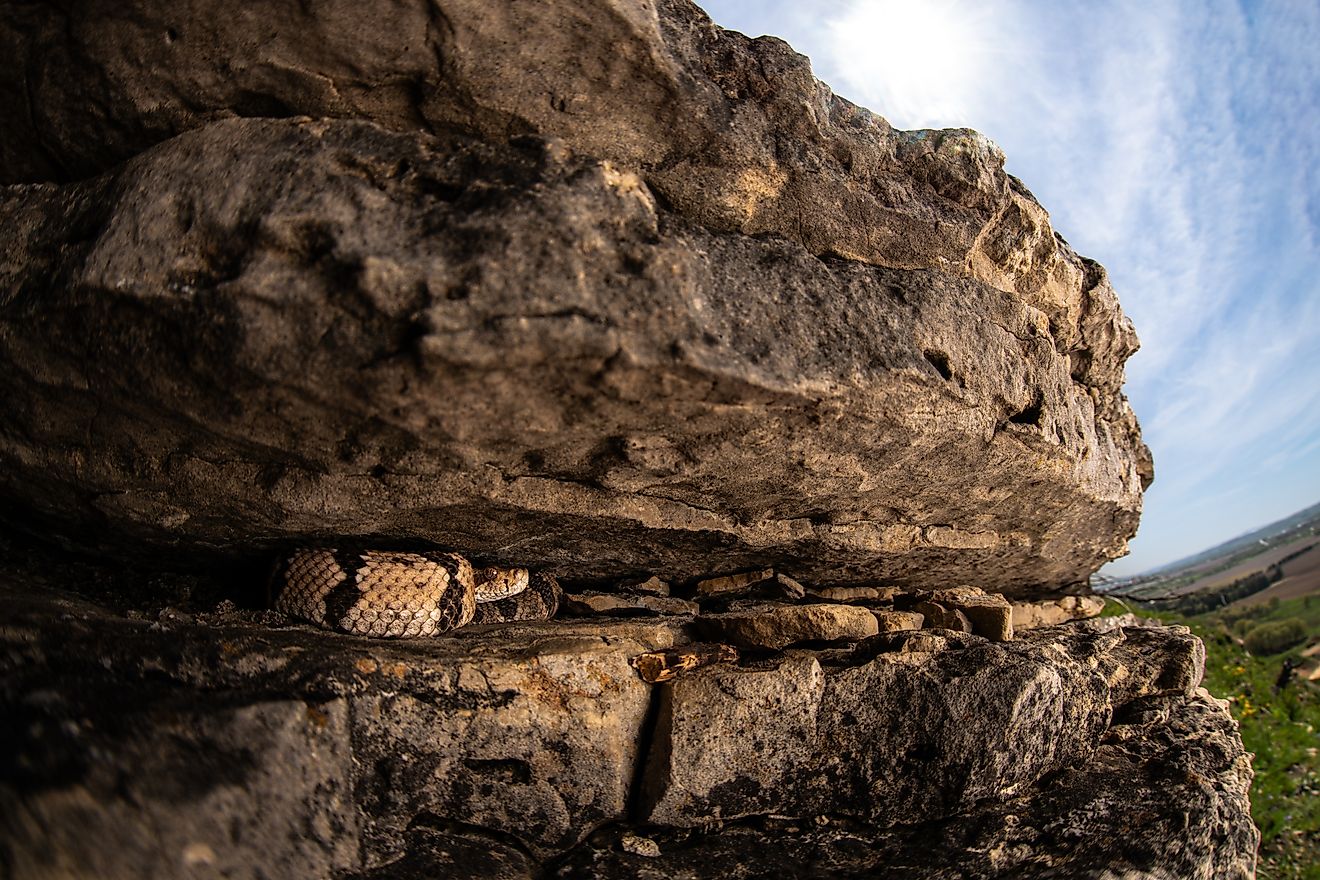
Everywhere else in rattlesnake country, winter shelter means rock: the fractured ledges, talus slopes, and deep crevices that carry timber rattlesnakes and western species below the frost line. The eastern diamondback's domain, the Atlantic and Gulf coastal plain, offers none of it. The land is a vast apron of deep sand and soft soil laid down by ancient seas, flat to gently rolling, with the nearest honest ledge hundreds of miles inland, and a snake, for all its talents, cannot dig. Winters there are mild but not harmless, with hard freezes sweeping through every year, and a diamondback caught on the surface through one can die of it.

The species' answer is lighter than northern hibernation but depends on the same resource, a frost-proof hole. Diamondbacks do not vanish underground for five months the way a New York timber rattlesnake must; they shelter through cold snaps and emerge to bask on warm winter afternoons, a stop-and-go winter that gets heavier toward the range's northern edge in the Carolinas, where burrow access becomes close to a survival requirement, and lighter toward south Florida, where some snakes barely den at all. The pattern follows the same latitude rule that governs dens everywhere: the colder the edge of the range, the stricter the housing market.
The Excavator

Enter the landlord. The gopher tortoise (Gopherus polyphemus) is the coastal plain's professional digger, a stocky herbivore with shovel-built front legs that spends its decades excavating burrows through the sandy uplands, and the burrows are serious infrastructure: tunnels commonly running 15 feet long and six or more feet down, with champions pushing past 40 feet, each ending in a chamber wide enough for the tortoise to turn around. A single tortoise digs and maintains multiple burrows across its home range over a life that can run 60 years and more.
What the tortoise builds, incidentally, is exactly what the den-less diamondback needs: a cavity below the frost line where temperature and humidity hold nearly constant through the year, cool in August, warm in January, moist in drought. In a landscape with no rock, the tortoise burrow is the rock, the only deep, stable, pre-dug shelter for miles in any direction, and the diamondback moved in so long ago that the two species' ranges map onto each other like a photograph and its negative.
The 350-Tenant Apartment Block

The diamondback is only the most dramatic name on a very long lease. Biologists classify the gopher tortoise as a keystone species because its burrows shelter a documented cast of more than 350 other species, a roster that reads like a coastal plain census: gopher frogs that live almost nowhere else, Florida mice, rabbits, skunks, burrowing owls, lizards, and a teeming economy of crickets, beetles, and moths found only in tortoise burrows, some of them in no other habitat on Earth. Remove the tortoise and the burrows collapse within years, and with them the housing for an entire community.

The diamondback typically takes the front of the unit rather than the depths, coiling in the burrow's entrance tunnel or at the sandy apron outside, where it can soak up sun with a bolt-hole a body-length away, retreating deeper only when cold or danger demands. The tortoise, famously, does not appear to mind; landlord and tenant pass in the tunnel without incident, the herbivore with nothing a rattlesnake wants and the rattlesnake with no quarrel it can afford, one of nature's most peaceable arrangements between a reptile and the deadliest snake on the continent.
Fire Insurance

The burrow's second service may matter even more than winter: fire. The diamondback's home ecosystem, the longleaf pine savanna, is built on burning, historically running low, fast ground fires through every few years that keep the pinelands open and grassy, and everything that lives there needs a fire plan. The tortoise burrow is the fire plan. When flames run through, the burrow's residents, tortoise, diamondback, frogs, mice, and the rest, simply sit below in the fireproof earth while the surface renews itself overhead, emerging to a freshly burned, prey-rich savanna.

Modern land managers run the same system on purpose, with prescribed burns across the Southeast's public lands keeping the savanna structure alive, and the burrows keep underwriting the practice: burn crews in diamondback country work on the standing assumption that the wildlife is riding out the smoke downstairs. A diamondback may shelter in burrows a dozen times a year, for cold, for fire, for shedding, for the worst of summer heat, which makes the tortoise's architecture less a winter den than a year-round public utility.
The Neighbor That Eats Rattlesnakes

The apartment block comes with one genuinely awkward co-tenant. The eastern indigo snake, the longest snake in North America, glossy blue-black and federally threatened, winters in the very same gopher tortoise burrows, and the indigo's signature dietary habit is eating other snakes, venomous ones included, with rattlesnakes on the regular menu and near-immunity to their venom in the bargain. The burrow system thus houses the diamondback and the diamondback's most capable predator, sometimes in the same tunnel network, a fact that gives the Southeast's herpetologists no end of delight.
In practice, the risk runs mostly one way and mostly in warm weather, with indigos hunting the burrow aprons where young diamondbacks shelter, and it changes nothing about the diamondback's dependence: there is no second housing market to flee to. The big rattlesnake winters where the indigo winters because both answer to the same landlord, which is the coastal plain's version of every apartment building's oldest truth, that you do not choose your neighbors.
The Other Landlords
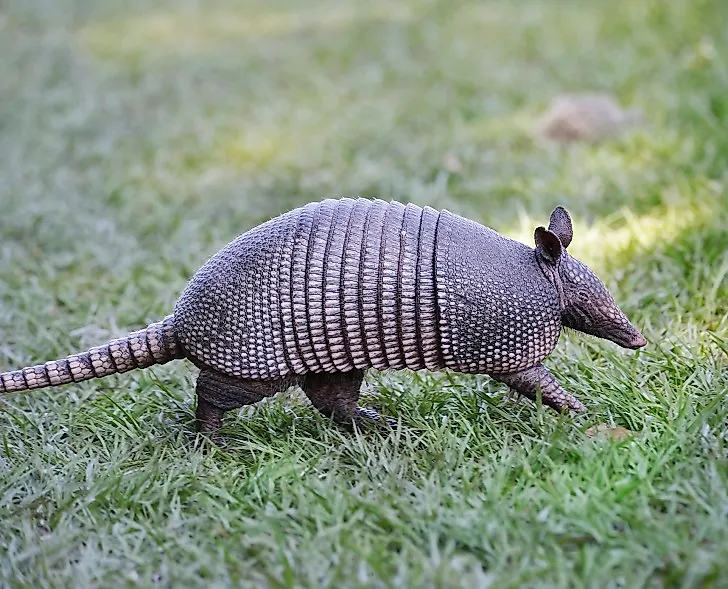
Where tortoises are scarce, diamondbacks take what the market offers. Nine-banded armadillos, the Southeast's other industrious digger, cut shallower, rougher burrows that serve as backup housing across much of the range, and the pinelands' own decay provides the third option: stump holes, the deep, root-lined cavities left where old longleaf pines have burned or rotted out underground, which function as natural wells reaching several feet down and shelter plenty of snakes. Radio-tracking studies across the region find diamondbacks cycling among all three, tortoise burrow, armadillo burrow, stump hole, by season and availability.
The hierarchy, though, is clear, and it is the tortoise's at the top: deeper, drier, more stable, and maintained for decades, the premium unit in every neighborhood that still has one. The alternatives are the reason diamondbacks persist in tortoise-poor country, and the tortoise is the reason they thrive where they thrive.
When The Housing Collapsed

The whole system now runs at a fraction of its old size, because the longleaf savanna that housed it is one of America's most reduced ecosystems, down from some 90 million acres to a few percent of that, lost to timbering, farming, development, and decades of fire suppression that let the open pinelands close into dense woods neither tortoise nor diamondback can use. The gopher tortoise has declined with its habitat and is now protected across its range, and every lost tortoise takes a 350-species apartment block with it, the diamondback included; the big rattlesnake has vanished from parts of its historic range and has been petitioned for federal protection of its own.
History added insult: for decades, rattlesnake roundups flushed diamondbacks for slaughter by pouring gasoline down tortoise burrows, a practice that poisoned every creature in the tunnel and is now outlawed in Georgia, Florida, and beyond, with several famous roundups since converted into no-kill wildlife festivals. The modern conservation playbook has settled on the obvious lever, which is the landlord: restore longleaf, burn it on schedule, and protect the tortoise, and the burrows, the diamondbacks, the indigos, and the other 350 tenants follow. In the coastal plain, saving one slow vegetarian turns out to be housing policy for an entire wilderness.
Rent, Paid In Residence

So eastern diamondbacks den in gopher tortoise burrows because the burrows are the only deep shelter their rockless kingdom contains: frost-proof in the cold snaps, fireproof under the burning savanna, cool in the killing heat, and dug, maintained, and freely shared by a keystone landlord whose tunnels hold up half the coastal plain's wildlife. The biggest rattlesnake on Earth survives on the labor of a tortoise, alongside owls, frogs, mice, and the one neighbor that eats rattlesnakes, all of them tenants of the same patient digger. The diamondback pays no rent and never has. It simply depends, completely, on the landlord staying in business, which is now the work of everyone who burns a savanna or protects a tortoise in the diamondback's home states.