Why Minnesota’s Moose Are Disappearing
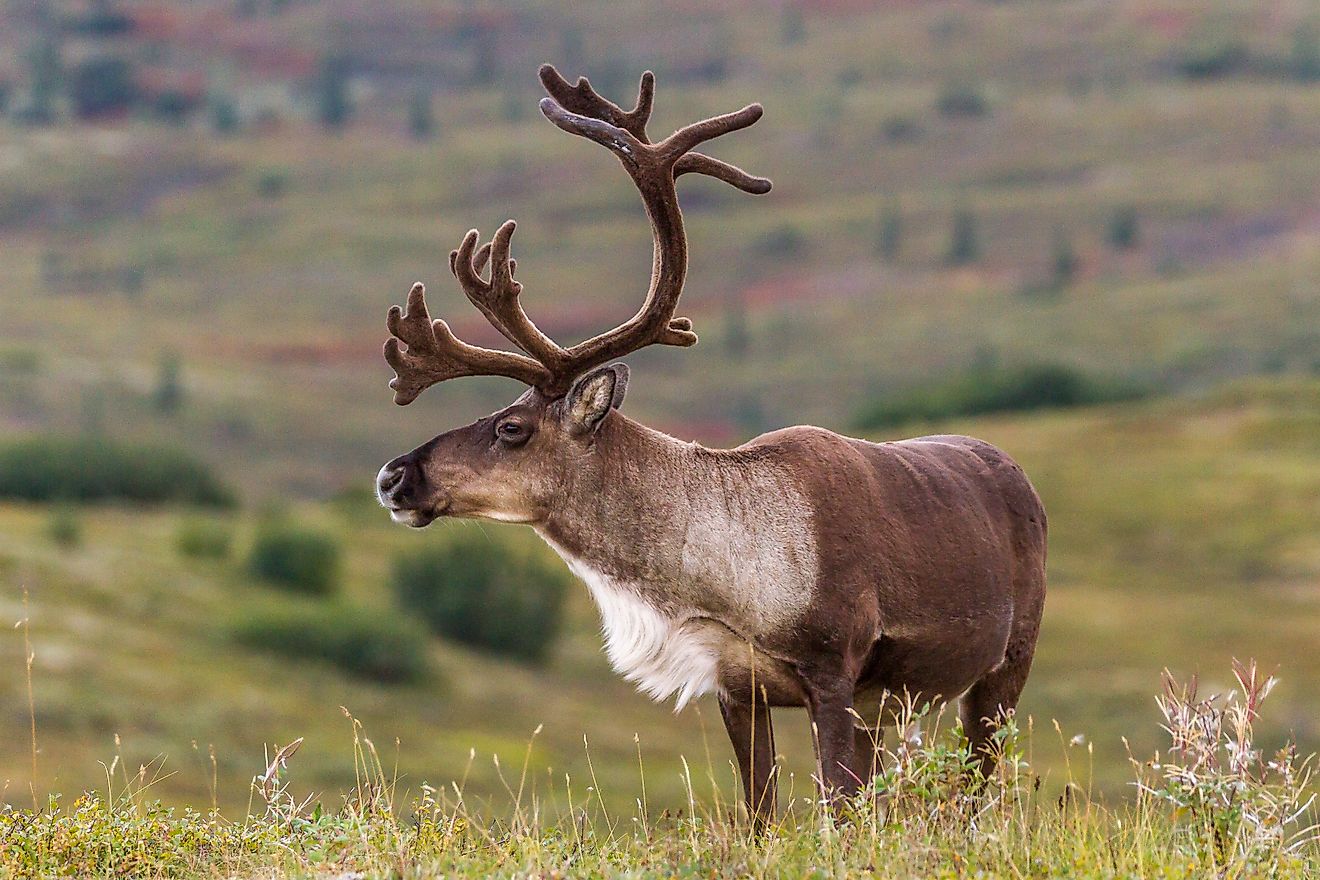
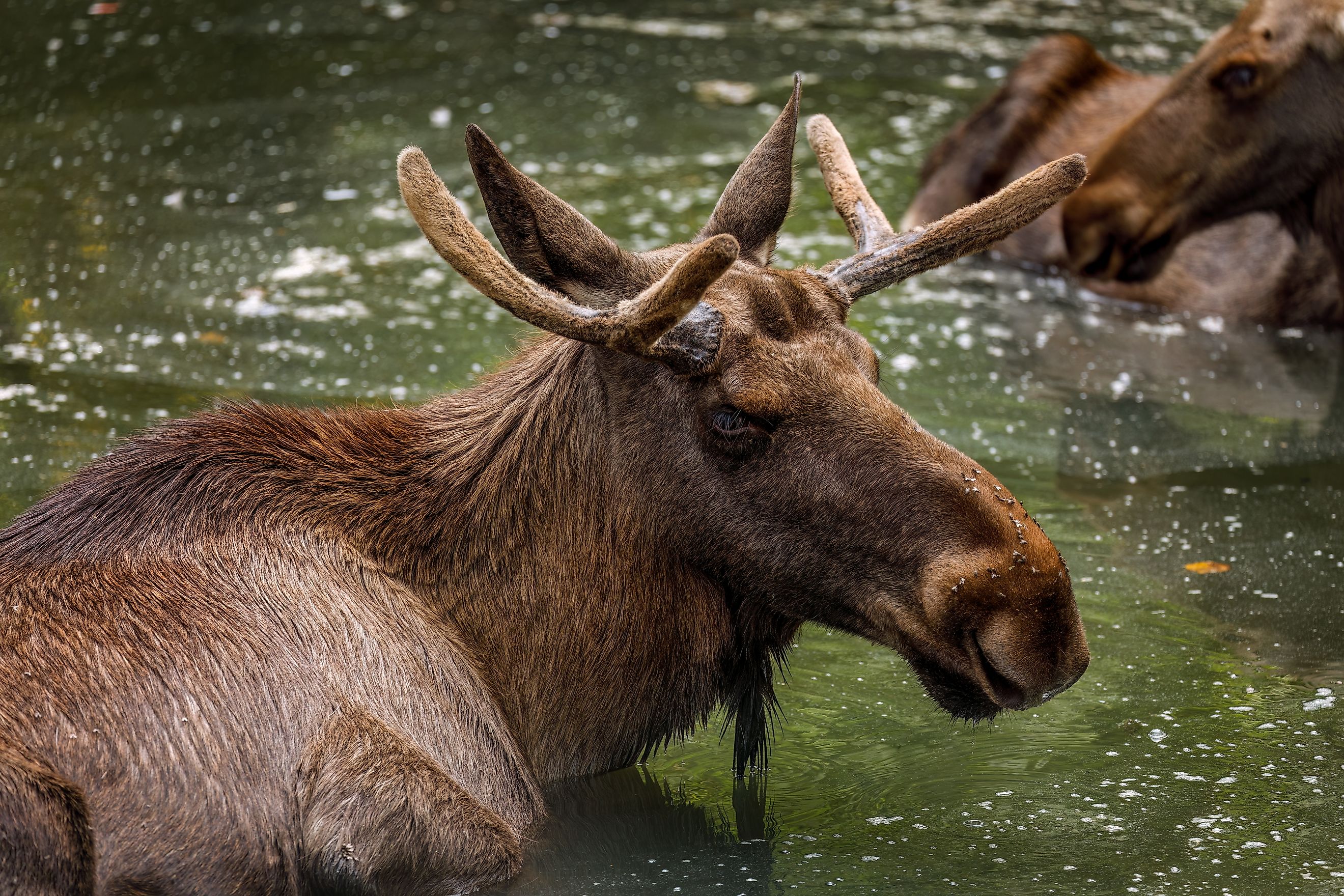
Minnesota is supposed to be moose country, the boreal edge of the Lower 48, all spruce bogs, birch, and canoe lakes, and within living memory it was, twice over, with a northwestern herd in the aspen parklands and a northeastern herd in the Arrowhead running to thousands of animals each. Then the northwestern herd simply ceased, collapsing from around 4,000 in the 1980s to functionally zero by the 2000s, and the northeastern herd followed it halfway down, falling from roughly 8,800 in 2006 to the 3,000s within six years before leveling off, a plunge steep enough that the state canceled moose hunting in 2013 and launched one of the most intensive dead-moose investigations in wildlife science. The verdict that emerged was not wolves and not hunters. Minnesota's moose are being killed mostly by things almost too small to see, delivered by a climate that is quietly firing the moose from its own range.
A Giant Built For Deeper Cold

The vulnerability starts with the animal's own insulation. A moose is a radiator wrapped in Arctic-grade blanket, half a ton or more of fermentation heat under a hollow-haired winter coat engineered for 30 below, and the design has no off switch, which means warm weather is not a comfort problem but a physiological one. Moose begin laboring in winter temperatures above roughly the 20s Fahrenheit and in summer heat in the 70s, panting, bedding down, and, critically, eating less in the very months they must bank fat, so every additional mild spell shaves the energy budget that decides whether an animal survives March.
Minnesota sits at the species' southern boundary, where the margin was always thin, and the state's winters have warmed and shortened measurably within the moose's own lifetimes. Heat stress rarely kills a moose outright. It weakens the animal for everything on the following list, which is why researchers describe the decline as climate-driven even though the climate's fingerprints are on the accomplices rather than the weapon.
Sixty Thousand Ticks On One Animal
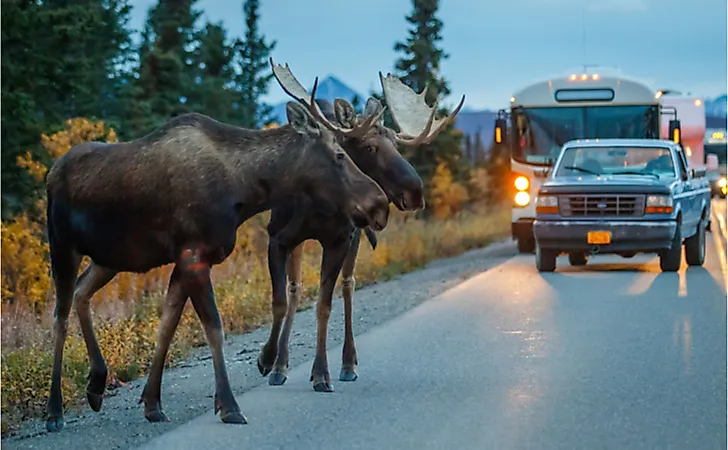
The first accomplice is the winter tick, a parasite whose entire strategy is calibrated to snow. Tick larvae swarm onto moose in fall and feed through the winter in colonies that routinely number in the tens of thousands on a single animal, with heavy infestations approaching and exceeding 60,000, draining blood by the gallon over a season. Tormented moose rub themselves raw against trees trying to shed the load, scraping away the dark guard hairs until whole animals go pale and patchy, the ghost moose that wildlife officers now photograph across the northern states, and calves carrying a full complement in late winter simply run out of blood and reserves together.
Snow is the tick's enemy, which is the climate connection: engorged female ticks dropping off moose in spring die on snowpack and thrive on bare ground, so every shortened winter and early melt converts directly into a bigger tick crop the following fall. Longer autumns let more larvae find a host; earlier springs let more females breed. The moose did not get weaker. The winters that used to cull its parasites did.
The Deer Deliver The Brainworm

The second accomplice arrives by courier. White-tailed deer carry a parasitic nematode called brainworm with essentially no symptoms; the worm's larvae pass through deer droppings into snails and slugs, and a moose that accidentally swallows an infected snail while browsing receives a parasite its body never evolved to manage. In moose, the worm migrates into the spinal cord and brain, producing the staggering, circling, fearless, blind animals that so often become the public face of the decline, and the condition is effectively always fatal. Necropsies in Minnesota's collared-moose mortality studies have pinned a leading share of adult deaths on brainworm and other parasitic disease, ahead of wolves.
Here, too, the trigger is warming. Milder winters have let white-tailed deer, once scarce in the deep snow country of the Arrowhead, push north and winter at densities the moose range never used to host, and every additional deer is another brainworm distributor on the landscape. The northwestern herd's total collapse ran on exactly this chemistry, in country that turned agreeable to deer first, and the surviving northeastern herd persists best precisely where deer remain thinnest.
What The Dead Moose Said
Minnesota answered the crash with science at unusual intensity: the Department of Natural Resources GPS-collared moose across the Arrowhead with mortality sensors and ran rapid-response teams to reach carcasses within a day, early enough for clean necropsies, building one cause-of-death ledger for adults and another for calves. The adult ledger came back dominated by health, parasites led by brainworm, winter tick burdens, liver flukes, bacterial infections seeded by tick anemia, while wolves, the suspect most of the public expected, proved mainly to be heavy predators of calves and claimers of already-failing adults.
That distinction reset the management debate. Wolf control cannot fix a herd whose adults are dying of parasites, and the calf losses, while real, track the health of the mothers raising them. The research pointed management toward the levers that remain, habitat quality that keeps moose fed and cool, and deer densities that meter the brainworm supply, while conceding the biggest lever, the climate itself, sits beyond any game agency's reach.
Holding The Line In The Arrowhead
The news since the plunge is guarded rather than good: the northeastern herd's annual surveys have bounced along in the high 3,000s and 4,000s for a decade, stabilized but not recovering, a population holding at roughly half its former size in the state's coldest, snowiest, least deer-friendly corner. Tribal and state programs now manage browse habitat, research continues on tick dynamics, and the 1854 Treaty Authority and bands of the region, for whom moose carry deep cultural weight, co-lead much of the work. Hunting remains closed a decade on.
The honest forecast rides on winter. Hard, long, snowy years knock the ticks back and hold the deer south, and strings of them let the herd breathe; soft winters do the opposite, and the long-term trend in Minnesota's winters is not a secret. The Arrowhead herd is best understood as an animal holding a shrinking position with its back to Lake Superior, durable for now, dependent on cold that arrives less reliably every decade.
The Sentinel At The Edge

So Minnesota's moose are disappearing because the state's warming winters rewired the ecosystem against them: heat stress drains the energy budget, shrinking snowpack breeds catastrophic tick loads, and northbound deer deliver a brainworm the moose cannot survive, with wolves collecting the weakened margins rather than driving the decline. One herd is already gone and the other holds at half strength in the coldest country left. Biologists call edge-of-range moose a climate sentinel, an animal whose fortunes read out the winters in real time, and Minnesota's sentinel has been filing the same report for 20 years. The moose are not leaving the North Woods. The North Woods' winters are leaving the moose.