Why Arizona Has The Most Rattlesnake Species In America
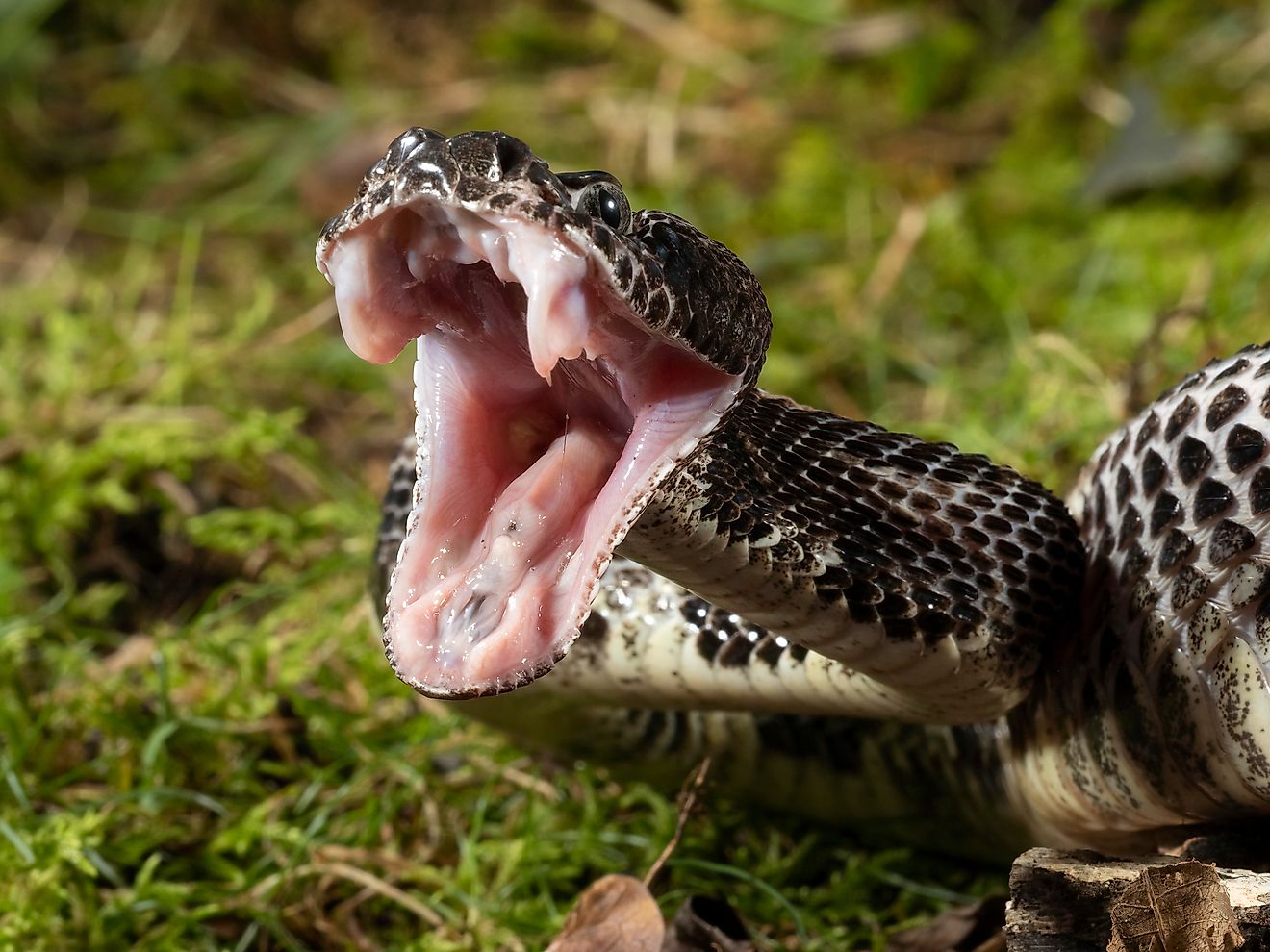
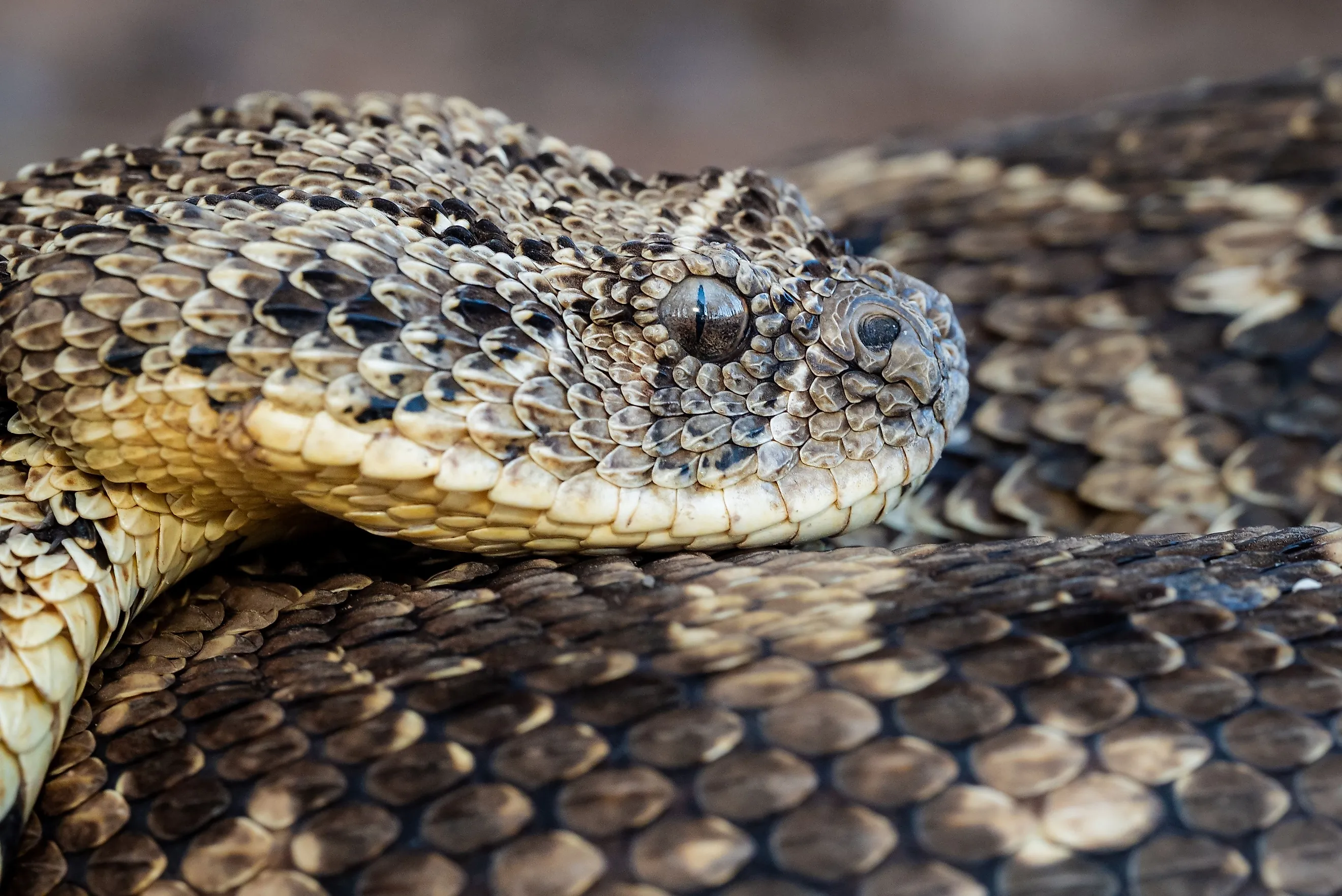
No state in the country rivals Arizona for rattlesnake variety. The Arizona Game and Fish Department counts thirteen different species of rattlesnakes, more than any other U.S. state. Since only about thirty-six rattlesnake species exist on Earth, all of them restricted to the Americas, Arizona alone shelters close to a third of the world's total. Although the exact figure depends on the taxonomist, the generally accepted count is roughly thirty-six species across the Americas, thirteen of which are found in Arizona. That concentration is not a quirk of reputation. It grows out of the state's geology, its enormous range in elevation, and the meeting of several major natural regions inside one set of borders.
A Crossroads Of Deserts

Arizona sits at a continental junction where distinct biological provinces press against one another. In the Mogollon Highlands that run across the center of the state, researchers note that all four of North America's deserts connect directly with the region, the Great Basin Desert to the north, the Mojave to the west, and the Sonoran and Chihuahuan to the south. The southern Rocky Mountains, the Sierra Madre Occidental of Mexico, and the western terminus of the Great Plains reach the area as well.
At Coronado National Memorial in the state's southeast, the National Park Service attributes the local wealth of reptiles to exactly this overlap. The agency explains that the diversity results from several factors including the fairly large elevation range and location in the overlap zones among the Chihuahuan and Sonoran Deserts, the Rocky Mountains, the Sierra Madre Occidental, and the Great Plains. Each of these provinces carries its own rattlesnakes. Where they meet, the ranges stack, and a single state inherits species that elsewhere would be scattered across half a continent.
Elevation That Stacks Habitats

Arizona's terrain climbs from roughly seventy feet above sea level along the lower Colorado River to more than twelve thousand feet at Humphreys Peak. That vertical sweep compresses a long sequence of life zones into short horizontal distances, running upward from low desert scrub through grassland, chaparral, oak woodland, and finally pine and fir forest.
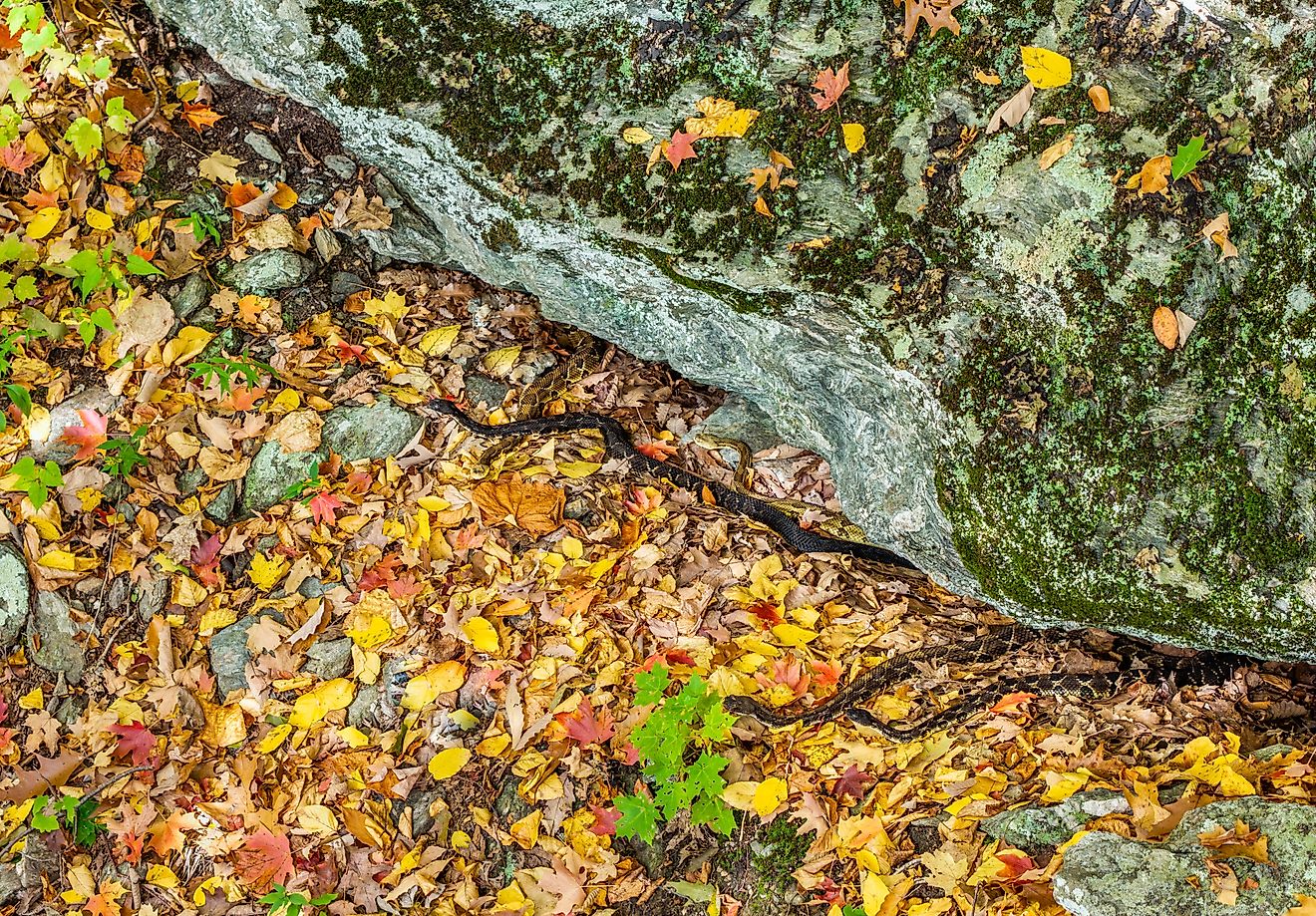
Different rattlesnakes belong to different rungs of that ladder. A study of the state's herpetofauna by U.S. Forest Service researchers found that in Arizona the Sonoran Desert has the highest herpetofauna diversity, and that there appear to be distinct low- and mid-elevational faunas. The low deserts hold heat-loving species such as the sidewinder and the tiger rattlesnake, while cooler uplands support animals like the Arizona black rattlesnake. A desert that also contains mountains effectively doubles the habitats on offer, and rattlesnakes have evolved to fill nearly every one.
The Sky Islands

In the southeastern corner of the state, dozens of isolated mountain ranges rise abruptly from the desert floor. Scientists call this pattern the Madrean Archipelago, or the Sky Islands. The ranges carry cool forest on their crowns while hot desert and grassland fill the basins between them, stranding mountain animals on separate peaks much as ocean water isolates true islands. As one study of the region describes it, these ranges rise from biotically diverse lowlands where two major North American deserts, the Sonoran and Chihuahuan, meet, and the vast Great Plains reach their western terminus.
Several of Arizona's rattlesnakes live almost nowhere else in the country, confined to these high, cool islands. The twin-spotted rattlesnake (Crotalus pricei) is a case in point. It is a small, high-elevation rattlesnake that lives in a handful of mountain ranges in the Sky Islands region of Arizona. The banded rock rattlesnake and the ridge-nosed rattlesnake share that restricted mountaintop world. The Arizona ridge-nosed rattlesnake (Crotalus willardi willardi) carries enough local identity that it serves as the official state reptile. These sky-island specialists appear in the national species count only because Arizona's mountains reach the elevations they require.
How So Many Snakes Share the Same Ground

Diversity on this scale raises an obvious question regarding how so many closely related predators coexist without crowding one another out. The answer lies in the way they divide the landscape. Randall Babb, a biologist with the Arizona Game and Fish Department, treats the state's rattlesnakes as a classroom example of resource partitioning. He writes that because many different species of rattlers may live in relatively close proximity to each other, they must partition the resources to avoid undue competition, which makes rattlesnakes excellent examples of habitat partitioning or niche filling.
Some species prefer rocky desert slopes, while another may inhabit canyons in mesic woodlands, and yet another thrives in dry desert flats or dunes. Because each species works a different niche, a surprising number can occupy one patch of ground. Babb notes that some mountain ranges in the state may harbor as many as eight species of rattlesnakes. He also points out that one of these species, the twin-spotted rattlesnake, is found only in Arizona within the United States.
Mexico's Northern Frontier

Many species that are common in Mexico reach the northern edge of their range just inside the state and go no farther north. The Sky Island ranges act as a corridor that carries Sierra Madre species into the United States. Desert Museum biologists working in the mountains of northern Mexico note that the small montane rattlesnakes of the region, including the twin-spotted, the banded rock, and the ridge-nosed, are shared between the two countries and reach their northern limit in the Arizona ranges.
The effect is that Arizona collects not only the rattlesnakes of the American West but also a set of Mexican species that barely cross the border. A snake that is a southern animal in the broad view becomes, at the far tip of its range, a distinctly Arizonan one. The state's position directly against the richest part of Mexico's snake fauna adds several names to the list that no state farther from the border could claim.
Why The Count Is Hard To Pin Down

Published figures for Arizona's rattlesnakes are not perfectly uniform. Field guides and poison-control references sometimes report that Arizona has about fifteen different species in the state, and older surveys that fold in subspecies have counted as many as seventeen species or subspecies. The spread reflects taxonomy rather than any disagreement about the animals in the ground. What counts as a full species versus a subspecies shifts as genetic studies redraw the lines, so the number moves a little depending on when and by whom it was tallied. The Game and Fish Department's figure of thirteen full species is the standard working reference, and even the most conservative count leaves Arizona alone at the top.
A State Built For Rattlesnakes
People often say Arizona has so many rattlesnakes because of the heat, as if warm weather alone brought all the vipers to the desert. Warmth matters for any cold-blooded animal, but it cannot explain why Arizona outscores every other warm state. The real answer is structural. Arizona gathers four deserts, two great mountain systems, and the edge of the Great Plains into a single state, then layers that mixture across more than twelve thousand feet of elevation and presses it against the Mexican border. Each of those ingredients contributes its own rattlesnakes, and the state's internal variety lets them live side by side without erasing one another. The result is less a coincidence of climate than an accident of position, a place where many separate natural worlds happen to overlap. Count the rattlesnakes anywhere else and you are counting one or two of those worlds. In Arizona you are counting all of them at once.