The Two States That Have Lost All Their Rattlesnakes
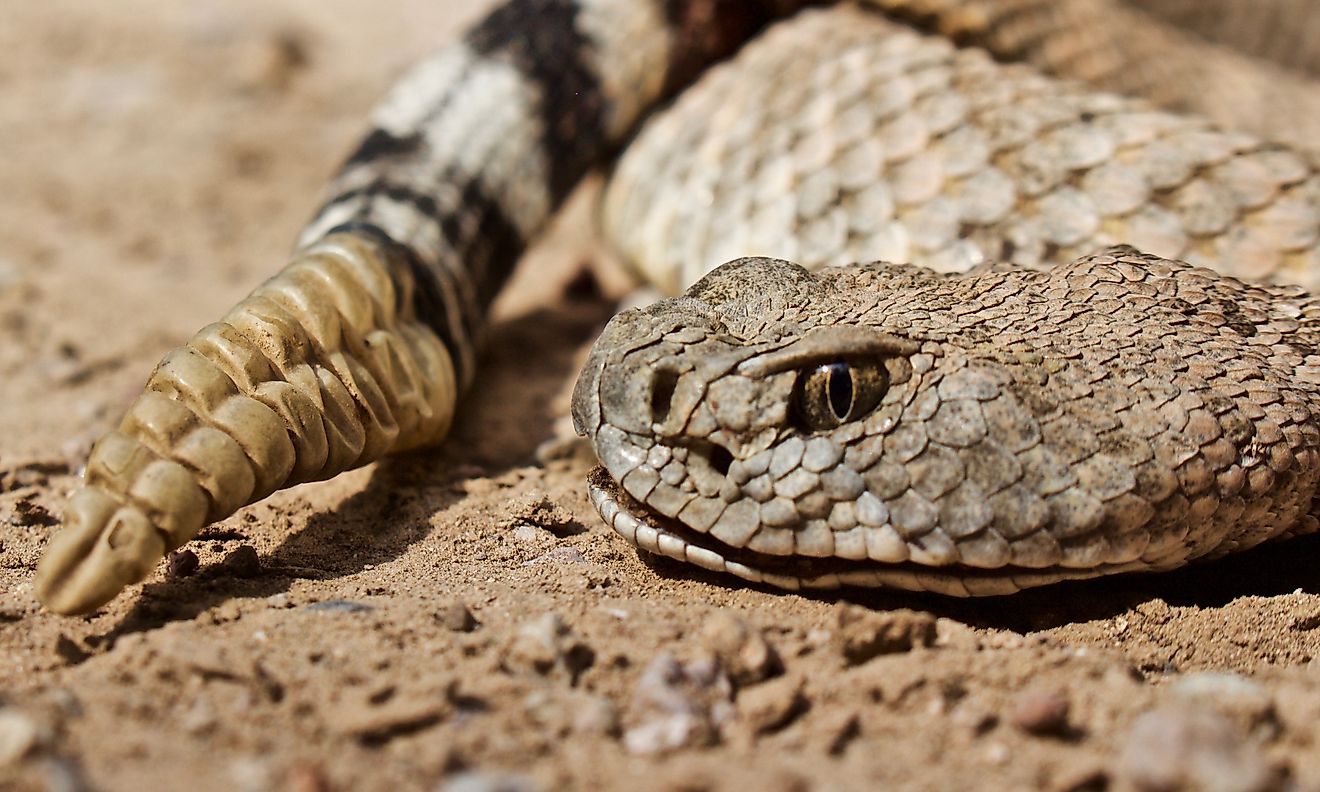
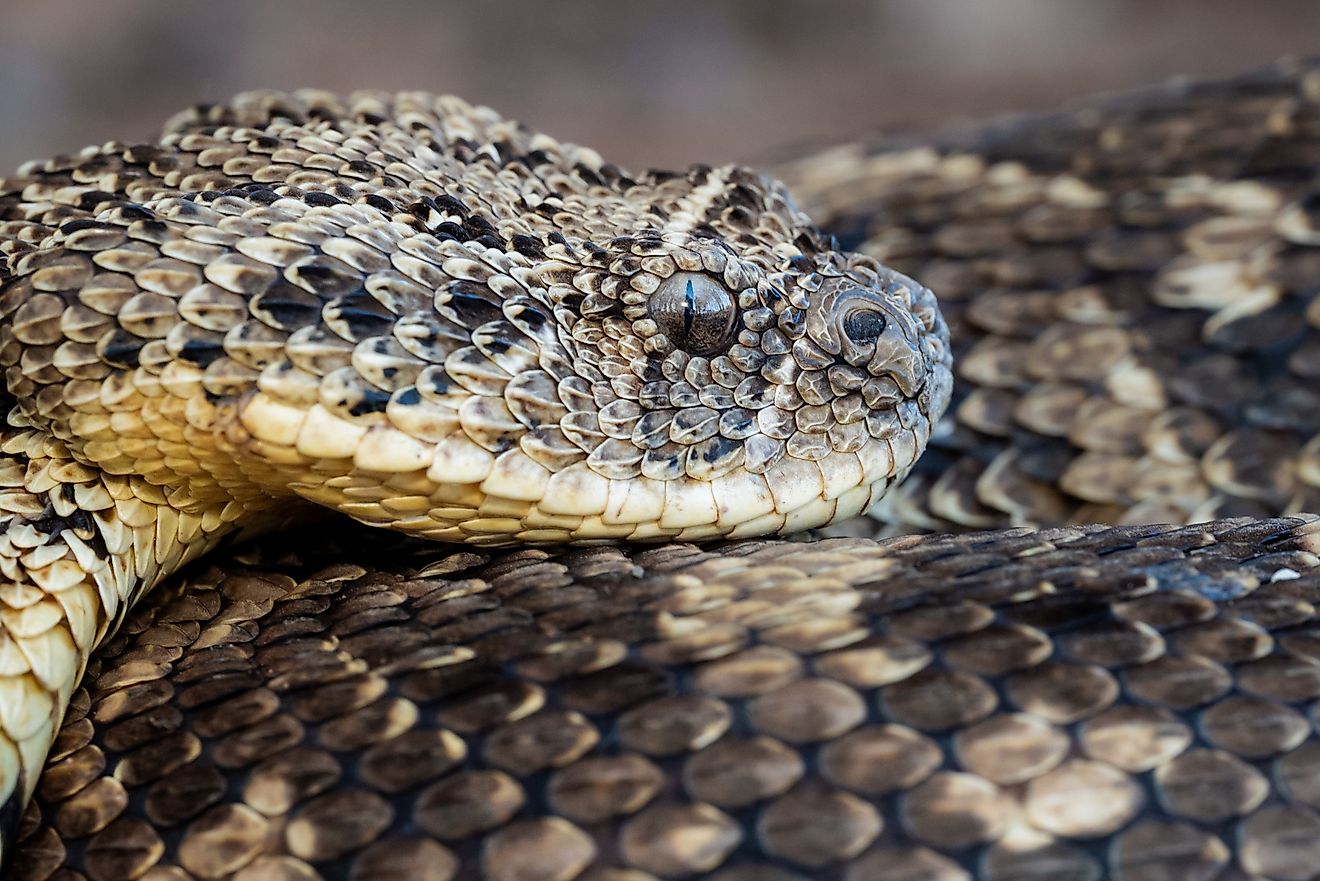
Five states have no wild rattlesnakes: Alaska, Hawaii, Delaware, Maine and Rhode Island. Alaska is too cold and has no native snakes at all, Hawaii never had any, and Delaware's status is disputed. That leaves Maine and Rhode Island as the clear cases of states that had rattlesnakes and no longer do. Neither lost them to climate or habitat change in the first instance. Settlers killed them out.
Maine Lost Its Last Around 1860

The state wildlife agency puts a date on it, which is unusual for an extirpation.
The Maine Department of Inland Fisheries and Wildlife says the timber rattlesnake was last seen in the state around 1860, following heavy persecution by early settlers. Another account places the last confirmed wild sighting in the mid-1860s.
Timber rattlesnakes once occupied parts of southern Maine, which makes the species extirpated there rather than extinct. It survives elsewhere.
Rhode Island Held On A Century Longer

The smaller state kept its population considerably longer than Maine did.
The Rhode Island population hung on about a century beyond Maine's, with the species not sighted there for roughly the last fifty years.
Rhode Island now has no wild population of rattlesnakes or any other venomous snake. State officials note that the surviving timber rattlesnake populations in neighboring states do not occur close to its border.
They Were Killed Deliberately

This is the part that separates these two states from the rest of the range.
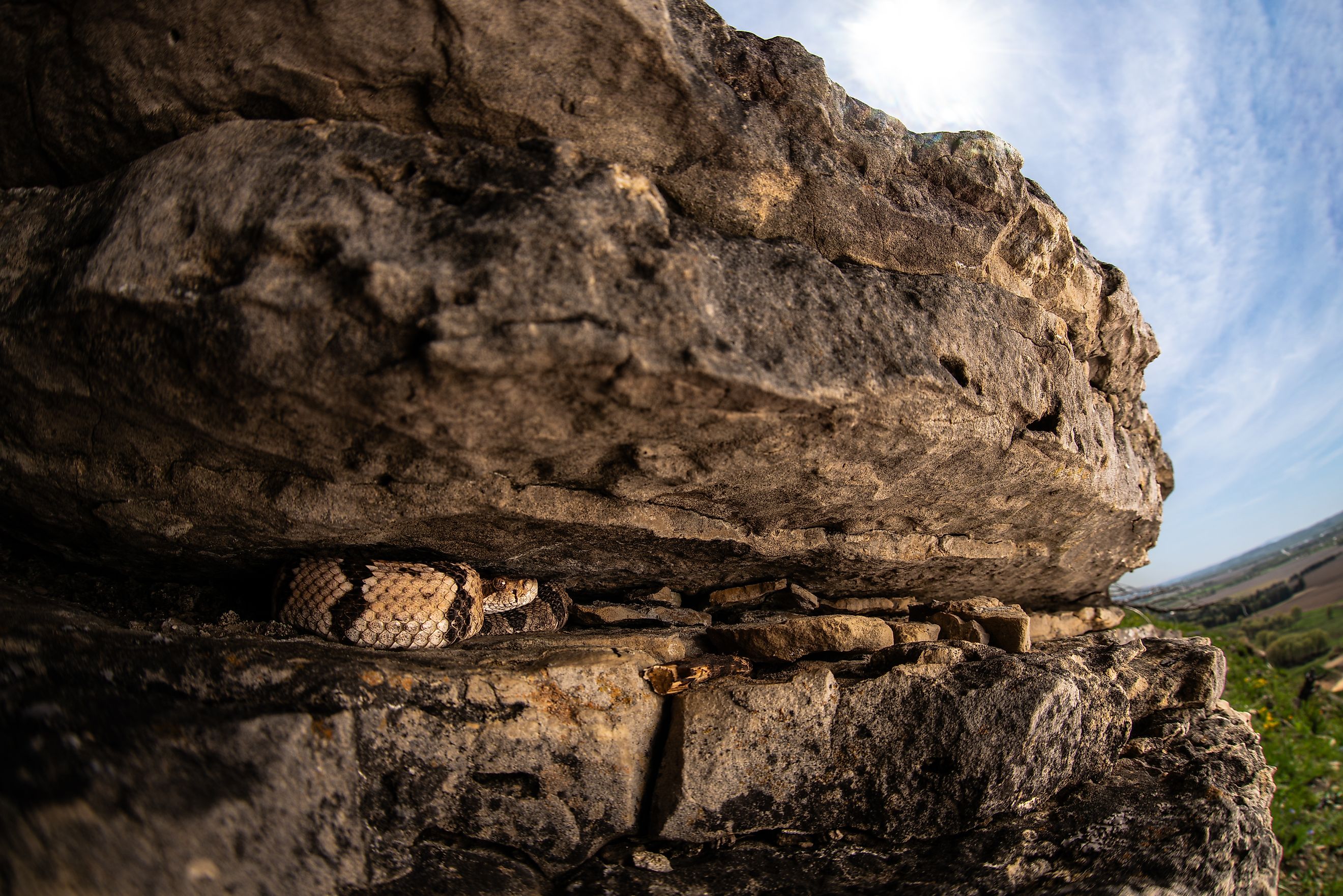
European settlers arriving in the early 19th century saw the timber rattlesnake as a danger to be removed and killed them on sight, with no understanding of the benefit the snakes provided to the ecosystem.
Habitat destruction compounded it, but the primary driver was eradication. Both states carried bounties, and the campaign worked exactly as intended.
Only One Species Was At Risk

Why two whole states could lose every rattlesnake comes down to how few they had.
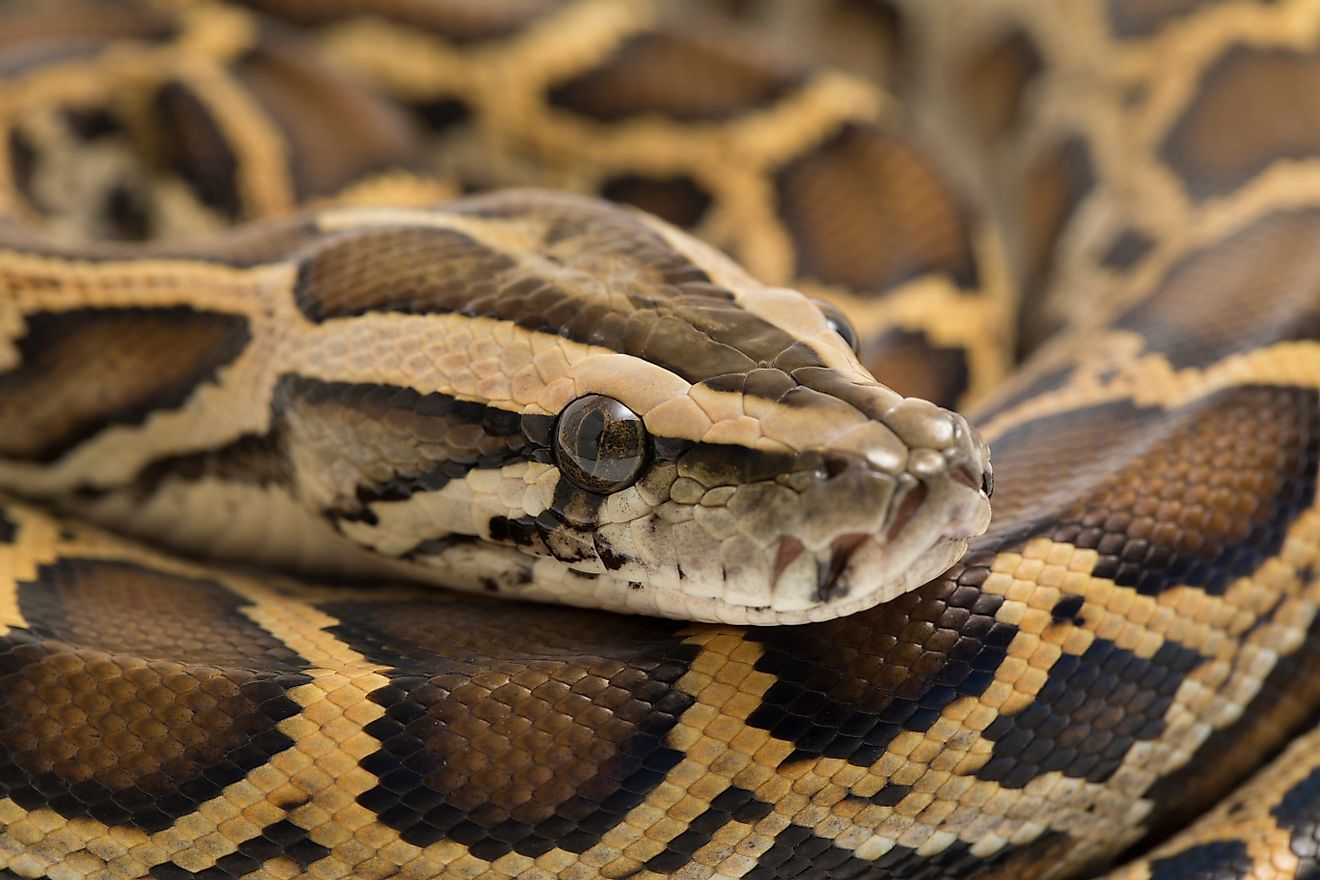
The timber rattlesnake was the only venomous snake species in either Maine or Rhode Island. There was no second rattlesnake to fall back on.
Compare that with the Southwest, where a state may hold a dozen species. Removing one rattlesnake from Arizona changes very little. Removing one from Rhode Island removes all of them.
The List Is Longer Than Two

Timber rattlesnakes have disappeared from more jurisdictions than these two states.
New York's species status assessment lists the timber rattlesnake as extirpated from Ontario, Quebec, Maine, Michigan, Delaware and Rhode Island. That is six jurisdictions across two countries.
Michigan does not belong on a list of states with no rattlesnakes, because it still has the eastern massasauga. Losing the timber rattlesnake there left another species behind.
Delaware Is The Contested One

The third candidate for this list depends on which source you read.
Some state inventories list Delaware alongside Maine and Rhode Island as having no self-sustaining rattlesnake population, and New York's assessment includes it among the extirpated. Other accounts describe Delaware's lone population as clinging on by a thread.
Maine and Rhode Island are not disputed. Delaware is, which is why this piece names two rather than three.
The Rest Of The Range Is In Trouble Too

Extirpation in two states is the visible end of a much broader decline.
Timber rattlesnake populations have declined rangewide by perhaps 85 percent from historical levels. The species was abundant at the time of European settlement, occurring in around 30 states.
It is currently found in 31 states and ranked as critically imperiled in 7, imperiled in 4 and vulnerable in 11. Most northeastern states where it survives list it as endangered or threatened.
Maine's Nearest Neighbor Has One Population

Natural recolonization would require a source population close enough to supply one.
The nearest state to Maine with a native venomous snake is New Hampshire, where officials recognize one known remaining timber rattlesnake population. Massachusetts has both timber rattlesnakes and copperheads, each endangered.
There is no evidence of a breeding population crossing into Maine. One isolated colony in New Hampshire is not a source.
Climate Keeps Maine Clear

Even without the persecution, Maine would be marginal rattlesnake country.
Maine's northern geography and long cold winters limit the habitat needed for venomous species to maintain stable populations. Other New England states are further south.
That matters for the den requirement, which is the hardest constraint any northern rattlesnake faces. A site has to clear the frost line and face the sun.
Protection Came Too Late


States eventually reversed the policy that caused the problem, by which point the snakes were gone.
Bounties were repealed and protective legislation enacted across much of the range. Pennsylvania now manages the timber rattlesnake as a strictly regulated game species.
Maine's snakes had been gone for over a century by then. Rhode Island's were going or already gone.
The Short Answer

Maine and Rhode Island. Both held timber rattlesnakes as their only venomous species, and both lost them to deliberate killing by settlers combined with habitat loss. Maine's last confirmed sighting was around 1860; Rhode Island's population survived roughly a century longer.
Alaska and Hawaii never had rattlesnakes to lose, and Delaware's status is argued either way. Michigan lost its timber rattlesnakes but kept the massasauga. Only two states went from having rattlesnakes to having none.