The Invasive Species Florida Pays People To Hunt
In the sawgrass marshes of South Florida, a state agency will hand a private citizen an hourly wage, a size-based bounty, and standing permission to kill as many snakes as they can find. The animal in question is the Burmese python, a constrictor native to Southeast Asia that has turned the Everglades into one of the most troubled ecosystems in North America. Florida does not run salaried hunts for alligators or wild hogs. The python is the exception, and the reason is an ecological collapse that unfolded faster than almost anyone predicted.
A Predator That Arrived Through The Pet Trade

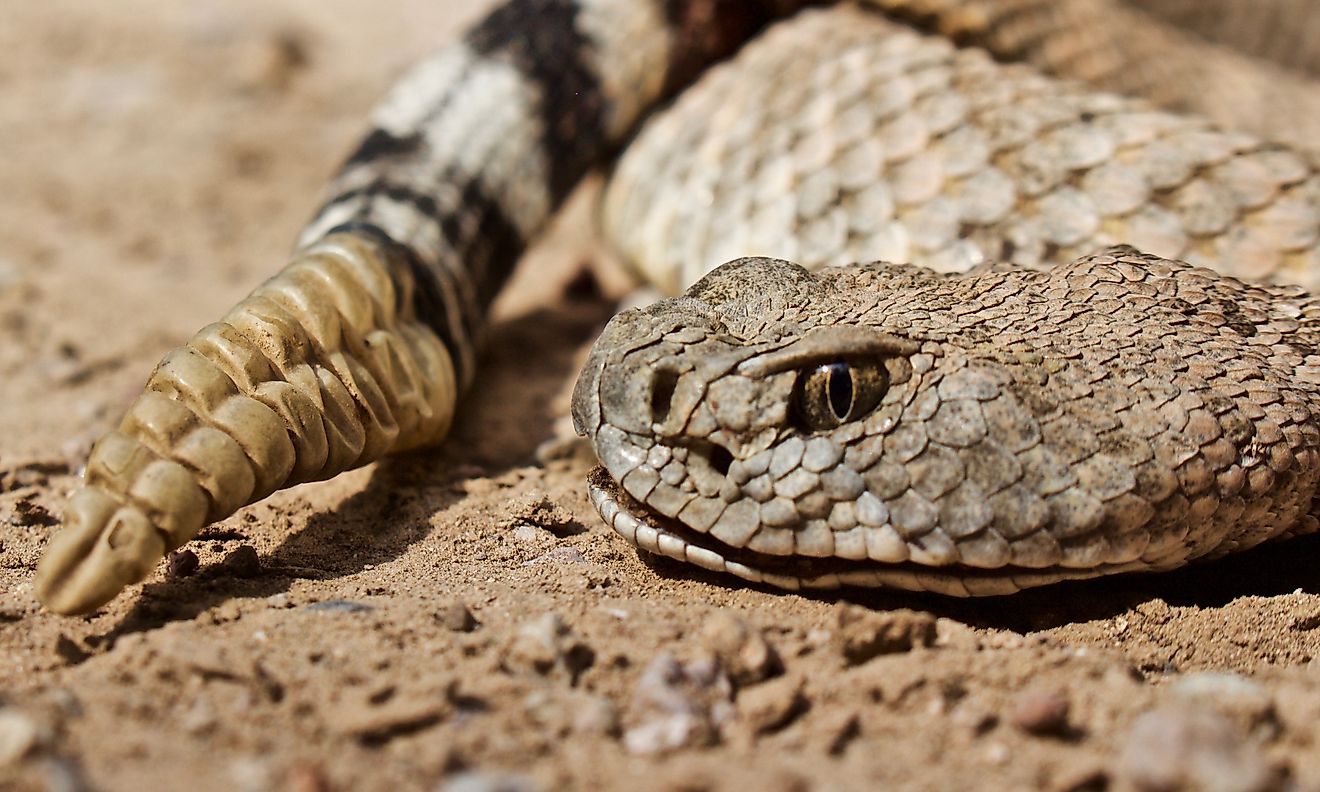
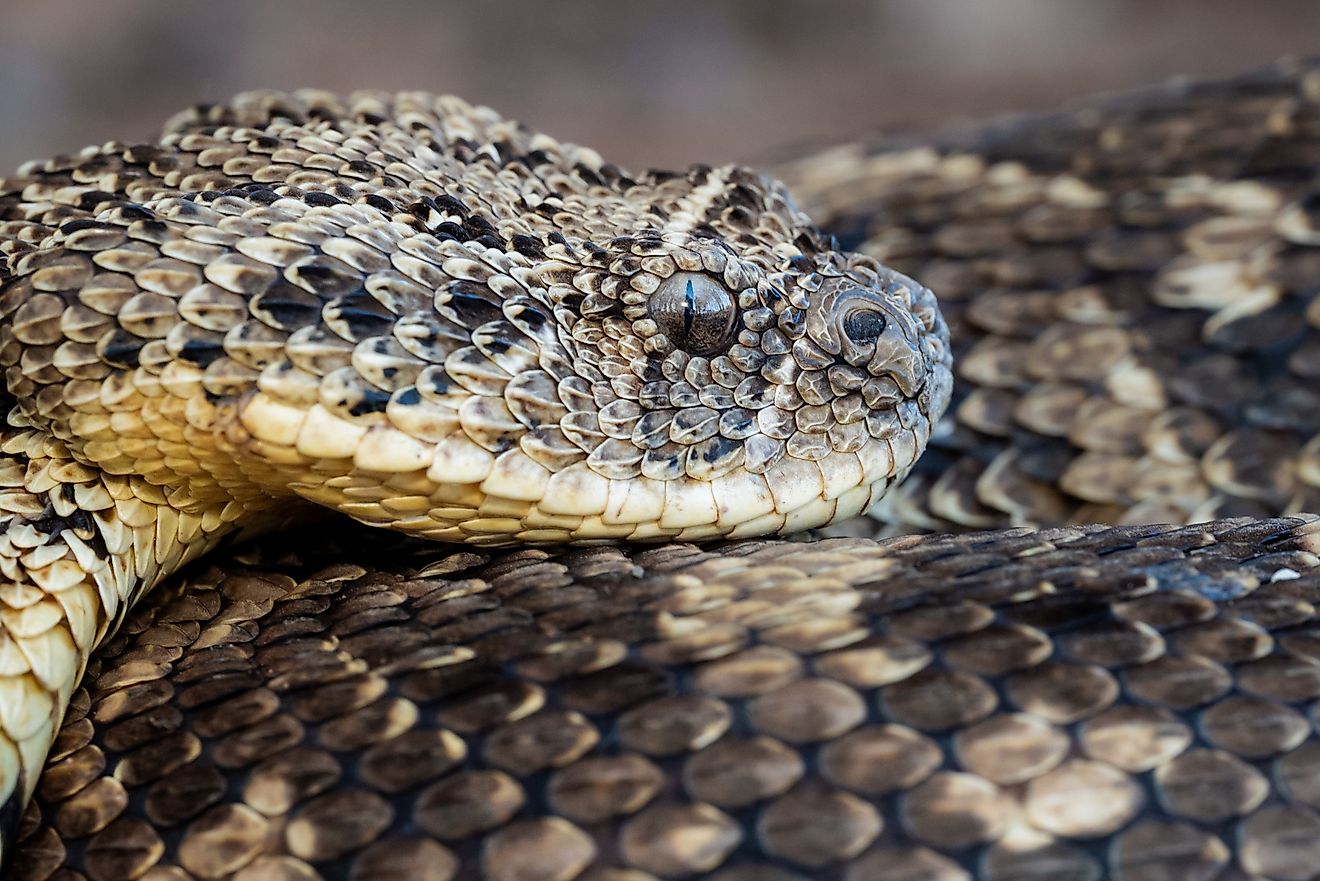
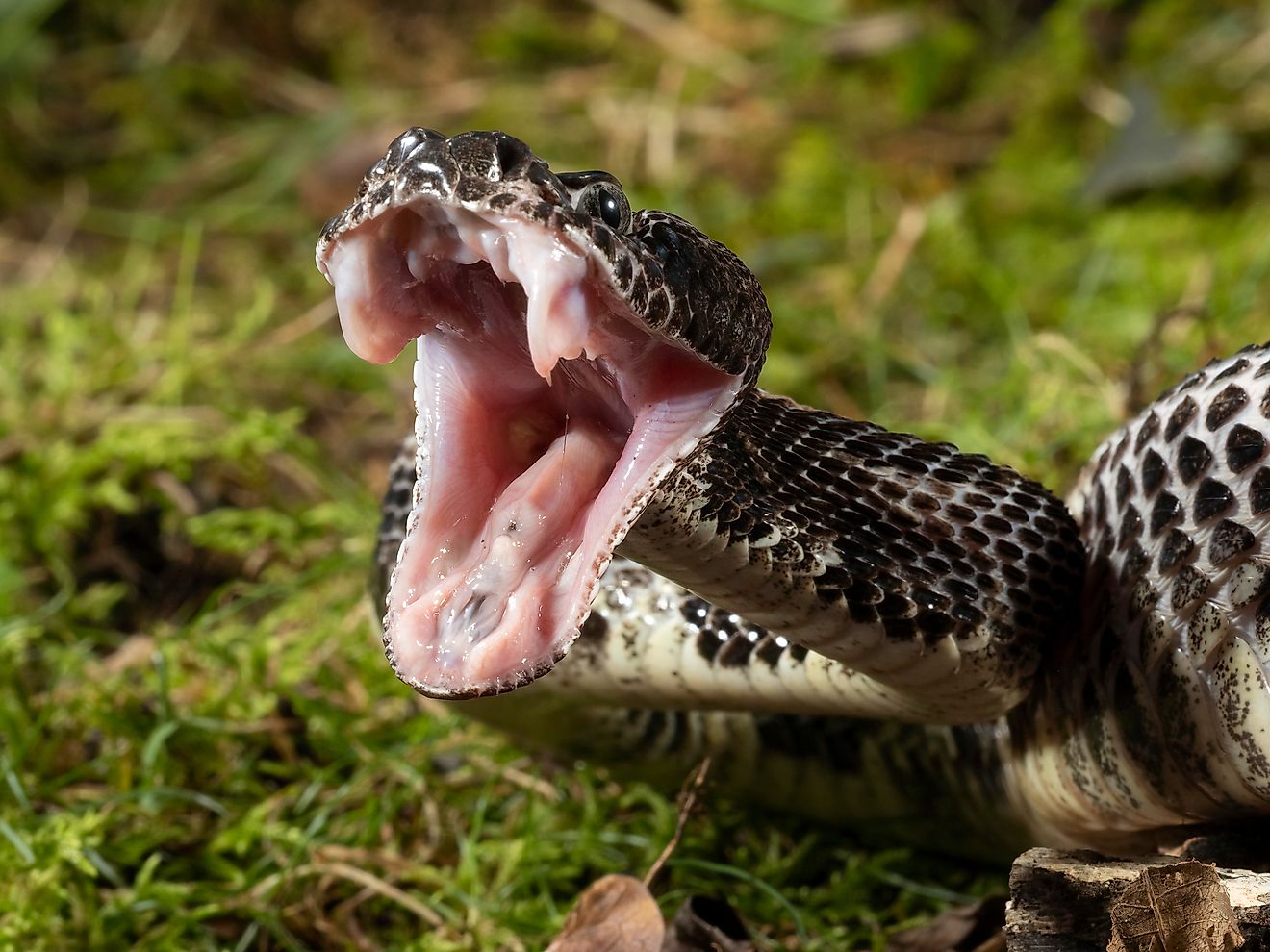
The Burmese python (Python bivittatus) reached Florida through commerce rather than migration. For many decades the species was imported to the United States for the pet trade, prized for its patterned skin and sold as hatchlings barely longer than a pencil. Those hatchlings grow into giants. The Burmese python is one of the largest snakes on Earth, capable of growing over 18 feet long and weighing more than 200 pounds, and owners who could no longer house such an animal sometimes released it into the nearest wetland.
A second vector came in the form of a storm. The python's spread was likely worsened by Hurricane Andrew in 1992, which destroyed a breeding facility and scattered snakes into the surrounding country. The species was first found in the Everglades in 1979, but scientists did not treat it as a permanent resident until much later. Pythons increased dramatically in both abundance and geographic range after 2000, the year wildlife officials recognized an established, reproducing population. The importation of Burmese pythons was banned in the United States in January 2012 by the U.S. Department of the Interior, a measure that arrived long after the snakes had taken hold. By then the invasion had spread well beyond the park, and Burmese pythons are now found as far north as Lake Okeechobee and south into the Florida Keys.
The Collapse That Started The Bounty

The clearest evidence of harm reached the public in 2012. A research team published findings in the Proceedings of the National Academy of Sciences after years of nocturnal road surveys through the Everglades. The numbers were severe. Road surveys totaling 56,971 kilometers from 2003 to 2011 documented a 99.3 percent decrease in raccoon observations, decreases of 98.9 percent and 87.5 percent for opossum and bobcat observations, and failed to detect rabbits. White-tailed deer sightings fell by 94.1 percent, and foxes, which were commonly spotted in 1996 and 1997, were not seen at all in the later counts.
The pattern in the data pointed at the snake rather than at any other cause. The declines were significant specifically in the regions of Everglades National Park where pythons had been established the longest. A single apex predator with no natural enemy had hollowed out the middle of the food web, and the losses carried a warning. Severe declines in common mammals such as raccoons and bobcats bode poorly for species of conservation concern, which are often harder to sample and occur at lower densities. Those middle-sized mammals also feed larger predators and control smaller prey, so their disappearance threatens to reshape the entire system.
Paying Hunters By The Foot

Florida's answer was to put people in the marsh and pay them for results. The South Florida Water Management District first started its Python Elimination Program in March of 2017, hiring private contractors it calls removal agents. The program pays trained python contractors an hourly wage and a bounty based on the size of the snakes to find and remove Burmese pythons from the Everglades.
The bounty rewards both size and reproduction. Registered hunters earn a minimum wage rate for up to ten hours of work a day, plus a bonus for their catch of 50 dollars for each python measuring up to four feet and 25 dollars more for each additional foot. The state also pays a 200-dollar bonus for each python found guarding a nest with eggs, which targets the breeding core of the population directly. The district has continued to sharpen the incentives. A trial feature added in 2025 pays the person with the highest number of captures in a month a 1,000-dollar prize.
A second agency works the same ground with volunteers and part-timers. The Florida Fish and Wildlife Conservation Commission's Python Action Team, known as PATRIC, works in conjunction with the Water Management District's program and contracts with qualified private individuals to remove pythons, while its Python Patrol program offers the public free training in how to find, catch, and humanely kill the snakes. The combined effort has produced real totals. More than 16,000 pythons have been removed by the two agencies' contractors since 2017, and more than 23,500 pythons were removed from natural areas in the state between 2000 and April 2025.
The Python Challenge

Alongside the salaried work, Florida stages an annual competition open to anyone willing to register. The Florida Python Challenge draws amateurs into the Everglades for a ten-day hunt with cash prizes, and it doubles as a public campaign about invasive species. The most recent event set records. Over the ten-day 2025 competition, 934 participants from 30 states and Canada removed 294 pythons from South Florida, a new record. The winner of the 10,000-dollar grand prize was Taylor Stanberry, who removed 60 pythons.
The contest spreads its awards to keep newcomers involved rather than ceding every prize to seasoned hunters. Separate prizes are offered in novice, professional, and military categories, including awards for the most pythons and the longest python in each division. The structure reflects the program's dual purpose. It removes snakes, and it recruits the next cohort of removal agents from a public that might otherwise never set foot in the backcountry at night.
Why The Hunt Cannot End The Invasion

For all the money and manpower, no serious biologist expects the hunt to eradicate the python. The scale of the problem is simply unknown. The python population in Florida is expected to be on the scale of tens of thousands of snakes and appears to be growing, and it is incredibly difficult to estimate the true population numbers. The animals make themselves nearly uncountable. Detecting pythons, which like to hide in marshes and thrive in remote habitats, is so challenging that experts do not know how many exist, though they estimate at least tens of thousands.
Reproduction keeps the population ahead of the hunters. A female Burmese python can lay 50 to 100 eggs at a time. The capacity for a single snake to flood an area with young is documented in the record books. The largest Burmese python found in Florida at the time, brought to the Florida Museum of Natural History in 2012, measured 17 feet 7 inches and contained a record 87 eggs. Even the weather offers less help than it once did. Prolonged cold snaps have killed off some snakes in the past, but such weather has become increasingly rare in southern Florida.
A Fixture Of The Modern Everglades
The paid hunt is best understood as sustained pressure rather than a cure. Each snake pulled from the marsh is one that will not eat another raccoon or guard another nest, and the people who run the program frame the work in exactly those terms. Every single python that is removed is positive for the environment, according to Mike Kirkland, the python program manager at the South Florida Water Management District. Florida's bounty is an admission that prevention failed and that the far cheaper moment to stop this invasion passed decades ago, back when the python was still a hatchling in a pet-shop tank.