Why Snakes Gather Under Old Sheets Of Tin
Every farm kid in America learns it early, usually from a grandparent delivering the warning with a pointed look: do not go flipping that old sheet of tin behind the barn, because there will be a snake under it. The warning is almost always right, and the reliability is the interesting part. Of all the junk an old property accumulates, boards, buckets, shingles, stones, nothing collects snakes like a flat sheet of rusted roofing metal lying in the weeds, so consistently that professional herpetologists build their entire survey method around imitating it. The tin is not random clutter to a snake. It is a precision instrument, a solar collector, a humidity trap, a rodent farm, and a predator shield in one discarded panel, and the reasons it works say a great deal about what a snake's day actually requires.
A Solar Panel You Can Hide Under

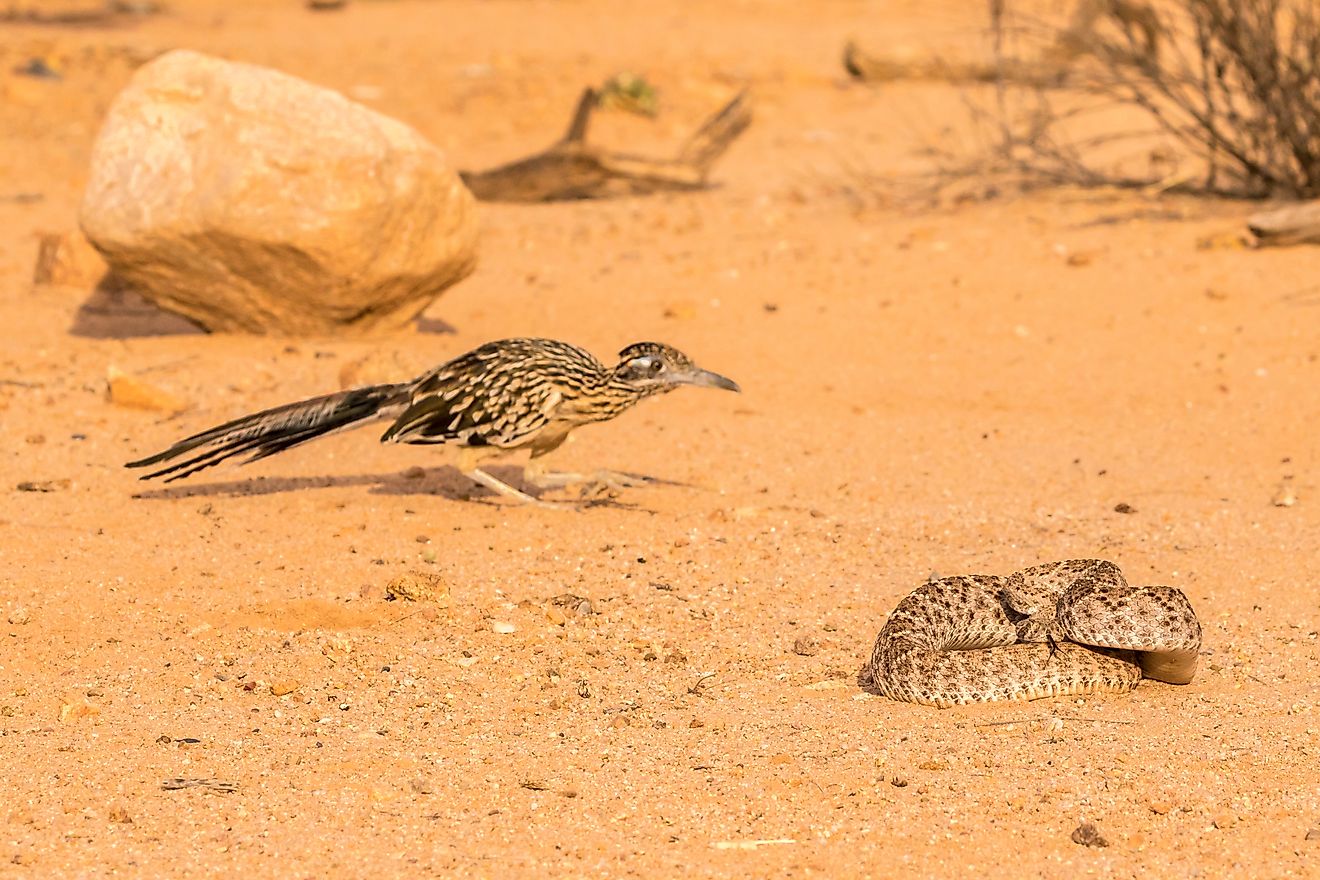
A snake's core daily problem is heat. It needs a body temperature somewhere in the 80s Fahrenheit to hunt and digest, it cannot generate a degree of that itself, and the obvious solution, basking in the open, is also an advertisement to every hawk working the sky. Open basking is the most dangerous thing most snakes routinely do, which makes any technology that delivers warmth without exposure enormously valuable.
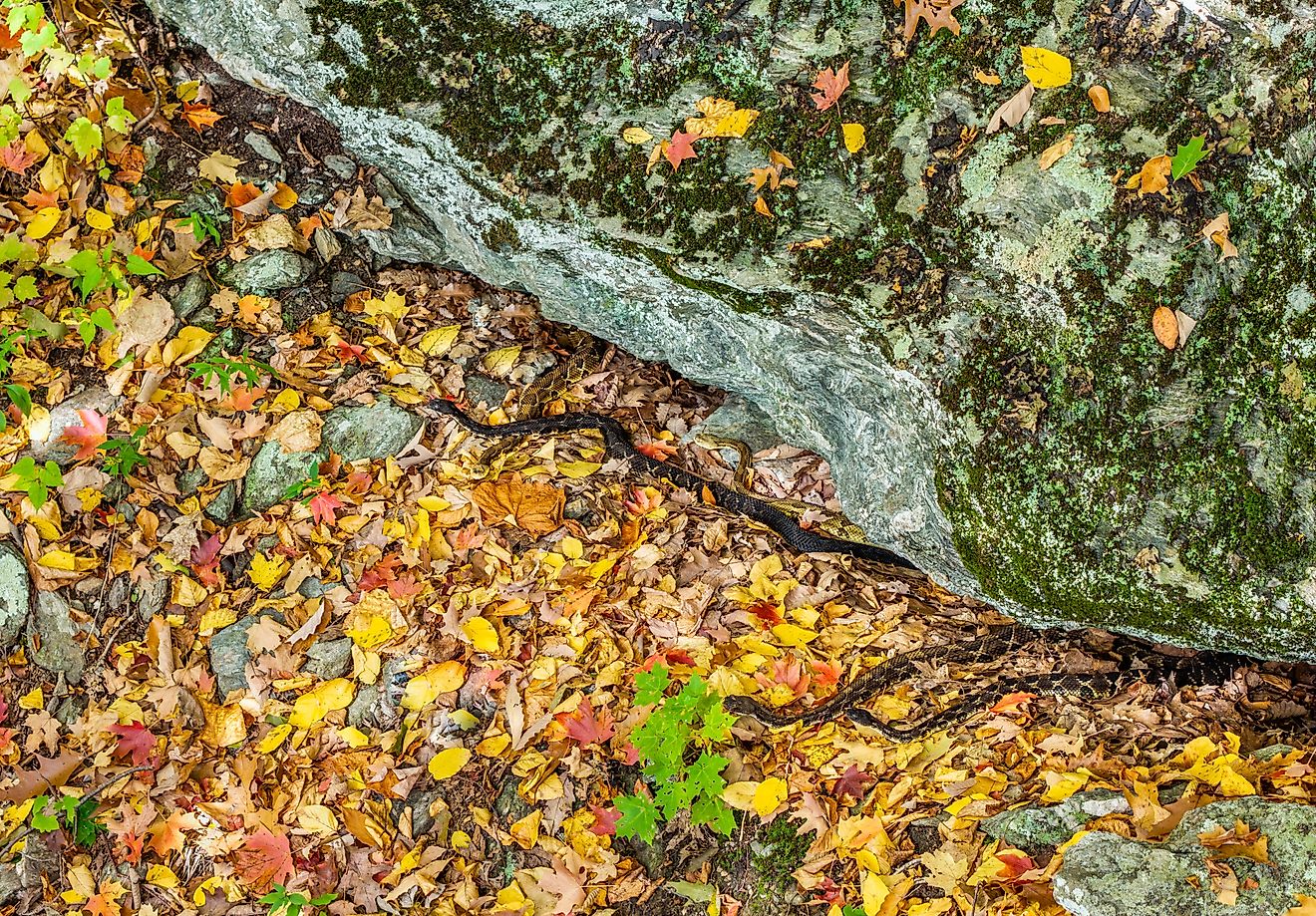
A sheet of tin in the sun is exactly that technology. Thin metal absorbs solar energy and transmits it straight through, heating the sheltered air and soil beneath within minutes of the morning sun arriving, so a snake pressed against the underside collects a full basking session while remaining invisible to everything above. Biologists call the behavior cryptic basking, warming up in hiding, and the tin sheet is its finest instrument: all of the sun's heat, none of the hawk's attention, with a rain roof included.
The Kettle And The Storage Heater

What separates tin from nature's own warm rocks is response time. A boulder is a storage heater, slow to warm through a cool morning and slow to surrender its heat at night; a thin steel sheet is a kettle, nearly massless, boiling up to useful warmth on a chilly, sunny morning weeks before any ledge in the county gets there and within minutes of the clouds parting. In early spring and late fall, when air temperatures are marginal and every degree decides whether a snake can hunt that day, the tin is often the only warm address in the landscape, which is why cool-season flipping is so famously productive.
The kettle cuts both ways, and the snakes know it. By a July afternoon, the underside of sunlit tin runs lethally hot, and the residents clear out to cooler cover, returning in the evening or on overcast days, so the tin operates on a schedule, packed in the shoulder seasons and on mild mornings, abandoned at high summer noon. The junk pile, it turns out, has office hours.
The Buffet In The Basement

The tin also caters. The same stable, sheltered microhabitat that suits a snake suits everything a snake eats: voles and mice tunnel and nest in the grass thatch beneath long-settled sheets, shrews hunt there, and the moist soil interface teems with crickets, beetles, slugs, and worms that feed the small snakes directly. A sheet of tin that has lain undisturbed for a few seasons is a functioning food web with a lid on it, and a rat snake or kingsnake checking under the metal is not just warming up; it is running a trapline.
The trapped moisture pays a second dividend. The tight seal between flat metal and soil holds humidity that the surrounding field loses to sun and wind, and snakes exploit it when shedding, a process that goes badly in dry conditions, which is why flippers so often find a snake in milky-eyed pre-shed, or just the ghost of one, a perfect inside-out skin left under the sheet like a receipt.
Science Made The Junk Pile Official
Herpetology noticed all this and institutionalized it. The standard modern method for surveying snake populations is the artificial cover object, the ACO, which is a formal name for deliberately scattering sheets of roofing tin and plywood across a study site in grids and checking beneath them on a schedule, a census technique that works precisely because the junk is irresistible. Researchers even exploit the materials' different physics, with metal sheets catching the heat-seekers of cool weather while wooden boards, which hold moisture better, draw a different clientele, two instruments sampling the same hidden community.
The method's great virtue is honesty: snakes are so secretive that walking surveys miss most of them, but a coverboard array samples the invisible population reliably, year after year, under the same sheets. Which means the grandparent's warning and the peer-reviewed protocol are the same piece of knowledge at different fonts, that if you want to know what snakes a piece of land holds, put down tin and lift it later.
Who Is Under There And How To Look

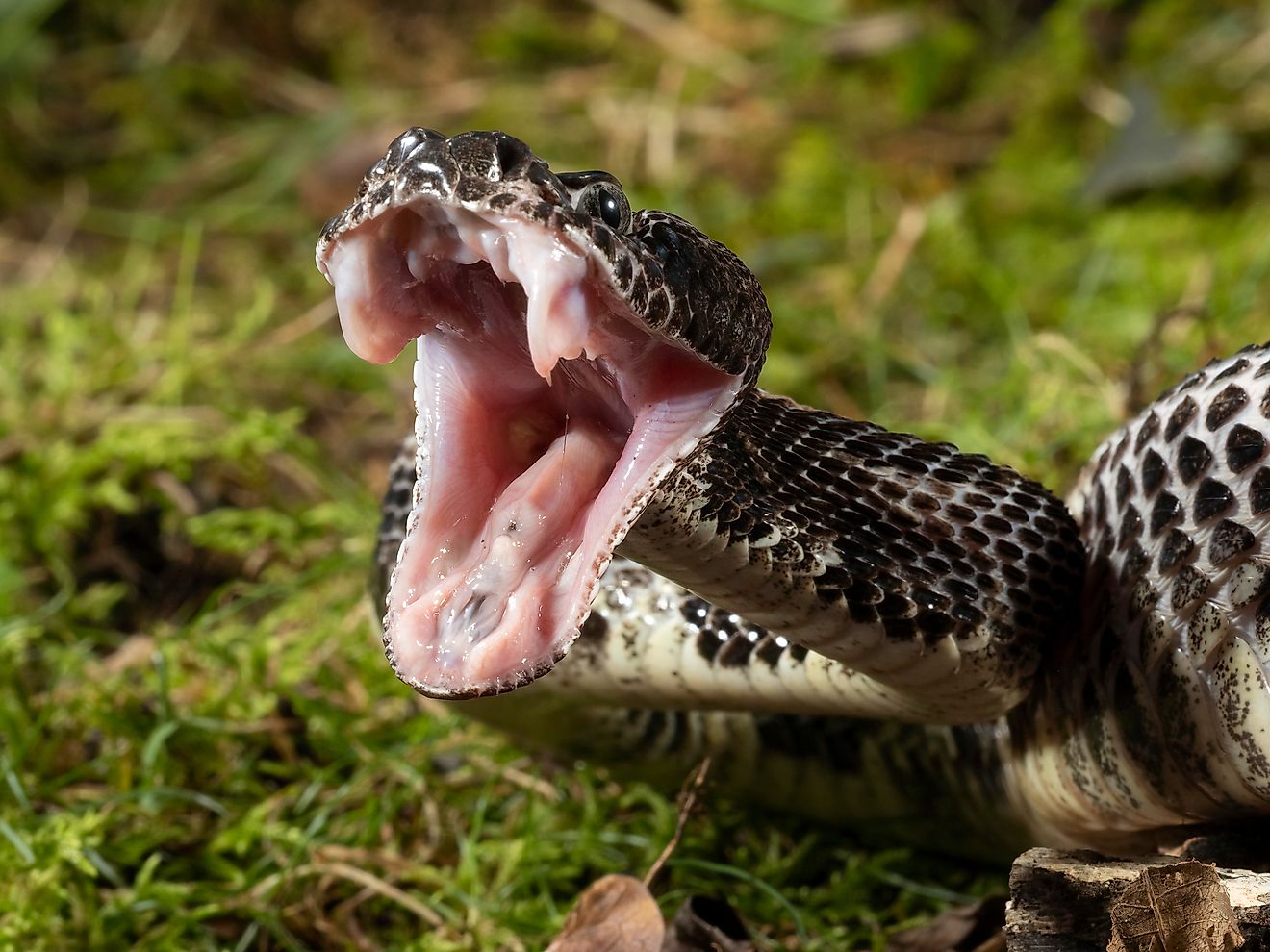
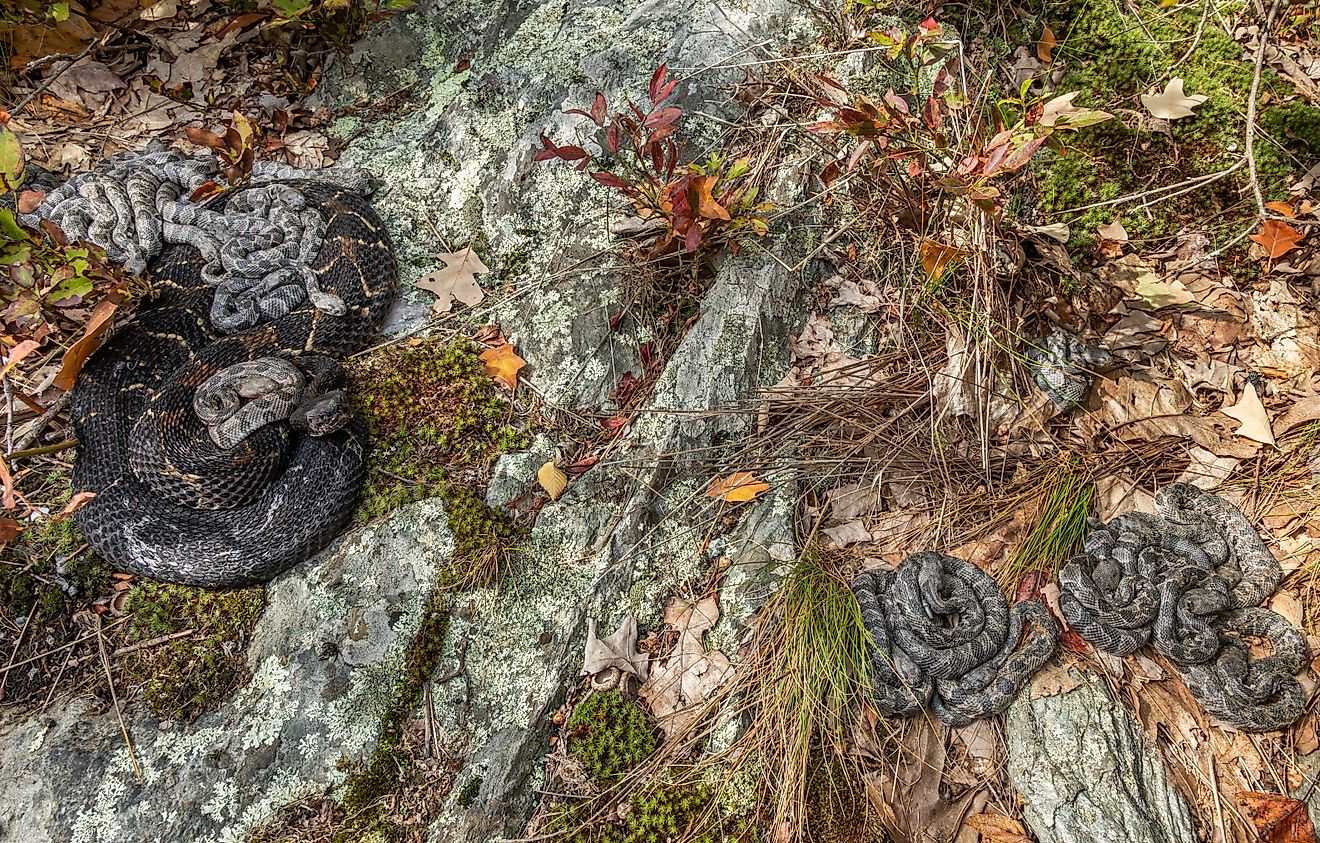
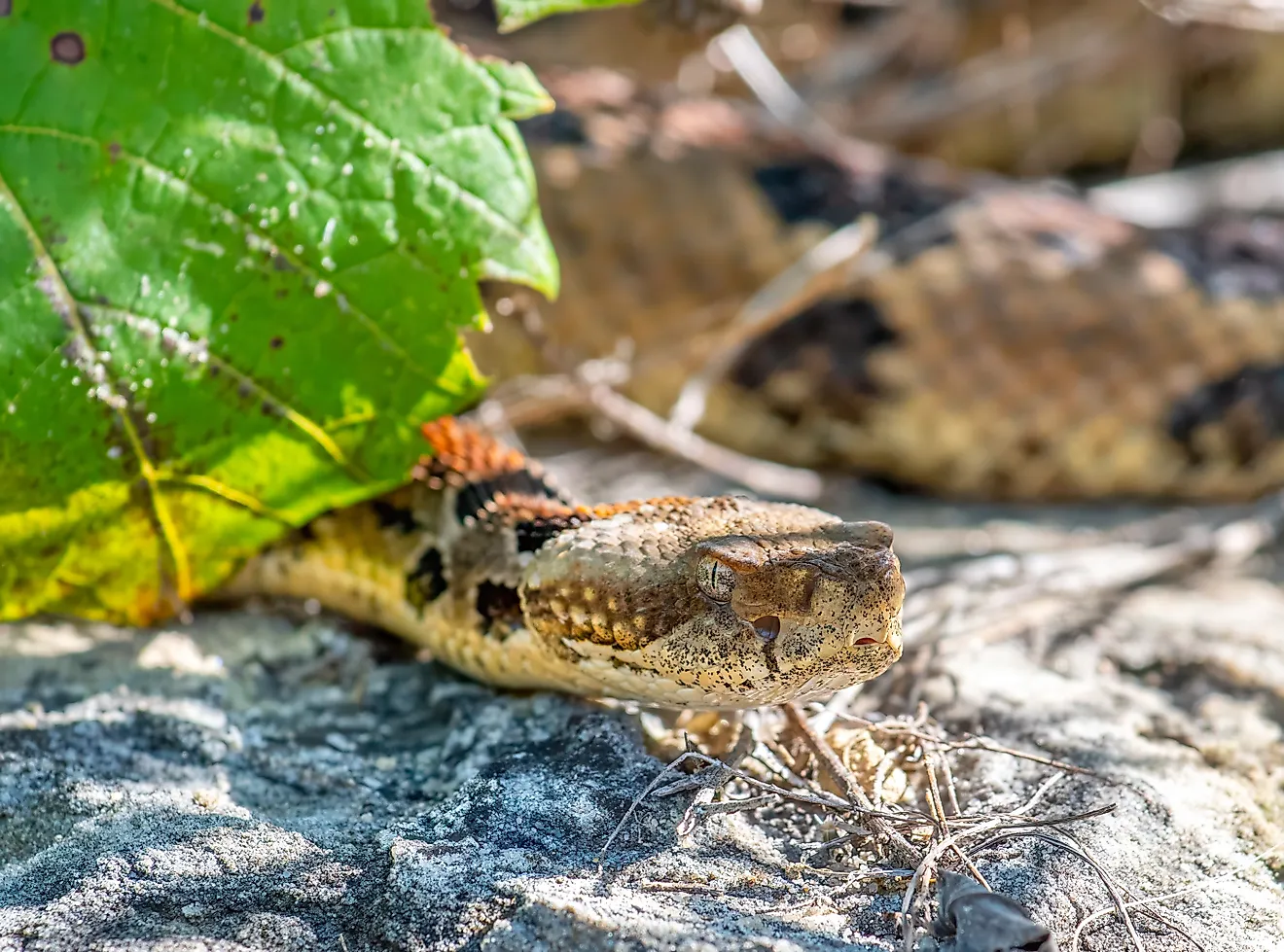
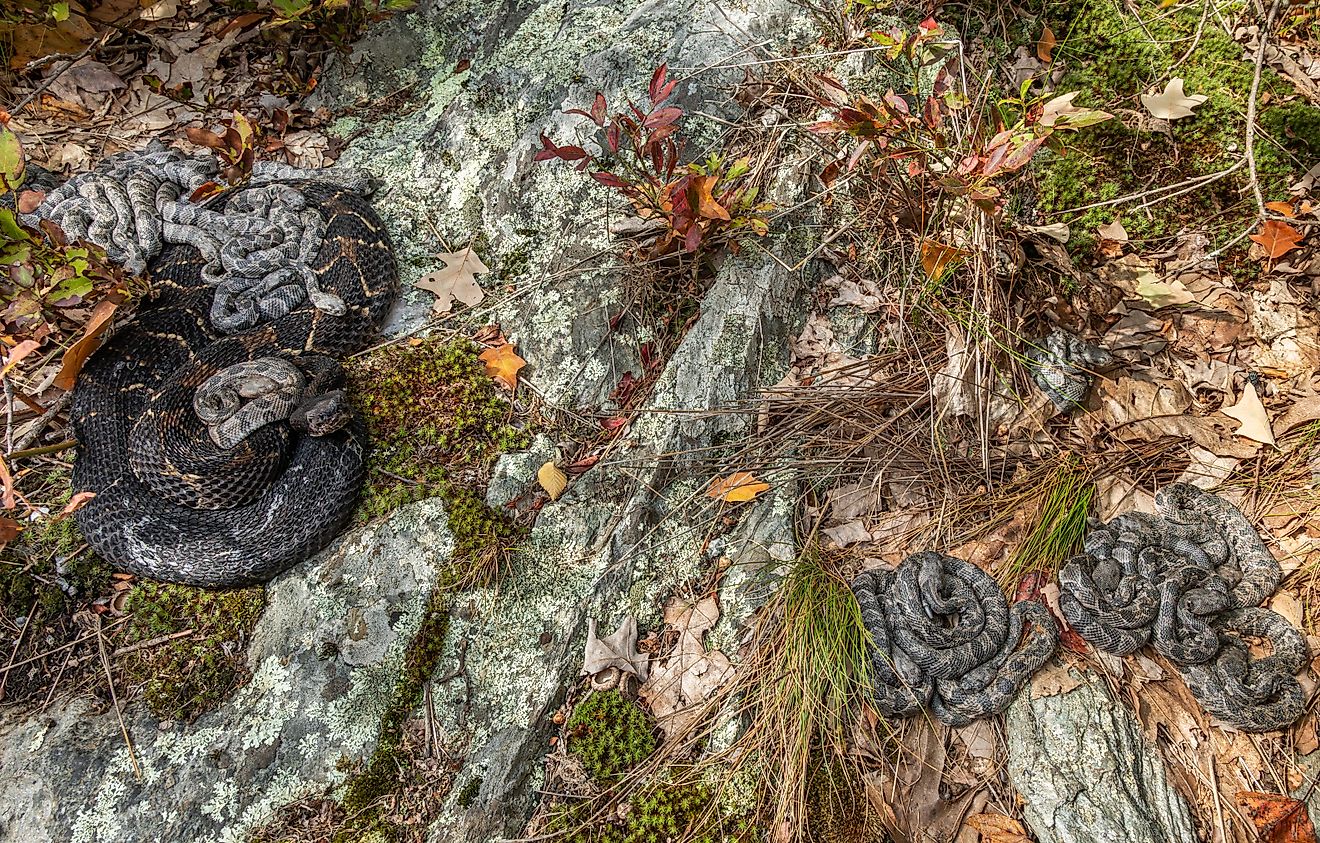
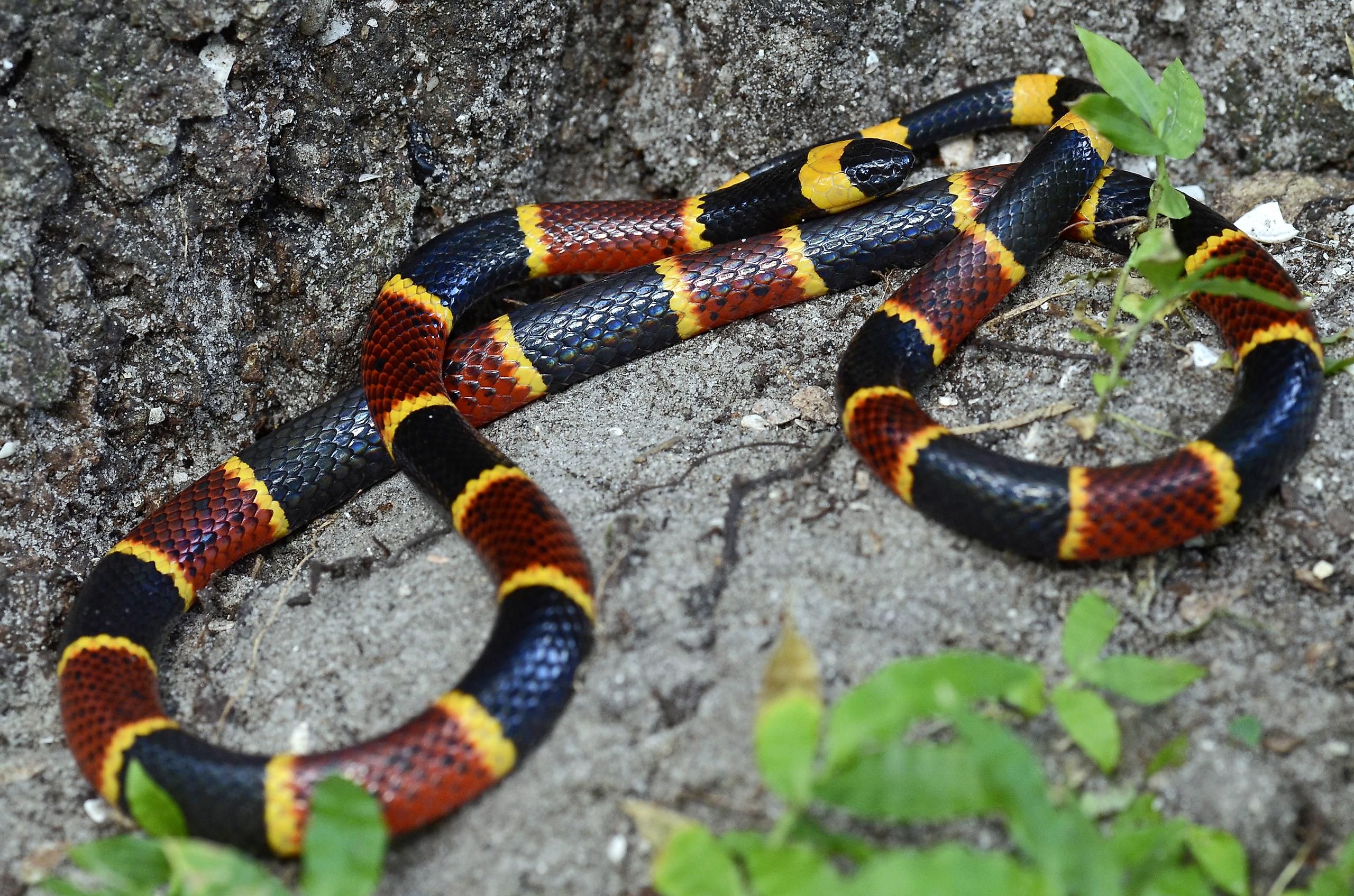
The under-tin roster is a who's who of farm-country snakes: milk snakes, the patterned icon of barnyards, rat snakes and racers, kingsnakes and garter snakes, little ringnecks and DeKay's brown snakes by the handful, and, in much of the East and South, copperheads, which love settled cover as much as any harmless species and are the entire reason the flipping etiquette exists. Assume the venomous possibility every time, in every state that has one.

The technique is itself a small discipline. Flip the sheet toward yourself so the raised metal stands between you and whatever is beneath, never reach under blind, look before you grab, and then, the part that matters most, lower the sheet back exactly as it lay, because a well-settled cover object took seasons to become good habitat and one careless flip un-makes it. Get the landowner's permission, skip the nursery sheets in high summer heat, and the old tin behind the barn will run its quiet hotel for another generation of tenants and another generation of kids getting the warning.
The Best Snake Habitat Money Forgot
So snakes gather under old tin because the tin solves their whole job description at once, heat without hawks, humidity without rain, rodents without hunting far, and a roof that warms faster than any rock in snake country, all of it free where a farm shed surrendered its roof. The grandparent's warning was field biology all along, and the scientists who formalized it into the coverboard survey merely added paperwork to something every barn cat and country kid already knew. Somewhere behind every old barn, the metal is warming in the morning sun, and the day's first tenant has already checked in.