How A Rattlesnake Knows Winter Is Coming
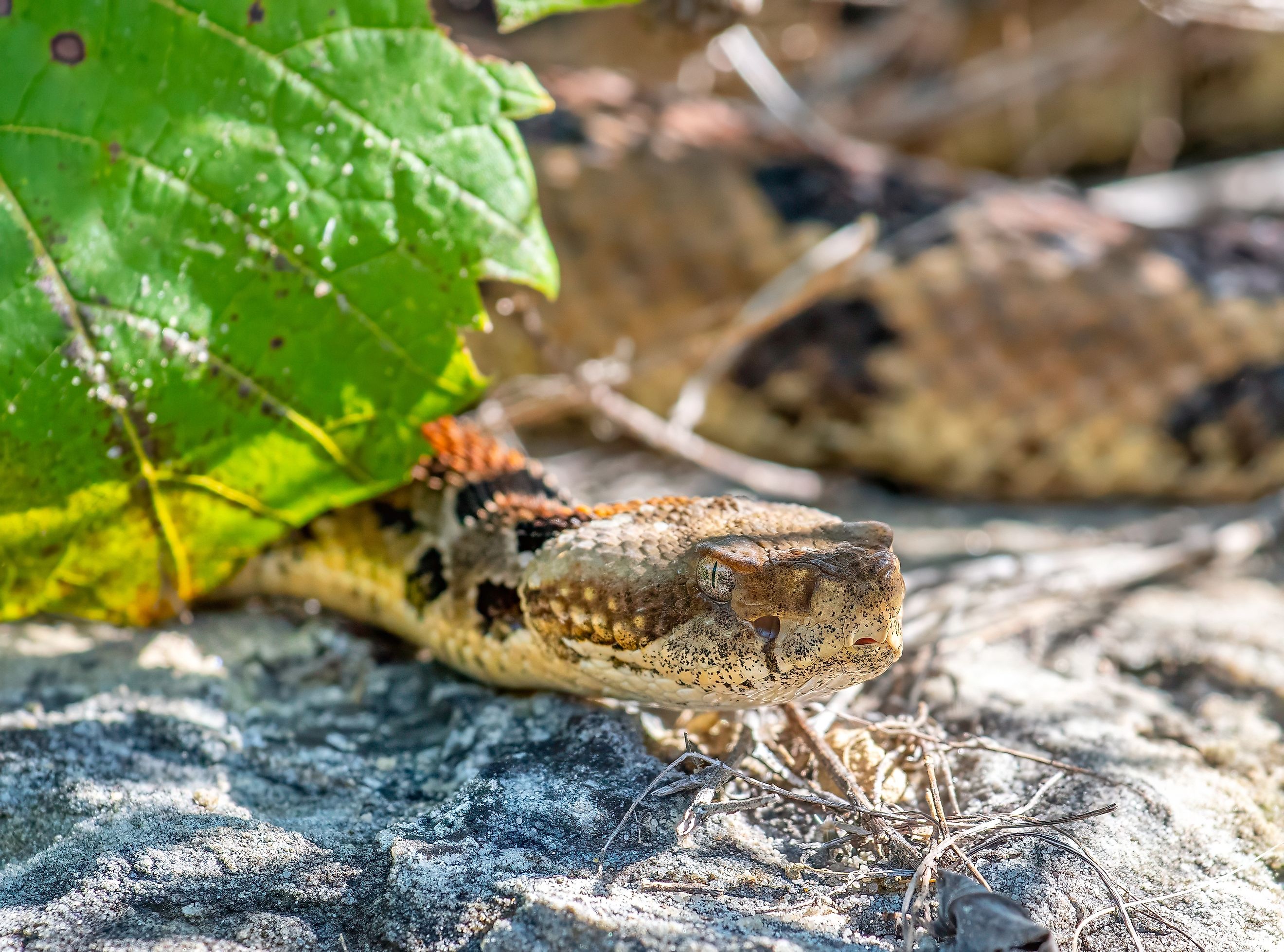
A rattlesnake has no calendar, no thermometer, and certainly no weather app, yet every autumn it somehow knows to abandon its hunting grounds and head for its winter den right on schedule. Miss that cue by too long and the first hard freeze would simply kill it. So how does a cold-blooded animal, with a brain the size of a pea, sense the seasons quietly turning against it? The answer is that it reads the world around it with remarkable precision. Here is how a rattlesnake knows winter is coming.
A Cold-Blooded Clock

A rattlesnake cannot feel "winter" as an abstract idea, because it has no internal furnace to warn it the way a mammal does. As an ectotherm, its body temperature simply matches its surroundings, which makes it exquisitely sensitive to even small changes in that environment. Instead of understanding the season, the snake tracks two reliable physical signals that always accompany the approach of cold: the falling temperature and the shrinking length of the day. Together, those two cues act as a surprisingly accurate seasonal clock.
Falling Temperatures Are the Main Signal

The single most important cue is simply the cold itself. As autumn deepens, air and especially ground temperatures steadily drop, and because the snake's own body cools right along with them, it feels the change directly and immediately. Once temperatures consistently fall below roughly 60°F, the rattlesnake grows sluggish, its metabolism slows, and the urge to find shelter kicks in. It responds not to a single chilly afternoon but to a sustained, trending drop, which is why a passing cold snap in summer does not send it underground, while the steady chill of October does.
Shrinking Daylight Keeps the Calendar

Temperature alone could be misleading, so the rattlesnake relies on a second, steadier signal: the shortening of the days. This dwindling daylight, known as the photoperiod, is a weather-proof seasonal calendar, because unlike temperature it never lies, growing a little shorter every single day regardless of a freak warm spell. As the hours of daylight shrink through the fall, they trigger hormonal changes that prime the snake for dormancy, warning it that winter is on the way even before the serious cold arrives. The combination of a reliable calendar and a direct thermometer is what keeps the snake from being fooled by a brief Indian summer.
The Body Feels the Shift
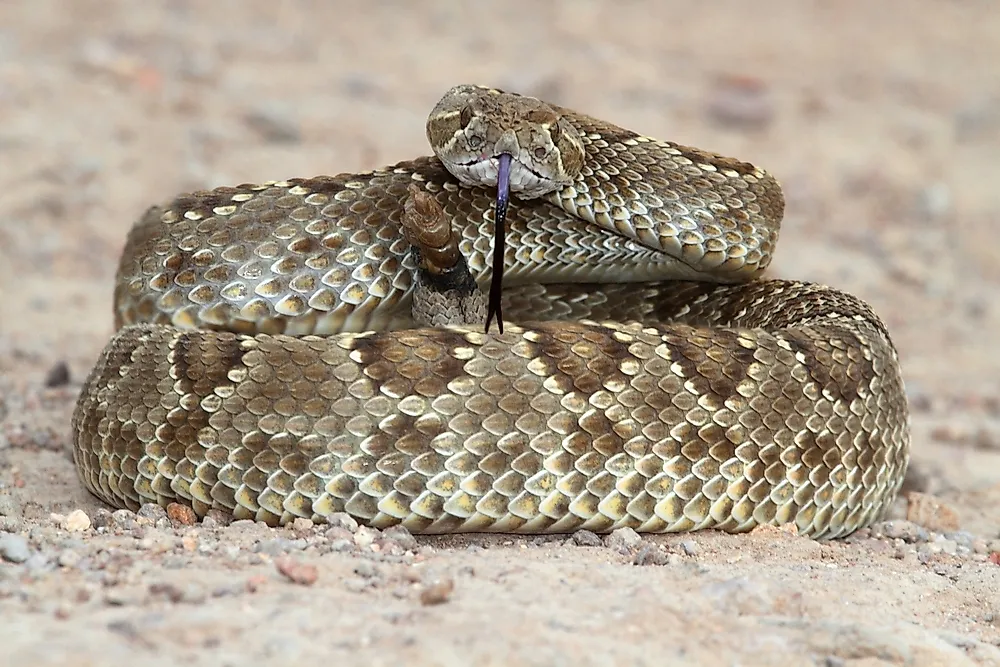
Beyond temperature and daylight, the snake also simply feels the season in how its own body performs. As fall tightens its grip, warming up enough to hunt becomes harder and harder, so the rattlesnake spends more of its day basking and far less of it on the move. Its appetite falls off too, and it deliberately stops eating, clearing out its gut so that no undigested food is left to rot inside it during the cold months ahead. This growing struggle to stay warm and active is itself a powerful cue that the active season is finally ending.
Heading for the Den

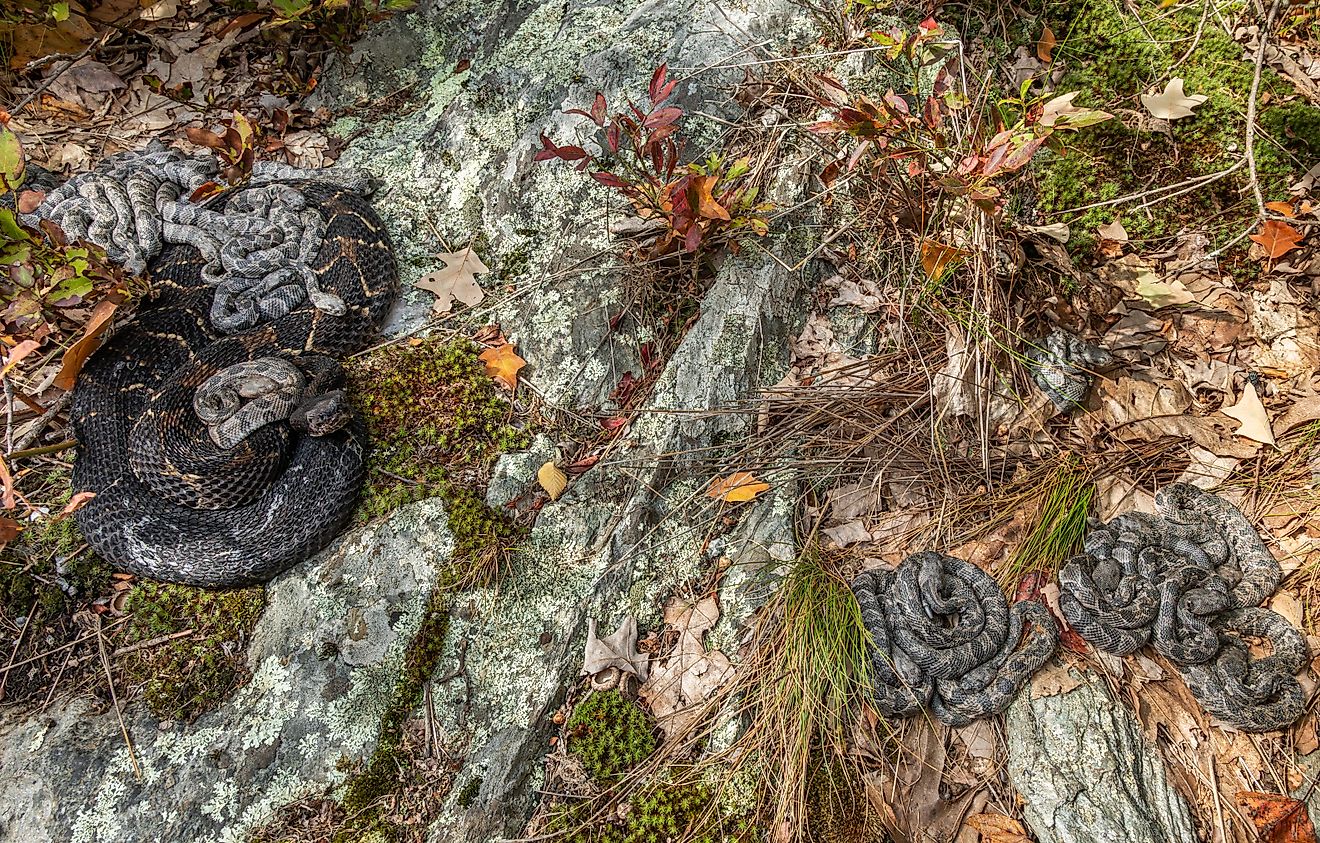
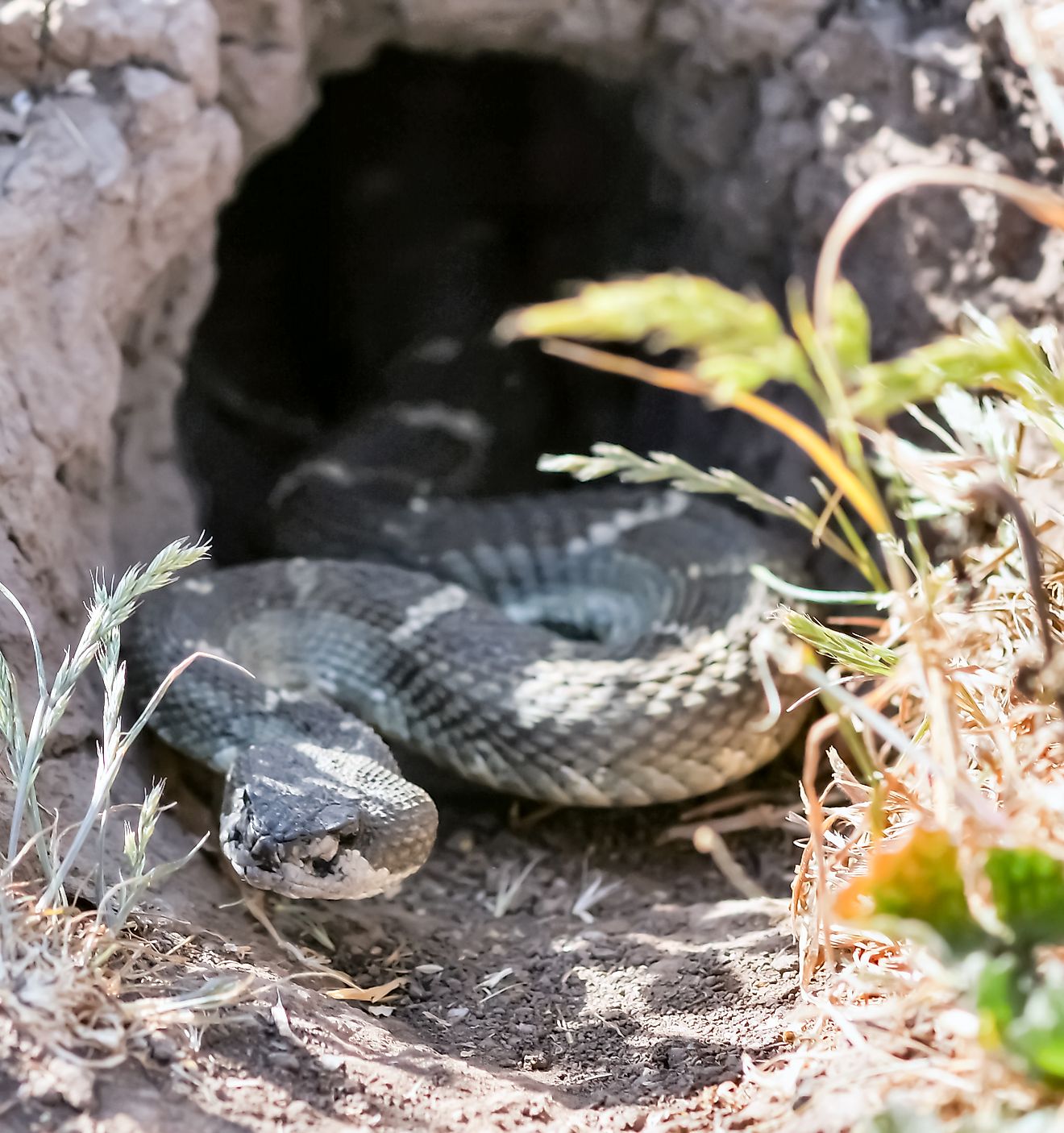
Once the signals line up, the rattlesnake acts. It travels, sometimes a surprising distance, back to its traditional winter den, a frost-free refuge called a hibernaculum set into rock crevices, deep burrows, or hollows below the frost line. Many rattlesnakes return to the very same ancestral den year after year, often packing in communally with dozens of other snakes to share the slightly warmer, more stable space. There they settle in to brumate, waiting out the winter in a deep slowdown until spring's rising temperatures and lengthening days finally signal that it is safe to come back out. So a rattlesnake never truly predicts the winter; it reads it, in the cooling ground and the fading light, and quietly slips underground just before the cold it cannot survive arrives.