Sidewinder
The deserts of the American Southwest are home to some of the most remarkable wildlife on Earth, but few creatures are as distinctive as the sidewinder. Instantly recognizable by its unusual sideways movement and horned appearance, this small rattlesnake has evolved a variety of adaptations that allow it to thrive in one of the planet's harshest environments. From navigating scorching sand dunes to ambushing prey while nearly invisible beneath the surface, the sidewinder is a true master of desert survival.
What Is A Sidewinder?

Crotalus cerastes, better known as the sidewinder, is a small species of rattlesnake, measuring 17 to 31.5 inches (43 to 80 cms) from tail tip to nose tip. Females are often larger than males, making them unique among United States rattlesnakes. Three subspecies are currently recognized: the Mojave Desert sidewinder (C. c. cerastes), Colorado Desert sidewinder (C. c. laterorepens), and Sonoran Desert sidewinder (C. c. cercobombus).
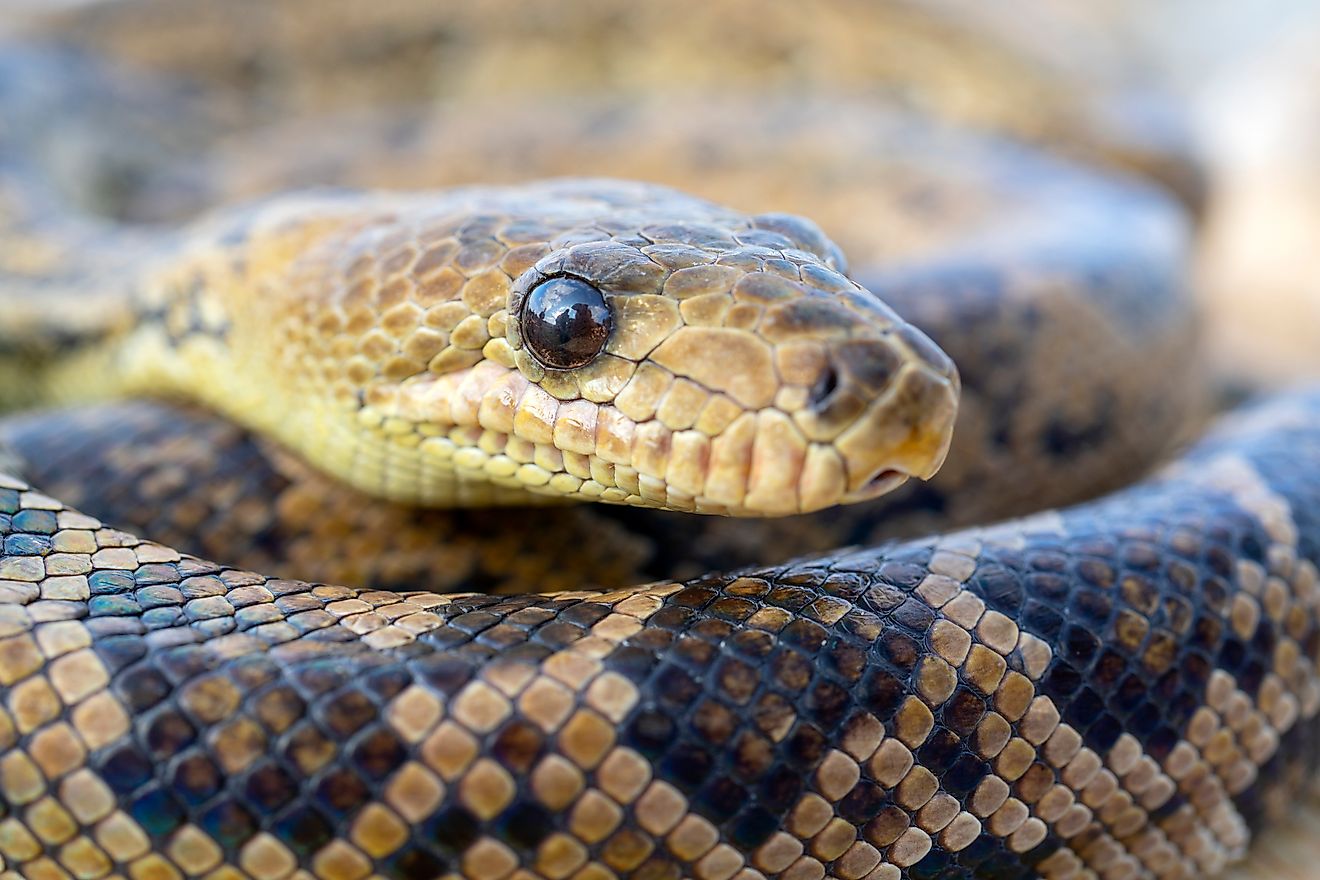
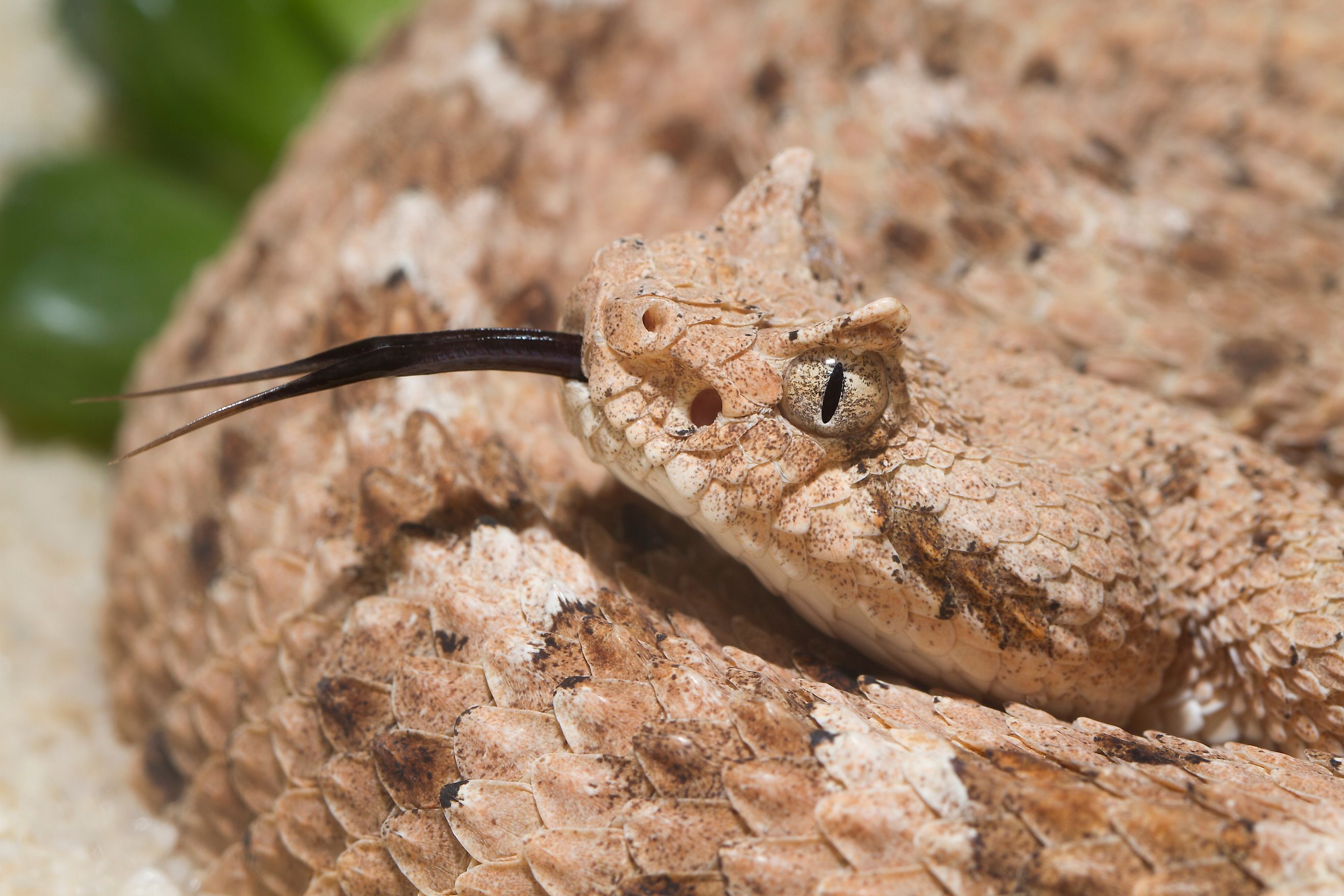
One common nickname is "horned rattlesnake". This is due to the raised supracolar scales above its eyes. These horn-like scales are an adaptation that not only helps shade the eyes but also prevents sand from drifting over them as the snake stays buried in it. They are flexible and fold when moving through burrows or tight spaces, or when pressure is applied to the top. Many older adults show worn or absent horns from years of underground travel.
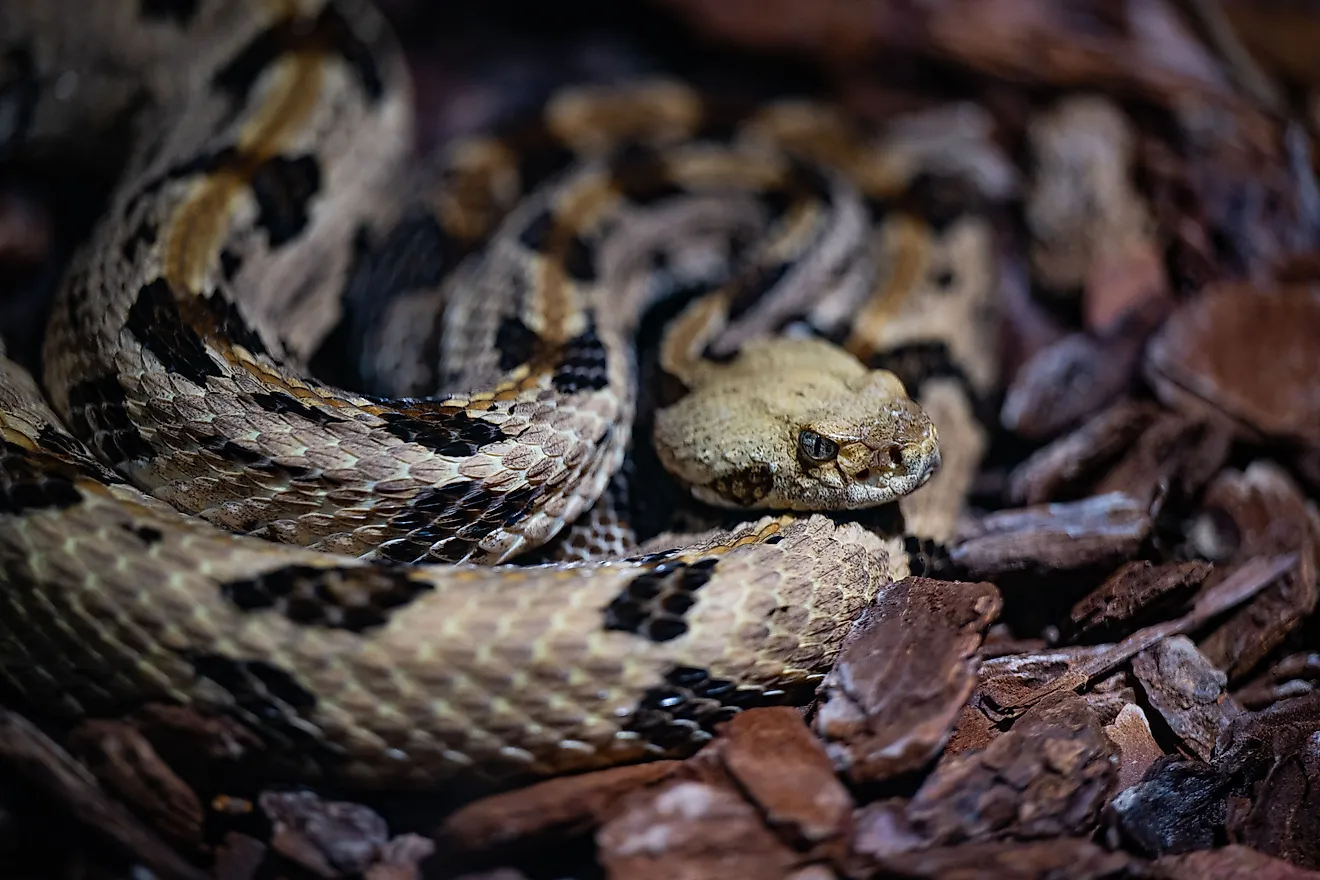
The coloration varies considerably with temperature and substrate, ranging from pale cream to gray, tan, and brown. There are dark blotches that run down the spine, flanked by rows of smaller dark spots on each side. The tail has alternating dark and light bands, and there is also a dark stripe that extends diagonally from each eye towards the jaw. Subspecies differ in rattle coloration. For example, the Colorado Desert sidewinder has a black basal rattle segment, while the Mohave Desert sidewinder has a brown one.
Habitat and Range

Sidewinders primarily live in the southwestern United States in the desert region of southeastern California, southern Nevada, southwestern Utah, and western Arizona. They can also be found in northern Mexico. They occupy open desert terrain with windblown sand, including sandy washes, dune systems, and alluvial fans where loose substrate enables their specialized sidewinding locomotion. Sidewinders are most commonly found in stabilized or semi-stabilized sandy habitats and are less common in highly unstable dune fields. A favorite spot is the small sand accumulations around the bases of desert shrubs. It provides shade, but it is often where their food source stays. They have been spotted on hardpan flats, vegetated sand hummocks, gravelly areas, rocky slopes, and lava flows. The most important habitat requirement appears to be loose, sandy substrate suitable for burrowing, concealment, and sidewinding locomotion, although rodent burrows are frequently used as shelter.
The Famous Sidewinding Motion

Sidewinding is a specialized form of locomotion in which portions of the snake's body remain in contact with the ground while other sections are lifted and moved forward. This movement allows sidewinders to travel efficiently across loose sand and other unstable surfaces that can be difficult for many animals to navigate.
Researchers believe sidewinding evolved as an adaptation to sandy desert environments. In addition to providing efficient movement on loose substrates, the technique minimizes the amount of body surface in contact with hot sand at any given time. By reducing both contact area and contact duration, sidewinders can move across extremely hot desert terrain more effectively. Their movement leaves distinctive J-shaped tracks, with the hooked end indicating the direction of travel.
Despite their name, sidewinders do not rely exclusively on sidewinding. When moving through dense vegetation, rocky terrain, or other environments where sidewinding is less effective, they can use more typical snake locomotion, including serpentine crawling. The method of movement depends largely on the terrain they are crossing.
Behavior

Sidewinders are active primarily from March through October. In southern California, activity may extend from February through November. Populations in northwestern Mexico can remain active throughout the year, although activity levels may decline during cooler periods. During the winter months, sidewinders seek shelter in rodent burrows, self-excavated retreats, and rock crevices. On mild winter days, they may emerge to bask and forage.
Active sidewinders typically maintain body temperatures near 32°C (89°F) through behavioral thermoregulation. As temperatures decline, activity levels decrease, and the snakes retreat to sheltered refuges. During periods of extreme heat, they seek refuge in burrows or create shallow depressions in loose sand by a behavior known as cratering. By wiggling their bodies, they push sand over themselves, helping them remain concealed and avoid excessive heat. Although generally considered calm-tempered, sidewinders often rely on camouflage when encountered. They may remain motionless and tightly coiled, blending into the surrounding substrate until the threat has passed or moved away.
Diet and Hunting Techniques

Lizards and small mammals dominate the diet of the sidewinder. Juveniles feed primarily on lizards, while adults consume increasing numbers of small mammals as they mature. Diet composition varies among populations and age groups, but lizards remain an important prey source throughout life. The preferred lizard prey includes whiptail lizards, fringe-toed lizards, and side-blotched lizards. Common mammal prey includes kangaroo rats, pocket mice, and deer mice. They have been known to occasionally consume small birds, nestlings, and other snakes.
They are ambush predators. Adults coil near rodent or lizard burrows, sometimes covering themselves in sand while leaving only their heads and necks exposed. When their prey approaches, they strike, inject venom, and then release the victim. After that, they follow the scent trail to the immobilized prey. Lizards are often retained in the mouth after being struck. Although they are primarily active predators, opportunistic scavenging may occur on rare occasions.
Reproduction and Life Cycle

Mating primarily occurs during the spring, typically from March through June, although some populations experience a secondary breeding period in the fall. During the breeding season, males become more mobile and may travel considerable distances in search of receptive females. Unlike some rattlesnake species that gather in large communal winter dens, sidewinders generally overwinter alone or in small groups, requiring males to search widely for mates. Both sexes typically reach sexual maturity at approximately three years of age, although the exact timing varies among individuals and populations.

Sidewinders are viviparous, meaning they give birth to live young rather than laying eggs. Gestation lasts approximately 4 to 5 months, after which females give birth to litters ranging from 2 to 18 young. Larger females generally produce more numerous and heavier offspring. Newborns average about 7 inches (18 cms) in length and possess a small, rounded button at the tip of the tail that cannot yet produce a rattling sound. Young sidewinders become independent within hours of birth and typically disperse from the birth site within about a week.
In the wild, sidewinders face numerous predators, including kingsnakes, coachwhips, roadrunners, hawks, owls, foxes, bobcats, ravens, and occasionally larger snakes. As with many reptiles, individuals generally live longer in captivity, where protection from predators, a consistent food supply, and veterinary care can allow some snakes to survive for two decades or more.
Venom and Human Encounters

Sidewinder venom is generally considered less medically significant than the venom of some larger rattlesnake species, although any rattlesnake bite should be treated as a medical emergency. Because sidewinders inhabit sparsely populated desert environments, human encounters and bites are relatively uncommon.
Their venom contains proteins and enzymes functioning primarily as hemotoxins. The immediate effects include intense pain, progressive swelling extending beyond the bite location, tissue discoloration, potential tissue death, bleeding complications, and impaired blood clotting. Among California’s rattlesnakes, the sidewinder bite typically results in less severe envenomations than larger species.
The sidewinder is far more than just a rattlesnake with a unique way of moving. Its specialized locomotion, exceptional camouflage, and ability to survive in extreme desert conditions showcase the incredible adaptability of wildlife. Although encounters with humans are relatively uncommon, understanding these remarkable snakes can foster greater appreciation and respect for the role they play in nature. Whether gliding across a dune or lying hidden beneath the sand, the sidewinder remains one of the desert's most fascinating and perfectly adapted inhabitants.