What Happens When A Snake Den Floods In Winter
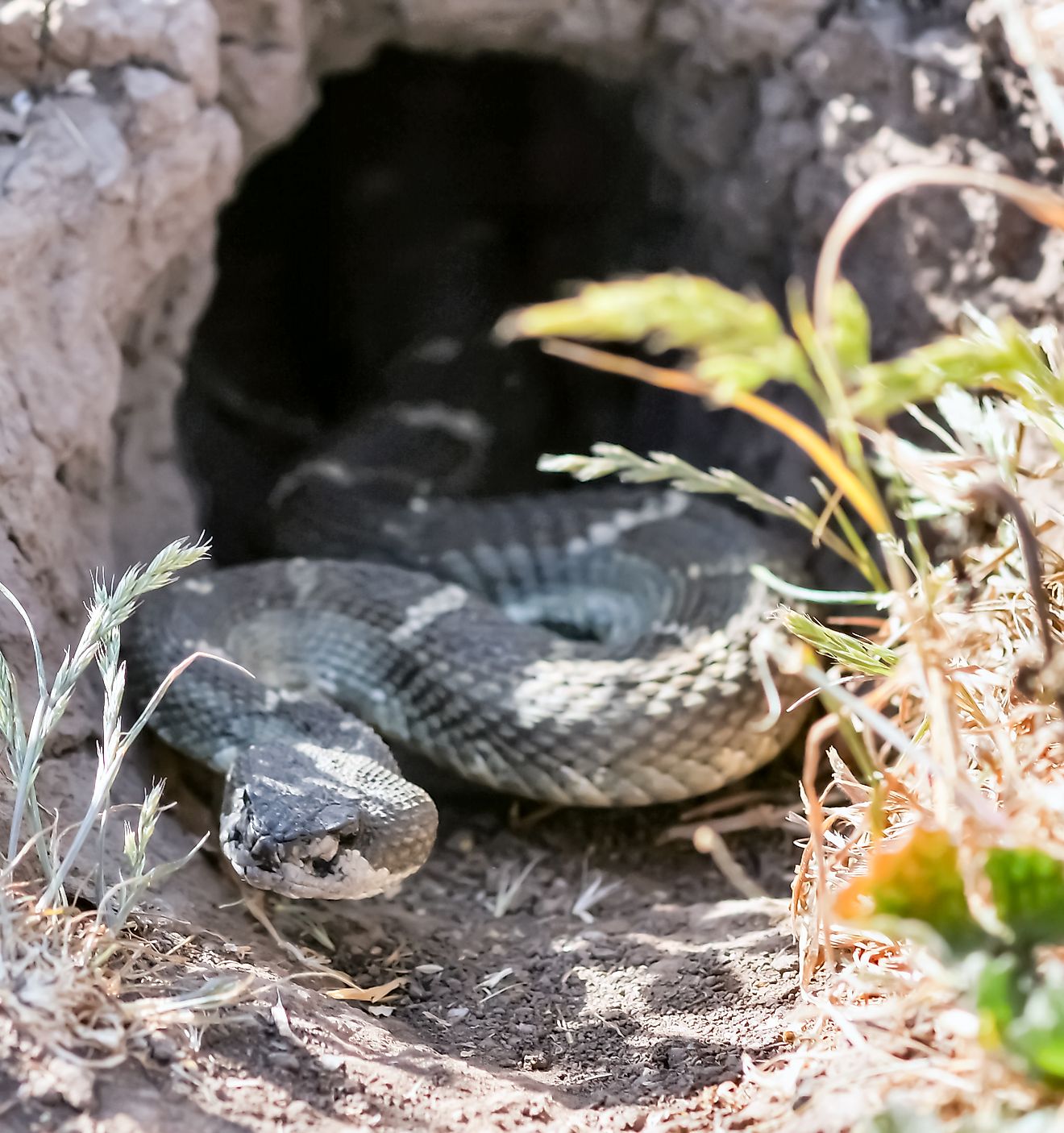
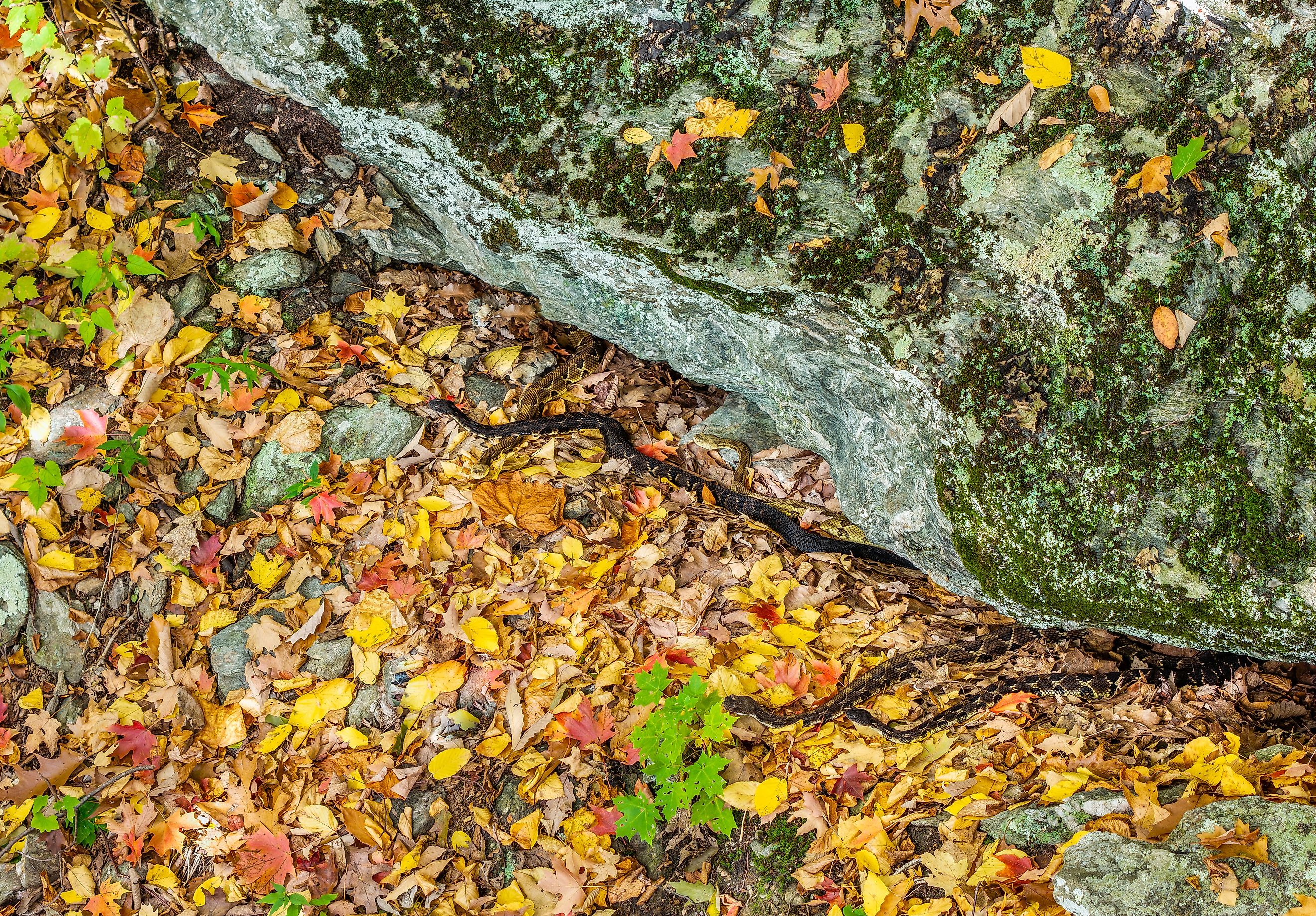
All winter long, snakes wait out the cold packed into underground dens below the frost line, slowed almost to a complete standstill. For that shelter to work, it has to thread a very fine needle: stay above freezing, yet never fill up with water. When a den floods in the middle of winter, that balance collapses, and a safe refuge turns into a death trap almost instantly. So what actually happens to the snakes trapped inside? Here is what happens when a snake den floods in winter, and why it can be so deadly.
The Den's Narrow Safe Zone

A snake's winter den, called a hibernaculum, has to do two things at once. It must sit deep enough underground to stay above freezing, below the line where frost reaches, but it also has to keep an air space that does not flood. Biologists sometimes call this sweet spot the "life zone," a pocket that stays both unfrozen and un-submerged all winter long. Heavy rain, rapid snowmelt, or a rising water table can push water straight into that pocket, and once it does, the snakes huddled inside are suddenly in very serious trouble.
Can a Snake Drown?

The surprising answer is yes, but not as quickly as you might think. A brumating snake's metabolism is slowed so dramatically that it needs very little oxygen, and it can even absorb some directly through its skin, a trick it actually ramps up when forced underwater by a flood. Thanks to this, a snake can survive being fully submerged in cold water for a few hours. But that is strictly a short-term fix; it runs up an oxygen debt it cannot easily repay, and if the flooding lasts and the air pocket is gone, the snake eventually drowns.
A Deadly Lose-Lose

What makes flooding so lethal is that it leaves a torpid snake with two terrible options. It can stay down in the den and risk drowning, or it can rouse itself and climb toward the surface, only to escape the water and run straight into the lethal freezing air above. Too cold and sluggish to move quickly, buried deep underground, and sometimes hit by water that rises fast, many snakes simply cannot get out in time. Flooding, in other words, can kill the snakes right where they lie or force them out into the cold to freeze.
When a Whole Den Drowns

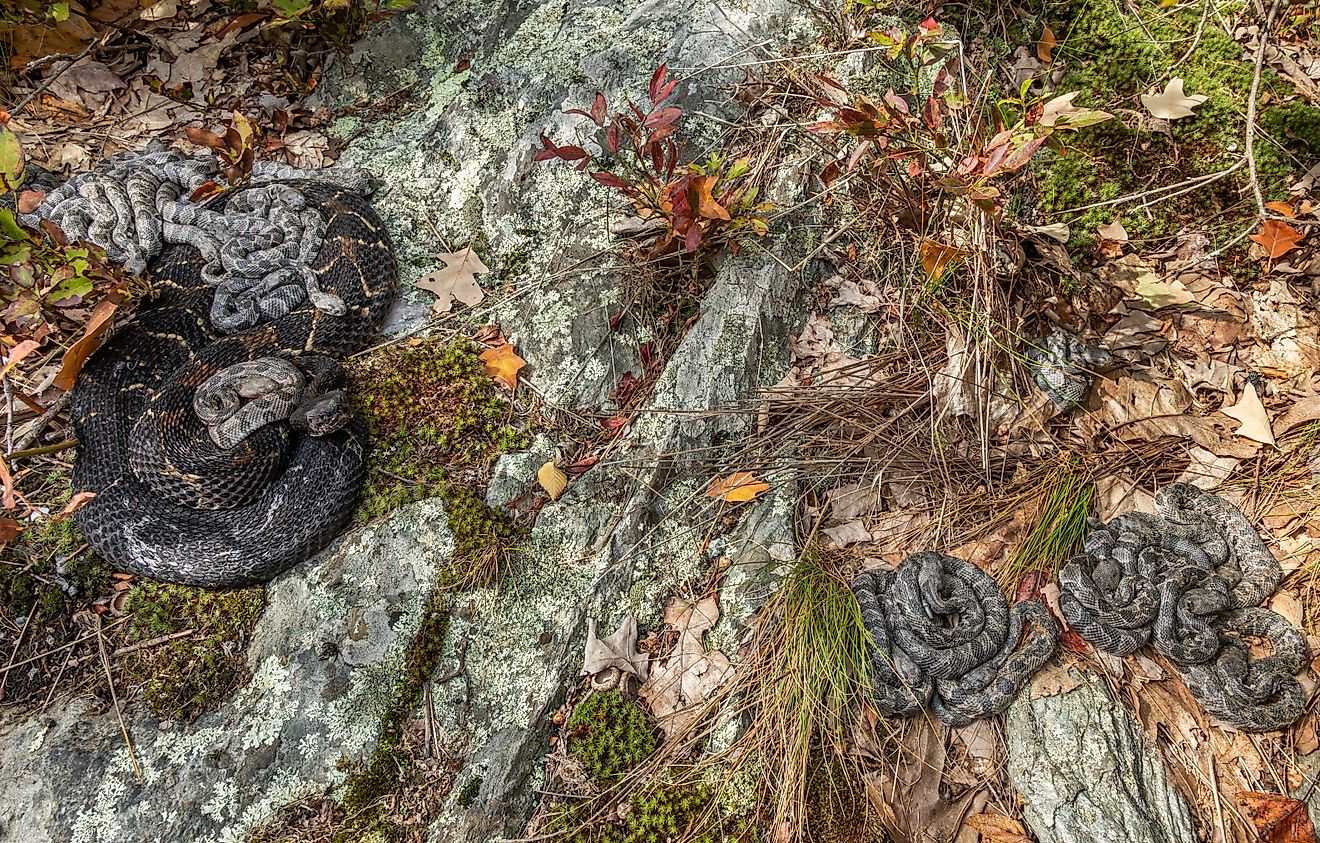
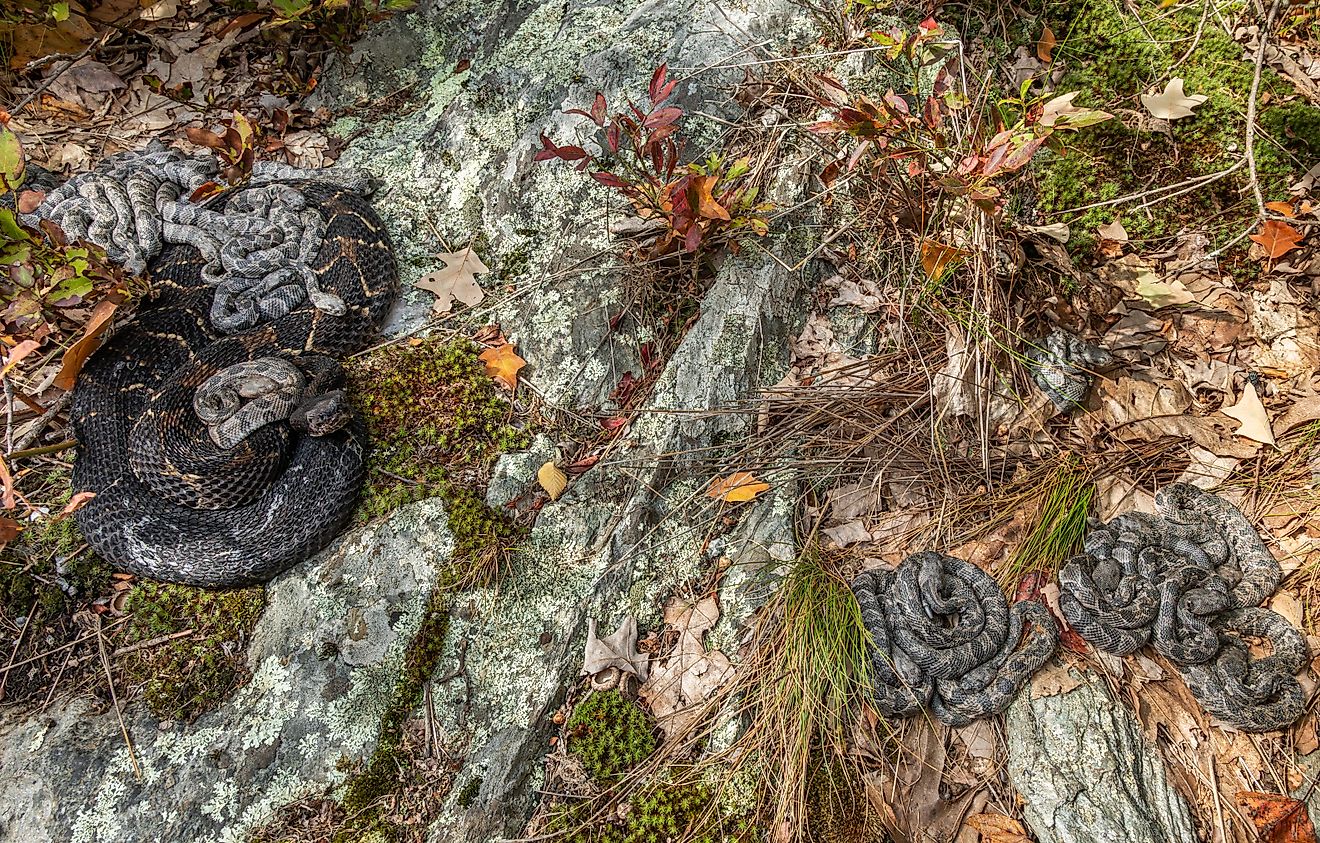
The real tragedy is that snakes very often overwinter communally, with dozens, hundreds, or in famous cases even thousands of animals sharing a single den. That means one flood can wipe out an enormous number of snakes in a single event. Researchers have documented exactly these mass winter die-offs from flooding, including among the huge red-sided garter snake dens of the northern plains, and after such a flood the number of snakes seen at a site can crash. A single bad night of rising water can erase much of a local population at once.
A Little Water Helps, Too Much Kills

There is one important nuance here: a bit of moisture in a den is actually a good thing. Snakes still need to drink through the winter, and dehydration is itself a real killer, especially of young snakes, so a slightly damp den can help them stay hydrated. The danger is not moisture but a true flood that fills the air space and cuts the snakes off from oxygen. That distinction is becoming more important, too, because heavier winter rainstorms and rising water tables tied to a changing climate are making serious den flooding more common, a growing threat to the many snake populations that depend on just a handful of traditional dens. So a flooded winter den is one of the quiet catastrophes of the cold season, drowning or displacing snakes that had done everything right, and a sharp reminder of just how precarious a sleeping snake's survival really is.