Why Some Rattlesnakes Only Give Birth Every Three Years
Most animals reproduce every year, and plenty of them manage it several times in a single season. Some rattlesnakes, by contrast, become mothers only once every three years, and a few go even longer than that between litters. For a female, giving birth can be one of the rarest events of her entire life. So why does this iconic American snake reproduce so astonishingly seldom? The answer comes down to a brutal accounting of energy. Here is why some rattlesnakes only give birth every three years.
A Baby Every Few Years

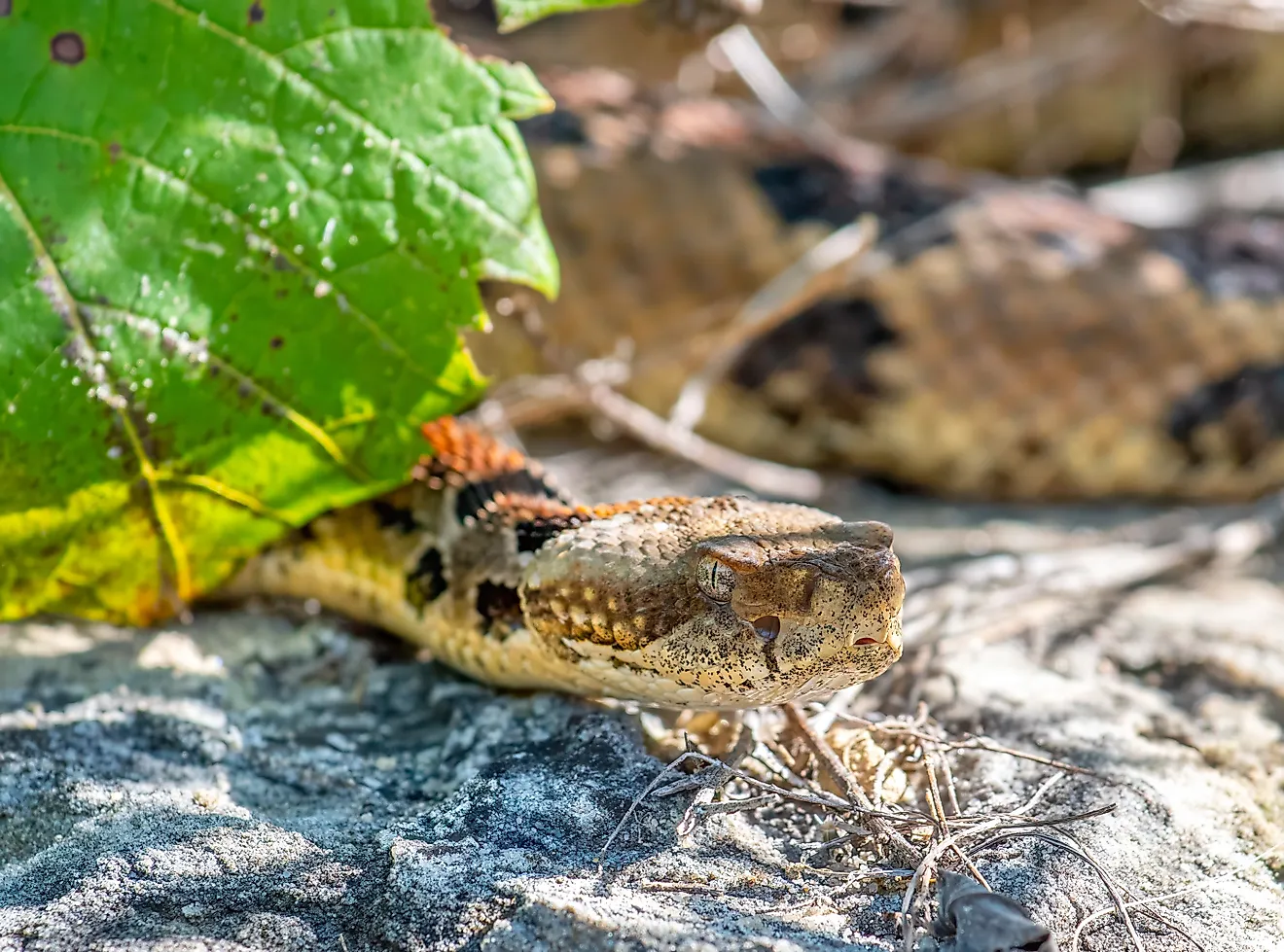
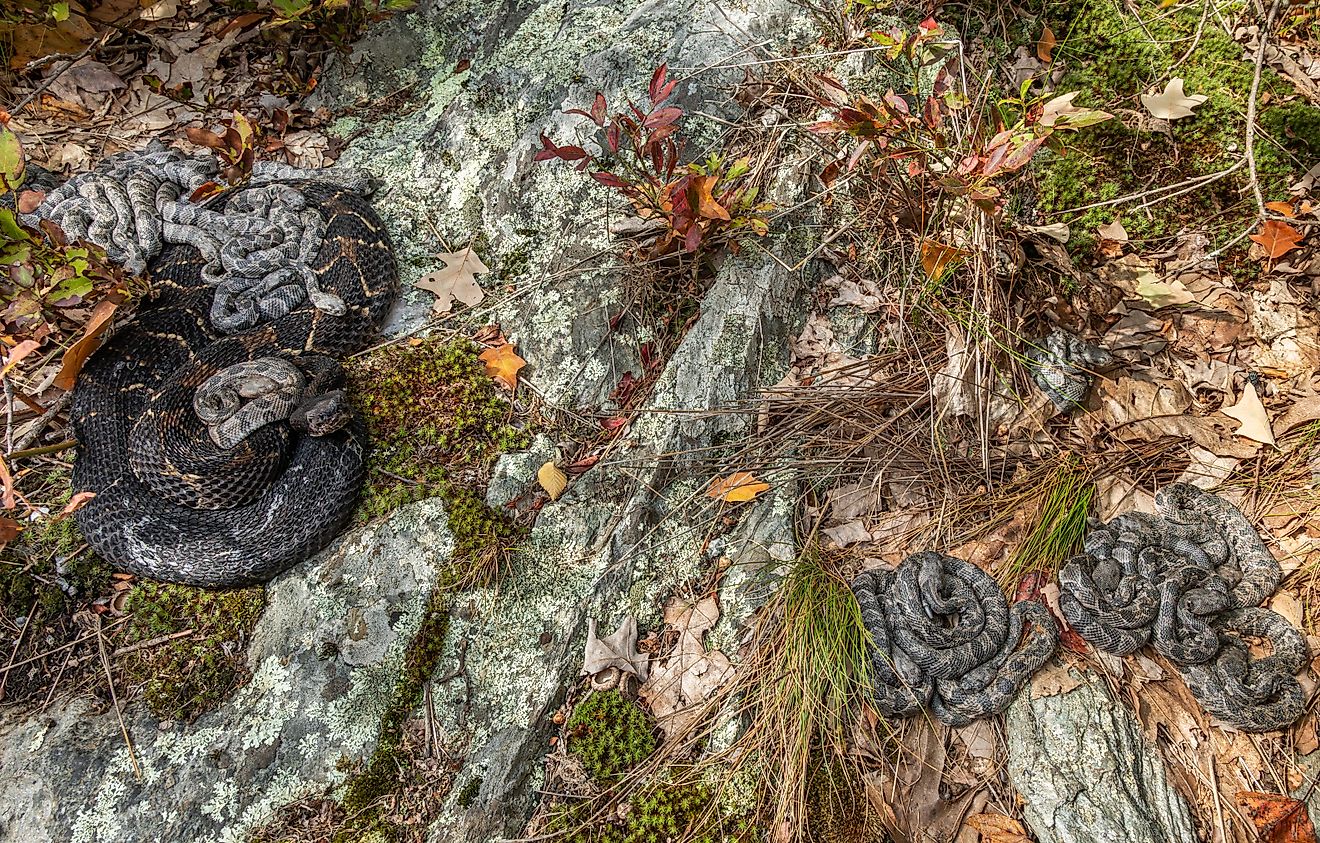
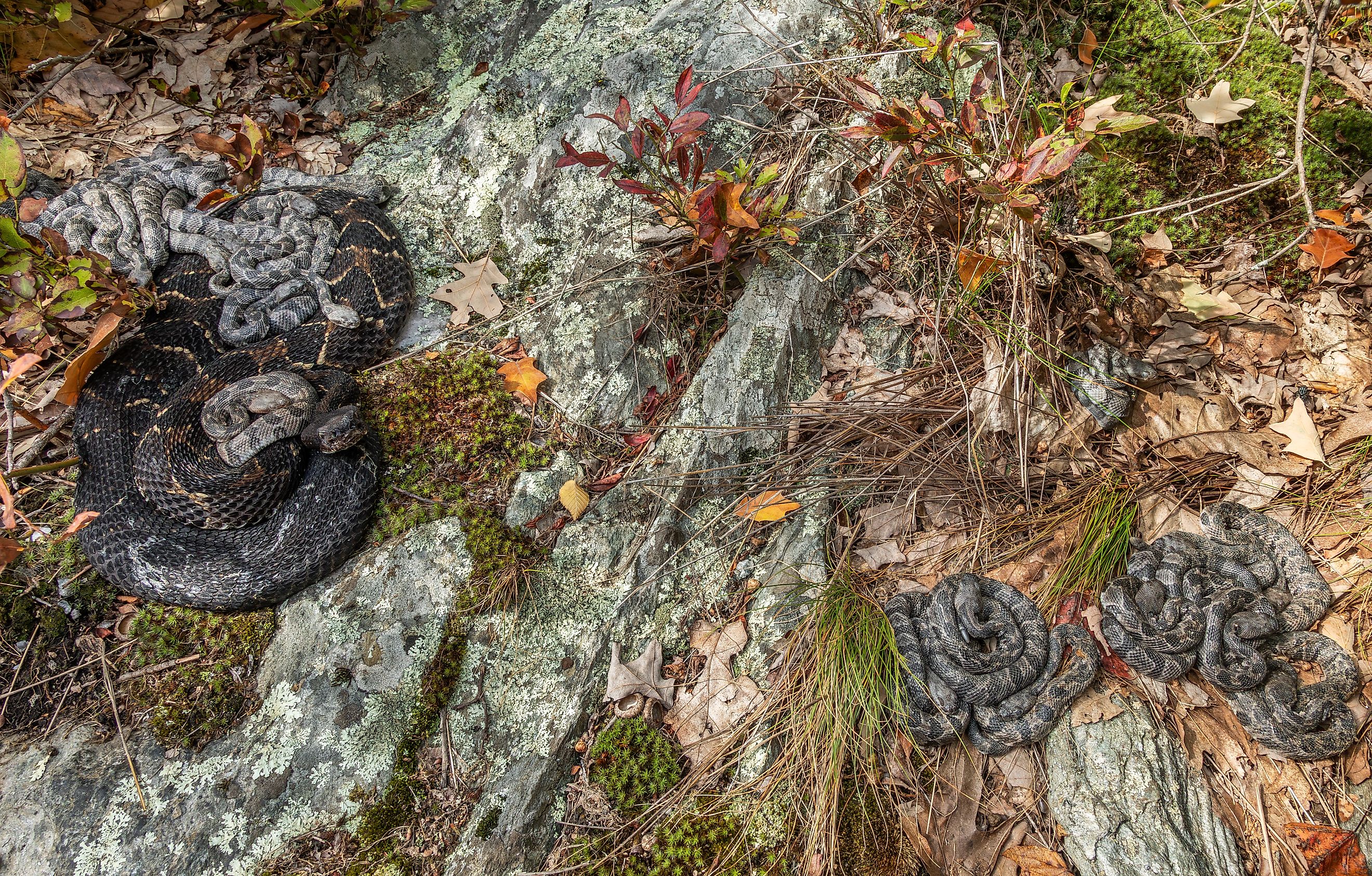
Unlike most reptiles, rattlesnakes are not annual breeders. Across much of their range, females reproduce only once every two to three years, and in the coldest, highest, or most northern populations the gap stretches longer still. Timber rattlesnakes are the extreme case, reproducing on average only about once every four years, with some females waiting a full five years between litters. Only in the warmest, most food-rich regions do rattlesnakes manage to breed as frequently as every other year.
Pregnancy Costs a Fortune

The root of the problem is that rattlesnake pregnancy is extraordinarily expensive. Rattlesnakes do not lay eggs; they are live-bearers, carrying and warming their developing young inside their bodies for three to five months. Growing an entire litter internally drains a staggering share of a female's resources, and by the time she gives birth she may have lost a third or more of her pre-pregnancy body weight. She emerges from the ordeal thin, weakened, and badly in need of a long recovery.
A Short Season to Stock Up

That recovery is where the short calendar becomes a serious obstacle. Rattlesnakes in cold, high, or northern places are only active and able to hunt for a few months each year, spending the long remainder brumating underground. In a single brief season, a recovering female often simply cannot catch enough prey to rebuild the fat she spent on her last litter, let alone bank enough to fuel the next one. Stockpiling the reserves for another pregnancy can therefore take two, three, or even more of those short seasons.
The Capital Breeder Strategy

Biologists call animals like this "capital breeders," because they slowly accumulate a store of energy over months or years and then spend it all at once, much like drawing down savings. A rattlesnake builds up fat during the good times, invests the entire reserve in a single litter, and then must earn it all back before she can breed again. The link is so direct that a good prey year can boost the size of a female's litter the following season, while drought and lean years can shrink litters or delay breeding entirely. For a snake living on a tight energy budget in an unpredictable landscape, breeding only every few years is simply the math working itself out.
Why the Slow Pace Matters
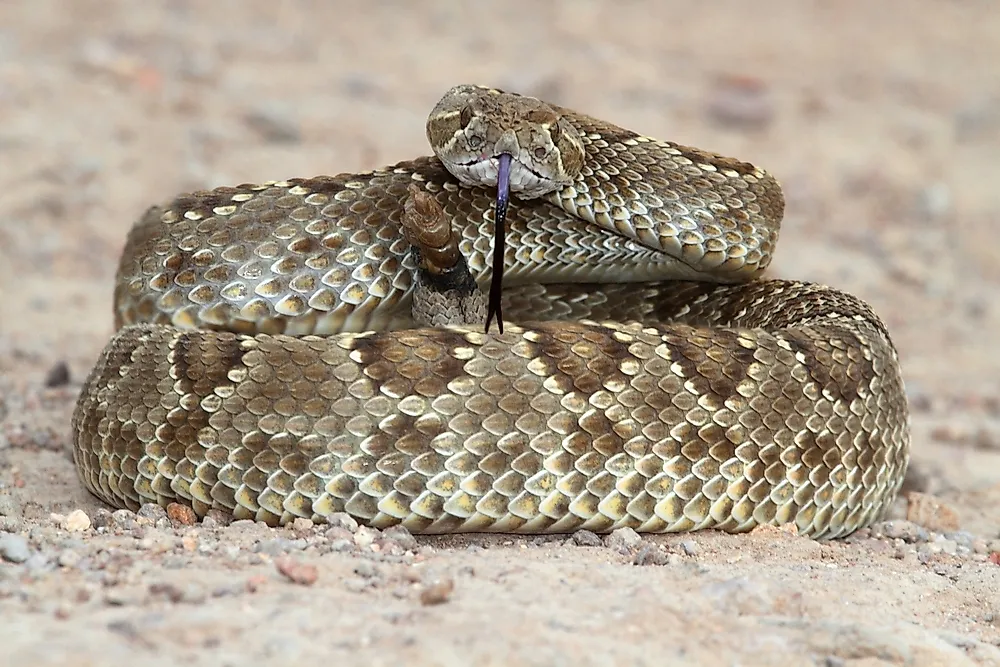
This unhurried reproductive pace carries some serious consequences. Female rattlesnakes often do not breed for the first time until they are seven to ten years old, and then they produce a litter only once every few years across a long life. That means rattlesnake populations grow and recover extremely slowly, far more slowly than most people assume. When snakes are killed in large numbers, lose their denning habitat, or face repeated droughts that suppress breeding, their numbers can crash and then take decades to rebuild, which is a big part of why the timber rattlesnake is now threatened or endangered across much of the northern US. So a rattlesnake that gives birth just once every three years is not being lazy; she is running one of the most demanding energy budgets in the entire animal world, and that rare litter represents years of patient saving spent all in one go.