How Long Rattlesnakes Live
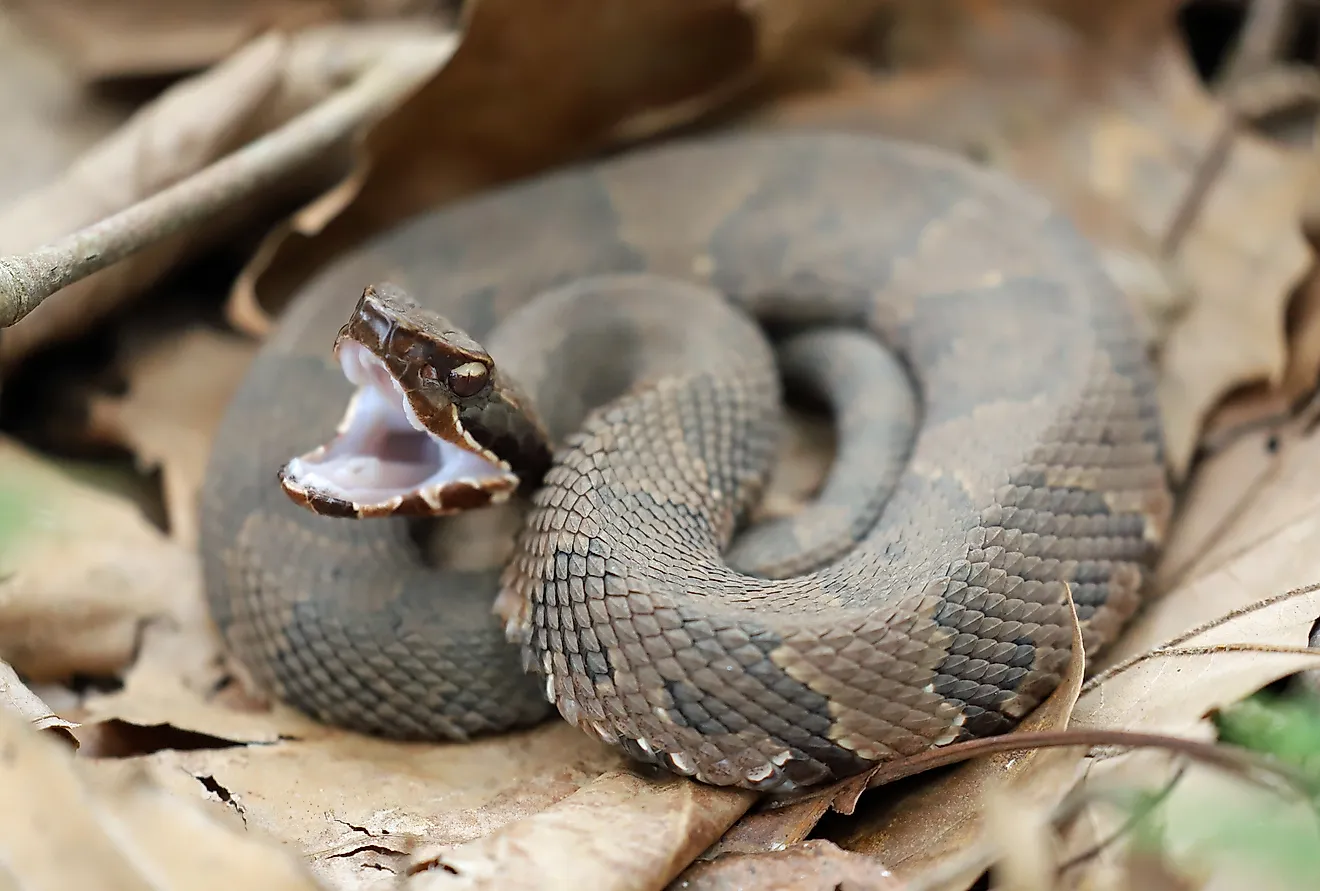
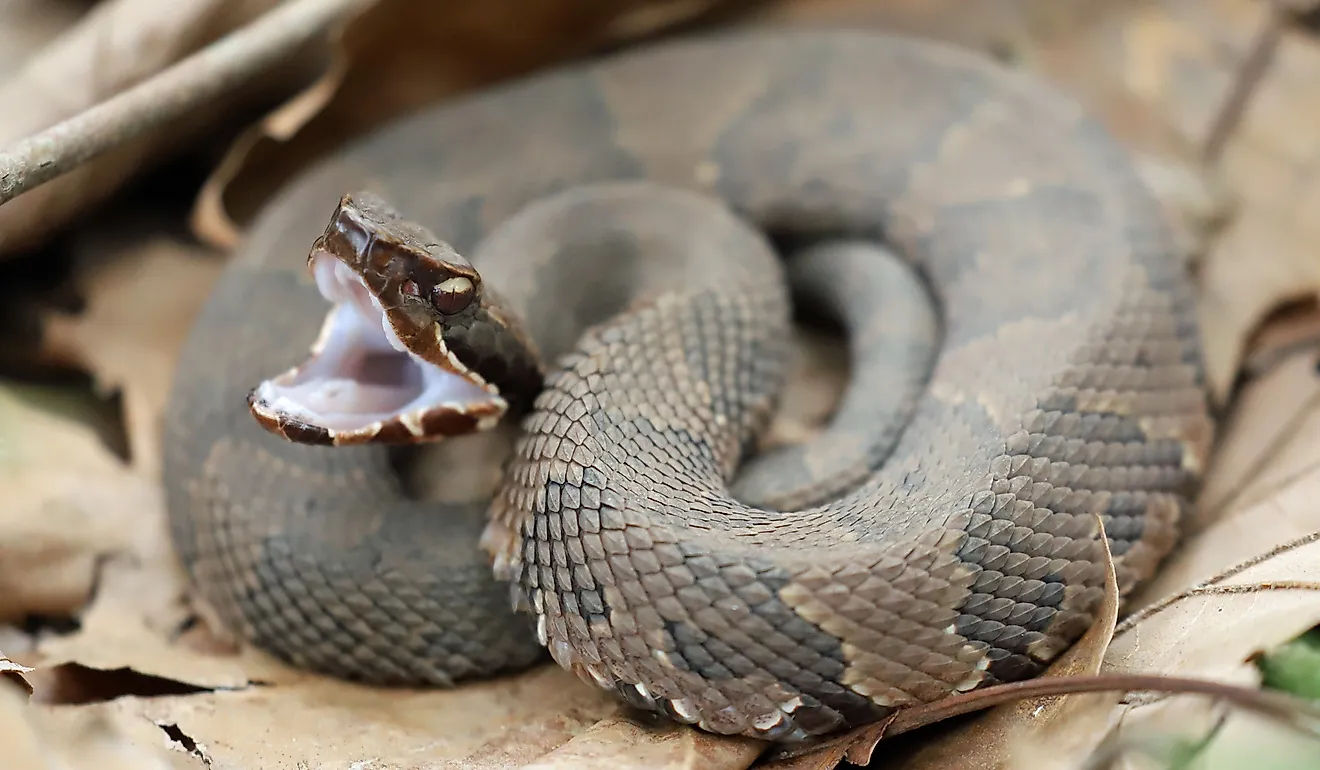
Most rattlesnakes live 10 to 20 years in the wild, with some reaching 25 and captives regularly passing 30. Timber rattlesnakes sit at the long end, documented to 30 years in the wild and 37 in captivity. The figure people usually want is the one they think they can read off the tail, and that is where the whole subject goes wrong. Counting rattle segments tells you nothing about a snake's age.
Ten To Twenty Years Is Typical

Across the 33 rattlesnake species the working range is consistent enough to be useful.
Wild lifespans cluster in the 10 to 20 year band, with records reaching 25. Larger species generally live longer than smaller ones.
Other summaries put the typical wild average nearer 15 to 20. The spread reflects species, latitude and how hard the local winters are.
Timber Rattlesnakes Reach Thirty

One species sits well above the rest and it is the best studied.
Britannica records timber rattlesnakes living as long as 30 years in the wild and 37 in captivity. Other sources put the wild average at 16 to 22 with the oldest documented individuals past 30.
There is anecdotal material suggesting 50 years in the wild. It has not been verified and should be treated as a claim rather than a figure.
Captivity Adds A Decade

The gap between wild and captive numbers is wide and well explained.
Britannica notes that 10 rattlesnake species have lived 20 to 30 years in captivity. A captive named Striker reached 34.
Consistent food, veterinary care and no predators account for the difference. Wild lifespans are cut short by predators, vehicles and deliberate killing rather than by old age.
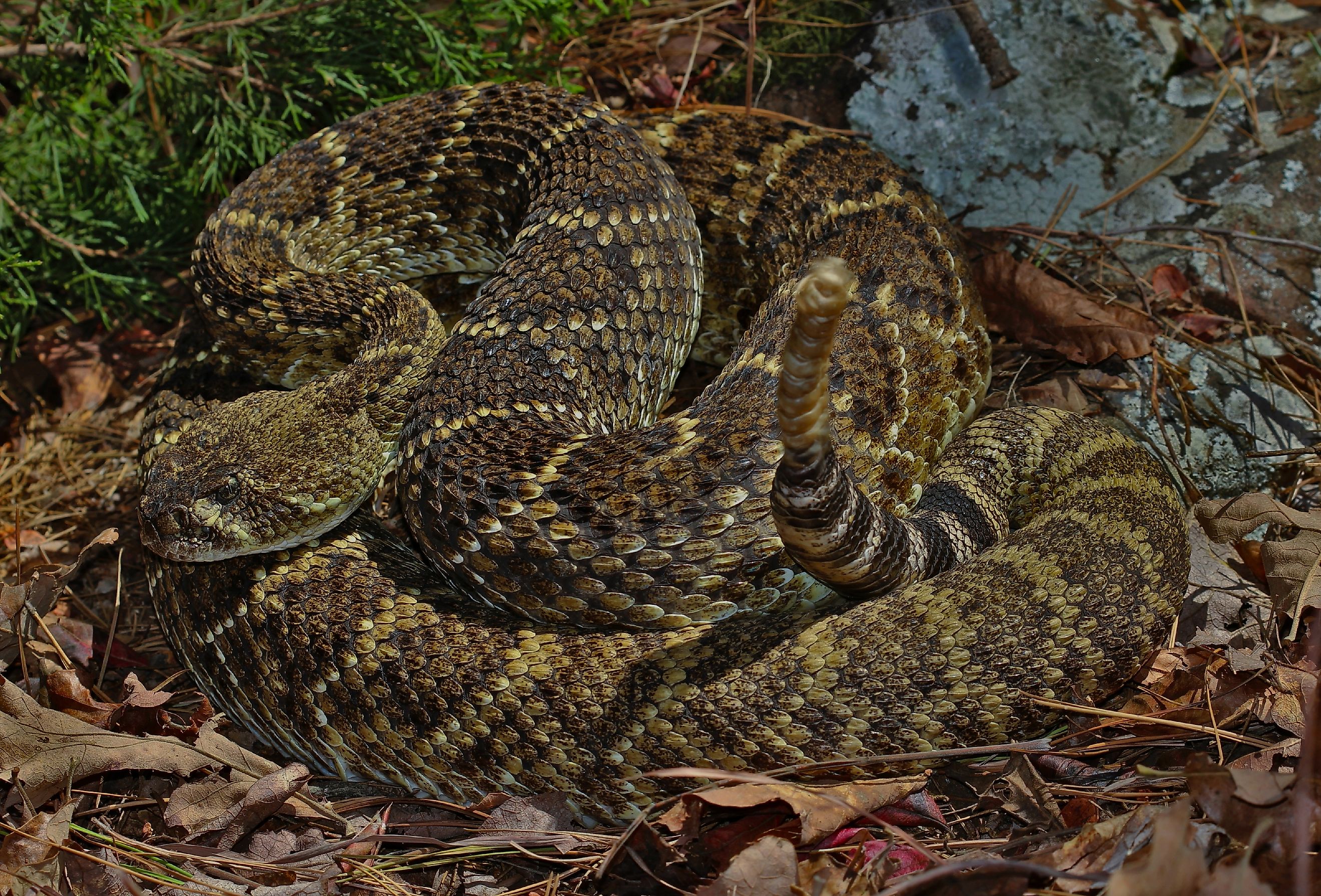
The Rattle Is Not A Counter

This is the single most persistent myth about the animal and it fails twice over.
A new segment is added every time the snake sheds, but rattlesnakes shed two to four times a year rather than once. So segments accumulate faster than birthdays do.
They also break off routinely with age and wear. An old rattlesnake rarely has a complete rattle, so the count runs short at the same time the shed rate runs long.
They Start With A Silent Button

The rattle has to be built before it works at all.
A newborn carries a single pre-button that produces no sound. After the first shed, within a week of birth, it has two segments.
The rattle is a chain of loosely connected hollow keratin segments, each a remnant of the scale that covered the base at the previous shed. Noise requires several of them knocking together.
Growth Is Front-Loaded

Size gives a rough guide to age only in the early years.
Growth is rapid in the first two years and slows considerably after that. By the time a snake reaches sexual maturity it is close to adult size.
A 15 year old will still be noticeably larger than a 5 year old of the same species, but the difference between 15 and 25 is slight.
Timber Females Wait Seven Years

The age at which they start breeding is the detail that makes the long life necessary.
Timber rattlesnake females become sexually mature between 7 and 13 years old, well behind males at 4 to 6. They then bear up to 20 live young every 2 to 6 years.
Most other rattlesnake species mature at 3 to 6 years. Across the group the range runs 4 to 13 depending on species and sex.
Slow Breeding Makes Dens Fragile

Long lives and late breeding combine into a conservation problem.
A timber rattlesnake can live past 30 and may not reproduce until 7 or later, breeding only every few years after that. Populations replace themselves very slowly.
They also return to the same ancestral dens annually. Destroying one den site removes a local population for generations rather than a season.
Sidewinders Are The Short End

Not every rattlesnake is a long-lived animal.
Female sidewinder rattlesnakes may live only to around 5 years, the shortest lifespan recorded in the group.
That is a sixth of what a timber rattlesnake manages. Grouping all 33 species under one number hides a very wide range.
Aging Them Takes Mark-Recapture

Since the rattle is useless and size plateaus, researchers need a different method.
Age estimates in wild populations come primarily from mark-recapture studies, where individuals are marked, released and encountered again over years.
That is why reliable lifespan figures exist for well-studied species like the timber rattlesnake and are vague for most of the other 32.
The Short Answer

Ten to twenty years in the wild for most species, with 25 reachable and captives commonly exceeding 30. Timber rattlesnakes go furthest at up to 30 in the wild and 37 in captivity, while female sidewinders may manage only 5.
The rattle cannot tell you any of this. Snakes shed two to four times a year so segments outpace birthdays, and old segments break off so the count falls short anyway. It fails in both directions at once.