What Eats Water Moccasins
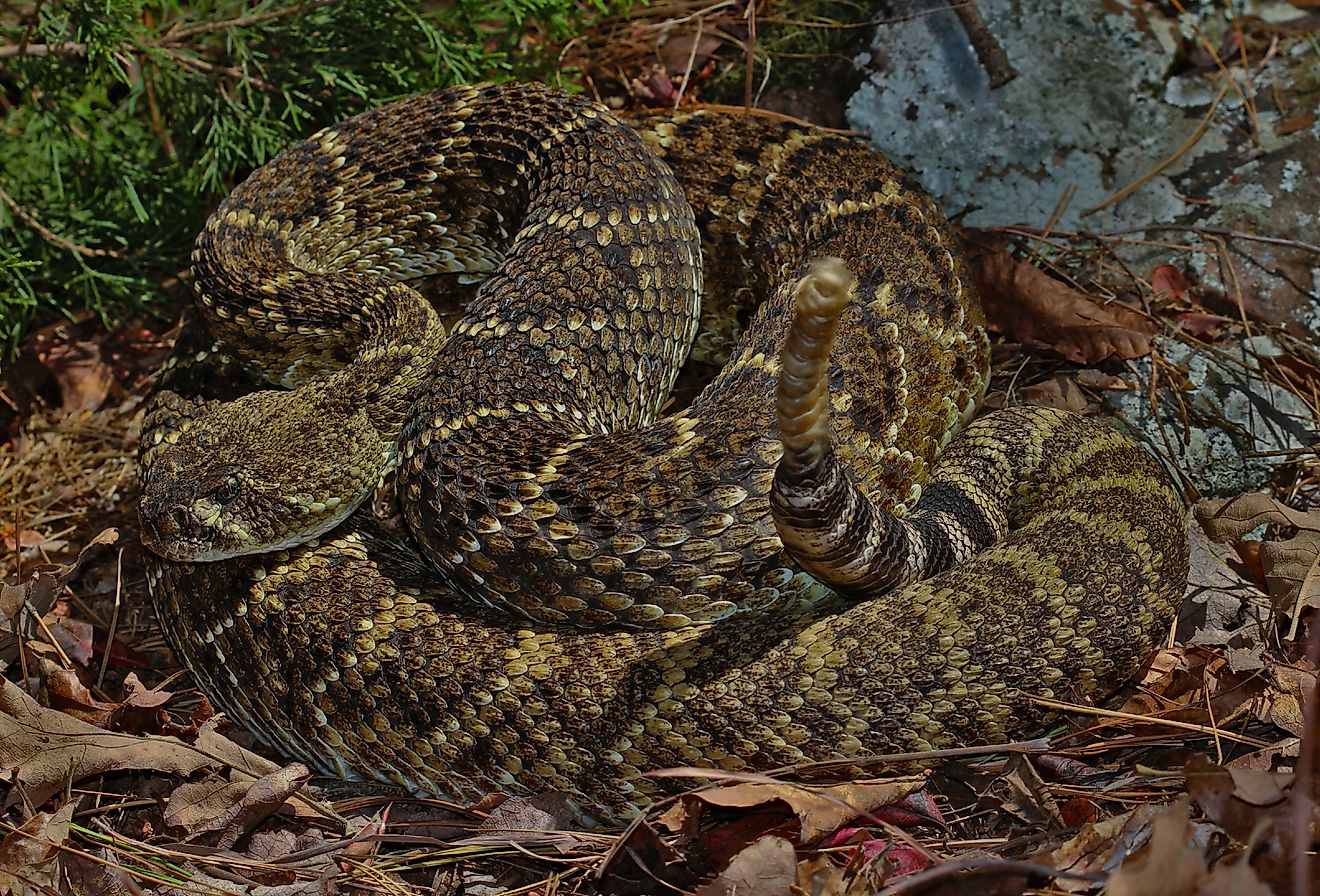
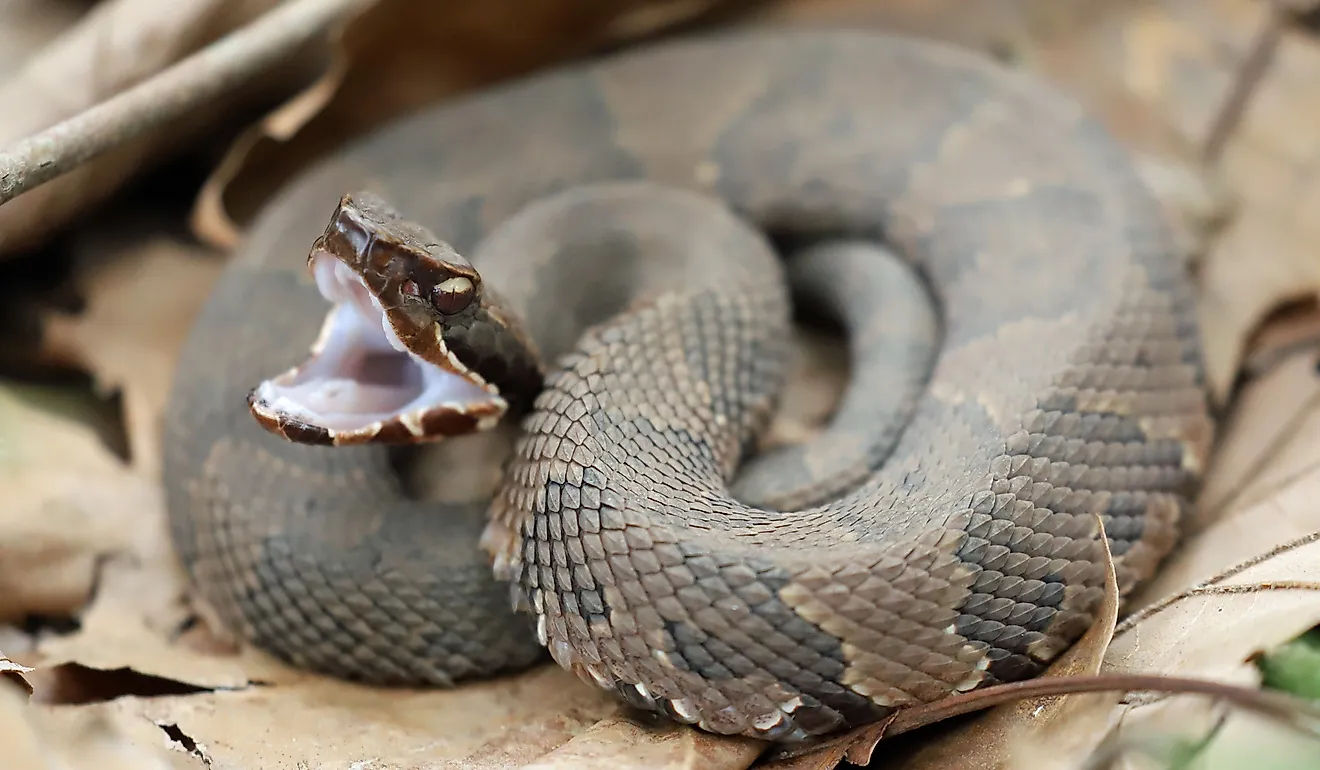
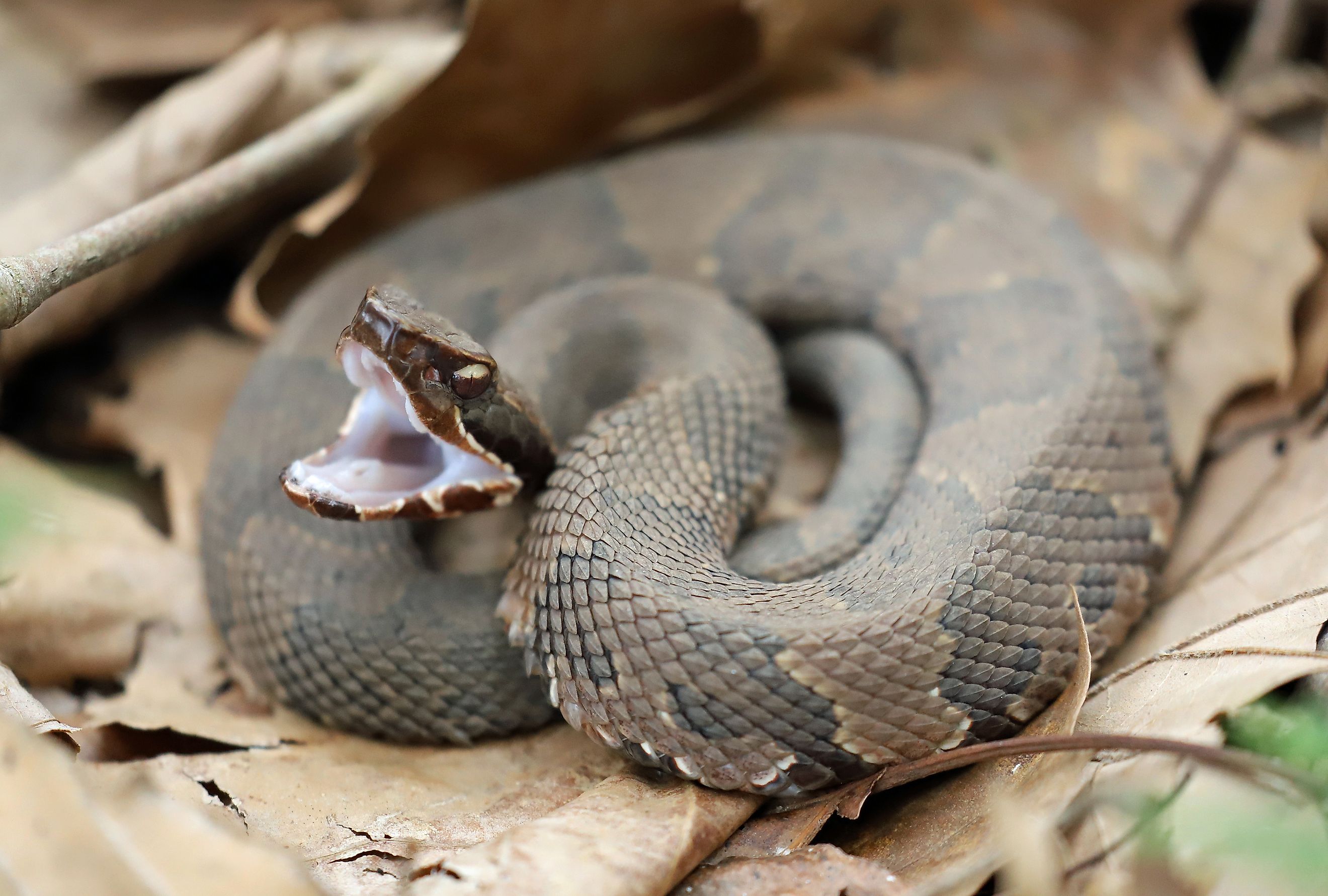
To people, water moccasins, also known as cottonmouths, cause an instinctual fright. There's good reason for this. When bitten, the snake injects tissue-destroying venom that causes intense pain, swelling, bruising, and, in some cases, disrupted blood clotting. A bite from a water moccasin requires immediate medical attention and, if left untreated, could be fatal. Not all animals are vulnerable to a water moccasin's venom, however, and some that are at risk use swift, tactical strikes to kill them before they're bitten. Birds of prey hunt them with a quick strike from above, while one predator has a natural resistance to its venom. This snake, which causes humans to recoil in terror, is just another item on the menu for these hungry critters.
Wading Birds (Herons and Egrets)

A great blue heron or egret will stand completely motionless in shallow water until a water moccasin swims within range. It strikes fast with its long, spear-like bill, clamping down behind the head or piercing the body to avoid being bitten, then shaking the snake until it goes limp. The bird then swallows the snake whole, venom glands and all. Snake venom is made of proteins that must enter the bloodstream to cause harm, while stomach acid breaks it down safely during digestion. If a bird is bitten on a fleshy part of its body, it will likely be fatal.
Raptors (Hawks, Eagles, Owls)

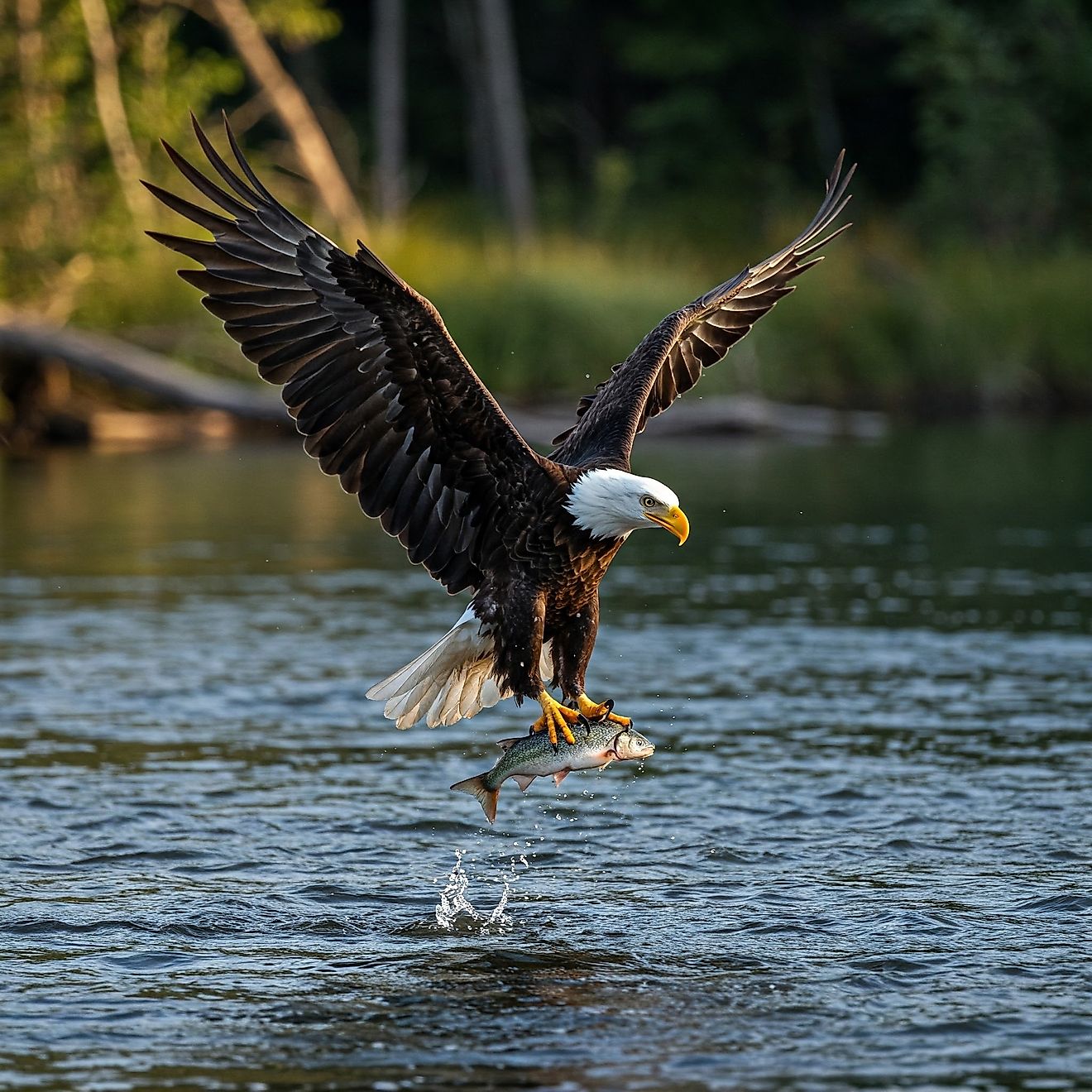
Birds of prey spot snakes from a high perch or while flying, then swoop down and pin the snake using powerful talons, often targeting the head and neck to prevent it from biting. Once the head is immobilized, they deliver a fatal blow to the head with their sharp beak. Raptors have tough, scaly skin on their lower legs and feet that is hard for most snake fangs to penetrate. These lower extremities also have fewer blood vessels, so if a fang does get through, the absorption of the venom is slower and potentially less lethal. One raptor that shares the water moccasin's habitat is the red-shouldered hawk, which favors swamps and wooded streamsides and counts snakes among its main prey.
Other Snakes (Kingsnakes, Eastern Indigo Snake)

Kingsnakes, which are constrictors, and eastern indigo snakes, which overpower prey with their jaws, have no fear of a water moccasin. They rely on a biochemical venom resistance combined with great physical strength rather than speed or armor. Kingsnakes track water moccasins by scent. They will ambush their prey and strike quickly to clamp their jaws into the water moccasin's head or neck, then wrap their thick, muscular bodies around the viper. Every time the water moccasin exhales, the kingsnake tightens its coils, cutting off blood flow before swallowing it headfirst. Eastern indigo snakes follow a different tactic. They rush the water moccasin, clamp down on its head with their jaws, and violently thrash the snake against the ground until it's dead.
Opossums

Virginia opossums have the ability to neutralize snake venom in their blood, which offers them strong protection from a water moccasin's bite. Scientists first documented this resistance in the 1940s, and in the early 1990s, researchers traced it to a serum protein now called Lethal Toxin-Neutralizing Factor. A peptide made from that protein has since protected lab mice from western diamondback rattlesnake venom, and researchers hope it could lead to a low-cost antivenom for people. Several opossum species are among the few mammals known to prey on venomous snakes, so for an opossum, a water moccasin is a potential meal rather than a serious threat.
Bobcats And Coyotes

Bobcats and coyotes rely on their reflexes when they take on a snake. They'll slap at the snake with their paws to provoke a strike, retreat backward, then pounce and deliver a fatal blow that snaps the snake's spine. Snakes are an occasional meal for these predators rather than a staple. Diet studies show that both eat mostly rodents and rabbits, with reptiles appearing as secondary, opportunistic prey. That makes a water moccasin a risky target for either animal. If bitten, a bobcat or coyote can suffer the same intense pain and tissue damage as humans and could be seriously harmed.
Raccoons And River Otters

Dense fur may offer raccoons and river otters some protection from the bite of a water moccasin. A raccoon will use its front paws to pin the snake's head to the ground before delivering a fatal bite to its neck. River otters hunt water moccasins in the water, ambushing them with their swimming speed to grab the snake behind the head and drag it ashore to eat. Snakes are an occasional meal for both. River otters eat mostly fish and crayfish, while raccoons are omnivores that also eat frogs, insects, nuts, and fruit. If bitten, raccoons and otters can suffer the same effects as humans and can be seriously harmed, especially given their smaller size.
Alligators

Alligators are among the most dangerous predators of water moccasins. The alligator lurks just below the water's surface with only their eyes and nostrils exposed. When a water moccasin swims by, the alligator lunges sideways, clamps its jaws shut with thousands of pounds of bite force, and crushes the snake before swallowing it whole. The snake never has a chance to defend itself. Alligators have thick, overlapping scales reinforced with bony plates called osteoderms, which protect them from the relatively weak fangs of a snake. Should a water moccasin get lucky and penetrate soft tissue with its fang, an alligator will feel some discomfort for a while but won't likely die.
Snapping Turtles

Common and alligator snapping turtles lie motionless on muddy bottoms disguised as rocks or logs. When a water moccasin investigates or swims within range, the turtle shoots its long neck forward and seizes the snake in its hooked beak, tearing it to pieces with its beak and sharp front claws before swallowing it underwater. Snapping turtles are protected by a hard keratin and bone shell, plus thick, leathery skin on their neck and legs that short viper fangs have trouble piercing. If they do get bitten in the mouth or softer flesh near their limbs, a turtle will experience painful swelling and tissue damage, but because they're cold-blooded, their slower metabolism will limit the venom's effectiveness and they will likely survive.
A Defensive Pit Viper
Despite their fierce reputation, water moccasins are defensive rather than aggressive. Their venom is metabolically expensive to produce and is meant for catching prey like fish and frogs, not picking fights with large animals they can't eat. Field studies show they are reluctant to bite and prefer retreat over confrontation, often bluffing their way out of trouble. When a water moccasin feels cornered, it puts on a dramatic show that people mistake for aggression. However, when fighting for its life against predators, it will use its venom to the fullest extent to survive the attack and avoid becoming a meal.