How Deep Rattlesnakes Go Underground In Winter
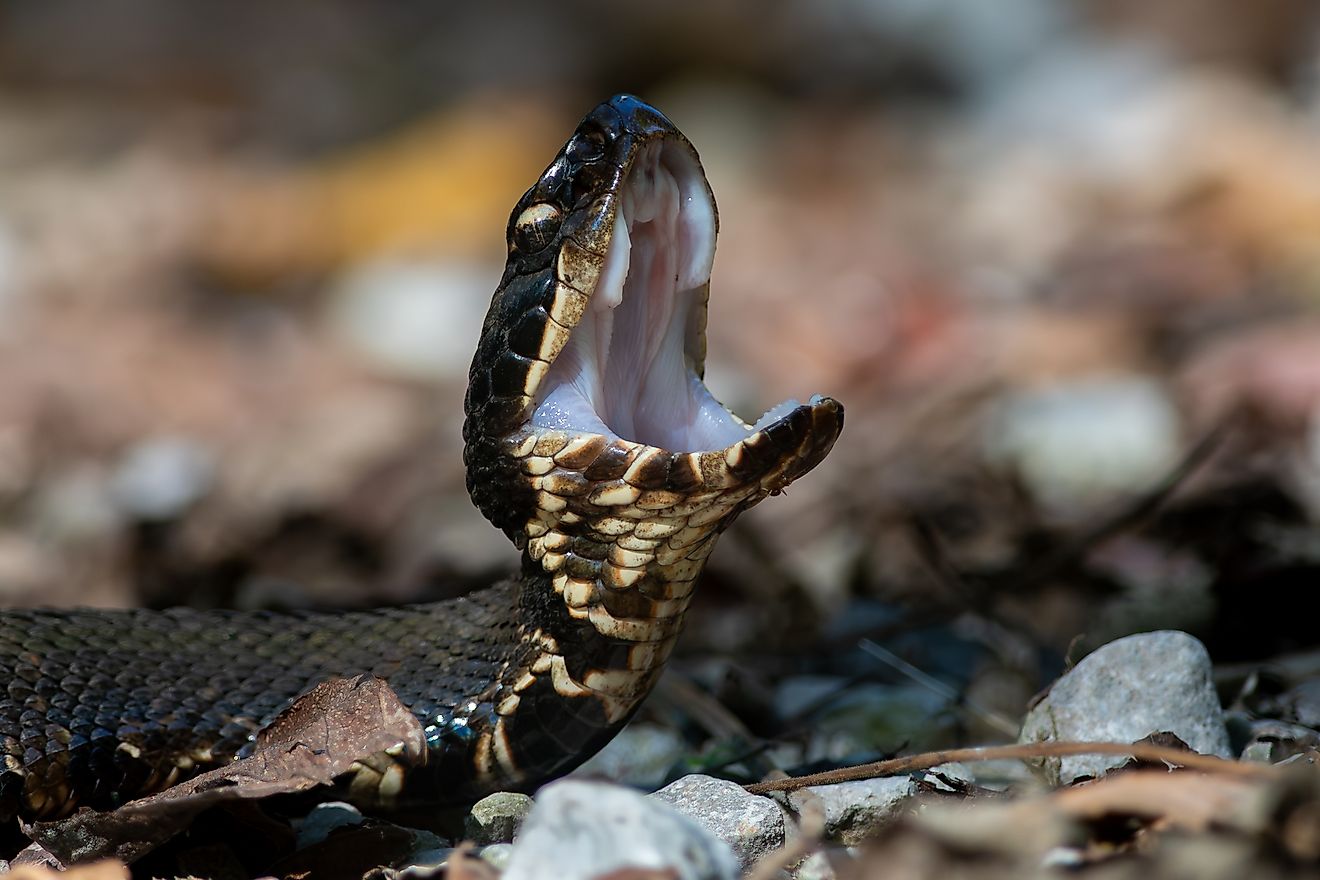
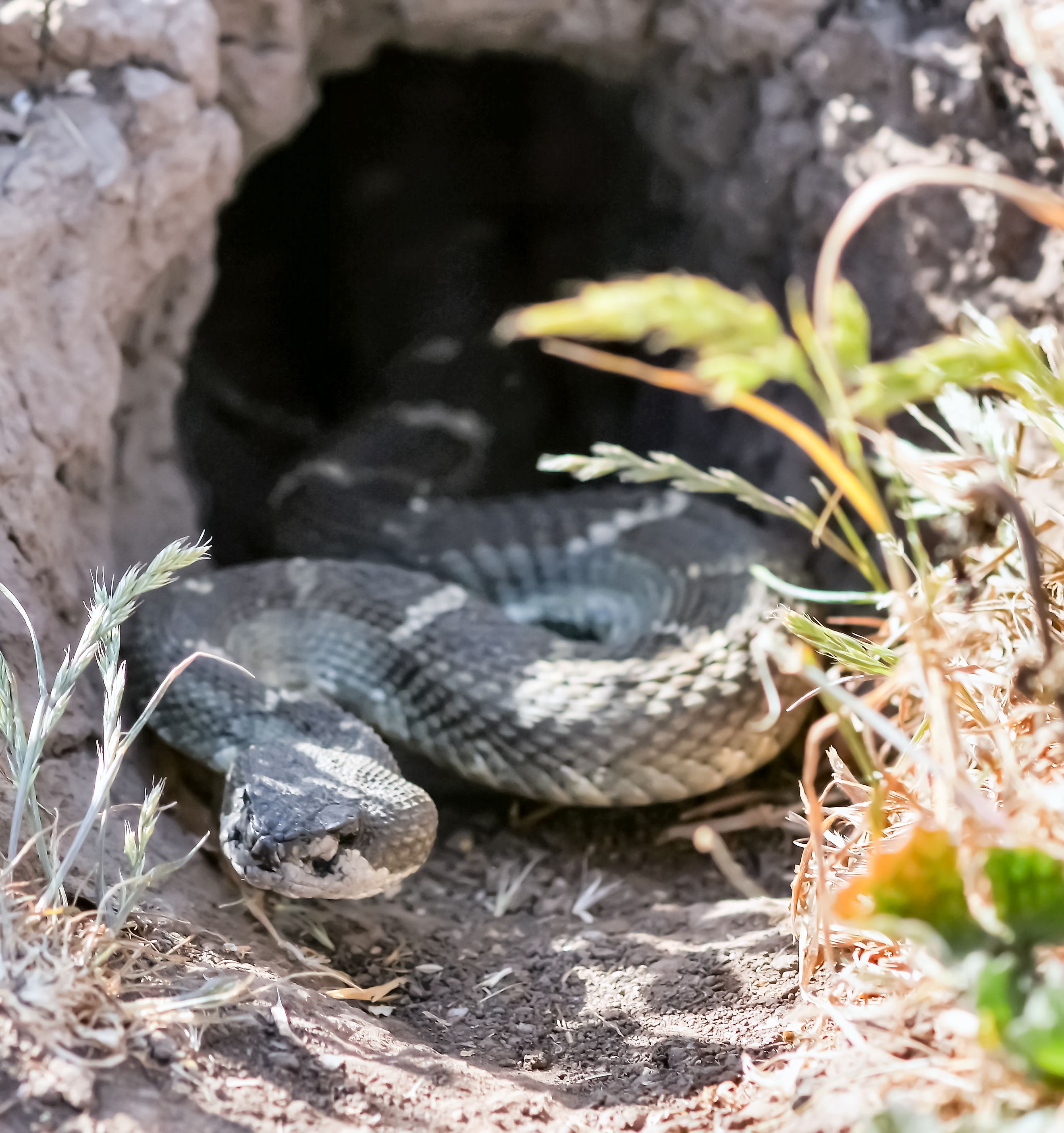
The eastern massasauga winters about a foot down, in a flooded crayfish burrow, partially submerged. A tiger rattlesnake in Arizona goes two to four feet into a rock crevice and stays dry. In Wyoming the ground can freeze four to six feet deep, so prairie rattlesnakes need something deeper still, and one documented den held over 600 of them. There is no single number, because depth is not what the snake is actually choosing. It is choosing a gap between two moving lines.
The Frost Line Comes Down

The first constraint is the one everybody knows, and it varies enormously by region.
A researcher who studied prairie rattlesnakes in Wyoming notes that in really cold climates the ground can freeze four to six feet deep. Anything shallower than that in such a place is lethal.
That depth requirement is also why dens get crowded. The same study area produced a single den containing more than 600 individuals, because suitable sites are limited.
The Water Table Comes Up

The second constraint runs in the opposite direction and is far less discussed.
Canadian research on massasauga overwintering recorded water table depth every ten minutes across whole winters and found the water table generally rising through the season, most variably in late winter.
Go too deep and the snake drowns. Go too shallow and it freezes. The usable band is whatever sits between the two.
The Answer Is Where They Intersect

One sentence in that research states the whole problem better than any depth figure could.
The intersection point between the frost line and the water table indicates the depth at which unflooded and unfrozen conditions are maximized. The researchers call this the critical depth.
Both lines move during the winter, independently, so the safe zone shifts under the animal while it is in it. The snake is not sitting at a depth. It is sitting in a window.
For Massasaugas That Window Is Six Inches

The critical depth figure from that peatland study is smaller than almost anyone would guess.
Across hummock hibernacula in Ontario peatlands, researchers calculated a critical overwintering depth of 15 centimeters, roughly six inches. The unflooded and unfrozen zone in that habitat is that thin.
Which means the area available to a massasauga is limited enough that the paper describes identifying resilient hibernation sites as a conservation priority in its own right.
They Winter Partly Underwater

The massasauga strategy is the strangest in North American snake biology.
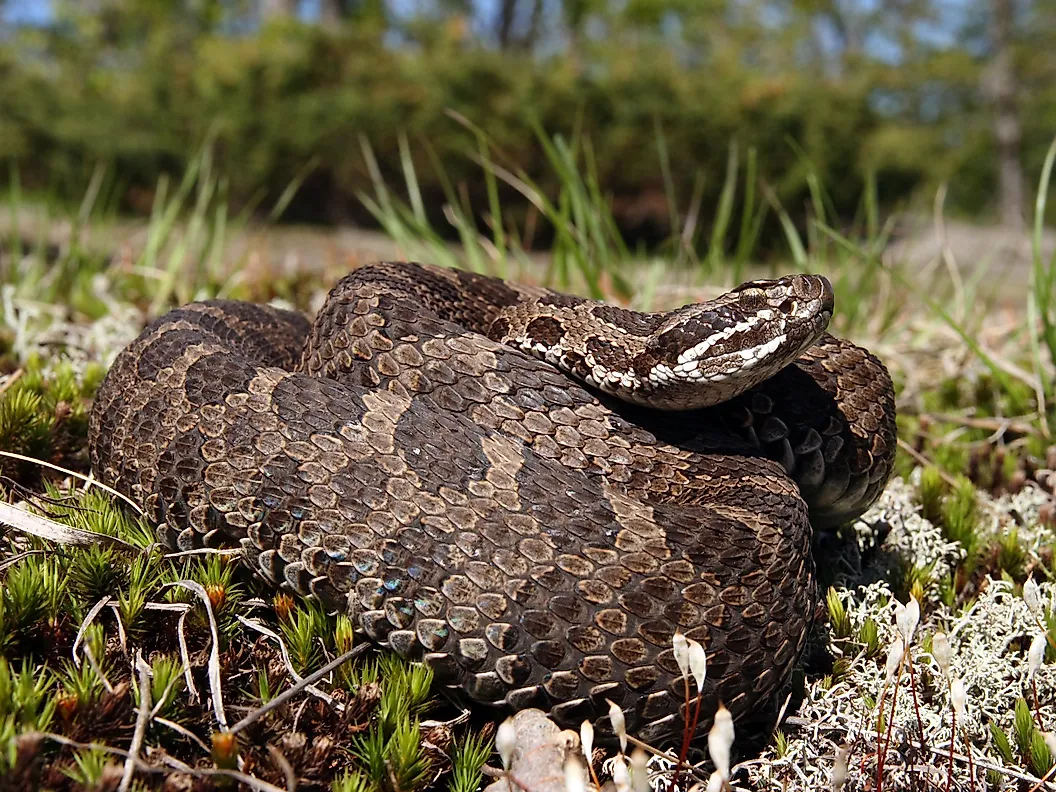
The species overwinters in crayfish tunnels and rodent burrows at least a foot below ground, partially submerged in water. Sources describe this as preventing freezing and allowing the snake to breathe through its skin, and as safer and more efficient than a dry burrow.
Groundwater in these landscapes sits at 5 to 6 degrees Celsius through winter. Water that does not freeze is better protection than air that might.
Crayfish Dig The Shafts

None of it works without another animal doing the excavation.
Burrowing crayfish produce vertical shafts between 0.6 and 5.1 centimeters in diameter, variable in depth and capable of exceeding 100 centimeters. Crucially they descend to the water table, because that is what the crayfish is after.
Researchers building artificial hibernacula copied the design directly, constructing a multi-chambered tube about 160 centimeters long and 10 wide, descending roughly 95 centimeters to groundwater.
Rock Dens Work Differently
Species using rock rather than soil face a different version of the same problem.
Tiger rattlesnake dens are in rocky outcrops, with the snakes going into cracks and crevices about two to four feet down and not reappearing until spring. The depth is set by how far the fissure happens to go.
A crevice system is not a dug burrow. The snake takes the geometry the geology provides, which is why the same outcrop gets used for generations.
Smaller Snakes Go Deeper

One pattern runs counter to intuition and has a straightforward explanation.
Observers note that smaller snakes and juveniles often spend the winter deeper underground than larger ones. A small body has more surface area relative to its mass and loses heat faster.
A big adult can tolerate a marginal position near the entrance. A first-year snake cannot, so it goes further in.
Builders Now Work To Specifications

Artificial hibernacula have formalized all of this into numbers that read like building code.
Ontario guidance recommends a minimum depth of two meters, excavation below the winter water table, and determining the frost line using a frost tube inserted two to three meters into the ground. It also advises measuring the water table across multiple years before construction, since it can fluctuate by several meters between years.
The guidance notes that some water in the hibernaculum is beneficial but rapid flooding is not. That is the same squeeze, written as engineering.
A Mild Winter Hides The Problem

The risk in all of this only shows up occasionally, which makes it easy to underestimate.
Ontario guidance warns that a hibernaculum may function for multiple years until an exceptionally cold winter arrives. A site that has worked for a decade can fail once.
Which is why depth recommendations are set against the worst plausible frost rather than the average one. The snake only needs to be too shallow once.
The Short Answer

Tiger rattlesnakes go two to four feet into rock crevices. Prairie rattlesnakes in Wyoming need to clear a frost line that can reach four to six feet. Eastern massasaugas go about a foot down into crayfish burrows and sit partly submerged in groundwater at 5 to 6 degrees Celsius.
The useful way to think about it is not depth but the gap between the descending frost line and the rising water table. In Ontario peatlands that gap has been calculated at around six inches. Snakes are not digging to a number. They are finding the one layer that is neither frozen nor flooded, in ground where both conditions are moving all winter.