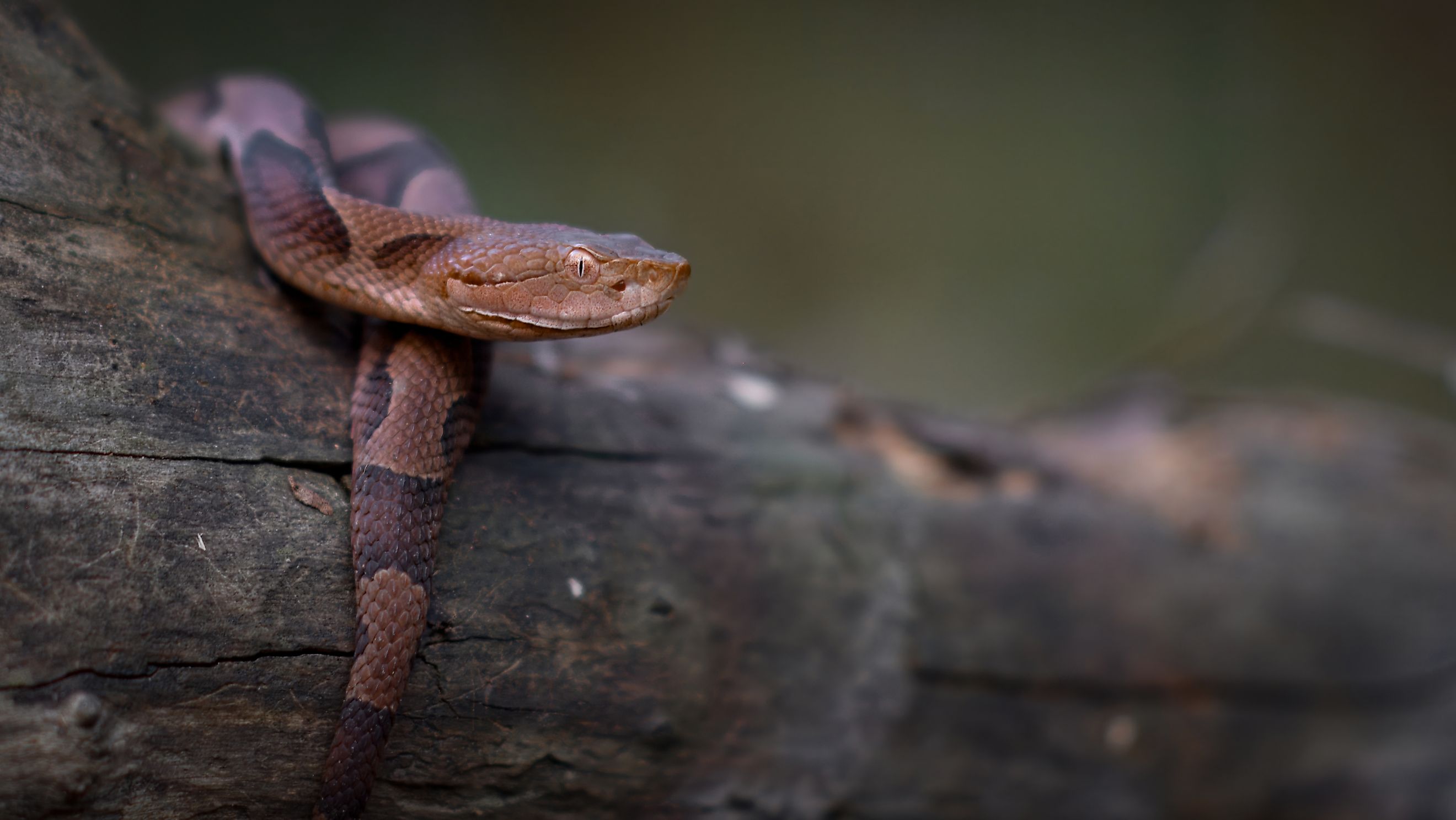
How Copperheads Survive A Hard Freeze
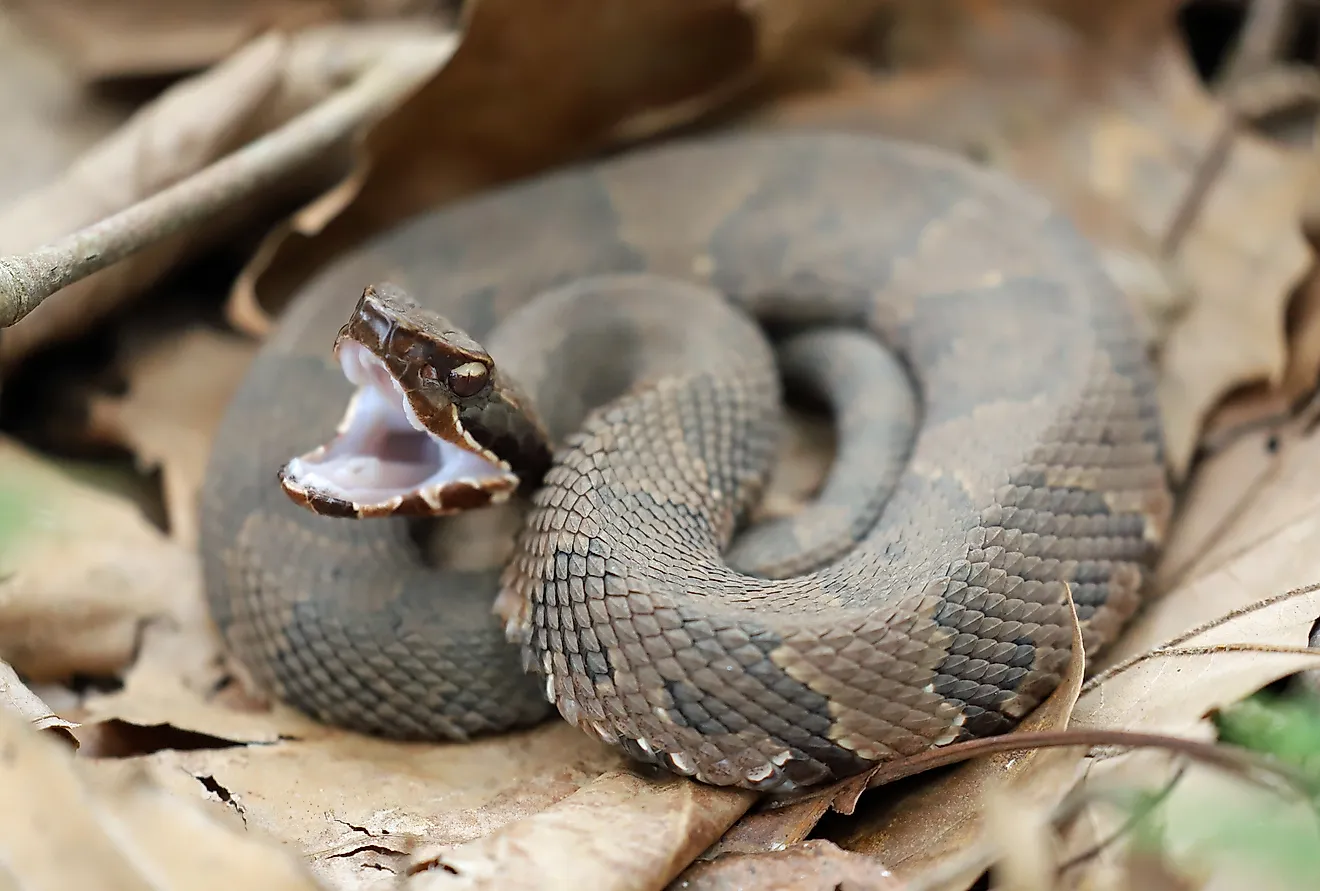
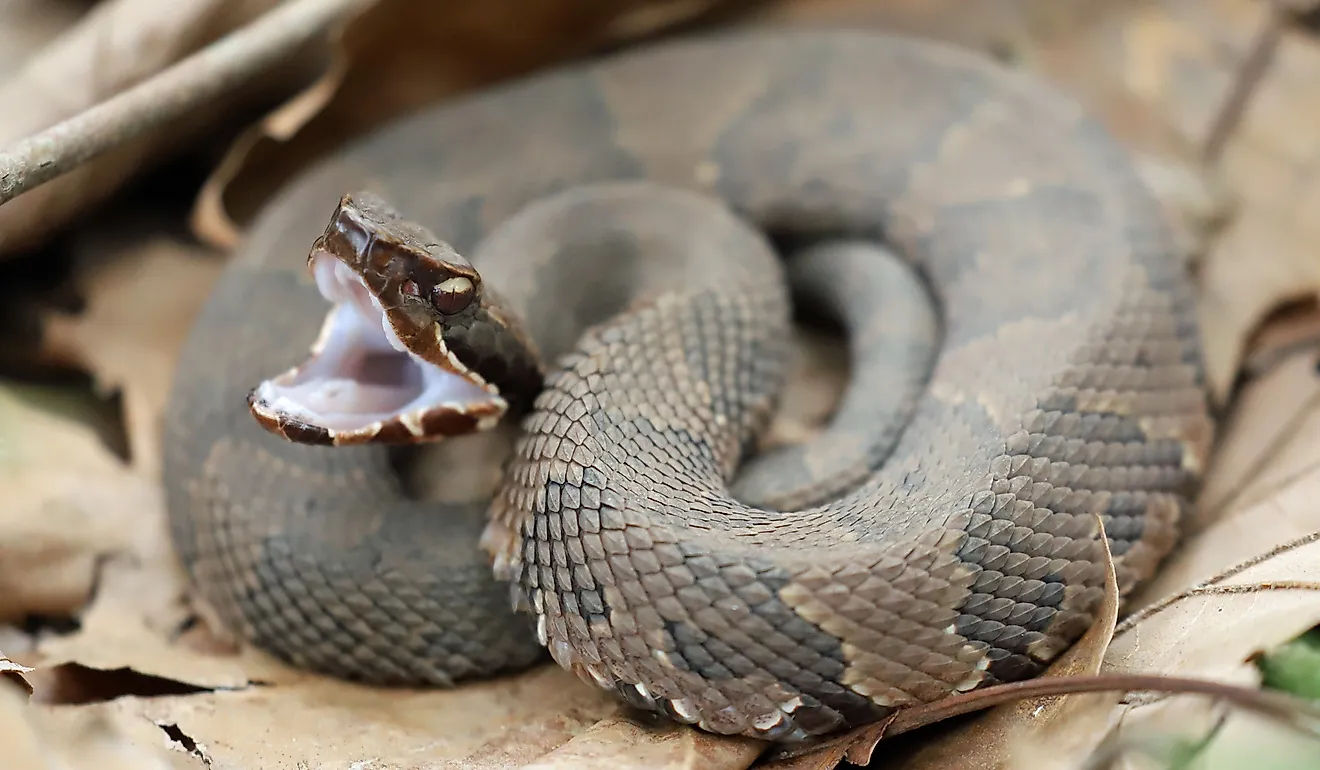
Copperheads do not survive hard freezes. That sounds like a trick answer and it is not. A copperhead whose tissues actually freeze is dead, usually within hours, and there is no physiological trick that changes it.
What they survive is winter, by being somewhere the freeze cannot reach. The whole strategy is avoidance, the margin is thinner than most people assume, and in a bad year a lot of them get it wrong.
Ice Is The Entire Problem

Some animals genuinely tolerate freezing. The wood frog floods its tissues with glucose, lets ice form in the spaces between its cells, stops its own heart, and thaws out in spring working normally. Certain box turtles and a few insects manage versions of the same trick.
Snakes have none of it, and neither do the water snakes facing the same winter. They are freeze-avoidant rather than freeze-tolerant, which is a polite way of saying they have no defence at all once ice starts forming. Crystals rupture cell membranes, and the damage is not repairable.

The experimental numbers come mostly from red-sided garter snakes, which are the best-studied temperate species for this. At minus 2.5 degrees Celsius, half of them survived ten hours of freezing. None survived 24. That is the deadline a copperhead is working against, and it is measured in hours rather than weeks.
The Frost Line Is The Only Real Defence

Everything a copperhead does in autumn is about getting underneath the depth at which the ground freezes. That depth is the single number that decides whether the animal lives.
It varies enormously across the range. In the Deep South the frost line is a few inches and in some winters effectively zero. At the northern edge of copperhead country it can run several feet down. The same species faces a trivial problem in Alabama and a serious engineering challenge in Massachusetts.

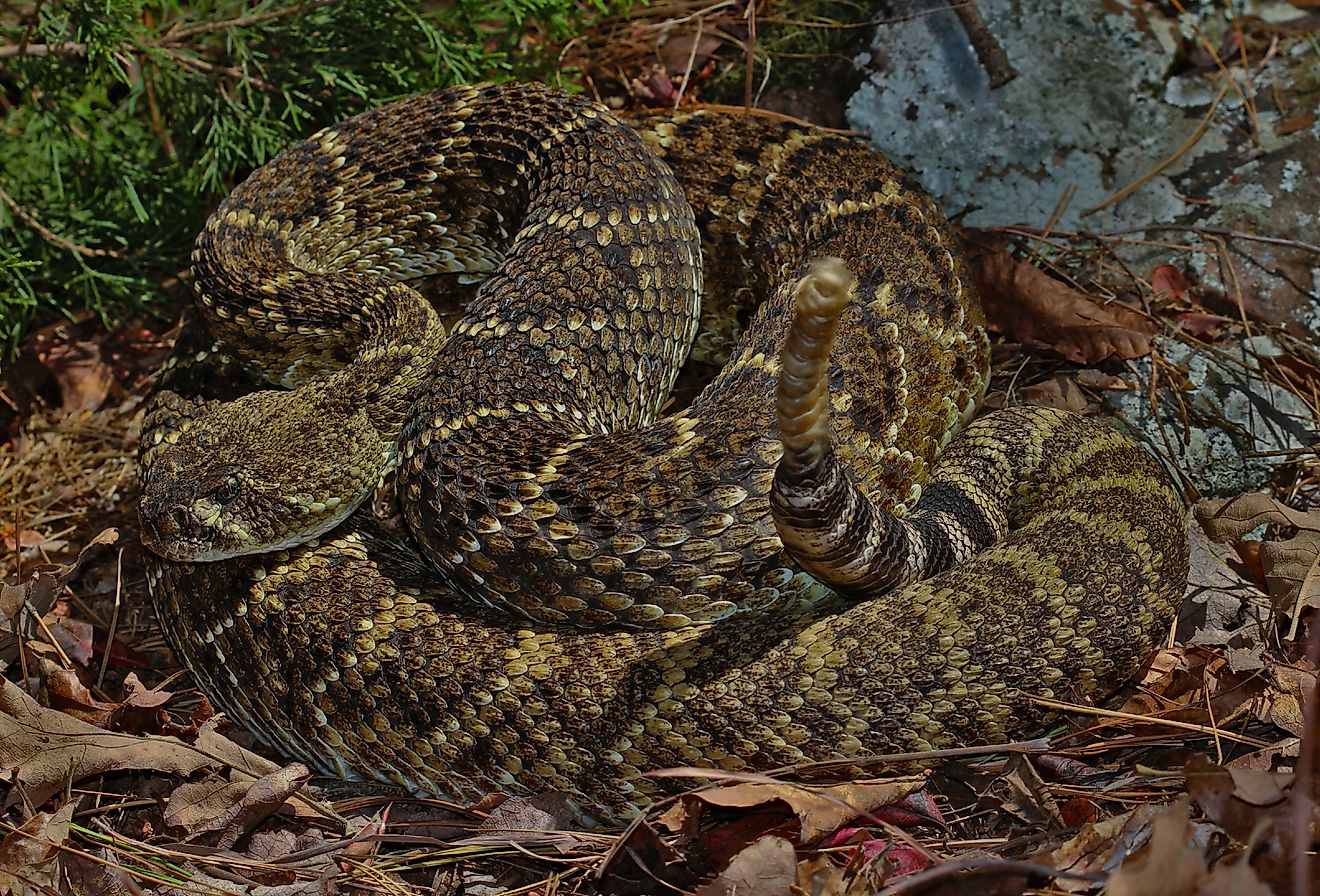
This is why rock is so valuable. Fissured outcrops, talus slopes, and deep crevices funnel well below frost depth, the same logic a rattlesnake applies to the same problem, and hold a stable temperature a few degrees above freezing all winter. Mammal burrows, rotted root channels, old stone walls and building foundations all get used for the same reason.
Depth is not comfort. It is the difference between a stable 4 degrees and a lethal minus 2.
Supercooling Buys A Few Degrees, Then Quits

There is one genuine physiological buffer, and it is thinner than its reputation. Body fluids can drop below their normal freezing point without ice actually forming, a state called supercooling, as long as nothing triggers crystallisation.
Garter snakes collected near their dens in autumn supercooled to around minus 5.5 degrees before freezing. That is a useful margin. The problem is that it does not last.

By midwinter the same population's supercooling capacity had collapsed to roughly minus 0.8 or minus 1.2 degrees, which is almost no margin at all. The buffer is largest in autumn, when it is least needed, and smallest in January, when everything depends on it.
Some work on copperheads has recorded individuals surviving body temperatures slightly below freezing, which fits the supercooling picture. It is survival at the edge rather than a strategy anybody would rely on.
Snow Matters More Than Temperature

This is the counterintuitive part, and it is the thing that actually kills snakes. A cold winter with good snow cover is survivable. A milder winter with bare ground can be lethal.
Snow is insulation. A foot of it holds ground temperature steady and stops frost driving deeper. Without it, cold penetrates further down, and a den that has worked for decades can suddenly sit above the frost line.

The scale this can reach is startling. One midwinter freeze in central Manitoba killed an estimated 60,000 red-sided garter snakes, and the mortality was attributed to unusually light snow cover when the cold arrived.
That is a failure mode no individual animal can do anything about. The snake chose a den that had always worked. The weather simply arrived in the wrong order.
Southern Copperheads Barely Notice

Across most of the range this is not a dramatic story. Copperheads occupy a lot of the southeastern United States, and in the warmer half of that territory brumation is intermittent rather than continuous.
Snakes become sluggish below about 60 degrees Fahrenheit and effectively shut down once ground temperatures hold near 50. In Georgia or Alabama that means weeks of dormancy broken up by stretches of ordinary activity, not a four-month shutdown.

The hard-freeze question really applies to the northern and mountain edges of the range, where a copperhead has to commit to a site in October and cannot reassess until April.
They Still Come Out

Brumation is not a coma. On mild sunny days through the winter, copperheads will move to the mouth of the den and bask, raising body temperature for a few hours before retreating.
There is a reason beyond comfort. They are not eating, because digestion requires heat they do not have, and a snake that swallows prey before a cold snap can die of the food rotting inside it. They also lose water steadily through the skin all winter, so dehydration is a genuine risk and occasional movement matters.

The practical consequence is that a sunny 60-degree afternoon in January in the southern part of the range can put copperheads on open ground near rock walls and foundations. The snakes are not supposed to be out. Nobody told them that.
Who Does Not Make It

Juveniles die at higher rates than adults, for two compounding reasons. They carry less body mass, which means less thermal inertia and less reserve to burn across five months without food. And they have less experience selecting a site, often using a den for the first time with no way of knowing whether it runs deep enough.
Overwinter mortality is the main limit on northern copperhead populations. Not predators, not roads, not people. Winter.
So the answer to how copperheads survive a hard freeze is that they get below it, weeks in advance, in a hole they have usually used before, and then they wait. The physiology contributes a degree or two of margin that largely disappears by January. Everything else is real estate.