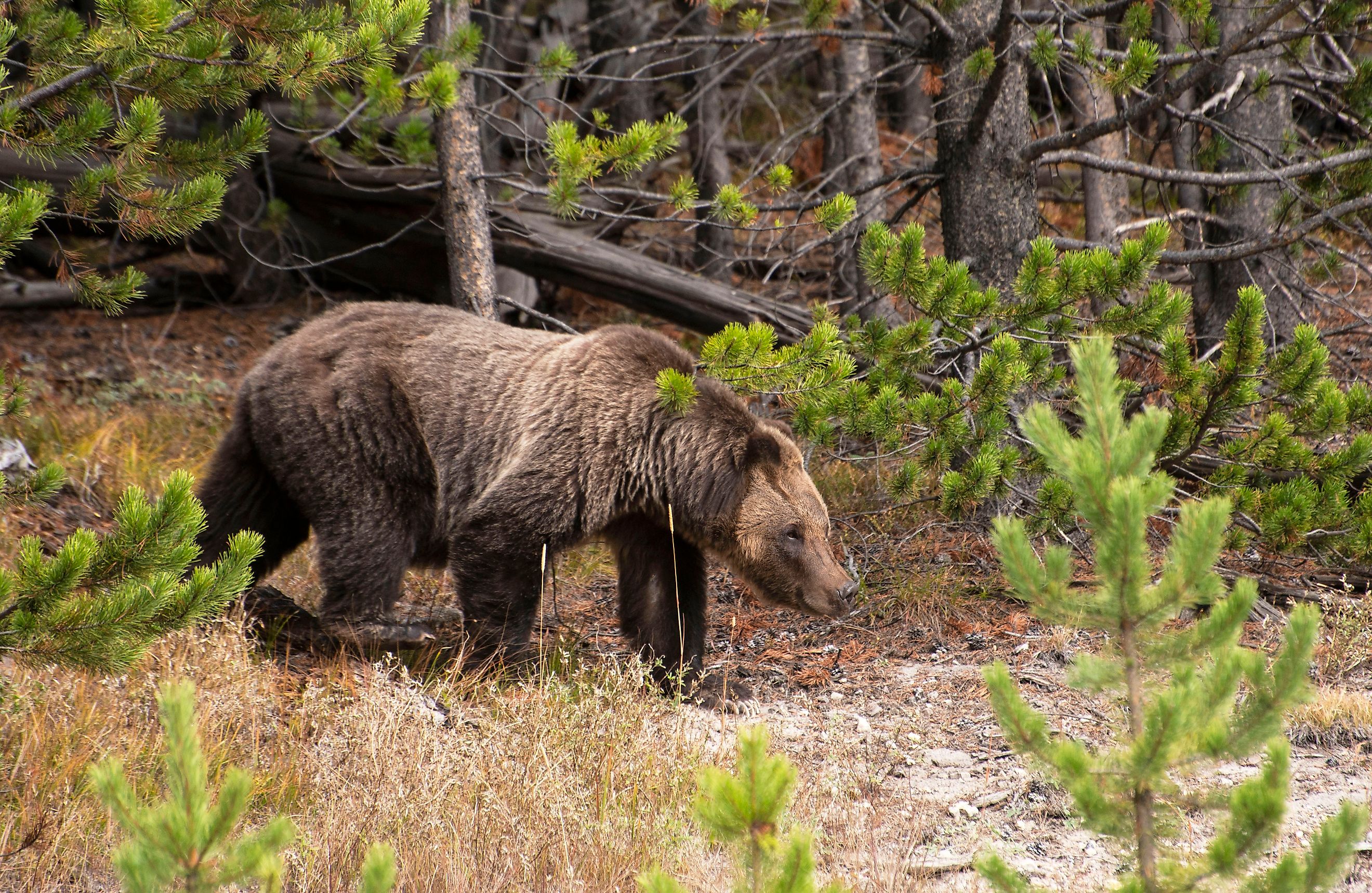
Why Grizzlies Are Gone From California
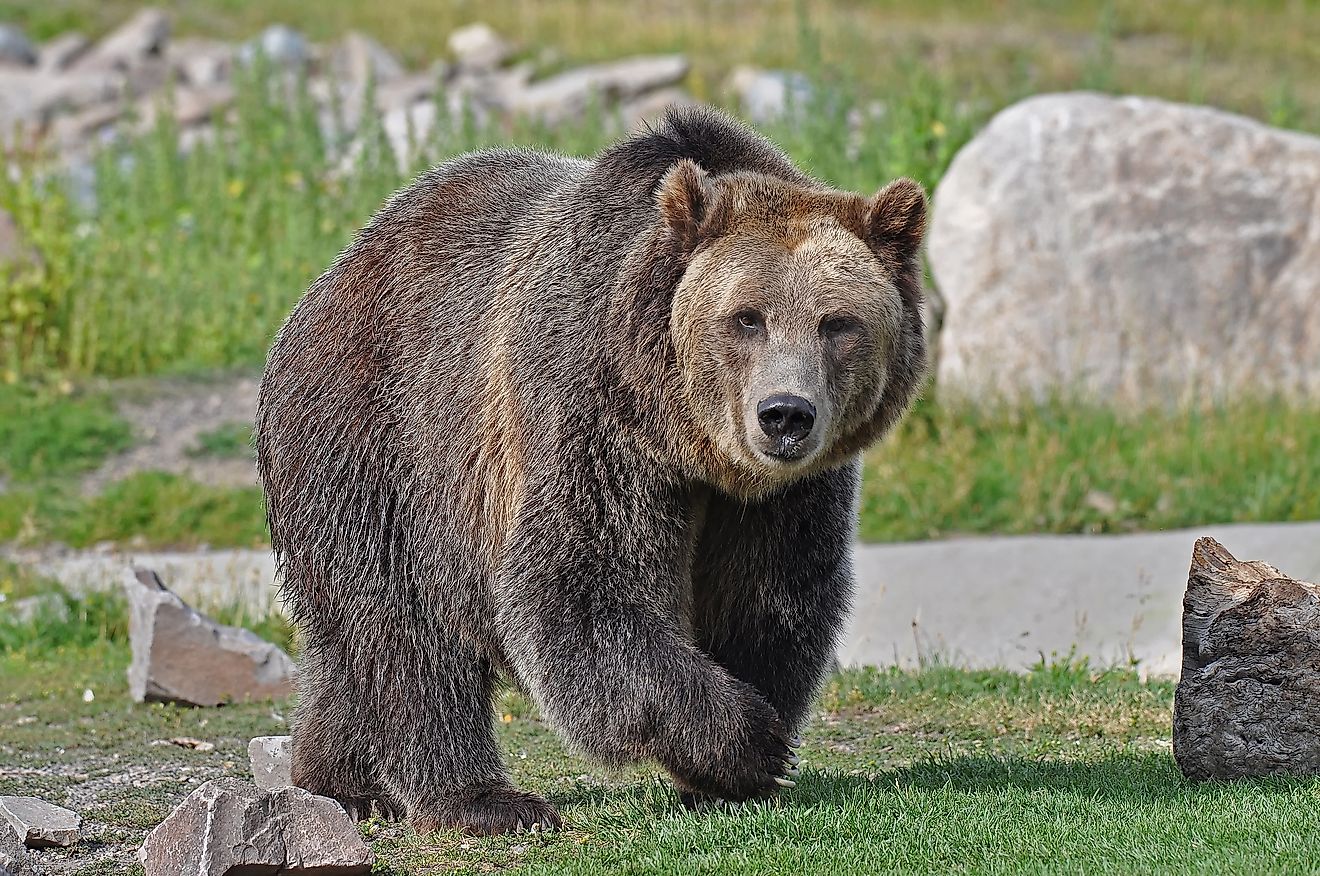
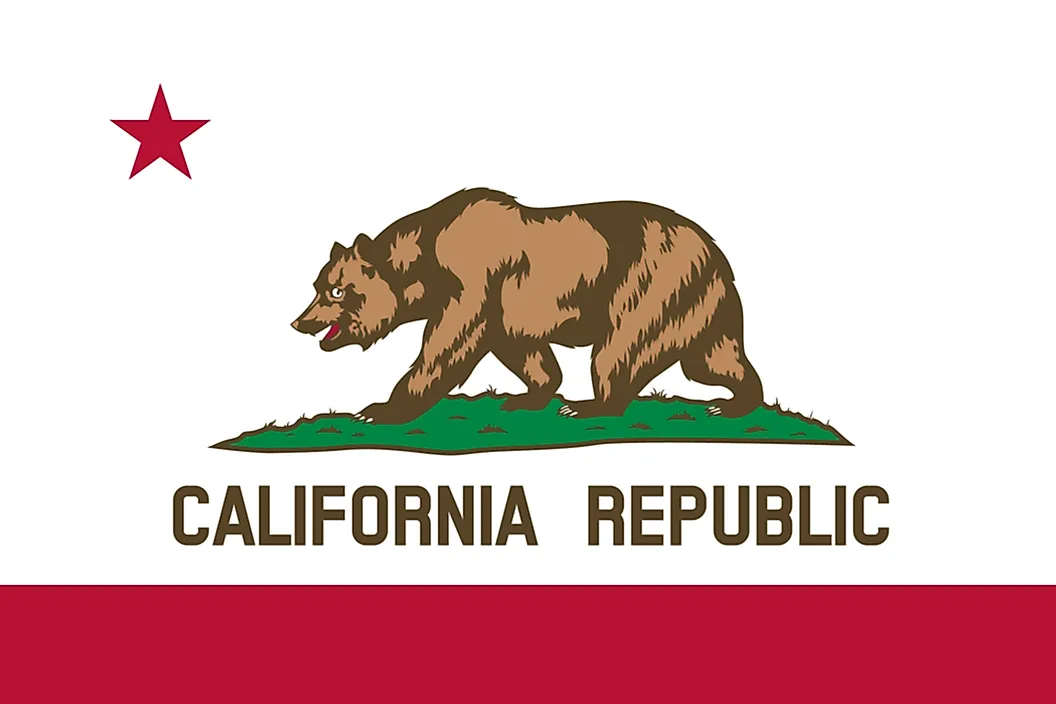
"Man vs. Nature" is the oldest story of them all. It's not hard to see why: human history is full of examples of mankind vying for survival against fearsome creatures. That includes grizzly bears, who always pop up where one would least expect them. However, one place these animals can never be found is California, a state where you would most expect them. After all, the grizzly appears on the state flag, and many locations throughout the Golden State have been named for them.
Once, grizzly bears were a very common sight throughout California. Now, however, no such animal has been spotted in this state for more than one hundred years. What happened to these majestic creatures, and what legacy have they left behind? To understand that, you must first understand the complex relationship of "man vs. bear."
The Complex Relationship Between Humans And Grizzly Bears
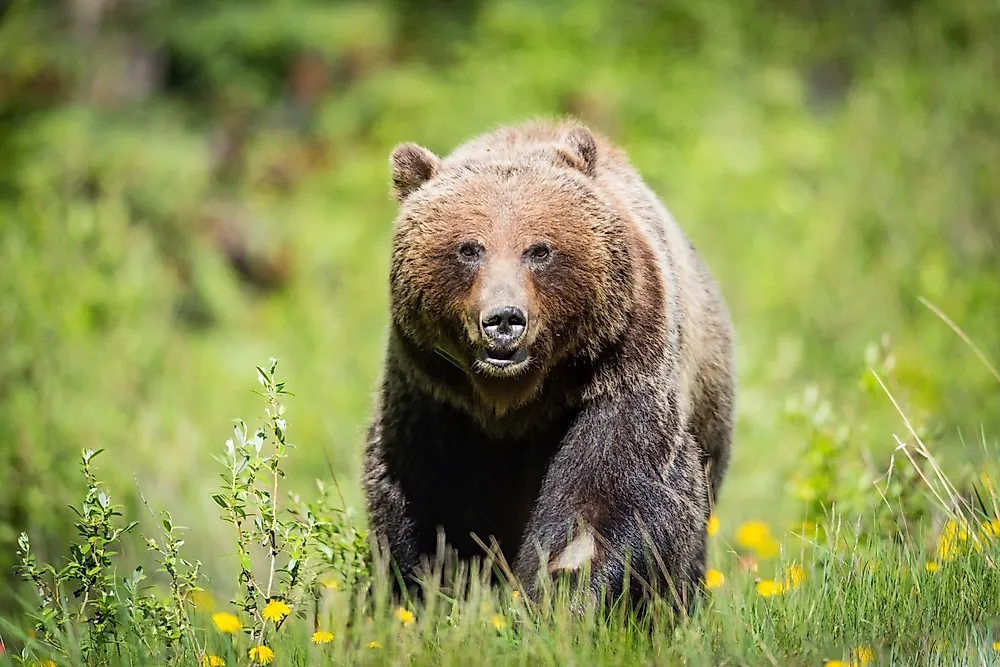
Most people who grow up near grizzly bears are taught from a young age to avoid them. This has led to the widespread perception that these animals are naturally dangerous to humans. However, that perception isn't exactly true because while these bears can be very dangerous, they do not automatically see people as a threat. Left to its own devices, the average grizzly typically goes out of its way to avoid humans altogether.
Unfortunately, humans have been encroaching on grizzly territory for centuries. This sometimes leads to misplaced aggression; for example, a grizzly may attack someone if they believe that person is a threat to the bear or its cubs. These bears may also grow dependent on food provided by humans, leading them to search garbage cans, bird feeders, gardens, and more in search of snacks. When humans intervene, grizzlies might attack because they perceive a threat to their new favorite food source.
Because of this, humans have learned to be very wary of grizzlies throughout many areas of the United States. However, these bears are nowhere to be found in California, and that has everything to do with how early residents settled out west.
The Hunt Begins
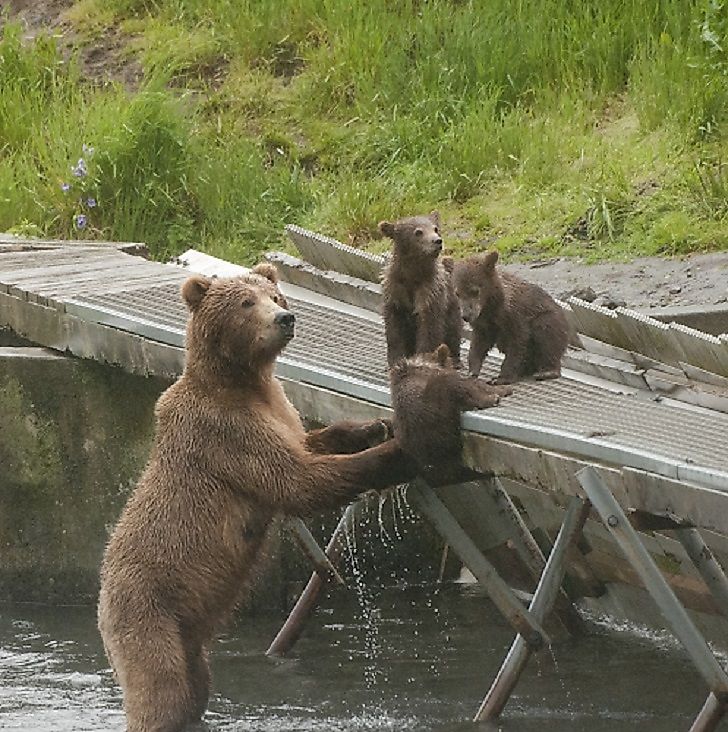
California is a state filled with references to bears, from sports team names (like the Fresno Grizzlies and the Golden Bears) to the iconic bear flag. While the state now has exactly one kind of this animal (the American black bear), it was once filled with grizzlies, which all of those previous names refer to. Why are there no grizzly bears in California? The beginning of the end for these creatures began as soon as visitors began to settle in the state.
When the earliest Spanish visitors to California arrived in the 18th century, they hunted grizzly bears as a form of self-defense. For example, a member of the Gaspar de Portola expedition party shot a grizzly in 1769. At the time, the area (what is now called San Luis Obispo) was filled with so many of these creatures that the expedition named the area Canada del Oso, which translates to "Canyon of the Bear."
Sadly, the canyon's bear population was soon hunted en masse. Under orders from Father Serra, Commander Pedro Fages and his soldiers spent three months hunting these bears for food. Serra wanted food for the missions, and that's exactly what he got: during this time, the missions in San Gabriel and San Diego received approximately 9,000 pounds of grizzly bear meat. In other areas of the state, bears were similarly hunted for food, sport, and self-defense, and the grizzlies were completely extinct in the state by the early 1920s.
The Gold Rush Changes Everything

On a long enough timeline, the behavior of California's early settlers might have still driven the grizzlies to extinction, but it would have taken much longer. After all, there were only so many expeditions, so many explorers, and so much need for bear meat. However, the grizzlies' fate ended up being sealed much earlier because of the state's major population explosion of the 19th century. This was, of course, California's famous Gold Rush.
The Gold Rush began in 1948. At that time, there may have still been as many as 10,000 grizzly bears active throughout the state. However, their population (which had already been dramatically reduced by Spanish settlers a century earlier) began rapidly dwindling as more Americans moved out West in search of their fortune. Like those earlier settlers, those engaging in the Gold Rush first began to kill grizzly bears out of fear and a sense of self-preservation. Later, however, they were hunted for sport, with men demonstrating their prowess by displaying the pelts of what they had killed.
Speaking of pelts, grizzlies were also hunted for a practical reason: their fur kept settlers warm, especially in the colder months. Settlers killed bears in different ways, including by using poison. However, many think what really doomed them to extinction was the invention of the repeating rifle in 1848. Appearing at the onset of the Gold Rush, this gun made it easier than ever to hunt and kill grizzlies.
The Bloody History of the Stock Market
The final way that grizzly bears in California went extinct was the unfortunate practice of animal fighting. Grizzlies were rounded up and then made to fight bulls, which proved to be a very popular (and very bloody) spectator sport for 19th century settlers. That popularity grew because attendees could make bets as to whether the bear or the bull would win. This gambling had a natural appeal for these settlers because it was an extension of their original goal in moving to California: to make money.
Morbidly enough, the modern stock market still carries on the uncomfortable legacy of these animal fights. A "bull market" refers to a major increase in stock values, while a "bear market" refers to a major decrease. These terms are a direct reference to how these animals fought in the 19th century. Bulls buck their horns upward, indicating market growth; bears swipe their paws downward, indicating falling prices.
By the early 20th century, grizzly bears were nearly extinct in California. In 1922, the last remaining grizzly was shot and killed in Tulare County. While the legacy of this animal lives on in everything from the state flag to countless place names, the grizzly has been extinct in the Golden State for over a century.
A Legacy To Learn From
Humans have always misunderstood the grizzly bear. They took one look at this noble creature and saw something fierce and dangerous. In reality, the bears of California were doing the same thing as the early settlers who came to the state: trying to make themselves at home. Unfortunately, the grizzlies found themselves caught between a rock and a hard place, constantly fighting off humans whose weaponry and hunting abilities were constantly improving. The bears simply stood no chance because they were facing a brutal numbers game, with every new settler further threatening their very lives.
Today, even the oldest residents of California cannot remember a time when grizzly bear sightings were common. Despite this, the state is still dominated by bear names and bear icons. Some see it as an unfortunate irony that these residents are surrounded by the imagery of an animal they will never see. Others, however, see the enduring popularity of the grizzly bear as evidence of a powerful legacy. Humanity may have hunted these animals to extinction, but one thing is certain: from flags to football teams, from streets to shirts, from museums to modems, the grizzly bear will never die.