Why Opossums Can Survive A Rattlesnake Bite
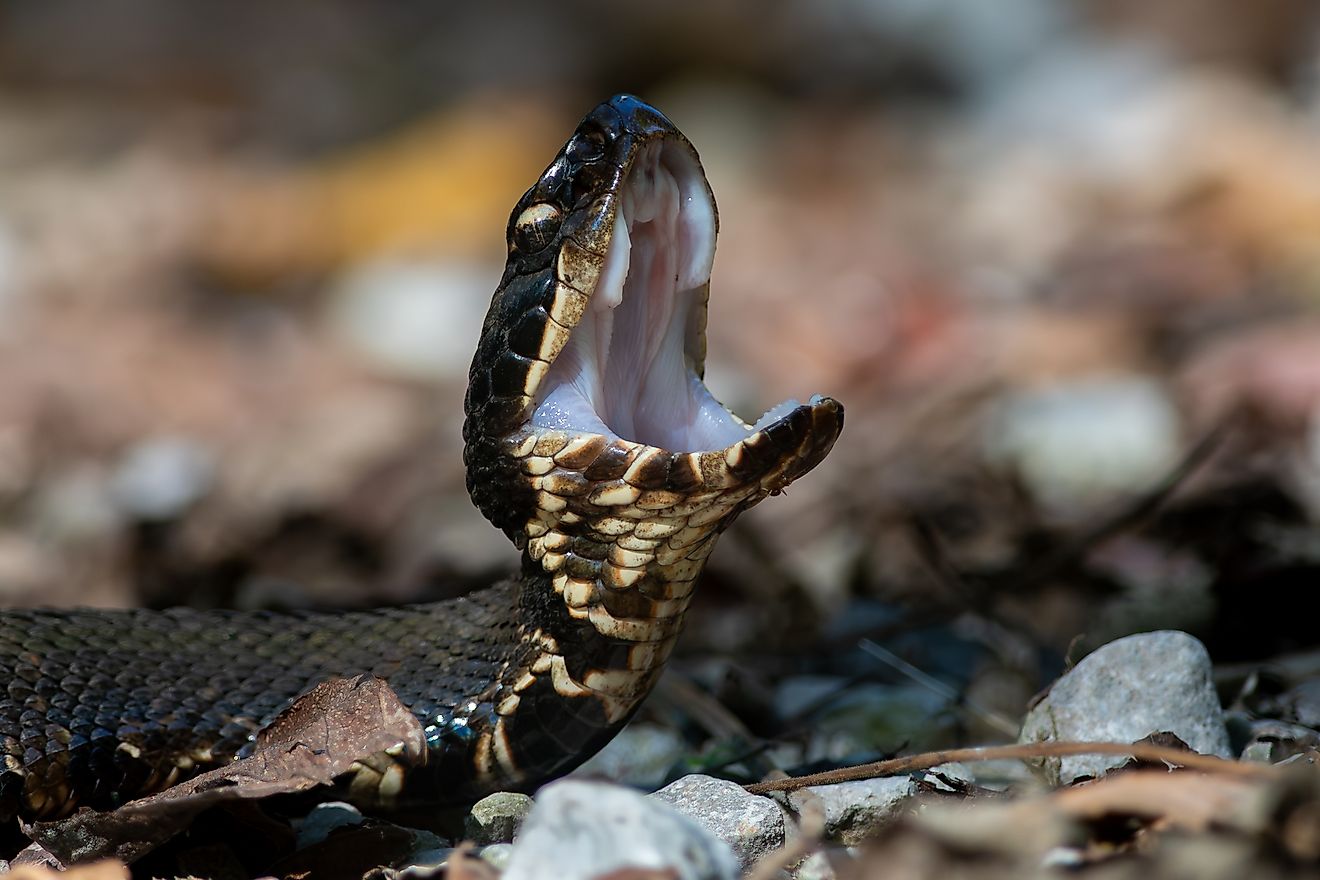
A rattlesnake bite can kill a dog, a coyote, or even a grown adult, so you might expect it to be an instant death sentence for a creature as small as an opossum. Remarkably, it usually is not. The humble, much-maligned opossum can be bitten by a rattlesnake and simply shrug it off, barely the worse for wear. The secret lies hidden in its blood, and it is the product of one of the longest-running feuds in the entire animal kingdom. Here is why opossums can survive a rattlesnake bite, and why scientists are so excited about it.
The Opossum's Hidden Superpower

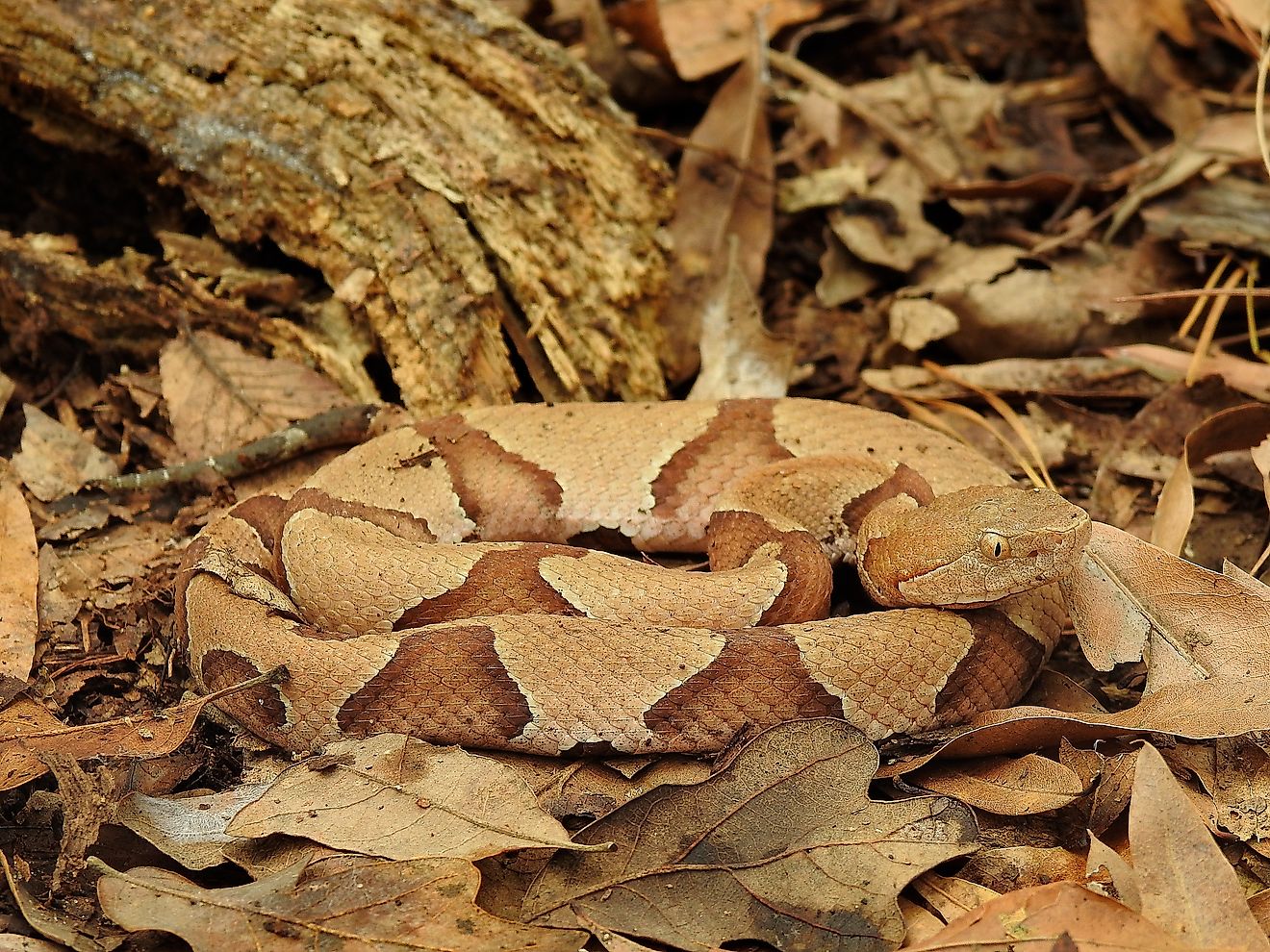
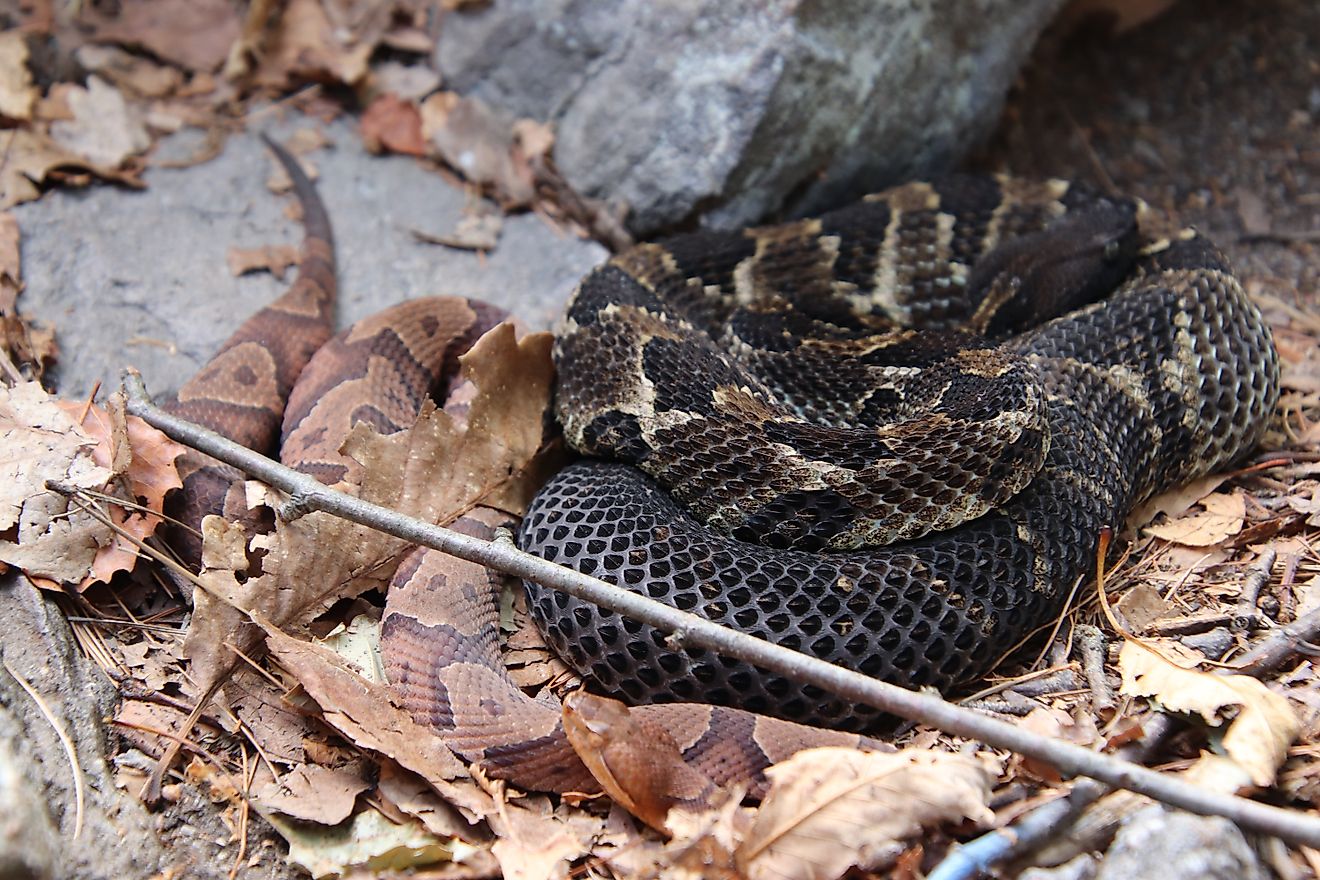
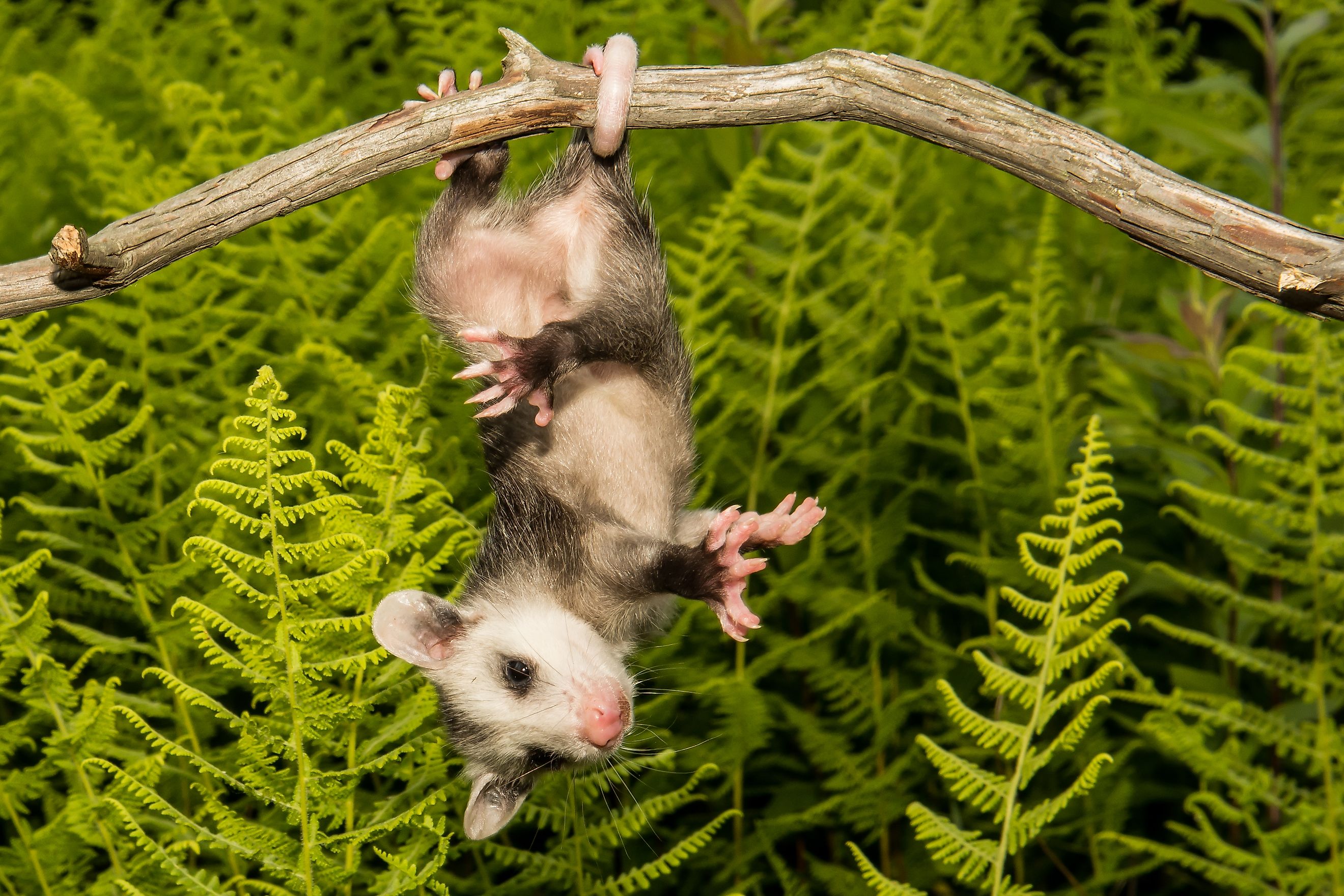
The Virginia opossum, North America's only native marsupial, possesses a genuinely astonishing natural resistance to snake venom. It can withstand bites from rattlesnakes, cottonmouths, copperheads, and other pit vipers that would readily kill other animals of the same size, a trait scientists have documented since the 1940s. Field researchers have even watched opossums take full bites from rattlesnakes and carry on as if nothing much had happened. Its resistance is not unlimited, and a large enough dose can still cause harm, but within reason the opossum treats venom as a minor inconvenience.
A Venom-Neutralizer in Their Blood

The first part of the opossum's defense is a special substance in its blood serum called Lethal Toxin-Neutralizing Factor, or LTNF. This protein, and a short peptide derived from it, actually latches onto the toxic proteins in snake venom and renders them harmless. In laboratory tests, the opossum peptide completely neutralized the venom of the western diamondback rattlesnake in mice, and it proved effective against a whole range of other pit vipers as well. Astonishingly, it has even shown activity against entirely unrelated poisons, including the plant toxin ricin.
Blood That Resists the Bleeding

The opossum has a second line of defense aimed squarely at how pit-viper venom actually does its damage. Rattlesnake venom is hemotoxic, meaning it attacks the victim's blood and clotting system and causes catastrophic internal bleeding, and it does so partly by targeting a crucial clotting protein called von Willebrand factor. Opossums have evolved specific changes in that very protein, changes that stop the venom's toxins from latching onto it. The result is that the bleeding effects of a bite, which are so dangerous to other animals, largely fail to take hold in an opossum at all.
An Ancient Arms Race

None of this evolved by accident; it is the product of a long evolutionary arms race. Opossums regularly eat snakes, including venomous ones, so over millions of years they and the pit vipers have been locked in a slow-motion duel, sometimes described as a molecular arms race. As snake venom grew more potent, opossums evolved ever-better resistance to keep pace, and as their resistance improved, there was fresh pressure on the venom to escalate in turn. The payoff for the opossum is enormous: it can hunt and devour rattlesnakes that nearly every other animal has no choice but to flee.
A Lifesaver for Humans?

The most exciting part is what the opossum might one day do for people. Up to two million people are bitten by venomous snakes worldwide every year, and many die, especially in poorer regions where treatment is scarce. Today's antivenoms are made by injecting venom into horses and harvesting their antibodies, a process that is expensive, can trigger allergic reactions, and is specific to particular snakes. The opossum's peptide, by contrast, is cheap to produce, works against a broad range of venoms, and has already protected mice from both rattlesnake and viper bites, raising real hope that this unglamorous backyard marsupial could one day provide a cheap, universal antivenom. So the next time you see an opossum trundling across your yard or playing dead in the headlights, remember that its blood holds one of nature's most remarkable defenses, and perhaps even a future cure for one of humanity's oldest dangers.