Where Mosquitoes Go In The Winter
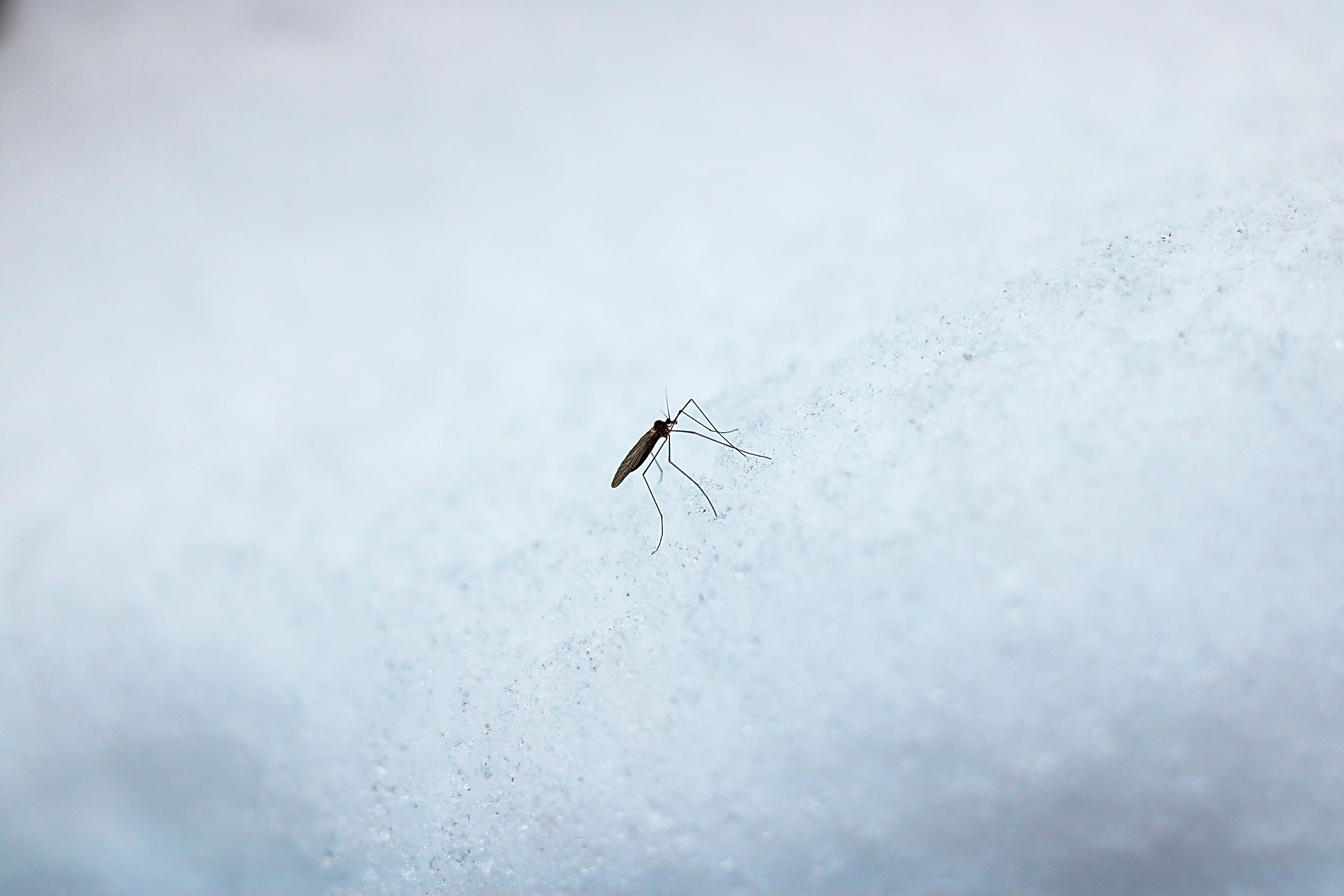
When the first hard frost settles over a backyard, the whining clouds of summer seem to vanish overnight. Mosquitoes do not fly south like birds, and most of them do not simply die and leave the next generation to chance. Instead, they hide. Some sleep through winter in storm drains, caves, and basements, their bodies paused like a held breath. Others survive as eggs scattered across frozen mud, or as larvae locked beneath the ice. By the time spring returns, they are already waiting.
A Season Ends With A Signal

Mosquitoes are cold-blooded, so as the air cools in autumn, they slow down and grow sluggish. But the most important cue comes earlier. As the days shorten, many species begin preparing for winter before the cold ever arrives, entering a state called diapause, a kind of programmed hibernation controlled by hormones. Entomologists distinguish this from quiescence, a more immediate shutdown triggered by bad conditions.
A killing frost, two straight hours below about 28 degrees Fahrenheit (minus 2 degrees Celsius), will kill most mosquitoes left exposed in the open. The ones that survive are those that have already slipped into hiding, in whichever life stage their species has evolved to use.
The Females That Hibernate

The common house mosquito, Culex pipiens, spends the winter as an adult, but only the females make it. In fall, males and females mate, and the males die soon after. The females stop taking blood, feed on plant sugars instead, and build up fat reserves while their egg development shuts down. Then, around late October or November, they search for shelter.
They settle into caves, culverts, underground storm drains, animal burrows, hollow logs, woodpiles, sheds, garages, and basements, resting on the walls in the still, cool air. There they wait, barely alive, until spring warmth wakes them. Their first task is to find a blood meal so they can finally develop the eggs they have carried all winter. Hibernating females can also carry viruses through the cold months. Scientists believe this is one way diseases like West Nile virus survive from one summer to the next, a reminder of why mosquitoes rank among the deadliest animals to humans.
The Eggs That Wait For Water

Many Aedes mosquitoes take a different path. Before dying in fall, females lay eggs on damp soil, in tree holes, or along the edges of containers and floodplains that will later fill with water. The eggs enter their own dormant state and can survive freezing temperatures for months.
Floodwater mosquitoes are especially patient. Their eggs, laid in soil along rivers and low fields, can remain dormant for as long as two years, waiting for the right flood. Some hatch in stages, with only part of a batch emerging after a single flooding, an insurance policy against puddles that dry up too fast. When spring rains and snowmelt finally soak the ground, the eggs hatch almost all at once, which is why mosquito populations can explode seemingly overnight.
The Larvae Beneath The Ice

A few mosquitoes spend the winter underwater as larvae. In the West, the tree hole mosquito (Aedes sierrensis), which can carry dog heartworm, passes most of the winter as larvae in the water that collects inside hollow trees. Development slows to a crawl in the cold, so many of these larvae do not become adults until spring.

The pitcher-plant mosquito (Wyeomyia smithii) goes further still. It lays its eggs only inside the water-filled leaves of carnivorous pitcher plants in North American bogs, and its larvae can spend the winter frozen solid in ice inside the plant, thawing out and resuming growth when spring arrives.
Do Mosquitoes Spend Winter Indoors?
Sometimes, yes. The same sheltered spots that hibernating females seek in the wild, cool, dark, and protected from wind, also exist in and around homes. Unheated basements, crawl spaces, garages, sheds, and woodpiles can all hold dormant mosquitoes clinging quietly to the walls. In this state, they rarely bite, because their bodies are focused on conserving energy rather than producing eggs. On a warm winter day, though, a few may stir and wander into living spaces. Sealing gaps around doors, windows, and vents in the fall helps keep them out, and a quick check of the basement or garage may reveal more winter guests than expected.
The Mosquitoes That Never Stop
Not every mosquito takes winter off. In California, a species nicknamed the "winter mosquito" (Culiseta inornata) is most active during the colder months and rare in summer. In parts of New York City, a variety of the house mosquito known as Culex pipiens molestus has adapted to underground spaces such as basements and tunnels. There it breeds through the winter without needing a blood meal to start its first batch of eggs. And in the warmest parts of the South, including Florida and the Gulf Coast, many mosquitoes simply keep flying, biting, and breeding all year.
Why Winter Matters For Summer
Because so many mosquitoes survive winter in hiding, the cold months are one of the best times to prepare for the season ahead. Emptying buckets, clearing clogged gutters, and draining standing water in fall and winter removes the places where eggs wait and where spring larvae will grow. By the time the first warm evening arrives, the mosquitoes that slept through winter will be ready, but there will be fewer places for the next generation to begin.