The US Rivers Where Otters Have Returned
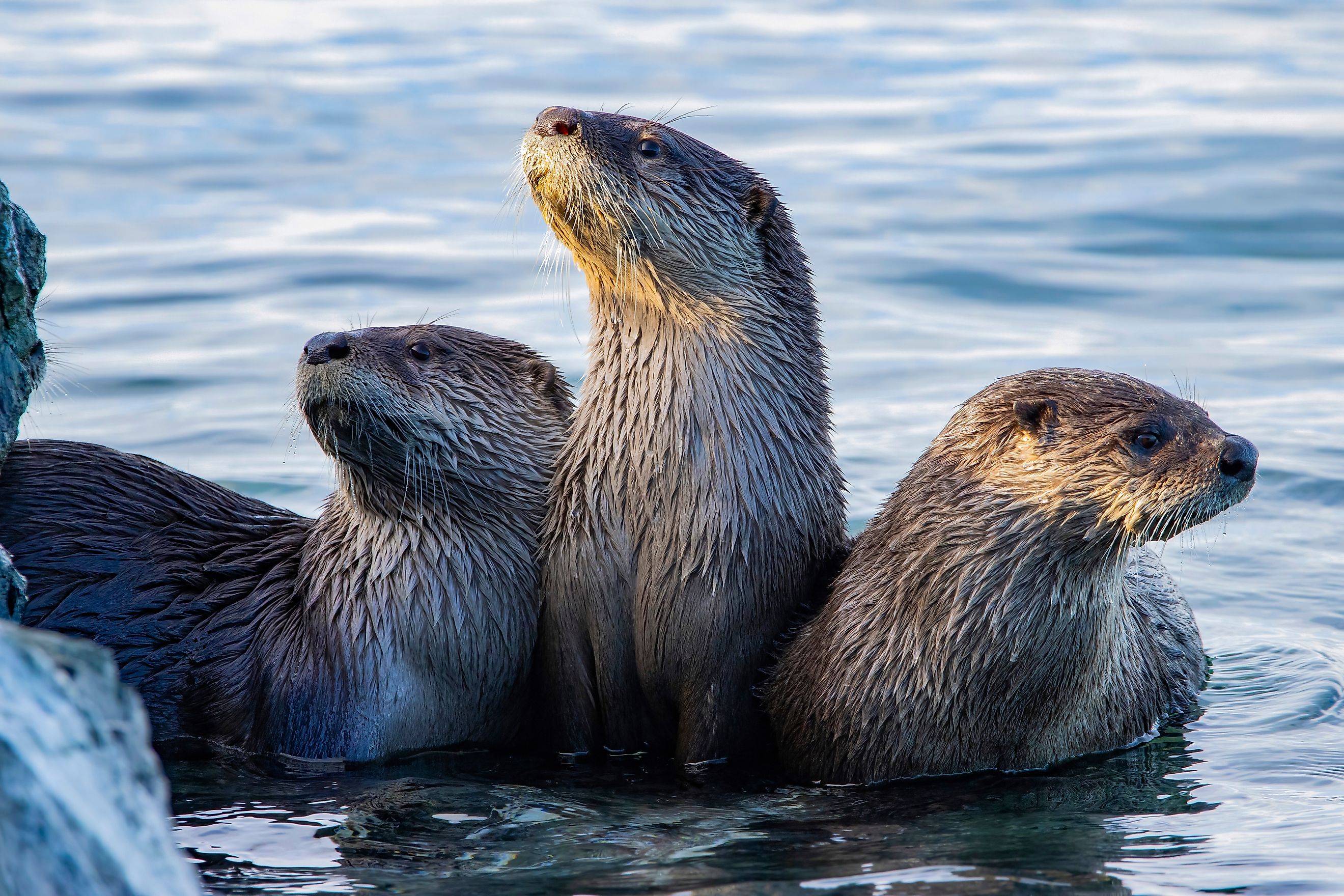
A century ago, the river otter was quietly vanishing from American waterways. Relentless fur trapping, worsening pollution, and lost habitat wiped the playful swimmers out of river after river, until by the mid-1900s they were gone from much of their former range. But the river otter's story did not end there; it went on to become one of the great comeback tales in all of American conservation. Thanks to the Clean Water Act and ambitious reintroduction programs in more than 20 states, otters have come splashing back into rivers that had not seen them in generations. Here are the US rivers where otters have returned.
The Colorado River

Colorado led the entire movement. In 1976 it became the first state to reintroduce river otters, releasing them along the South Platte, and the effort soon spread to the headwaters of the Colorado River itself in Rocky Mountain National Park, where the population has since held steady. Otters reintroduced across the state have gained a foothold on the Dolores, Gunnison, and Green rivers too, spreading through the Western Slope's clean mountain water. From a complete absence by the mid-20th century, the Colorado's otters now breed across the region, a genuine textbook recovery.
Ohio's Rivers

Few comebacks are as symbolic as Ohio's. This is the state whose Cuyahoga River famously caught fire from pollution, so the return of a clean-water animal like the otter means a great deal here. Starting in 1986, wildlife officials released 123 otters, brought in from Louisiana and Arkansas, into four Ohio watersheds chosen for their recovering water quality. The animals thrived, breeding populations established themselves along the Grand, Maumee, and Sandusky rivers, and by 2002 the otter was removed from the state's endangered list entirely. They have since even turned up in the parks around Cleveland.
The Genesee River

New York ran one of the most celebrated reintroductions of all. In the 1990s, the New York River Otter Project relocated 279 otters, gathered from the Adirondacks, Catskills, and Hudson Valley, to 16 sites across western and central New York, including the rivers that feed the Finger Lakes. Many of those waterways, the Genesee among them, had been without otters for longer than anyone alive could remember. The restored western New York population has since grown so robust that it has nearly filled all the available habitat, and otters have even reappeared in the Bronx River for the first time in more than a century.
Missouri's Rivers

If any state went all in, it was Missouri. Between 1982 and 1992, the state released a remarkable 845 river otters, most of them trapped in Louisiana, into its rivers and Ozark streams. The population did not just recover; it absolutely exploded, rebounding so completely that otters are now found throughout the state, and the clear, spring-fed waters of the Ozarks like the Current River are once again prime otter country. Missouri's effort stands as one of the largest and most successful otter reintroductions ever attempted anywhere in the country.
Pennsylvania's Rivers

Pennsylvania's otters, once found in every river system in the state, had all but disappeared by the early 1900s. Beginning in 1982, the Pennsylvania River Otter Reintroduction Project released more than 150 otters across the state's watersheds, including 28 into the Youghiogheny River, and restored populations to nearly all of its major river basins, among them the Allegheny. Their comeback is considered a direct indicator of improving water quality, driven by the Clean Water Act and cleaner discharge from treatment plants. The otter is now celebrated enough in Pennsylvania to feature on the state's wildlife conservation license plates.
The Rappahannock River

In the Chesapeake Bay region, where otters were considered endangered just a few decades ago, the recovery has reached some genuinely surprising places. Otters are turning up throughout the bay's watershed, including the Rappahannock River around Fredericksburg, Virginia, where locals have warmly embraced their "otter-ly amazing" return. Most striking of all is their reappearance in once-notorious pollution hot spots like Baltimore Harbor and the Anacostia and Elizabeth rivers. Because otters will only settle where the water runs clean, their spread across the Chesapeake is one of the clearest signs that decades of cleanup are finally paying off. From the Rockies to the Chesapeake, the river otter's return is a reminder that even after an animal vanishes, cleaner water and a little human help can bring it swimming right back.