Where Rattlesnakes Go In The Winter
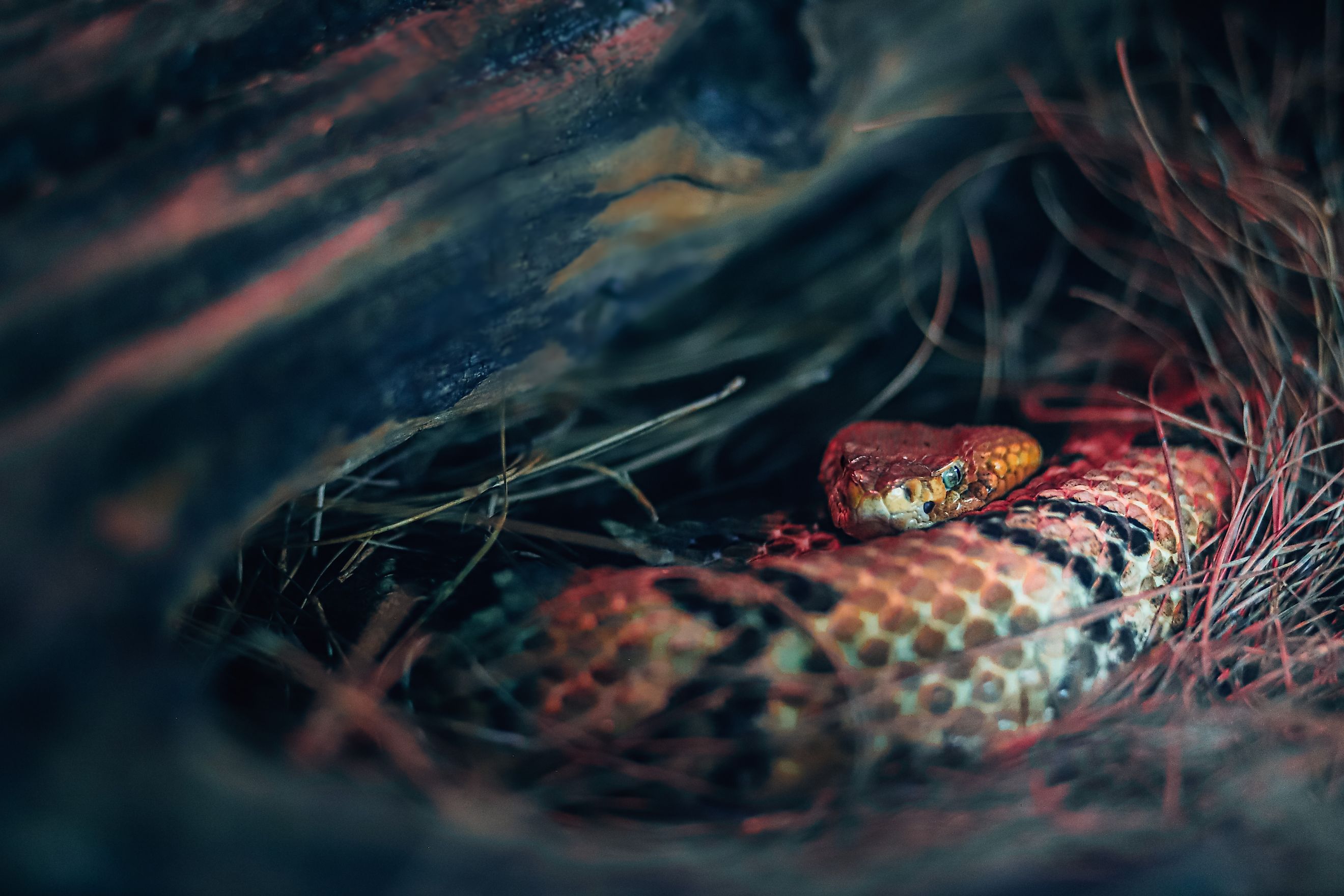
Rattlesnakes are found only in the Americas. There are about three dozen species. Their range covers the dry hills of southern Canada, the breadth of North America and Mexico, and reaches the subtropics of Argentina. What a rattlesnake does in winter depends on how cold it gets where it lives. In the warm south, a rattlesnake might slow down for a few weeks but otherwise stay active. In the north, it cannot do this. Because rattlesnakes are cold-blooded, they cannot warm themselves from the inside. If one is caught above the frost line in January, it will freeze. So, it goes underground. This behavior is called brumation, which is like winter dormancy for reptiles. Biologists sometimes debate whether to call it brumation or hibernation, but the snake underground follows its own routine no matter what we call it.
During brumation, a rattlesnake's metabolism drops sharply. It stops hunting before the cold arrives, so it does not have undigested food in its stomach when it gets too cold to digest. The snake does not sleep in the usual way. On a mild, sunny winter day, it might wake up, move to the entrance of its shelter, and drink. In Arizona, western diamondbacks have even been seen collecting rain and melted snow from their own bodies instead of using energy to search for water.
The Architecture Of A Winter Den

The shelter has an old name: hibernaculum, which comes from the Latin for winter quarters. Its main job is to keep a rattlesnake below the frost line in a pocket of air and rock that never quite freezes. What makes a good hibernaculum depends on the ground. Charles Ernst and Evelyn Ernst, who studied North American snakes, list talus slopes, caves, cracks in south-facing canyon walls, deep burrows made by other animals, and even active prairie dog colonies as places where rattlesnakes spend the winter. The only real requirement is that it's deep enough to stay above freezing. A snake will test a crack in the rock by moving down until it finds that safe margin or decides to look somewhere else.
On Colorado's Rabbit Mountain, researchers funded by Boulder County put transmitters on fifteen prairie rattlesnakes and tracked them to their dens. By November 9, 2015, all fifteen animals had settled into separate dens, six males and nine females, rather than gathering together in a single den as the old stories suggest. The fieldwork was messy. The team lost five transmitters during the season but managed to recover and reattach every one before the snakes picked their winter spots. That kind of patience is what telemetry requires, even if it rarely gets noticed.
Timing depends on both temperature and species. Matt Goode, a wildlife ecologist at the University of Arizona who has tracked desert rattlesnakes for years, found that the small, shy tiger rattlesnake enters its den from late October to early December, slipping two to four feet into cracks in rocky outcrops and disappearing until spring. The larger western diamondback goes down later and chooses open rocky slopes or small caves along desert washes. Goode calls going in ingress and coming out egress. He points out that as the climate warms, the timing for both may change. This is a quieter and less visible effect of warming, since it happens underground. In the coldest places, in the north and at higher elevations, the same species that barely pause farther south will spend half the year below ground, often returning to the same den for life.
Dens Are Family Affairs

For a long time, naturalists considered snakes the least social of all vertebrates. This view was more about our limitations than the snakes themselves, since animals that stay still, hide well, and move little are just hard to observe. Things changed when Rulon Clark, then at Cornell, raised timber rattlesnakes from known litters and measured how closely they settled next to each other. In 2004, he found that female siblings stayed closer together than unrelated females, marking the first evidence of kin recognition in snakes.
Clark revisited the topic in 2012, teaming up with William Brown, Randy Stechert, and Harry Greene to study rocky dens in Pennsylvania and New York. Using genetic markers, they found that groups of young snakes and pregnant females in the wild were often made up of relatives. Both males and females return to their birth den for life, while males spread genes between dens as they look for mates in the summer. It turns out the timber rattlesnake maintains a sort of extended family.
It's impressive that a newborn snake can find its family den, especially since it has never seen it before. In September 2003, Vincent Cobb and his colleagues tracked a mother timber rattlesnake and her four newborns by radio. After a week of wandering on their own, the young snakes all ended up on the same wooded, rocky hillside more than three hundred meters from where they were born, likely following scent trails left by older snakes. There's an old story that a mother rattlesnake swallows her young to protect them from danger, but there is no evidence for this. Research has revealed an even more unusual mechanism. Snakes appear to follow chemical cues that guide them to dens they have never visited before, using scent as a kind of map.
Why The Den Locations Stay Quiet

Rattlesnakes' loyalty to a single den makes their populations easy to wipe out. When a hundred snakes share one den, and their descendants keep returning for decades, it means the whole local group gathers in one spot for half the year. People who wanted to get rid of rattlesnakes knew this. In the nineteenth and twentieth centuries, bounty hunters and organized roundups cleared out known dens. Some even poured gasoline into the cracks or used dynamite, killing the snakes inside and destroying the shelter for any that might come later. Since a destroyed den isn't rebuilt and scattered snakes rarely find a new one, just one afternoon's effort could wipe out generations.
That history explains why U.S. agencies that know the locations of rattlesnake dens now keep those details secret. Wildlife staff in Idaho and federal land managers will tell you which districts have dens, but they won't say exactly which rock. This caution is intentional. They might direct people to the general areas where rattlesnakes spend the winter on national forest land or to parks where venomous snakes are common, but they never reveal the exact spot.
What Winter Means For Anyone Outdoors

If you're walking in rattlesnake country, winter is usually the safest time, but it's not completely risk-free. On cold days, snakes stay deep underground and are almost impossible to disturb. Even if they wake up, they're too sluggish to strike. The exception is a mild winter day, when a snake might be sunning itself near its den. The same precautions apply in winter as in summer. Avoid reaching into rock piles, woodpiles or crevices where snakes may be sheltering, and check the ground before sitting on a warm, sunny slope. This is also why rattlesnakes disappear after the first frost and come back with the first warm days of spring.
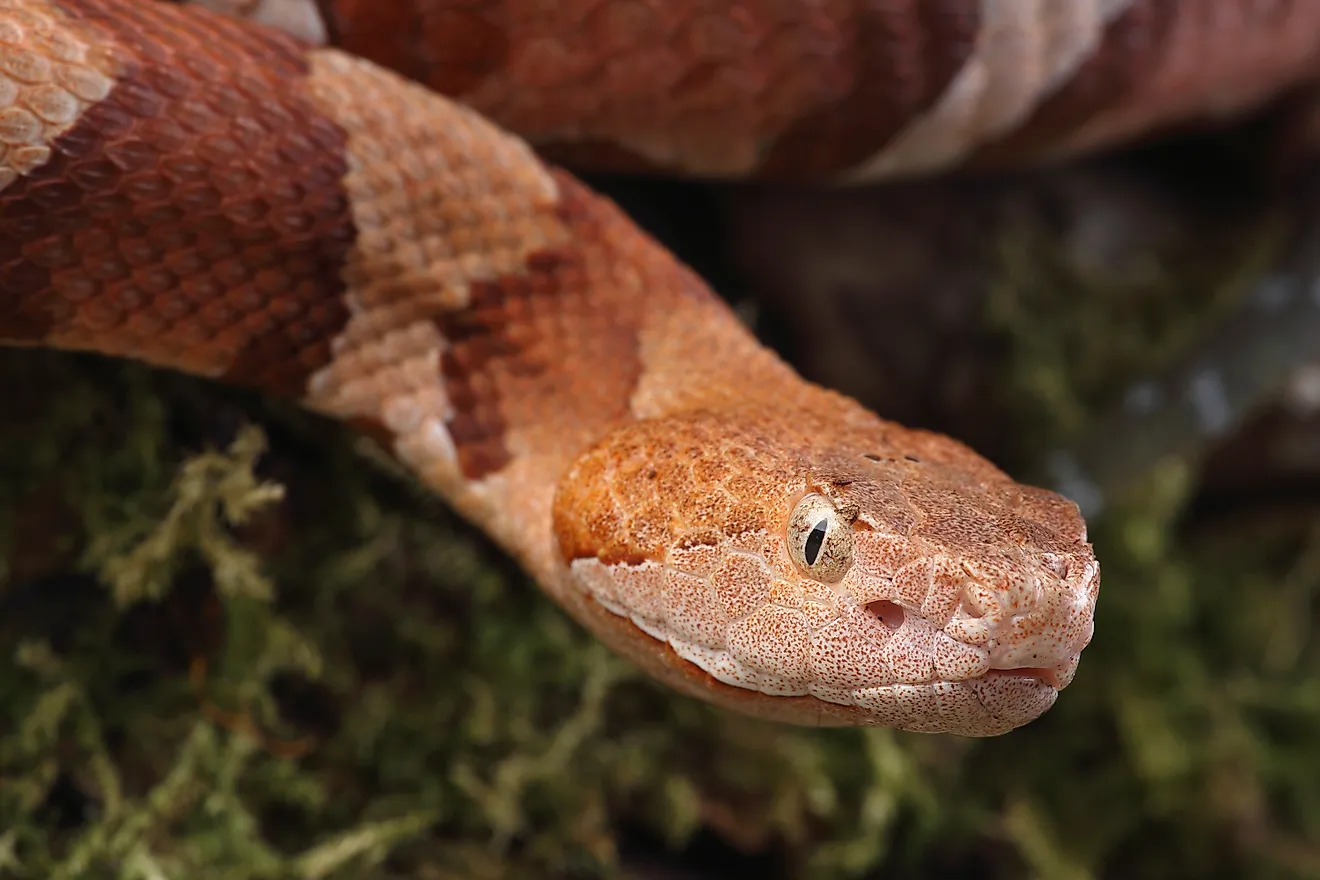
The risk is actually quite low. Poison centers across the country report about seven to eight thousand venomous snakebites each year, with only about five resulting in death. Most of these deaths are from rattlesnakes, since their venom is more dangerous than that of copperheads or cottonmouths. Between 1989 and 2018, there were 101 fatal snakebites nationwide, and nearly ninety percent of those identified were from rattlesnakes. Most victims were around forty years old, and men were much more likely to be bitten. Studies suggest that many serious bites occur when people try to handle, corner or approach a snake, often while under the influence of alcohol. Bites to hikers who accidentally encounter a snake are less common than those resulting from deliberate attempts to get close to one.
If someone is bitten, the medical advice is clear and mostly about what not to do. Keep the person calm and still, get them to a hospital quickly, and remove any rings, watches, or tight clothing near the bite before swelling starts. Do not cut the wound, attempt to suck out the venom, apply a tourniquet or put ice on the bite. These outdated remedies can cause further harm rather than help. Antivenom given in time treats most rattlesnake bites. Experts also point out that rattlesnakes don't want to bite something too big to eat, so they only use their venom on people when they have no other choice.
A Season Spent Out Of Sight
A winter landscape may appear empty, but in rattlesnake country, many snakes are sheltering just below the surface in rock crevices and abandoned burrows. They remain there until warmer soil temperatures allow them to become active again. This seasonal dormancy occurs across the Americas, although its duration varies with latitude. In warmer southern regions it may last only a few weeks, while farther north it can extend over six months. Rattlesnakes often return to the same winter dens year after year, sometimes for decades. That loyalty has also made these sites vulnerable to human disturbance. In the past, a single roundup could remove an entire local population from a den it had used for generations.
For people living or spending time in rattlesnake country, the precautions are straightforward. Snakes in winter are not actively searching for prey or pursuing people. They are conserving energy and water while waiting for conditions to improve. Even on a mild winter day, avoid reaching into sun-warmed crevices or placing your hands where a snake might be sheltering. Decades of research using den surveys and radio transmitters have revealed more about these winter gatherings, but each season continues to add to what scientists know about their behavior.