The Western Edge Of Copperhead Country
Copperhead country has a western edge, and it sits farther east than most people think. Across the central United States, copperheads become less common state by state as woodland gives way to open plains, until around the 97th meridian, where they lose the shaded, rocky, creek-filled ground they need. In Kansas, Oklahoma, and Texas, this boundary isn't marked by a sign but by a change in the landscape. For anyone who hikes, gardens, or camps nearby, it's good to know where this edge is, because up to that point, the copperhead is the venomous snake you're most likely to see.
Where the Copperhead Runs Out

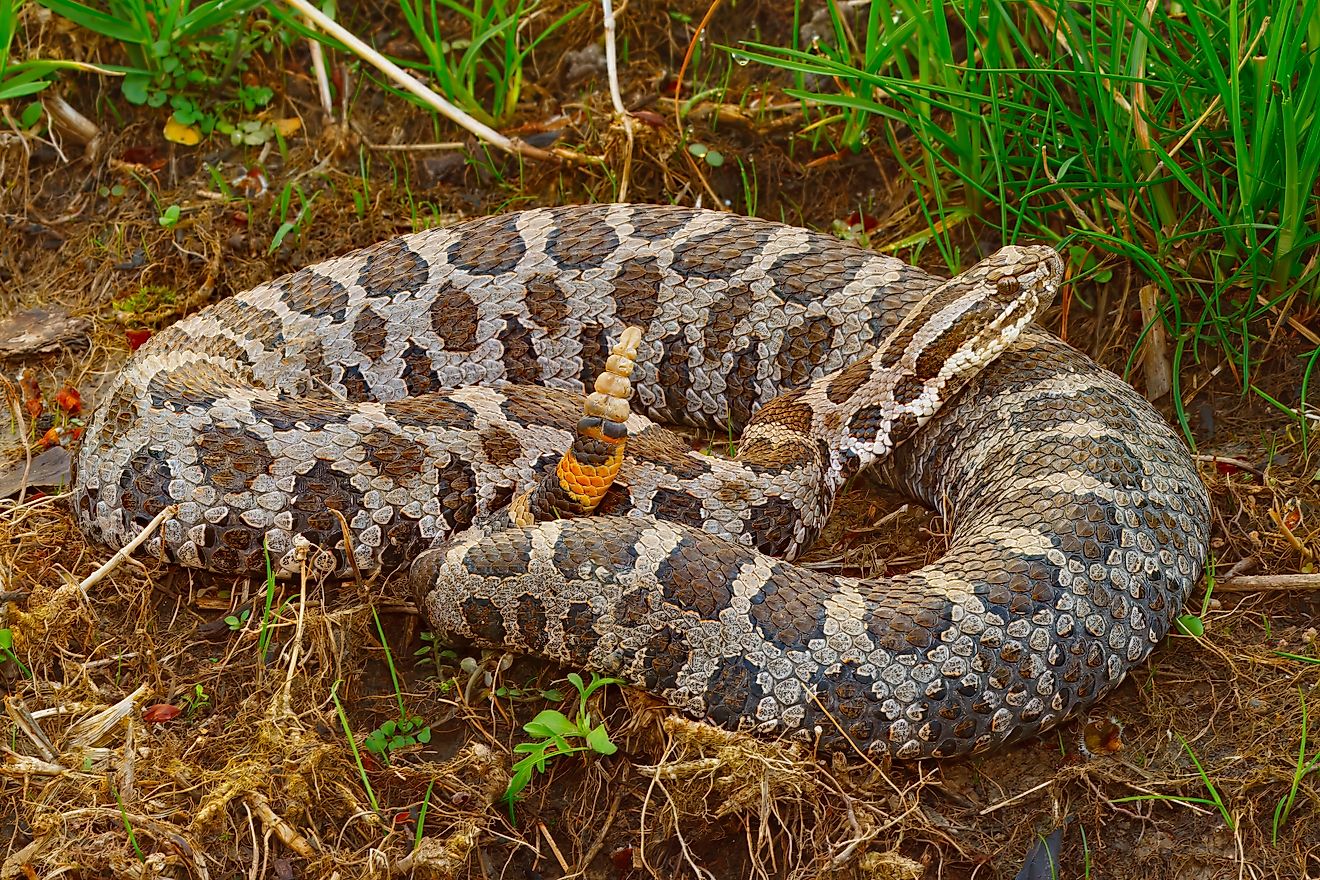
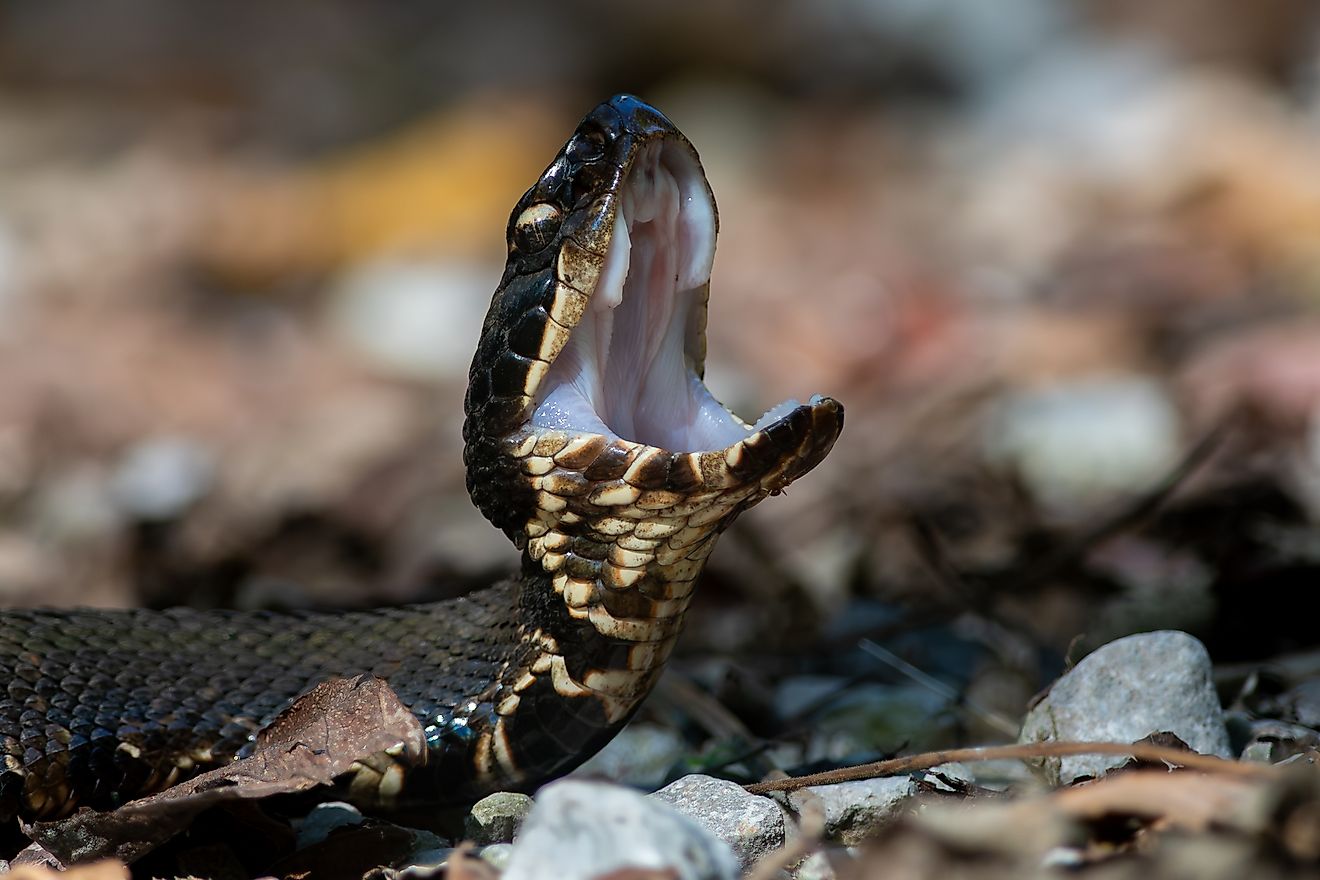
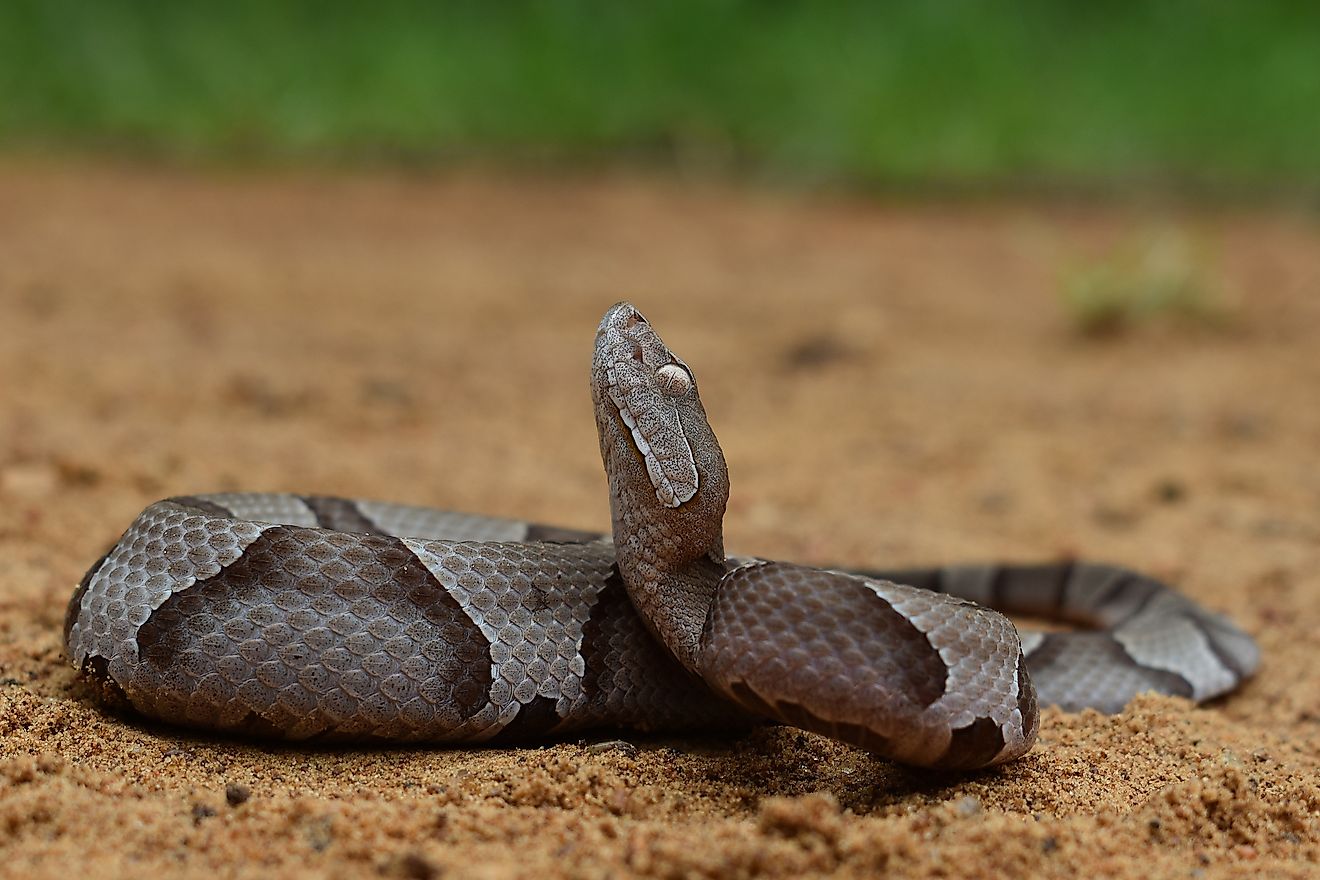
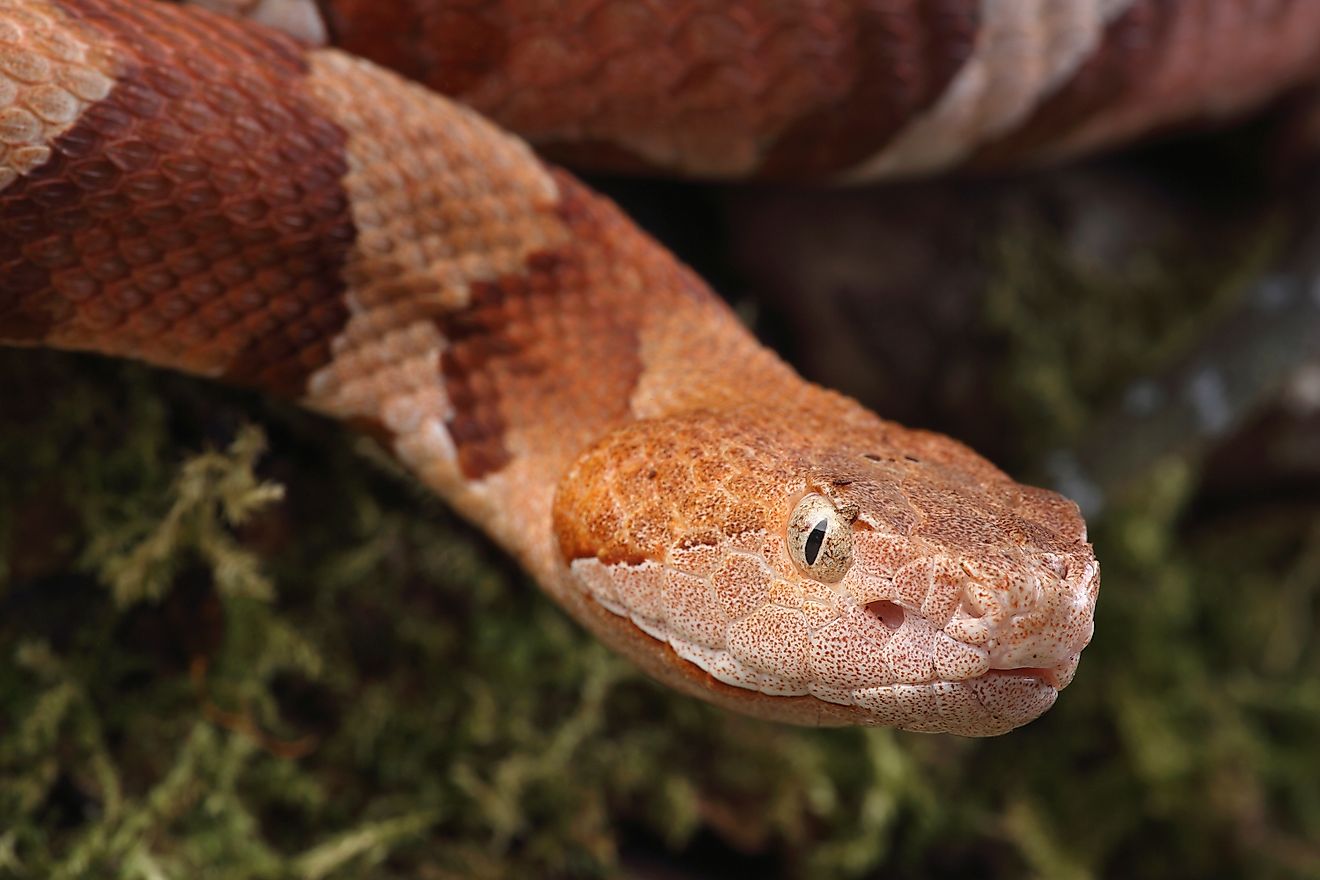
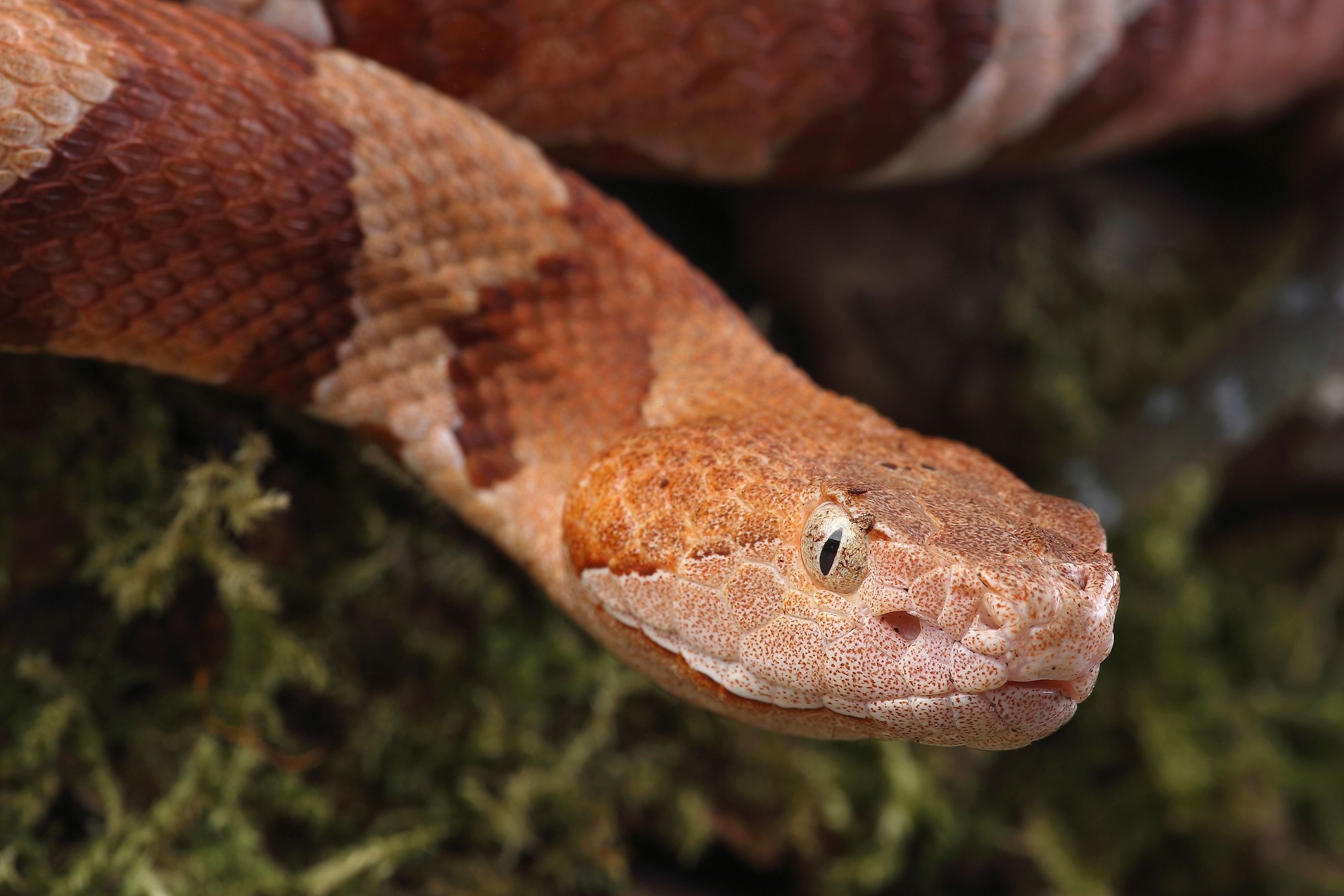
The eastern copperhead, Agkistrodon contortrix, lives across a wide area in the eastern and central United States. According to NatureServe, its range covers nearly 2.4 million square kilometers (roughly 930,000 square miles). The snake's western edge stretches from southeastern Nebraska through eastern Kansas and Oklahoma into Texas, following wooded river corridors until the land opens into prairie. In his 1957 handbook, Albert Hazen Wright described the broad-banded copperhead's range as lying between the 97th and 99th meridians west, spanning central Texas up to the Kansas and Oklahoma border. This was about as clear a western boundary as field guides of that time provided.
Henry Fitch began working at the University of Kansas's Natural History Reservation near Lawrence in 1948 and spent nearly sixty years studying copperheads at the edge of their range. His 1960 book, Autecology of the Copperhead, remains the most detailed field study of how these snakes live near their western limit. Fitch found that males roamed home ranges of about ten hectares (roughly 25 acres), while females used about a third as much space. He estimated there were about thirteen snakes per hectare in good habitat and tracked some individuals as they moved over a kilometer between winter dens and summer grounds. The snakes follow wooded creek bottoms onto the plains and stop where the trees end. Fitch also saw Kansas copperheads wintering in limestone crevices and basking on warm days as late as December, which helps explain the shape of their western edge. Copperheads stick to rocky, wooded breaks and river bluffs that cut through the grassland, but their numbers drop quickly in the open farmland between these areas. So, the boundary is not a sharp line but more of a fading edge, marked by the last scattered wooded draws where the snakes can still survive.
There is also a western outpost. In the Chihuahuan Desert of the Trans-Pecos and into Mexico, a separate group of copperheads survives along springs, permanent streams, and dry arroyos. They are isolated from the main range by a large area that is too dry for them. So, the western boundary has always depended on which surveyor, and later which geneticist, one trusts.
The Snake the West Keeps Arguing Over

Here the record turns tangled, and the tangle is entirely human. For most of the twentieth century, taxonomists saw the copperhead as a single species with several subspecies, including the broad-banded and Trans-Pecos types. In studies published in 2008 and 2015, Frank Burbrink and Timothy Guiher used genetic data to show that the broad-banded copperhead of central Texas, Oklahoma, and Kansas is actually its own species, Agkistrodon laticinctus. They also included the old Trans-Pecos copperhead in this group.
This change quietly shifted the western edge of the copperhead's range. Now the real boundary of Agkistrodon contortrix, the eastern copperhead, is farther east than older maps showed, since the snakes farther west have a different name. Where these two species overlap, they interbreed across a wide area. This ongoing mixing makes the classification tricky and means field guides can become outdated in just a few decades.
Living Along the Margin

People and copperheads often cross paths at the western edge, and nationwide copperheads account for more bites than any other venomous snake. In a 1967 study for the Journal of the American Medical Association, Henry Parrish and Carole Carr estimated about 2,920 copperhead bites each year across the United States. They found Oklahoma had 61 bites per million residents and Texas had 44.2, both among the highest rates at the time, with Arkansas even higher at 92.9. Most bites happened between April and October, and most took place in the victim's own yard, a small version of the western margin where a snake and a homeowner share the same brushy half acre.
The next number is more comforting. Parrish and Carr found the case-fatality rate to be about 0.01 percent, and that has stayed the same over the years. Deaths from copperhead bites are extremely rare, with only about five recorded in the three decades from 1989 to 2018. In 2016, not one of the more than two thousand confirmed copperhead bites in the country was fatal. Copperhead venom is among the mildest of any North American pit viper, even weaker than that of its close relative, the cottonmouth.
Mild does not mean harmless. A copperhead bite swells, hurts, and can send a child, an older adult, or a dog to the emergency room. Veterinarians report that copperheads cause more pet envenomations than any other venomous snake in the country. The snake's habit of freezing in leaf litter instead of fleeing is what puts it under a boot, a paw, or a bare hand. Copperheads also tolerate people better than their relatives, moving easily through construction edges, sawdust piles, and wooded subdivisions. As towns grow along the western margin, encounters stay frequent even as farmland replaces woods. The snake does not need wilderness, just cover and prey, and a shaded backyard provides both. Along this western margin, the copperhead shares ground with cottonmouths and with rattlesnakes, including the western diamondback and larger prairie species. A hiker trying to tell them apart should learn the venomous snakes of Texas before heading out.
If you're planning a trip, the practical meaning of the edge is simple. In the Hill Country river parks of central Texas, the wooded breaks of eastern Oklahoma, and the limestone creek woods of eastern Kansas, the copperhead is the main venomous snake to watch for, as it is common in these areas and in several state parks. A few counties farther west, past the last of the timbered draws, the snake mostly disappears, and the risk shifts to rattlesnakes that are better suited to open ground.
What to Do Where the Range Thins Out

The best way to stay safe along the western edge is to pay attention to where you put your hands and feet. Copperheads rely on their camouflage and often stay still, so people sometimes step on them in leaf litter, reach past them on rocks, or roll logs onto them. Wearing boots and gloves and taking a careful look around can prevent most bites. It's also smart to keep yards and campsites free of brush and woodpiles, since these are places where copperheads hunt and hide. This is especially important near sheltered spots where copperheads spend the winter, as they gather together and late-season encounters often happen there. In early autumn, copperhead numbers rise again when the young snakes spread out, which is why you might see baby copperheads around this time.
If you get bitten, keep the affected limb still and at about the same level as your heart. Stay calm and go to a hospital. Doctors only use antivenom if the swelling is serious enough. Forget about folk remedies and old field methods like making cuts, using suction, or applying a tourniquet. These were once recommended, but modern medicine no longer uses them.
Takeaway
The western limit of the copperhead range is shaped by both geography and how scientists define the species' distribution. Copperheads have long occupied wooded creek bottoms and limestone breaks as far west as suitable habitat extends, becoming less common across the open country beyond them. What has changed over time is the way researchers have mapped that boundary. Albert Hazen Wright drew his range lines in 1957; Frank Burbrink and Timothy Guiher later used genetic distinctions, identified in 2008 and 2015, to push the eastern copperhead's western edge farther east. As more evidence emerges, the boundary may shift again. For people living or hiking near the edge of the copperhead's range, the practical advice remains much the same. The snake can be common in suitable habitat, so watching where you step and leaving any copperhead undisturbed are sensible precautions.