Where Copperheads Go In The Winter
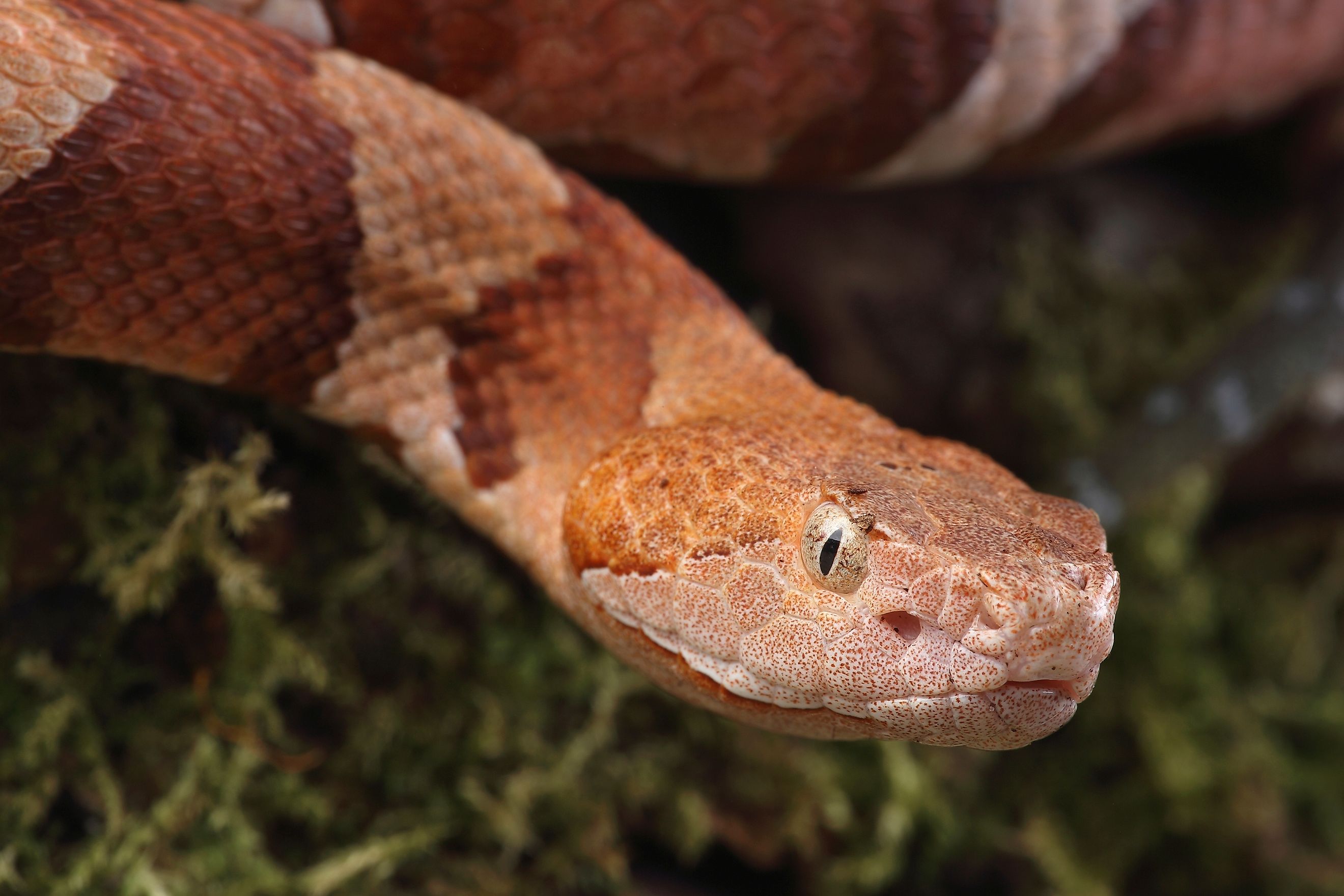
Beneath a slab of hillside rock in the dead of winter, there may be not one copperhead (Agkistrodon contortrix) but a knot of them, coiled in the dark alongside timber rattlesnakes they would never tolerate in summer. The eastern copperhead does not flee the cold so much as vanish into it, dropping out of sight for months at a time. Then a mild afternoon arrives, and the snake turns up near its shelter as if the season had been called off. Where it hides, what it shelters with, and when it slips back into the open all come down to the ground itself.
Rock Crevices And Burrows Provide Winter Shelter

The gap beneath a boulder may be only the entrance to a much deeper refuge. In Massachusetts, copperheads overwinter in underground dens within talus, the loose rock accumulated on slopes. These spaces let snakes retreat beneath the exposed surface. Cornell's wildlife health program explains that overwintering snakes use sites below the frost line or move within dens to find warmer conditions.
Missouri's copperheads have more varied winter quarters. The state's Department of Conservation identifies south-facing rocky ledges as typical sites, but also records animal burrows and hollow stumps. Abandoned quarries and rocky lake spillways can provide suitable shelter, too. A den does not have to be in untouched forest.
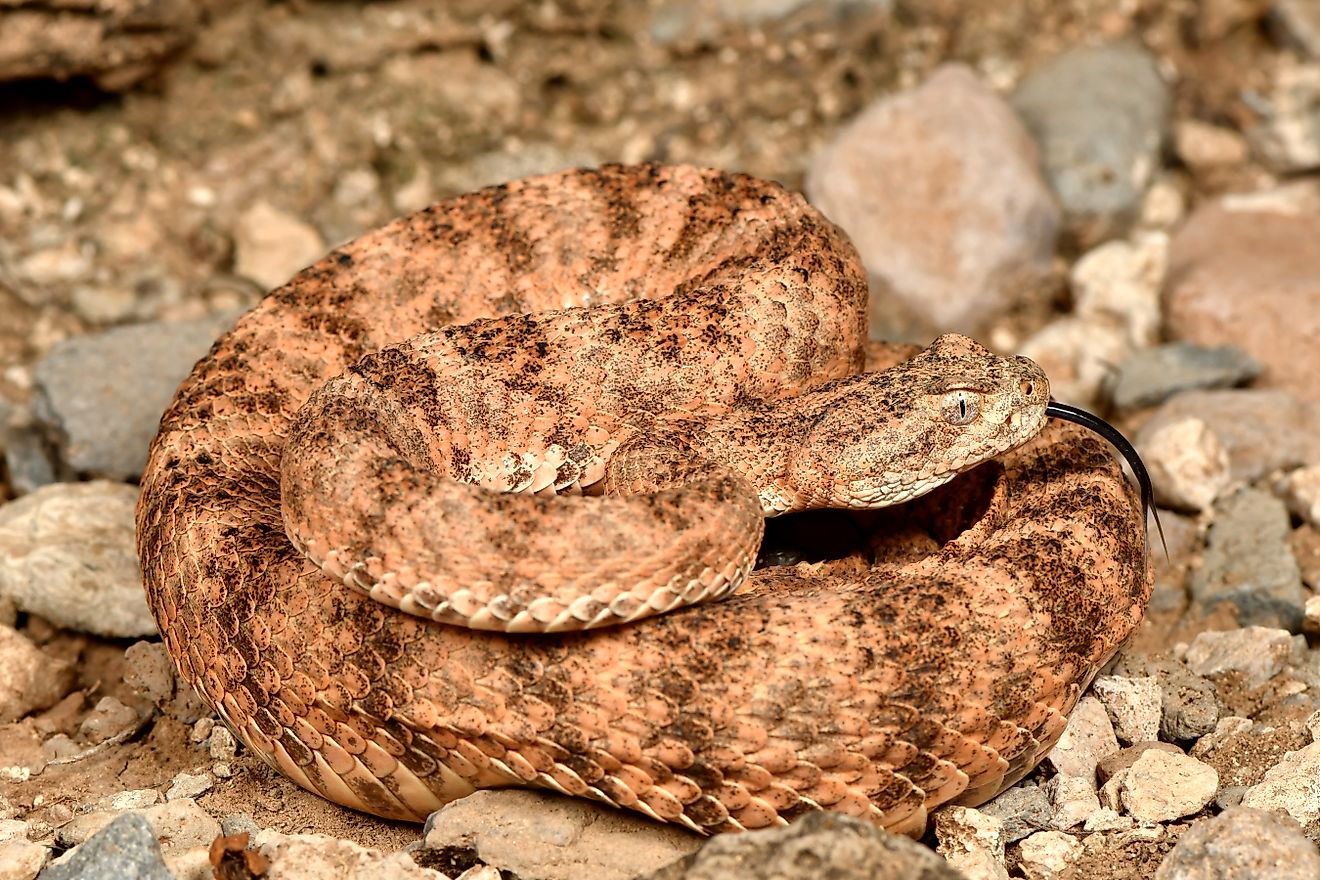
The depth and protection of the refuge matter more than whether its entrance looks impressive. Leaves may conceal a resting copperhead during warmer weather, but surface camouflage serves a different purpose than a winter den.
Some Copperheads Share Dens With Other Snake Species

A sheltered crevice can accommodate more than one snake. In New Jersey, Rutgers reports that copperheads den in rocky ground alongside other species, including garter snakes, black rat snakes, and timber rattlesnakes. Copperheads can also overwinter alone, so finding one does not establish that a large group is nearby. Nor does a shared den mean the snakes form a permanent group throughout the year. They can disperse into different feeding areas when the active season returns.
The gathering is not a mammal-style huddle maintained by substantial body heat. These snakes depend on outside heat sources. Cornell describes shared winter quarters as a matter of suitable location, rather than snakes keeping one another warm. The Smithsonian also notes that copperheads tend to return to the same den year after year.
Brumation Slows Activity Without Making Snakes Helpless

Once sheltered, copperheads spend the cold months in brumation. Wildlife sources also call this hibernation, although brumation is the term commonly used for winter dormancy in reptiles. Their activity falls sharply as conditions cool, reducing the energy they use when feeding and movement become difficult.
A copperhead cannot maintain a warm, stable body temperature the way a mammal does. Instead, it changes position to use the temperatures available around it. Rutgers describes this behavior during the active season, when copperheads visit sunny openings and forest edges to warm themselves. Underground, access to protected spaces allows a snake to avoid the more severe cold at the surface.
Dormancy does not mean the snake is unconscious throughout winter. University of Illinois Extension notes that brumating snakes can emerge during warm weather. A motionless copperhead should therefore be left alone, even when the surrounding air feels cold.
The Return To Winter Dens Begins In Autumn

That seasonal retreat starts before the coldest weather arrives. In Massachusetts, copperheads return to their dens between early September and late October. Most of their overwintering period falls between November and March. Missouri's Department of Conservation places entry into winter quarters mainly in mid-to-late October, while Rutgers gives October as the usual return period in New Jersey. Those dates describe local populations; they are not a nationwide deadline after which every copperhead is underground.
The autumn journey also connects winter shelter to places used earlier in the year. Rutgers describes copperheads leaving rocky den areas for feeding habitats that include forest clearings and marshes. They must later make the return trip before temperatures fall too far. Travel can expose them to danger: the university identifies journeys between dens and feeding areas among periods associated with the most copperhead deaths.
Warm Days Can Bring Copperheads Back Above Ground

A copperhead outside its den does not necessarily mean winter dormancy has ended. The Smithsonian records winter basking on warmer days. These temporary appearances help explain why a calendar alone cannot tell you whether snakes will be visible.
The fuller spring emergence also happens in stages. Massachusetts copperheads typically appear by mid-April, basking on ledges and sunny forest ground near their dens. They generally disperse in late April or May. In New Jersey, activity can begin as early as late March, although departure from den areas normally occurs in May.
Giving A Resting Copperhead Room
During a winter thaw or early spring walk, watch where you step around rocky ledges and leave concealed spaces undisturbed. Do not reach beneath rocks or into stump cavities. If a copperhead is visible, give it room and walk around it. A snake in a place where people cannot safely avoid it should be handled by a trained professional.