How Far North Copperheads Have Reached
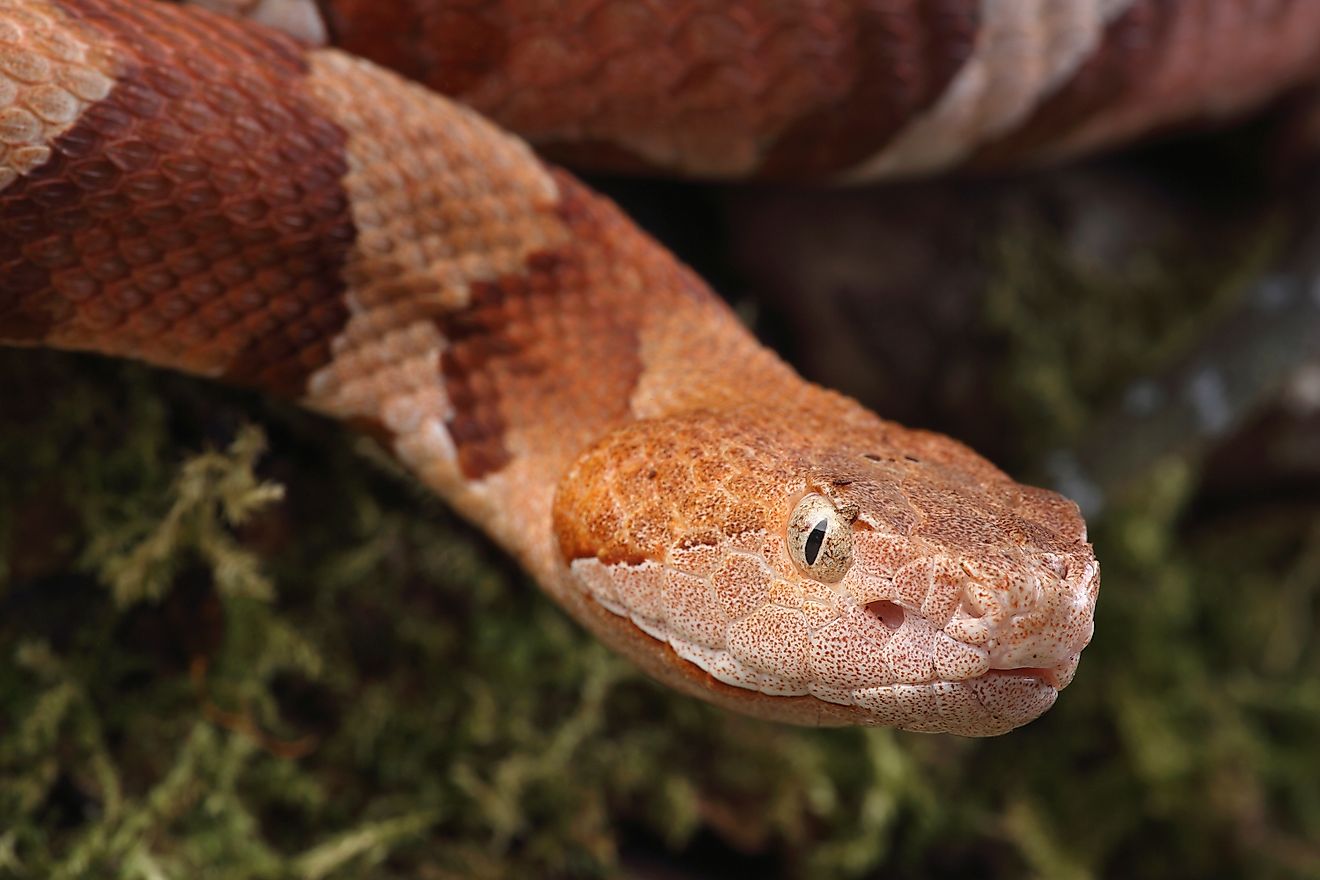
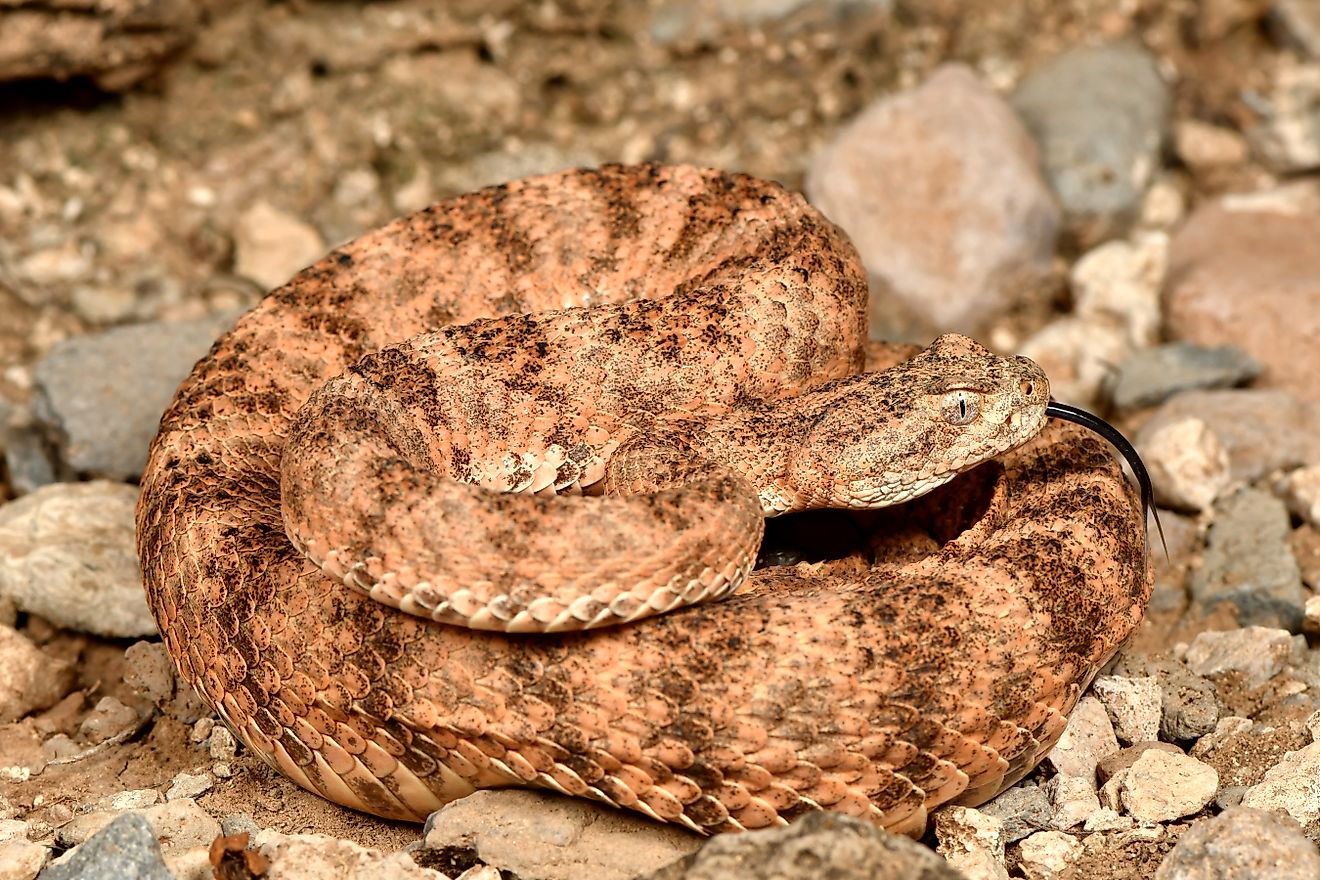
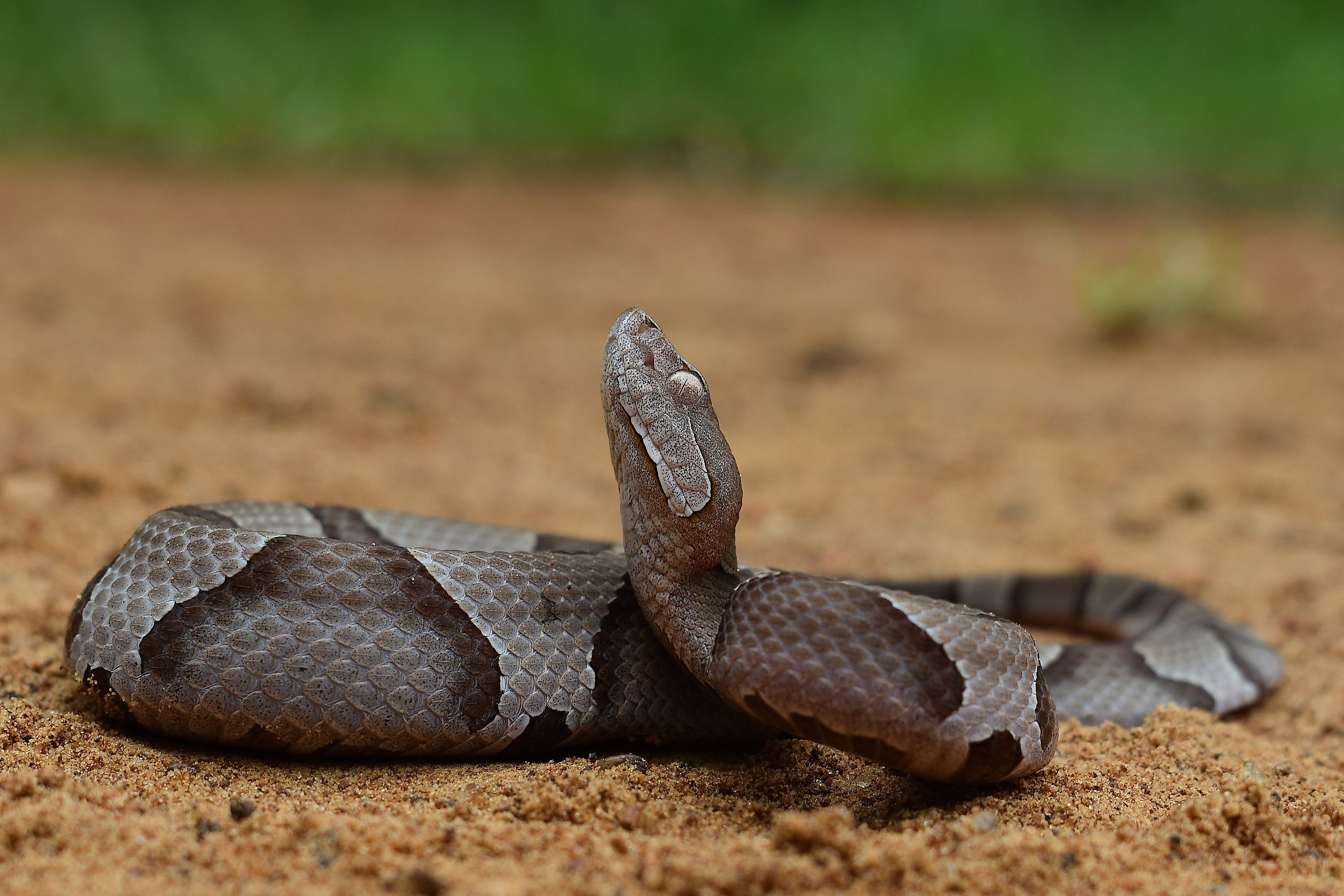
The eastern copperhead is one of North America's venomous snakes that lives farther north than many people realize, though not as far as some stories claim. In the eastern United States, Agkistrodon contortrix is found in about 28 states. Its range stretches from the Florida panhandle in the south, up through the Appalachian Mountains and the Piedmont, and west to eastern Nebraska and southern Illinois. There are also a few desert populations that reach into northern Mexico. The northern edge of its range runs through Massachusetts at about 42 degrees north, which is roughly the same latitude as Rome. This line is the northernmost point for any pit viper along the Atlantic coast.
For much of the twentieth century, field guides referred to the snake at the edge of its range as the northern copperhead, Agkistrodon contortrix mokasen. However, DNA studies published in 2008 and 2015 showed there is no real genetic difference between the old subspecies. Now, herpetologists group them all as one species: the eastern copperhead. The name changed, but the northern boundary stayed the same.
The Northern Edge of the Map

Massachusetts is home to the northernmost copperheads on record, but there are very few left. The state lists the snake as Endangered, and Tom French, who led the state's Natural Heritage and Endangered Species Program for many years, estimates there are about 150 to 200 copperheads left in three small, widely separated groups. Two of these groups live in the deciduous forests and basalt ledges of western Massachusetts, in Hampden County. The third group, which is the farthest north, lives in the Blue Hills Reservation in Norfolk County just south of Boston. Biologists think only about 50 copperheads remain there. Unlike the timber rattlesnake, which often shares a winter den with copperheads, the copperhead probably was never common this far north, even before European settlers cleared the forests.
Farther south, copperheads are more common. In Connecticut, they are more secure and mostly found along the traprock ridges of the central lowland west of the Connecticut River in Hartford, Middlesex, and New Haven counties. In New York, copperheads live in the lower Hudson Valley and the southern counties. From there, their range grows through Pennsylvania and down the Appalachians toward Georgia. The species is also protected in other colder parts of its range, listed as Endangered in Iowa and as a species of special concern in New Jersey. One ongoing problem is that many snakes killed as supposed copperheads in New England are actually harmless milksnakes or watersnakes. This kind of mistake leads to the wrong animals being killed.
The Canada Question

Some popular lists of dangerous wildlife claim that copperheads live in extreme southern Ontario, just across the border from New York. However, there is no evidence of an established Canadian population. Every confirmed copperhead found in Canada has been traced to an escaped or released pet, not a wild snake. For example, in late August 2016, a copperhead was found at the Greenwood Conservation Area in Ajax, east of Toronto. Handlers from the Indian River Reptile Zoo quickly recovered it and took it to their facility in Peterborough. It turned out to be someone's pet. Even one loose snake can start a rumor that lasts long after the search is over. This is why southern Canada keeps showing up on copperhead maps, but the true northern limit is where wild copperheads actually live, in Massachusetts.
Why the Edge Sits Where it Does

Cold sets the limit for copperheads. In the north, they are active only between April and October. To survive winter, they gather in communal rock dens with timber rattlesnakes on sunny, south-facing slopes. According to the University of Michigan's Animal Diversity Web, these northern populations skip the spring breeding seen farther south and have their young late in the short warm season. Their dens are often far from summer hunting grounds, so the snakes migrate twice a year. Traprock ridges and rocky, leaf-covered hillsides provide the crevices and warmth copperheads need. This is why their range ends in the uplands of southern New England instead of reaching the colder interior. Their preference for warm, broken rock also explains why they are most often found in sun-exposed, stony parks.
How Dangerous is a Copperhead this Far North

The copperhead rarely poses a threat, and the numbers supporting that are actually older than they seem. In the late 1950s and 1960s, Henry M. Parrish, a physician and epidemiologist, sent questionnaires to hospitals across the country and put together the first national count of snakebites. Parrish's surveys gave us the figure still used today: about 2,920 people a year are bitten by copperheads in the United States, which is about 16.4 bites per million people, with a case-fatality rate of around 0.01 percent. Copperheads bite more people than any other venomous snake in the country, mostly because they live near people and tend to stay still instead of running away. Their venom is the mildest among American pit vipers. Parrish also suggested cutting the wound and sucking out the venom, advice that doctors have since stopped recommending, so his casualty numbers have lasted longer than his first aid tips.
More recent data show the same pattern. The American Association of Poison Control Centers recorded 9,247 copperhead bites between 2012 and 2016, with deaths being extremely rare. About a quarter of all bites don't inject any venom. A review of 88 copperhead bites treated at an East Texas trauma center from 1995 to 2010, published by surgeons J. Patrick Walker and Ray L. Morrison in 2011, found that 85 percent were mild and there were no deaths. Almost none of these bites happen near the northern edge of the copperhead's range. Most bites occur in southern states, with North Carolina leading at 157.8 bites per million people each year, followed by West Virginia, Arkansas, Oklahoma, Virginia, and Texas. In Massachusetts, where only a few hundred protected snakes live on a handful of guarded ridges, running into one is about as likely as winning the lottery.
Staying Safe in Copperhead Country

Most copperhead bites happen when people step on or reach toward a snake they didn't notice, usually between April and October, often right in their own yards. The best way to stay safe is to pay attention. Watch where you put your hands and feet on rocky or leaf-covered slopes, wear closed shoes and long pants in brushy areas, use a flashlight after dark, and never reach blindly under ledges, logs, or woodpiles. Don't try to catch, kill, or move a copperhead as most bites happen during these moments. In Massachusetts and the rest of New England, it's also illegal to harm them because they're endangered and protected.
If you are bitten, stay calm, keep the limb still and about level with your heart, remove any rings or watches before swelling starts, and go to a hospital. Avoid old folk remedies. Don't cut the wound, try to suck out the venom, tie a tourniquet, or pack the limb in ice. These usually do more harm than good. Doctors have antivenom if it's needed, but most people only need a few hours of observation. In the northernmost areas where copperheads live, leaving the snake alone keeps both you and the animal safe.
Takeaway
Copperheads reach their northern limit in the uplands of southern New England, around 42 degrees north, where short summers and the need for suitable winter dens restrict their range. Reports of copperheads in Canada have generally involved released or escaped animals rather than established wild populations. At this northern edge, the species is especially vulnerable, with only a few hundred protected snakes remaining on a handful of guarded ridges in Massachusetts. Encounters here are far less common than the snake's reputation might suggest.
Hikers exploring the rocky, leaf-covered slopes where copperheads live should watch where they place their hands and feet, give any snake plenty of space, and leave it undisturbed. These populations face enough pressure from habitat loss and human activity without unnecessary interference. Keeping a respectful distance is the safest approach for both people and snakes.