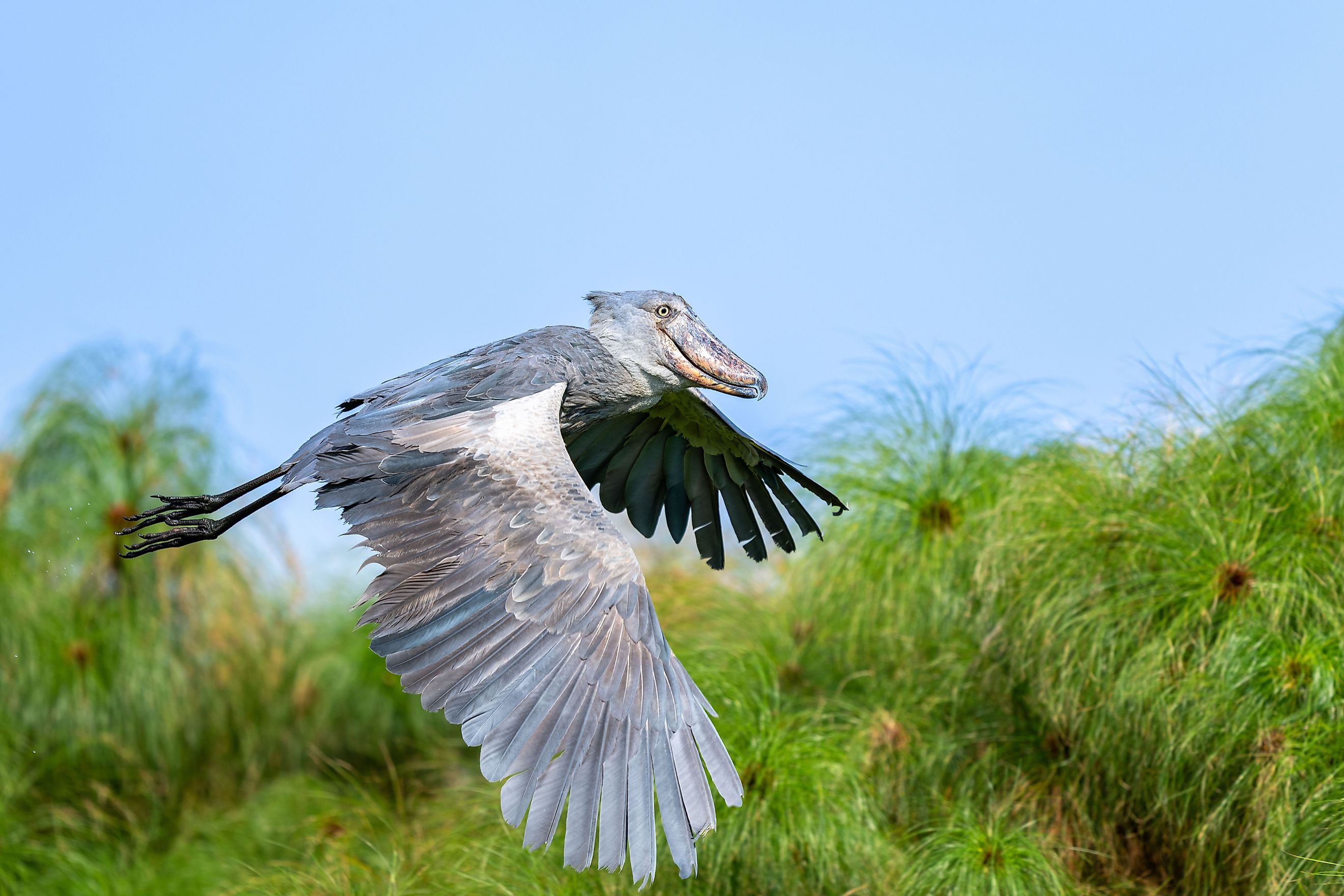
Shoebill
The shoebill looks like a creature that wandered out of the age of dinosaurs and never left. Standing nearly five feet tall with a massive, clog-shaped bill and an unblinking stare, this African wading bird is one of the most recognizable and least understood birds on Earth. It can stand motionless for long stretches, then lunge forward with enough force to seize a lungfish, a catfish, or even a young crocodile.
The shoebill (Balaeniceps rex) is a large wetland bird found only in the freshwater swamps of east-central Africa. It is the sole living member of its family, and its exact place in the bird family tree has puzzled scientists for more than a century. Its survival is tied closely to vast papyrus marshes that are disappearing across much of its range. Birdwatchers travel thousands of miles for a single sighting, while conservationists track its falling numbers with growing concern. Few birds capture both the wonder and the fragility of Africa's wetlands so clearly.
Taxonomic Classification

The shoebill belongs to the kingdom Animalia, the phylum Chordata, and the class Aves. It sits in the order Pelecaniformes and is the only living species in both the family Balaenicipitidae and the genus Balaeniceps. English ornithologist John Gould described the species in 1850 from specimens collected along the White Nile. The genus name combines Latin words for whale and head, a reference to the bird's enormous bill. The species name rex means king.
Scientists once grouped the shoebill with storks because of its long legs and wading habits, but anatomical and genetic studies moved it into Pelecaniformes. Its nearest living relatives appear to be the pelicans and the hamerkop, a smaller African wading bird. The popular name "shoebill stork" persists, but the bird is not a true stork. No subspecies are recognized.
Physical Description

The bill is the shoebill's defining feature and one of the largest of any living bird. It measures about 7.5 to 9.5 inches (19 to 24 cm) long and roughly 4 to 4.5 inches (10 to 11.5 cm) wide. The bill is pale and straw-colored with irregular gray or brown blotches. Its edges are sharp, and the tip ends in a strong, curved hook.
Adults typically stand 43 to 55 inches (110 to 140 cm) tall, and some individuals reach about 60 inches (152 cm). The wingspan ranges between 7.7 and 8.5 feet (2.3 and 2.6 m). Weight usually falls between 8.8 and 15.4 pounds (4 and 7 kg). Males are generally larger than females.
Adult plumage is a slate blue-gray, with darker flight feathers and a small tuft of feathers at the back of the head. Young birds are browner. Forward-facing eyes give the shoebill good binocular vision, and it often tilts its head downward to look along its bill.
Its legs are long and dark, and its toes are remarkably long and unwebbed. The middle toe can measure about 7 inches (18 cm). These wide-spreading feet distribute the bird's weight across floating mats of vegetation, allowing it to stand on surfaces that would not support many other large birds.
Range and Habitat

The shoebill lives only in tropical east-central Africa. Its stronghold is South Sudan, where the Sudd, one of the largest wetlands in the world, is thought to hold the majority of the global population. Smaller populations occur in Uganda, western Tanzania, the eastern Democratic Republic of the Congo, northern Zambia, Rwanda, and western Ethiopia. Important sites include the Bangweulu Swamps in Zambia, the Malagarasi wetlands in Tanzania, and Mabamba Swamp on the shores of Lake Victoria in Uganda.
Within this range, the shoebill favors large, permanent freshwater swamps dominated by papyrus, reeds, and cattails. It prefers shallow, poorly oxygenated water where fish must rise to the surface to breathe. The species is largely sedentary, though birds shift locally as water levels rise and fall with the seasons. Because suitable swamps are patchy, the overall range is broad but highly fragmented.
Diet

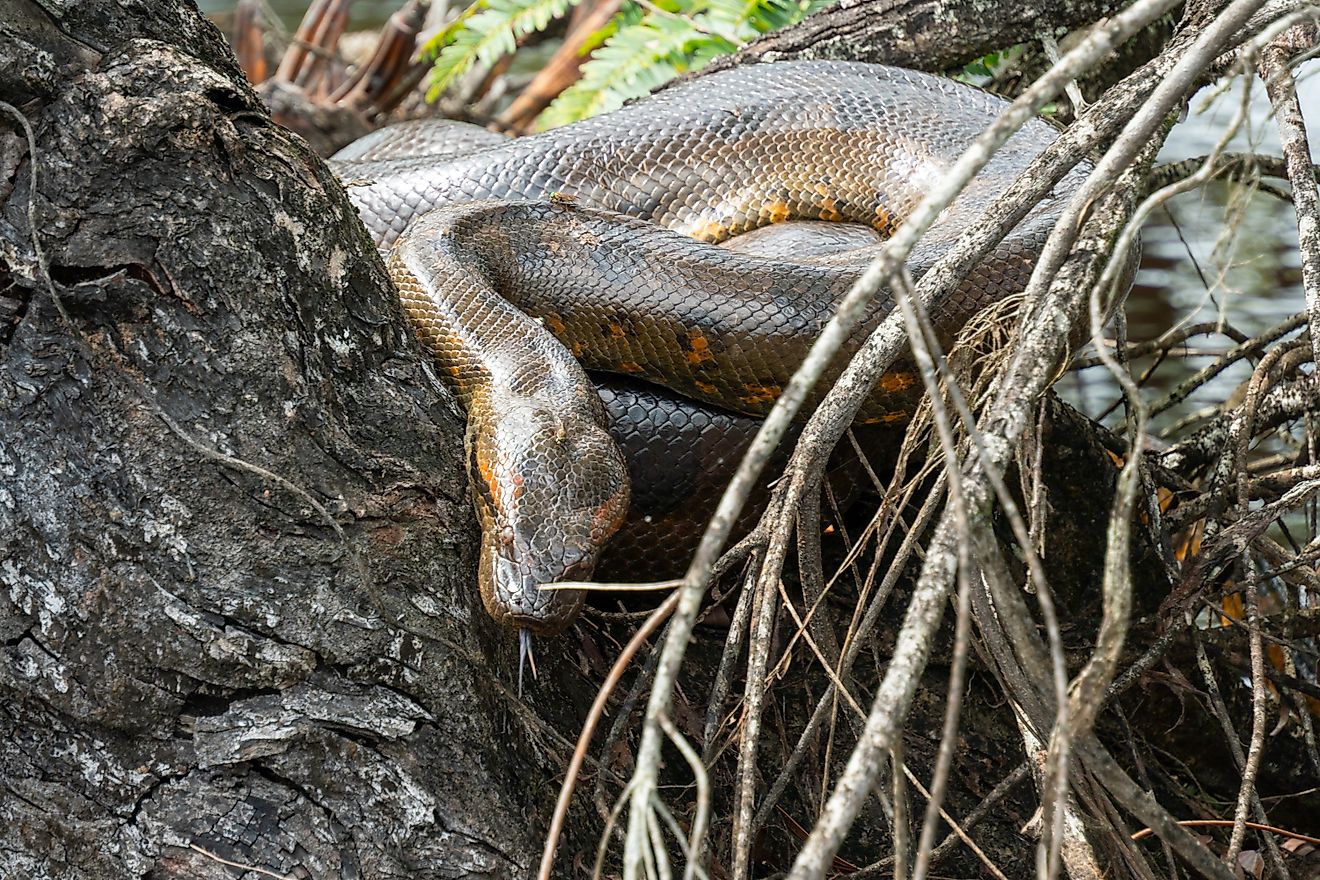
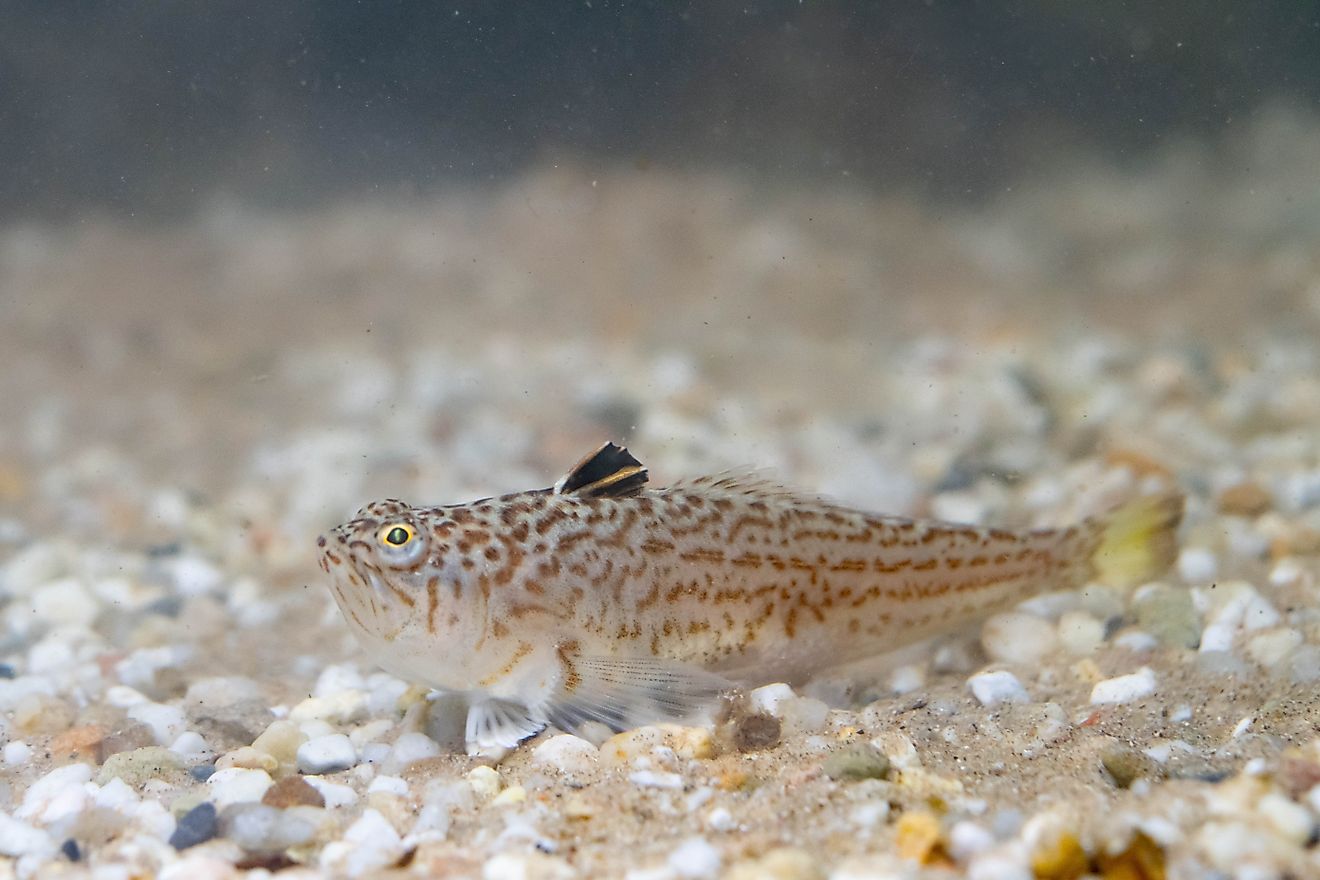
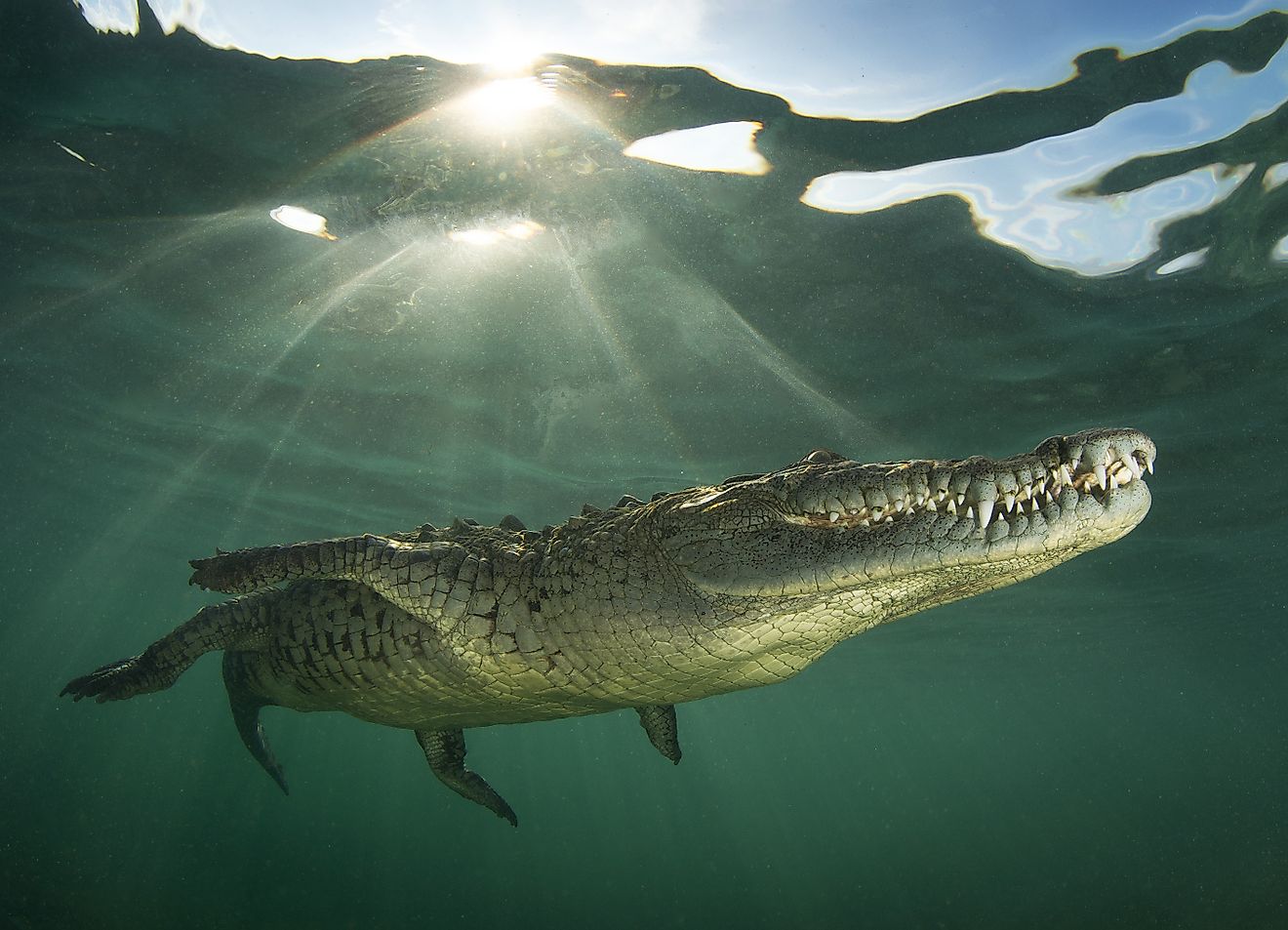
The shoebill is a patient ambush predator that feeds mainly on large fish. Its most important prey is the marbled lungfish (Protopterus aethiopicus), an air-breathing fish that thrives in oxygen-poor swamp water. Other common prey includes bichirs (Polypterus species), catfish in the genus Clarias, and tilapia. The bird also takes water snakes, frogs, turtles, monitor lizards, and young Nile crocodiles.
Hunting is a lesson in stillness. The shoebill stands frozen for long periods, often on a floating mat of vegetation, with its bill angled toward the water. When prey surfaces within reach, the bird lunges forward and downward in a move that ornithologists call "collapsing." The bill engulfs the target along with water, mud, and plants. The shoebill then shakes out the debris and may decapitate the prey with the sharp edges of its bill before swallowing it whole.
Behavior

Shoebills are solitary birds for most of the year. Even mated pairs usually forage apart, sometimes at opposite ends of a shared territory.
The species is mostly silent, but it communicates by clattering its bill. This loud, rapid rattling is most common at the nest and is often compared to the sound of machine-gun fire. Chicks make hiccup-like calls when begging for food.
Despite its fierce appearance, the shoebill can be tolerant of people. It is a capable flier that soars on thermal air currents. Its flapping rate is estimated at about 150 beats per minute, among the slowest of any bird.
Reproduction

Shoebills are monogamous and nest alone rather than in colonies. Breeding usually begins around the end of the rainy season, so chicks grow during the dry months when falling water levels concentrate fish. Both parents build the nest on floating vegetation or a small island. They trample a platform that can reach about 10 feet (3 m) across, then pile grasses and aquatic plants into a mound near the center.
The female lays one to three chalky white eggs, most often two. Both parents share incubation, which lasts about 30 days. In the intense tropical heat, adults carry water in their bills and pour it over the eggs to keep them cool.
Parents feed the downy chicks regurgitated fish. Usually only one chick survives. The larger, older chick tends to outcompete or attack its sibling, and the second egg functions largely as a backup if the first fails. Young shoebills fledge at about 95 to 105 days old but continue to rely on their parents for some time afterward. They reach maturity at around three years of age. In the wild, shoebills may live up to 35 years, and captive birds have lived even longer.
Importance to the World

As a top predator in its wetland home, the shoebill helps regulate populations of fish, reptiles, and amphibians. Its presence signals a large, healthy, and productive swamp system. Protecting shoebills also protects the many other species that share those marshes.
The shoebill is also important to evolutionary research. As the only living member of its family, it represents a distinct lineage with no other surviving species. Its anatomy, genetics, and behavior provide clues about its relationships with pelicans, herons, and other waterbirds, as well as how birds adapted to life in Africa's wetlands. Its unusual hunting technique and practice of wetting its eggs to help cool them also offer researchers a closer look at how large birds cope with intense heat and low oxygen conditions. If the shoebill disappears, an entire evolutionary lineage will disappear with it, along with the information that lineage still contains.
Threats

The shoebill is listed as Vulnerable on the IUCN Red List. BirdLife International's 2024 assessment estimates the global population at 3,300 to 5,300 mature individuals, or roughly 5,000 to 8,000 birds in total, and the population trend is decreasing.
Habitat loss is the most serious threat. Wetlands across the range are being drained or converted for farming and cattle grazing. Dam construction alters water levels, and dry-season burning destroys nesting areas. Cattle sometimes trample nests. Drought linked to climate change adds further pressure.
Direct human pressure is also significant. Shoebills are hunted for food in some areas, and some communities regard the bird as a bad omen. Eggs and chicks are taken for the illegal wildlife trade, where live shoebills can command high prices from private collectors.
Conservation efforts are underway. International trade is regulated under Appendix II of CITES, and several range countries protect the species by law. In Zambia, a nest-guardian program employs local residents, including former poachers, to watch over nests during the breeding season, and it has improved chick survival. Captive breeding has proven extremely difficult, so protecting wild populations and their habitat remains the priority.
Takeaway
The shoebill combines unusual anatomy with an exceptionally patient hunting strategy. Its enormous bill, statue-like posture, and distinctive evolutionary history set it apart from other living birds. Those same adaptations, however, leave it dependent on large, quiet wetlands that are increasingly being drained, disturbed, or converted for other uses. With only a few thousand adults remaining in the wild and populations continuing to decline, its survival depends on protecting Africa's remaining wetlands and working with the communities that depend on them.
Fun Facts

- It is not a stork. Despite the common name "shoebill stork," genetic studies place the bird closer to pelicans and the hamerkop.
- It air-conditions its eggs. Parents scoop water into their bills and pour it over the eggs to keep them from overheating.
- It speaks with its bill. Instead of singing, shoebills communicate with loud bill clattering that can sound like machine-gun fire.
- It has one of the slowest wingbeats of any bird. At roughly 150 flaps per minute, it relies heavily on soaring.
- It lays a backup egg. Pairs often lay two eggs, but usually only one chick survives to fledge.
Quick Facts
- Scientific Name: Balaeniceps rex
- Family: Balaenicipitidae
- Order: Pelecaniformes
- IUCN Status: Vulnerable (population decreasing)
- Population: 3,300 to 5,300 mature individuals (BirdLife International, 2024)
- Height: 43 to 60 inches (110 to 152 cm)
- Wingspan: 7.7 to 8.5 feet (2.3 to 2.6 m)
- Weight: 8.8 to 15.4 pounds (4 to 7 kg)
- Lifespan: Up to 35 years in the wild
- Diet: Carnivore, mainly fish such as lungfish, bichirs, and catfish
- Range: Freshwater swamps of east-central Africa, including South Sudan, Uganda, Tanzania, the Democratic Republic of the Congo, Zambia, Rwanda, and Ethiopia