Why Some States Protect Rattlesnakes
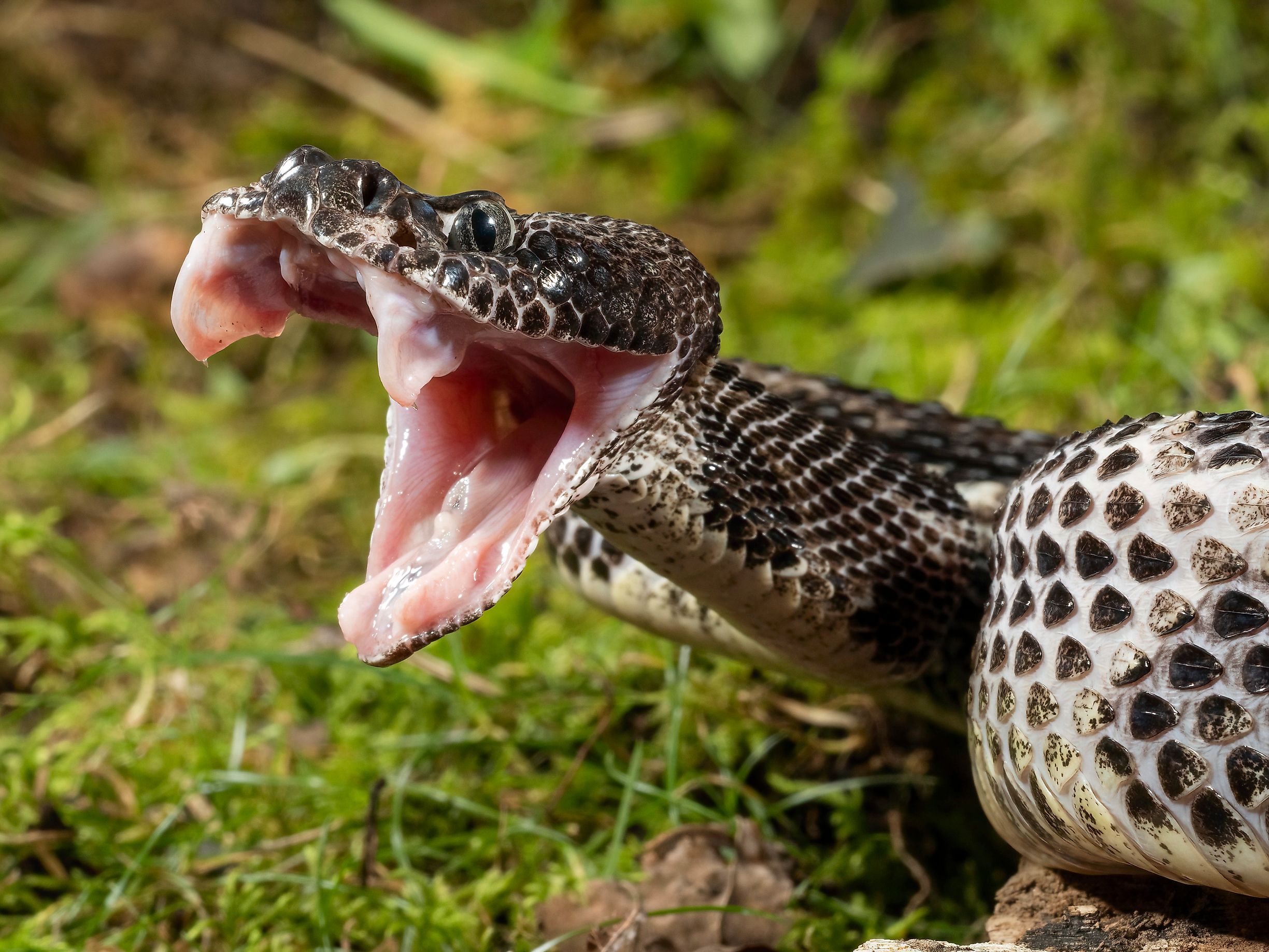
Until 1975, Wisconsin paid people to kill rattlesnakes. The bounty ran up to five dollars per tail, and thousands of snakes were destroyed for it. In 1975 the state lifted the bounty and placed the eastern massasauga on its endangered species list in the same year, going from paying for dead snakes to prosecuting people who produce them inside a single legislative season. New York followed in 1983, Illinois in 1994, Ohio and Michigan in 1996. In 2016 the federal government listed the species as threatened nationally. Here is why a venomous animal ended up under legal protection across a dozen states.
Only Two Are Federally Protected
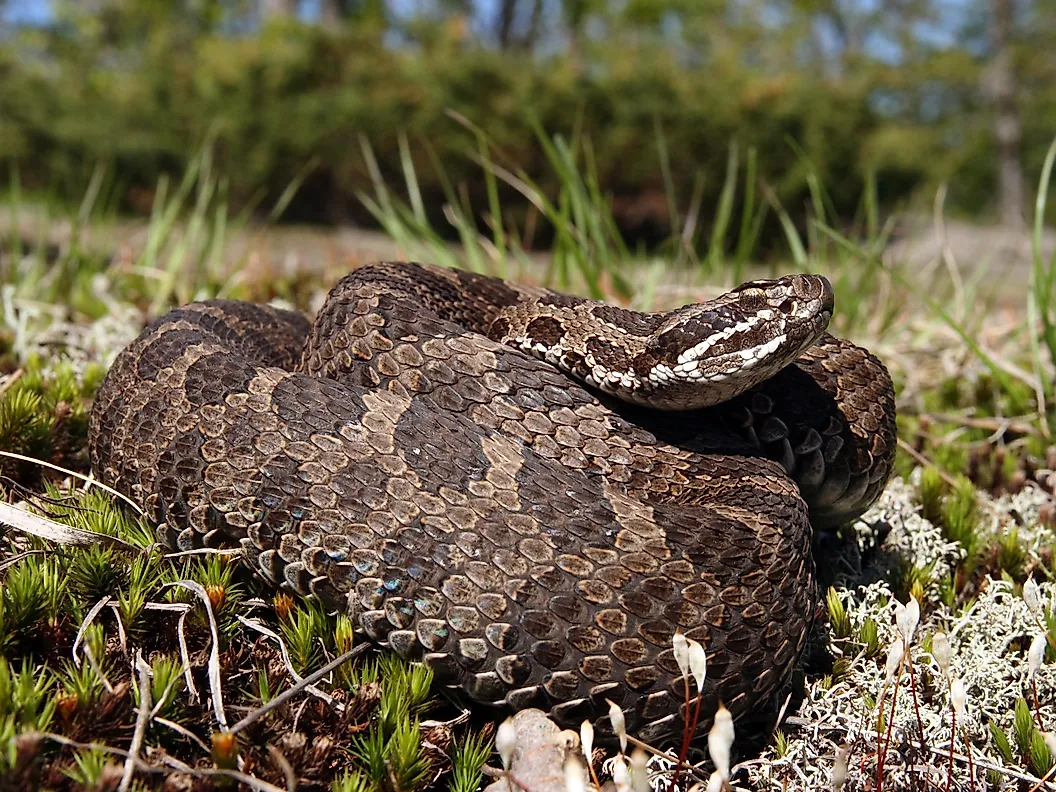
Federal listing is a high bar, and across roughly three dozen rattlesnake species only two have ever cleared it. The New Mexican ridge-nosed rattlesnake was listed as threatened in 1978, the first venomous snake ever given Endangered Species Act protection. The eastern massasauga became the second on October 21, 2016, after a process that had been running since 1999.
What pushed the massasauga over the line was a Species Status Assessment projecting that without intervention, populations across its entire range would decline by 90 percent over the next 50 years.
The State Lists Are Longer
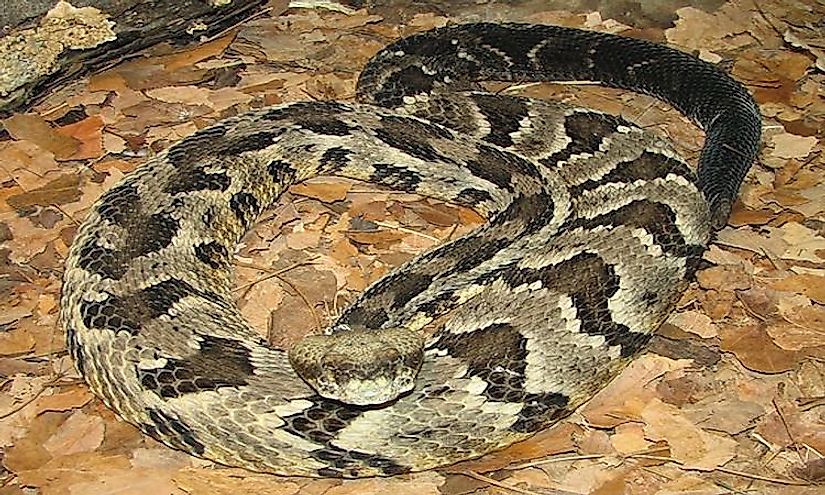
Most rattlesnake protection happens at state level, where the eastern massasauga is listed as endangered across a long run of states.
Iowa, Illinois, Indiana, New York, Ohio, Pennsylvania, Wisconsin, Missouri and Minnesota all list it as endangered, with Michigan treating it as a species of concern and Ontario listing it as threatened or endangered depending on population. It is listed in some category in every state and province where it occurs.
Timber rattlesnakes carry similar status across much of the Northeast and Midwest, and several states protect all native snakes outright regardless of species.
They Reproduce Far Too Slowly

The biological case for protection comes down to reproductive arithmetic that cannot absorb persecution. Eastern massasaugas give birth to between five and twenty young, but only annually to biannually, and sometimes only once every three years when food is scarce. Timber rattlesnakes in northern populations are slower still, taking years to reach maturity and breeding only every few seasons.
A species that produces one small litter every two or three years cannot replace sustained losses. Kill a modest number of adults each year and the population does not dip, it declines permanently.
Communal Dens Make It Worse
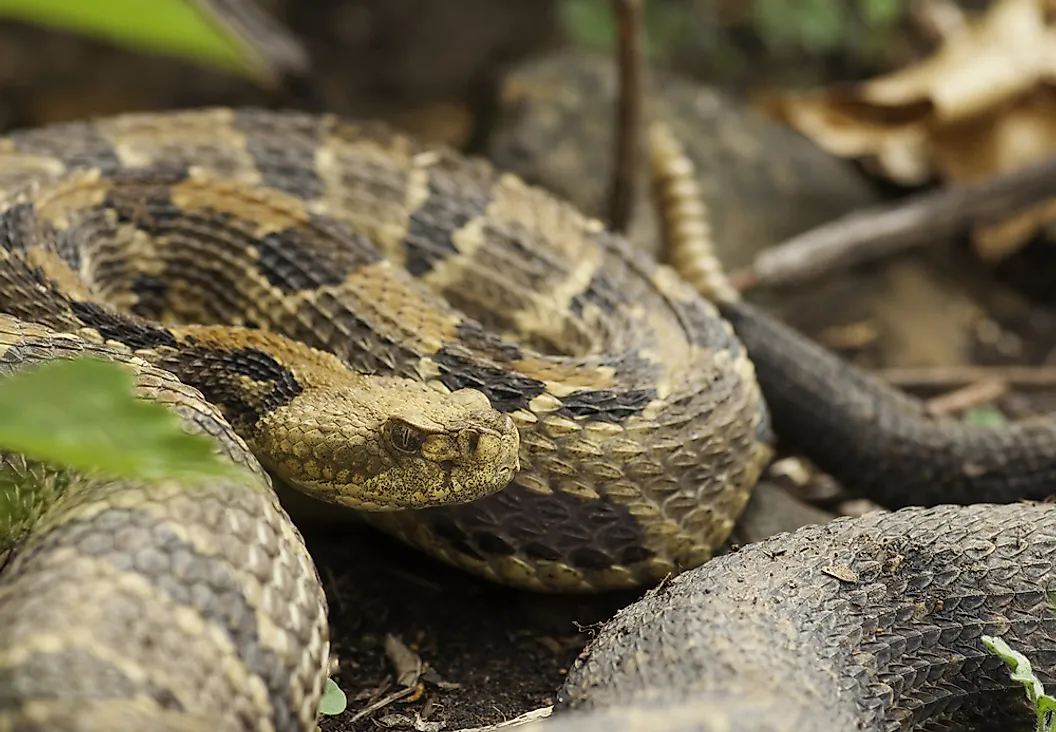
The denning behavior that helps rattlesnakes survive winter is precisely what made them easy to eliminate. Rattlesnakes return to the same hibernacula year after year, and a single timber rattlesnake den can hold dozens of animals drawn from an extended family group. Historically that meant a person who found a den could remove a whole local population in an afternoon.
It also means the damage does not heal. Site fidelity is so strong that snakes cannot simply relocate to a new den, and a good hibernaculum is a scarce piece of geology rather than something easily replaced.
Habitat Loss Did The Rest

Even where persecution stopped the land kept disappearing, and the massasauga depends on precisely the habitat nobody protected.
The species depends on wetlands and wet prairie, which is exactly what was drained for agriculture across the Midwest. Remaining populations are fragmented by roads, farmland and urban sprawl, leaving isolated groups too small and too separated to exchange animals.
Illinois shows the end state. By the late 1990s only one healthy population remained, at Carlyle Lake in Clinton County, with very small groups in five other counties.
They Eat The Animals That Carry Ticks
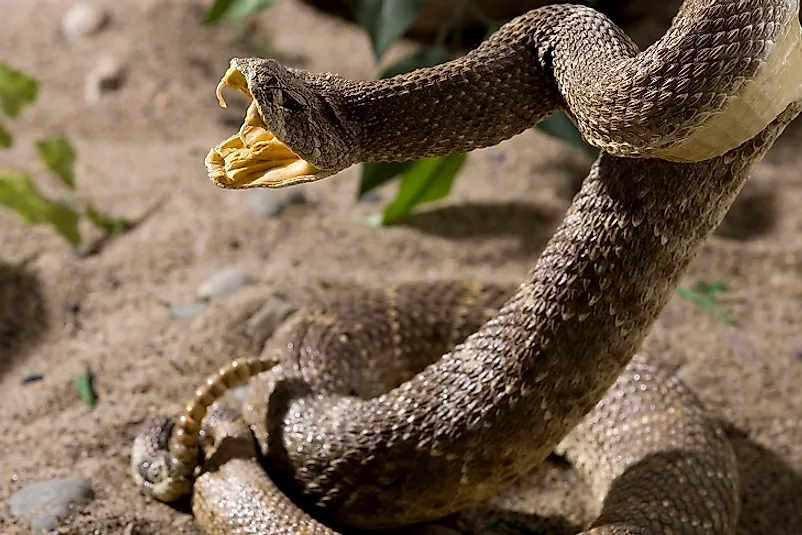
The ecological argument is the one that persuades people who are not otherwise sympathetic, because it is about public health rather than conservation.
Rattlesnakes regulate small mammal populations, and small mammals are the reservoir for the ticks that transmit Lyme disease. Researchers working on massasaugas have made the point directly: the snakes eat small mammals carrying ticks, which helps suppress Lyme transmission.
So the animal people most want removed from a landscape is quietly reducing a disease risk that affects far more people than snakebite ever does.
The Bite Numbers Justify The Policy

Any argument for protecting a venomous animal has to answer the obvious objection, and here the data does it comfortably.
A study published in Wilderness and Environmental Medicine counted 848 individual reports of eastern massasaugas biting humans across Illinois, Indiana, Michigan and Ohio between 1800 and 2015. That is 215 years and four states.
Work it out and the rate is under four bites a year across the whole region, or roughly one per state per year. Protecting the species does not require accepting a meaningful public safety cost, because there was not one.
Nobody Will Say Where They Live
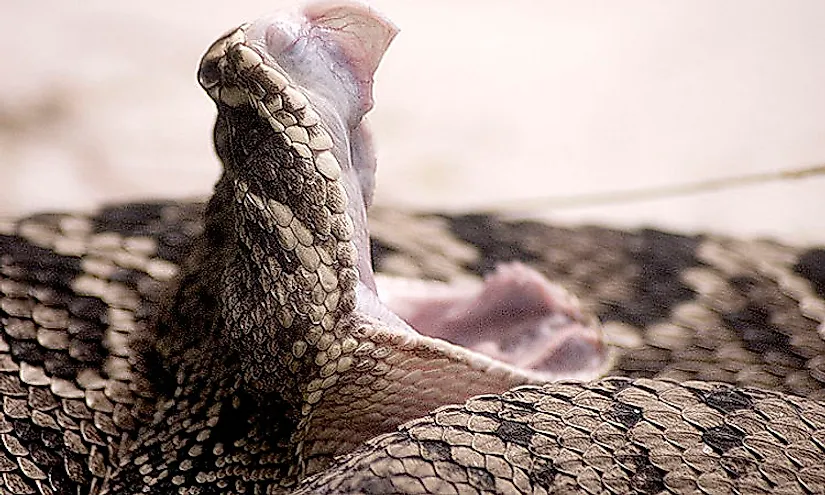
One decision in the federal listing is genuinely unusual, and it reveals how the threat is understood. The Fish and Wildlife Service declined to designate critical habitat for the eastern massasauga, which is normally a central part of a listing. The stated reason was that publishing the locations would increase persecution, unauthorized collection by enthusiasts and black market trade.
In other words the agency judged that telling people where the snakes are would get more of them killed than the habitat designation would save. State agencies take the same approach with timber rattlesnake dens, which are routinely kept off public record.
A New Threat Arrived Anyway
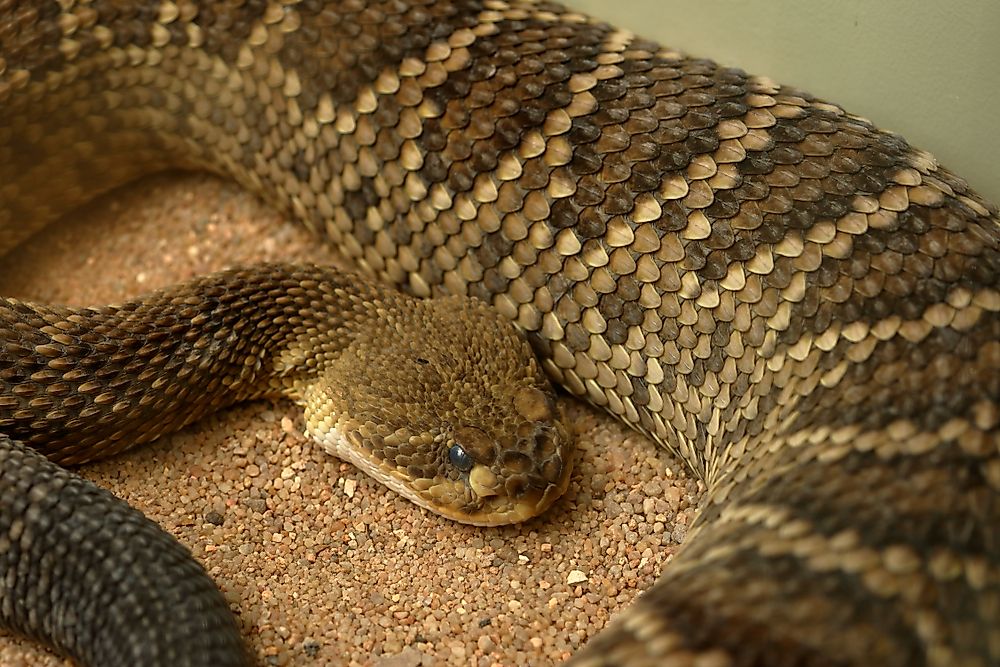
Protection addressed persecution and habitat, and then something else turned up. Snake fungal disease, caused by the fungus Ophidiomyces ophidiicola, produces lesions, crusty scabs, facial swelling and ulcers, and frequently kills. It has spread through eastern snake populations including rattlesnakes already reduced to small isolated groups.
A fragmented population with low reproductive output is exactly the sort that a novel pathogen can finish off, which is why the legal protections have not translated into recovery as quickly as anybody hoped.
What Protection Actually Means

Legal protection for a rattlesnake is narrower than people assume, and it does not ask anybody to accept risk. It generally makes it illegal to kill, collect, harm or sell the species, and obliges agencies to limit habitat destruction. Nearly every state with such a law includes an exception where a snake presents a direct threat to people or pets, and the Fish and Wildlife Service has been explicit that safety comes first.
What the law actually stops is the casual killing of a snake that was not bothering anybody, which historically was the overwhelming majority of rattlesnake deaths.
The Short Version

States protect rattlesnakes because the species reproduce too slowly to absorb losses, den communally in places that can be wiped out in one visit, depend on habitat that has largely been drained or built on, and suppress the rodent populations that spread Lyme disease.
The bite numbers made the decision easy once anybody checked them. Four states recorded 848 massasauga bites in 215 years, which is about one a year each, and that is the entire public safety cost of a policy that reversed a bounty paid within living memory.