Why Florida Has So Many Alligators
Long before Florida became a state, its alligators had already attracted the attention of naturalists. Among the earliest detailed accounts came from William Bartram, who traveled south from his family's botanical garden near Philadelphia. In the spring of 1774, he took a small boat up the St. Johns River and described seeing alligators in such numbers that some readers found his account difficult to believe. He also recalled two large animals rushing his boat near the mouth of a creek south of present-day DeLand. When Bartram published the episode in Travels in 1791, some contemporaries accused him of exaggeration. Later naturalists who retraced his route, however, found that alligators had indeed been abundant in the area. Bartram's observations were not as far-fetched as his critics thought, and Florida remains home to a substantial alligator population today.
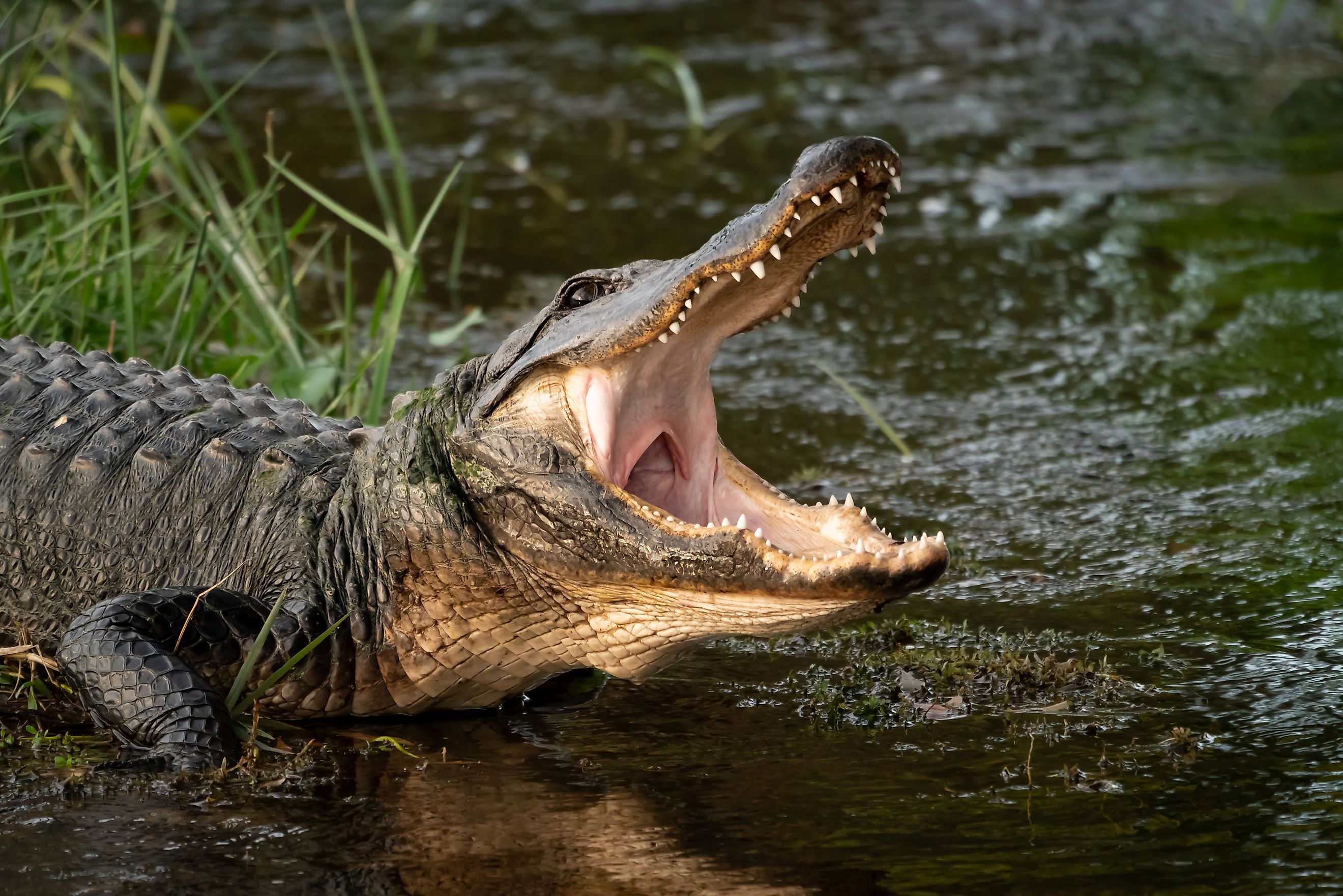
The Florida Fish and Wildlife Conservation Commission estimates there are about 1.3 million American alligators (Alligator mississippiensis) living in Florida. They can be found in all 67 counties and across roughly 6.7 million acres of suitable habitat. These alligators are among the largest reptiles in North America. Florida has the second-highest number of alligators in the United States, just behind Louisiana, where officials count more than 2 million. So, while Florida is famous for its alligators, Louisiana actually has more. Just two alligator species survive today, the American alligator and the smaller Chinese alligator, which inhabits the lowlands of the Yangtze River basin. Related caimans from Central and South America are also part of the same family. The abundance of alligators in Florida is thanks to the state's warm climate, plentiful water, and a conservation decision made not too long ago.
The Climate Keeps Them Active

Alligators draw their body heat from the air and water around them rather than from their own metabolism, and that one fact explains much of the range map. A cold-blooded hunter cannot stay active where winters run long and cold, which is why the species thins toward the northern edge of their range and are most abundant well south of North Carolina, in the warm coastal lowlands of states such as Georgia and Texas. When temperatures drop below about 55 degrees Fahrenheit, alligators slow down and stop eating, but Florida rarely stays that cold for long. People who think a cold snap in January clears out the ponds usually see the same alligators back on the bank within a week. Even the next generation depends on warmth, since the temperature inside a nest determines the sex of the hatchlings. Warmer nests produce more males, while cooler ones produce more females.
Water, And A Great Deal Of It

Florida has more freshwater wetlands than almost any other state, and alligators rely on these areas for food, shelter, and nesting. They thrive in marshes, cypress swamps, lakes, canals, and slow-moving rivers, but the Everglades is their ideal home. There, alligators dig out gator holes, which keep water during the dry season and provide shelter for fish, turtles, wading birds, and the snakes and mammals that feed on them. Because of this, biologists consider the alligator a keystone species that helps support an entire community of animals. Engineers drained much of this wetland from the early 1900s into the 1960s to create farmland and reduce mosquitoes. This changed the water flow but did not remove alligators from the area.
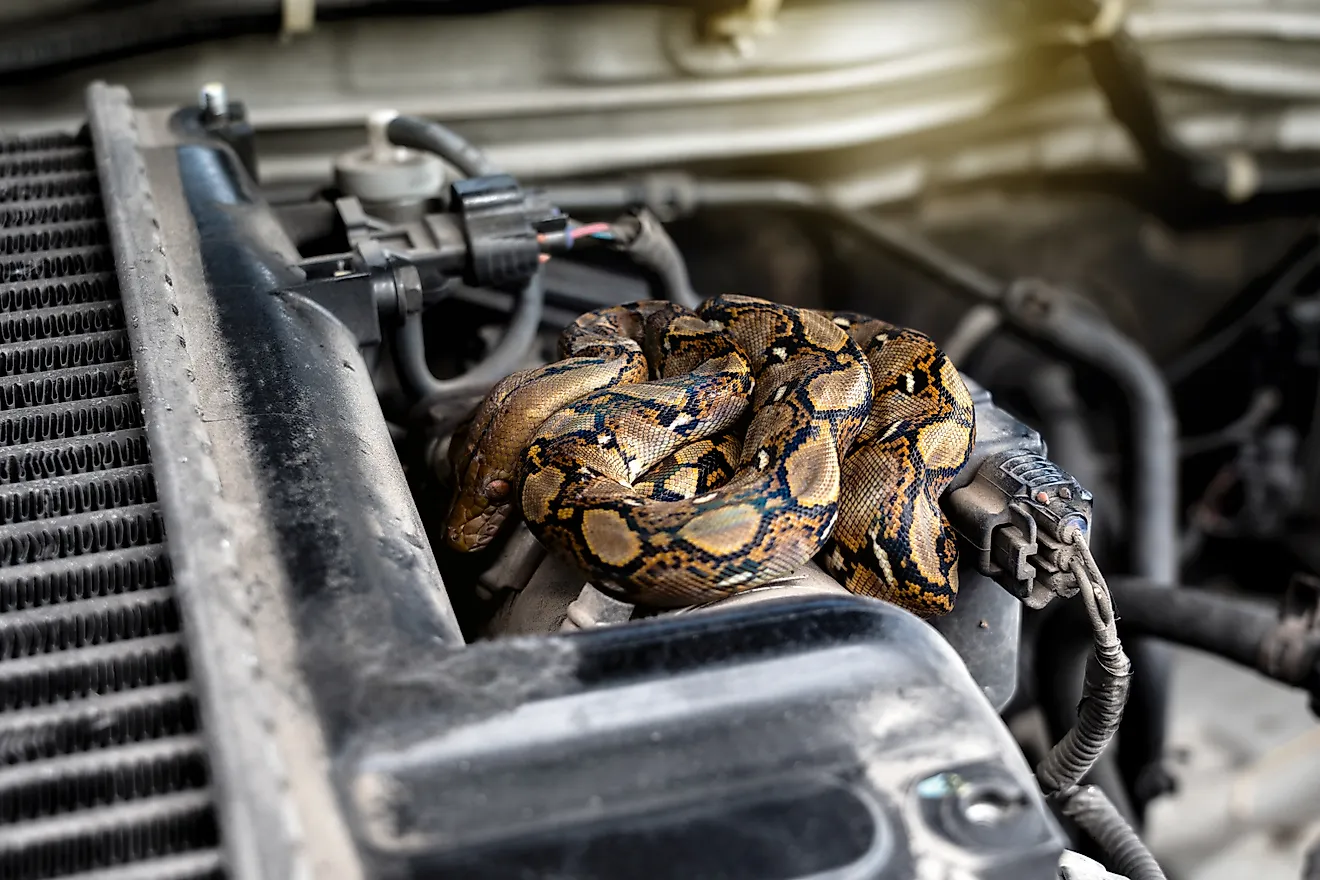
Where water gathers, animals gather too. According to the commission's 2024 census, there were about 33,542 alligators in Lake Okeechobee and around 16,184 in Lake Kissimmee, making them the most crowded lakes that year. The same warm, wet region has also become home to Burmese pythons and other introduced animals, which now compete with alligators in the southern marshes. This adds a new challenge to an old ecosystem.
From The Brink And Back

Florida has so many alligators today because people almost wiped them out, then changed their approach. From the 1870s to the 1960s, hunters sent so much alligator leather north that the animals became rare across the Southeast. By the 1950s, many thought the species was gone from the wild. They were mistaken, but only just. In 1967, the federal government listed the American alligator as endangered under a law that came before the Endangered Species Act of 1973. This put it in the same group as the bald eagle and grizzly bear, and strict hunting limits were set across the Gulf states. The population bounced back quickly. By 1987, U.S. Fish and Wildlife Service director Frank Dunkle announced the American alligator had fully recovered, making it one of the first animals removed from the Act's list. The agency still kept some protections because its hide looks so much like the still-endangered American crocodile that trappers can't always tell them apart. Louisiana's marshes played a big role in the comeback, and the state still leads the Gulf Coast in alligator numbers, but Florida's recovery was almost as strong.
The Documented Risk

Alligators rarely harm people, and the numbers show this. Since 1948, Florida has recorded 487 unprovoked alligator bites through 2024, with 27 of those being fatal. This is a small number compared to the millions of swimmers, paddlers, and anglers who use the water each year. Still, the fatal cases are specific and sobering. On May 6, 2025, a large alligator killed Cynthia Diekema, a 61-year-old woman from Davenport, after her canoe drifted over the animal in about two and a half feet of water on Tiger Creek near Lake Kissimmee. Her husband tried but could not pull the reptile off her. Investigators said the attack was defensive, not predatory, because the canoe had struck a resting alligator. This difference is important for understanding when these animals become dangerous. Two years earlier, in February 2023, an alligator killed Gloria Serge, an 85-year-old woman, as she walked her dog beside a community pond in Fort Pierce. Most people who live in Florida for years never see an alligator do more than slide off a bank. The rare serious attacks almost always happen after an avoidable mistake, usually when someone has fed the animals and taught a large reptile to associate people with an easy meal.
How To Share The Water

A few simple habits help keep encounters with alligators uneventful. Wildlife officials recommend staying well away from any alligator, swimming only in designated areas during daylight, and always keeping dogs leashed and away from the shoreline, since a dog near the water looks like prey to an alligator. Feeding alligators is not only the worst thing you can do, but it is also a crime in Florida. When alligators are fed, they lose their natural fear of people. During the courtship season, which runs from about April through June, the biggest males are more visible, so extra caution is needed. If you spot an alligator where it shouldn't be, you can call the commission's Nuisance Alligator Hotline, and a contracted trapper will take care of it. The same species that unsettled Bartram in 1774 nearly disappeared from these waters in the twentieth century, but has since returned in the millions.
An Abundance That Holds
Florida's alligator population reflects a combination of climate, habitat and conservation. Warm temperatures allow the reptiles to remain active for much of the year, while the state's extensive wetlands provide food, shelter and breeding grounds. Legal protections introduced between 1967 and 1987 also gave populations a chance to recover after decades of heavy hunting for their hides. Today, alligators share Florida's waterways with more than 23 million residents and millions of visitors, yet serious encounters remain relatively uncommon. The animals Bartram described more than 250 years ago are still a familiar part of the state's landscape. Their recovery shows what can happen when suitable habitat is preserved and hunting is brought under control, but living alongside them still requires people to respect their space and remember that they are wild predators.