Why Snakes Crawl Into Car Engines When It Gets Cold
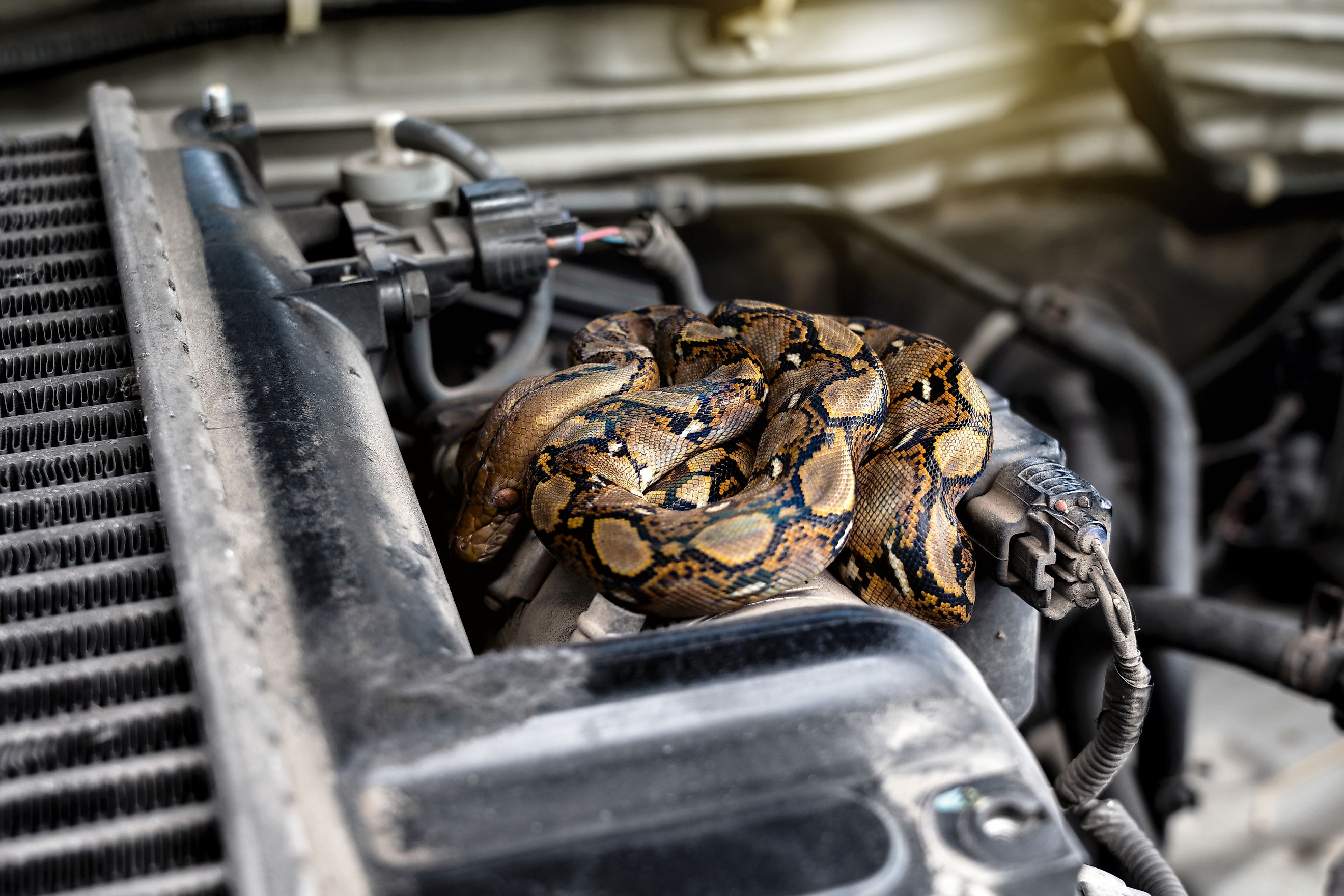
They do get into engine bays, and the usual explanation is wrong. A snake looking for somewhere to spend winter needs a space that holds steady above freezing for four or five months, below the frost line, which an engine compartment is the exact opposite of. It runs hot for a few hours and then matches the air. What actually draws a snake under a hood is the same thing that draws it under a porch: rodents, cover, and somewhere a predator cannot follow. The warmth is incidental, and it is the part most likely to kill it.
The Rodents Get There First

Mice in engine bays are exhaustively documented, and they are the reason a snake has any interest in one.
A parked car is often the warmest structure on a cold street. The engine holds heat for hours after shutdown, the bay is dry and dark, and a mouse can enter through gaps nobody would notice. Rodents nest in air intakes, chew wiring harnesses and cache food on top of the block.
A snake follows that. Wildlife guidance is explicit that a snake may follow its prey into a vehicle if the car has been parked near a food source.
It Is Cover, Not A Den

The second draw has nothing to do with temperature and everything to do with what cannot reach a snake inside one.
An engine compartment is full of crevices to take cover in, and as one dealership put it, the layout gives a snake the advantage of being able to strike before a predator can get to it. That is a tactical description rather than a thermal one.
For an animal whose whole defensive strategy is not being found, a machine full of enclosed voids is unusually good ground.
A Warm Engine Is A Trap, Not A Refuge

The warmth that gets blamed for all this is real, and it works against the snake rather than for it.
In a recent Texas case a ratsnake crawled out of a car's hood after the driver completed a 20-minute trip, having been in the engine bay when the journey started. A commenter made the obvious point: the animal had probably got too warm.
Snakes die of overheating faster than of cold. An engine running at operating temperature is well beyond anything a North American snake can tolerate, which makes a driven car one of the more dangerous places one can be.
Nothing About It Works For Brumation

Set the engine bay against what a hibernaculum actually requires and it fails every single test.
A den needs to sit below the frost line, hold above freezing continuously, stay humid enough to prevent dehydration, and remain undisturbed for months. An engine bay is above ground, cycles between hot and ambient, is bone dry, and moves.
Snakes that genuinely overwinter near buildings use crawl spaces, foundations and rock piles for exactly those reasons. An engine is a stopover, not a winter address.
Autumn Is When They Are Traveling

There is a genuine seasonal element here, and it concerns movement rather than shelter. Many snakes migrate between summer hunting range and winter dens through September and October, crossing whatever lies between. A car parked on that route, particularly one left near long grass, brush or an undeveloped lot, is an obstacle that happens to have holes in it.
The sighting usually starts outside the car and ends inside it, rather than the snake targeting the vehicle at all.
The Cabin Is Much Rarer

Engine bay and cabin are different problems, and the distinction is worth having before anyone panics.
A car's cabin is effectively sealed apart from the doors and windows, which is why snakes in the passenger compartment are rare. Where it does happen, the likely route is an open door during loading rather than anything structural.
The vent stories almost always work the other way round. A snake already inside the car finds its way into a vent and is pushed back out when the fan runs.
Check Before You Start It

If you park near overgrowth, brush, wooded lots or undeveloped land, the advice is short.
Look under the vehicle, in the wheel arches and around the hood before setting off, particularly after the car has sat for a while in cooler or wet weather. Keep windows closed when the vehicle is unattended. Use a flashlight rather than a hand.
Never reach into a compartment you cannot see into if you think something is in there, which is also the standing advice for rodents and applies for the same reason.
Do Not Leave It In There

The temptation to assume the problem will sort itself out is the wrong call, for a practical reason.
A snake in an engine bay can become entangled in belts and moving parts, and can cause electrical problems. It needs to come out rather than be driven around until it leaves.
The safest approach is to open the hood, step back, give it a clear exit, and call a wildlife removal service for anything you cannot identify or reach. A broom handle, not hands.
Fix The Rodents And The Rest Follows

Because the snake is following prey, the only durable fix is the one aimed at the prey.
Clear leaf piles, fallen fruit, spilled birdseed and cardboard from within several feet of where you park. In a garage, seal wall penetrations, door gaps and foundation cracks with metal mesh. Remove food and trash from the car itself.
One caution on vehicle covers. A cover that reaches the ground creates a protected tunnel underneath the car, which makes the parking spot more attractive rather than less.
The Short Answer
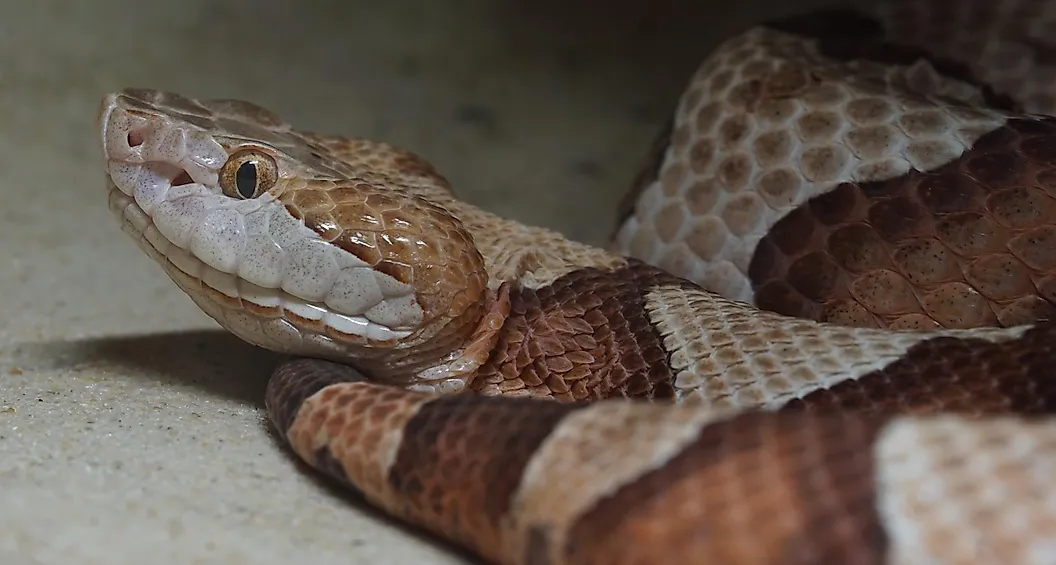
Snakes get into engine bays because mice got there first, because the compartment is full of places a predator cannot reach, and because autumn migration routes now run across parking lots and driveways. The residual warmth is incidental and occasionally fatal to the animal.
What they are not doing is overwintering. An engine bay fails every requirement for a hibernaculum, which is why the snake under your hood in October is passing through rather than moving in. Check the wheel arches, clear the rodents, and it stops being a route worth taking.