Why Antivenom Is Made From Horses
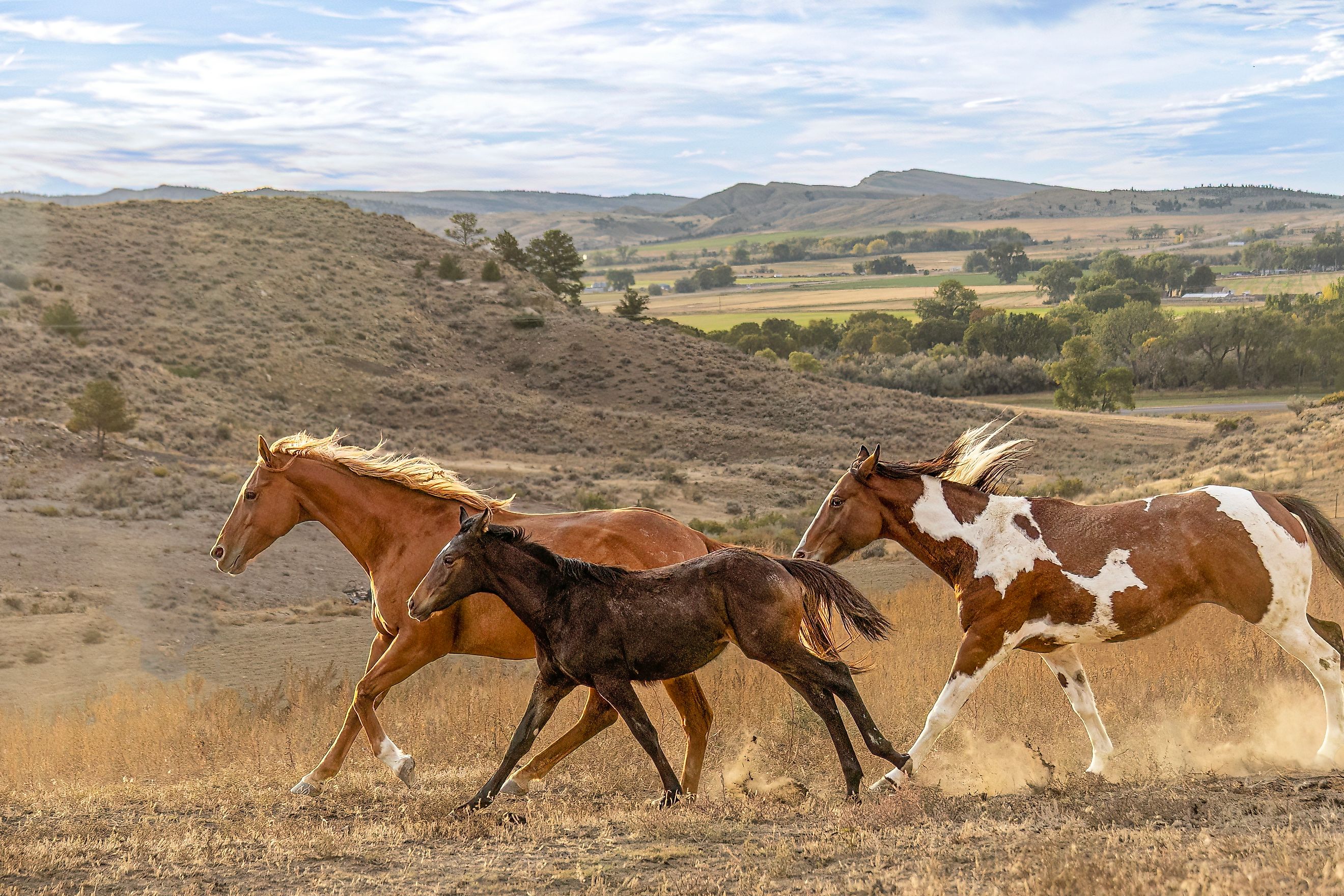
The method has barely changed since 1894. Albert Calmette and Cesaire Phisalix worked out that an animal injected with sublethal doses of venom produces antibodies against it, and that those antibodies work just as well in a human. A hundred and thirty years later, the production line still runs on the same principle and still mostly runs on horses. The reason is arithmetic rather than biology, because a single bleed from one horse yields what would take hundreds of smaller animals to produce.
It Comes Down To Body Mass

An adult horse weighs 400 to 500 kilograms, and that number does most of the explaining.
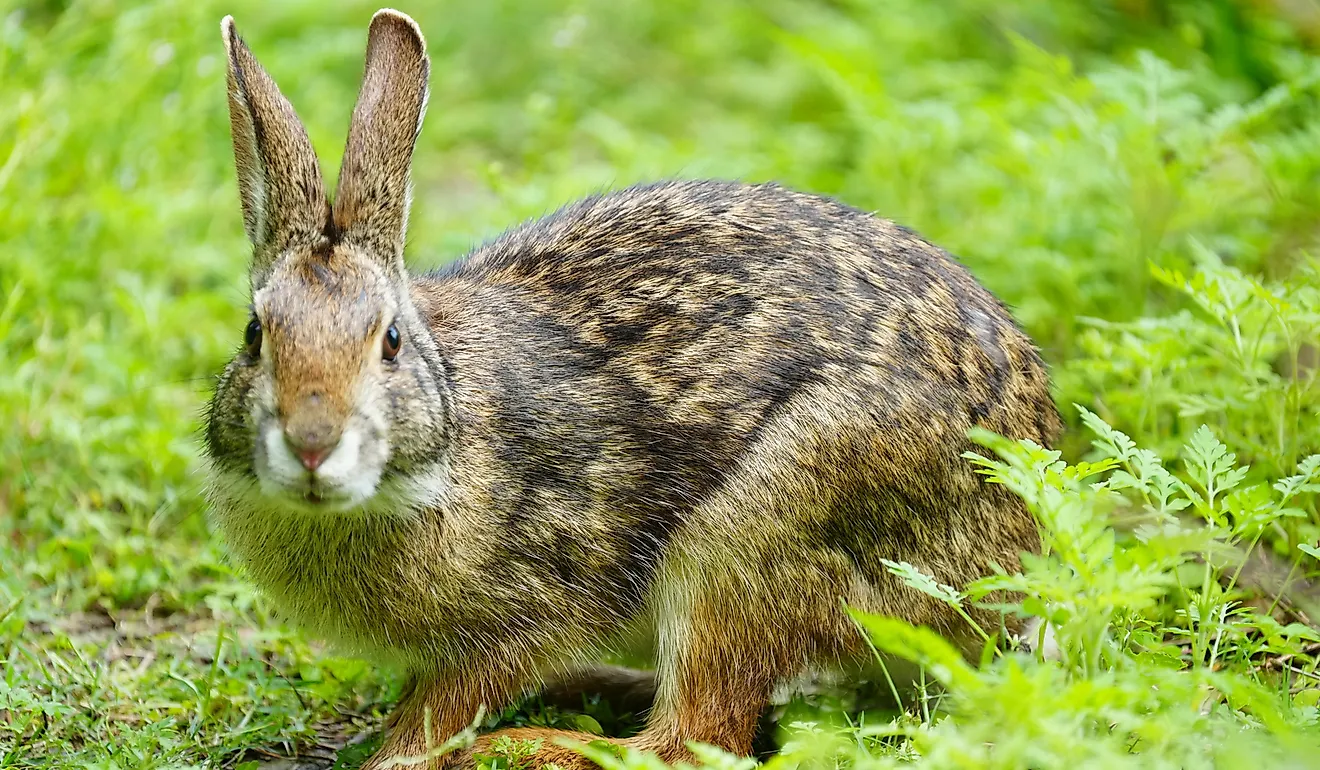
A production bleed typically takes blood equivalent to two percent of body weight, which a horse can give without harm because there is so much of it. Rabbits and mice simply do not have the volume, and you would need hundreds of rodents to match one collection cycle from a single healthy horse.
The red cells are separated out and returned to the animal, so only the plasma leaves. That lets the same horse be bled repeatedly over years.
They Also Respond Strongly

Size alone would be useless if the immune system were sluggish, and the equine one is not.
Horses mount a powerful antibody response to foreign antigens, which is why they were chosen in the first place and why they have never been displaced. Hyperimmunization involves repeated sublethal doses of venom with an adjuvant, building the titer over weeks until the plasma is worth harvesting.
In one documented program, horses received an initial dose, four more at weekly intervals, then were bled two weeks after the last injection once titers were adequate.
Scale Is The Third Reason
Antivenom is manufactured rather than discovered, and manufacturing wants predictability.
A managed herd of horses produces consistent high-yield batches of hyperimmune plasma year-round. Horses are domesticated, handleable, long-lived and already understood by veterinary medicine, which is a set of advantages no wild or exotic animal offers.
The World Health Organization guidance names horses, ponies, mules and sheep as the large animals used, and horses dominate by a wide margin.
The Antibody Gets Cut Up

Raw horse plasma cannot be injected into a person, and what happens next is the most important part of the process.
An antibody is roughly Y-shaped. The arms are the Fab regions, which do the binding. The stem is the Fc region, which is the most immunologically reactive part and the one a human body objects to most strongly.
Manufacturers use enzymes to cut the molecule up. Pepsin leaves a paired fragment called F(ab')2. Papain leaves single Fab fragments at about 50 kilodaltons. Either way the Fc stem is discarded, and with it much of the reaction risk.
Serum Sickness Is Why
The fragment approach exists because the whole-antibody version had a serious problem.
Early horse serum antivenoms, made from intact IgG, were notorious for causing serum sickness, a delayed immune reaction triggered when the patient's body recognizes the foreign equine protein and forms immune complexes against it.
Removing the Fc portion reduces complement activation and the intensity of that complex formation. Smaller fragments also distribute more readily out of the bloodstream and into the tissue where the venom has gone.
America's Main Antivenom Is Sheep

The headline needs an immediate qualification, because the main American product is not equine at all.
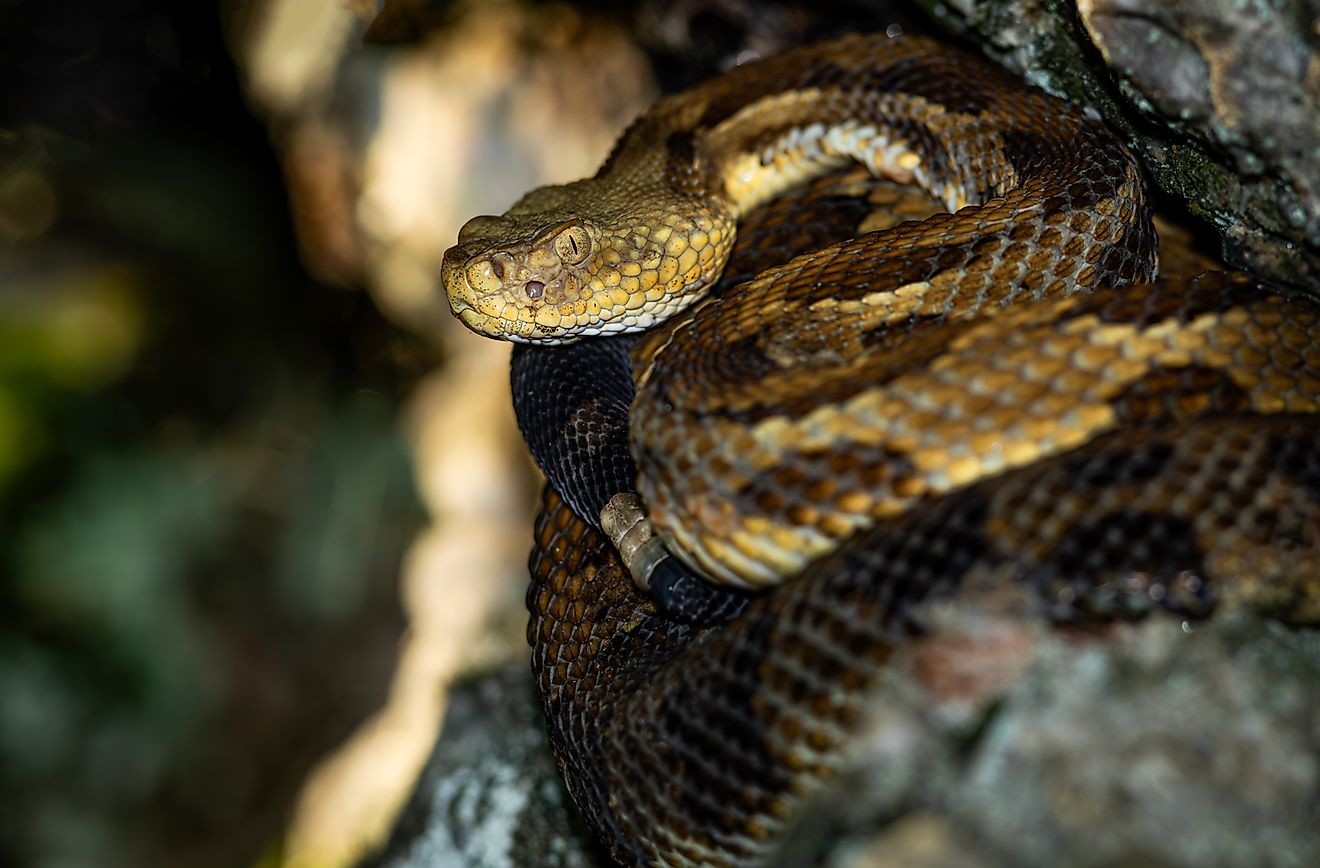
CroFab, the standard treatment for North American pit viper bites including rattlesnakes, copperheads and cottonmouths, is made by immunizing sheep with the venoms of four species and processing the result into Fab fragments.
The reason is immunology rather than convenience. Ovine protein tends to be less immunogenic to humans than equine protein, so sheep-derived preparations should in theory cause fewer allergic reactions.
The Other One Is Still A Horse

The alternative American pit viper product went the other way, and the comparison is instructive.
Anavip is an equine F(ab')2 product, keeping the horse but removing the Fc stem and retaining both binding arms. The paired fragment is larger than a single Fab, which means it stays in circulation longer and needs fewer repeat doses.
Both approaches are solving the same problem from different directions. One changes the animal, the other changes the molecule.
Veterinary Antivenom Is All Equine
The split between sheep and horses disappears entirely once you leave human medicine.
All veterinary antivenom products are derived from horses. The human products are rarely used on animals because of cost, and because labelled veterinary alternatives exist.
Those come in both forms as well. Venom Vet is an F(ab')2 product, while Rattler is whole equine IgG supplied as 50 milliliters of plasma, which carries a greater theoretical risk of reaction precisely because nothing has been removed from it.
The Horses Are Part Of The Story

An industry that has run on the same animal for 130 years has an animal welfare dimension, and it has not always been examined.
Equine blood has functioned as essential raw material for antivenom since 1894, and the conditions of serum-producing horses have received comparatively little regulatory attention over that period. Brazil, a major producer through the Instituto Butantan, first subjected hyperimmune serum production to specific regulation only in 2017.
The process is invasive by design. It involves repeated immunization with a toxin and repeated large-volume bleeding, sustained across an animal's working life.
Nothing Has Replaced It Yet

The obvious question is why a 19th-century method survives in an era of monoclonal antibodies and recombinant protein.
Antivenoms remain the only specific treatment for envenoming, and the difficulty is breadth. A hyperimmune horse produces a polyclonal response covering dozens of toxins in a venom simultaneously, and replicating that neutralising range with engineered antibodies is an immense biochemical problem.
Work on synthetic and recombinant alternatives is advancing. Until it arrives, horses and sheep remain the backbone of antivenom manufacturing worldwide.
The Short Answer
Antivenom is made from horses because a 450-kilogram animal can safely give two percent of its body weight in blood, mounts a strong antibody response to venom, and can be kept in managed herds producing consistent batches year-round. The red cells go back in and the plasma is harvested.
What reaches a patient is not horse serum but a fragment of a horse antibody, cut with enzymes to remove the part most likely to cause serum sickness. And in the United States the most common pit viper antivenom is not equine at all, because sheep protein upsets people slightly less.