What Happens To A Rattlesnake That Wakes Up Too Early
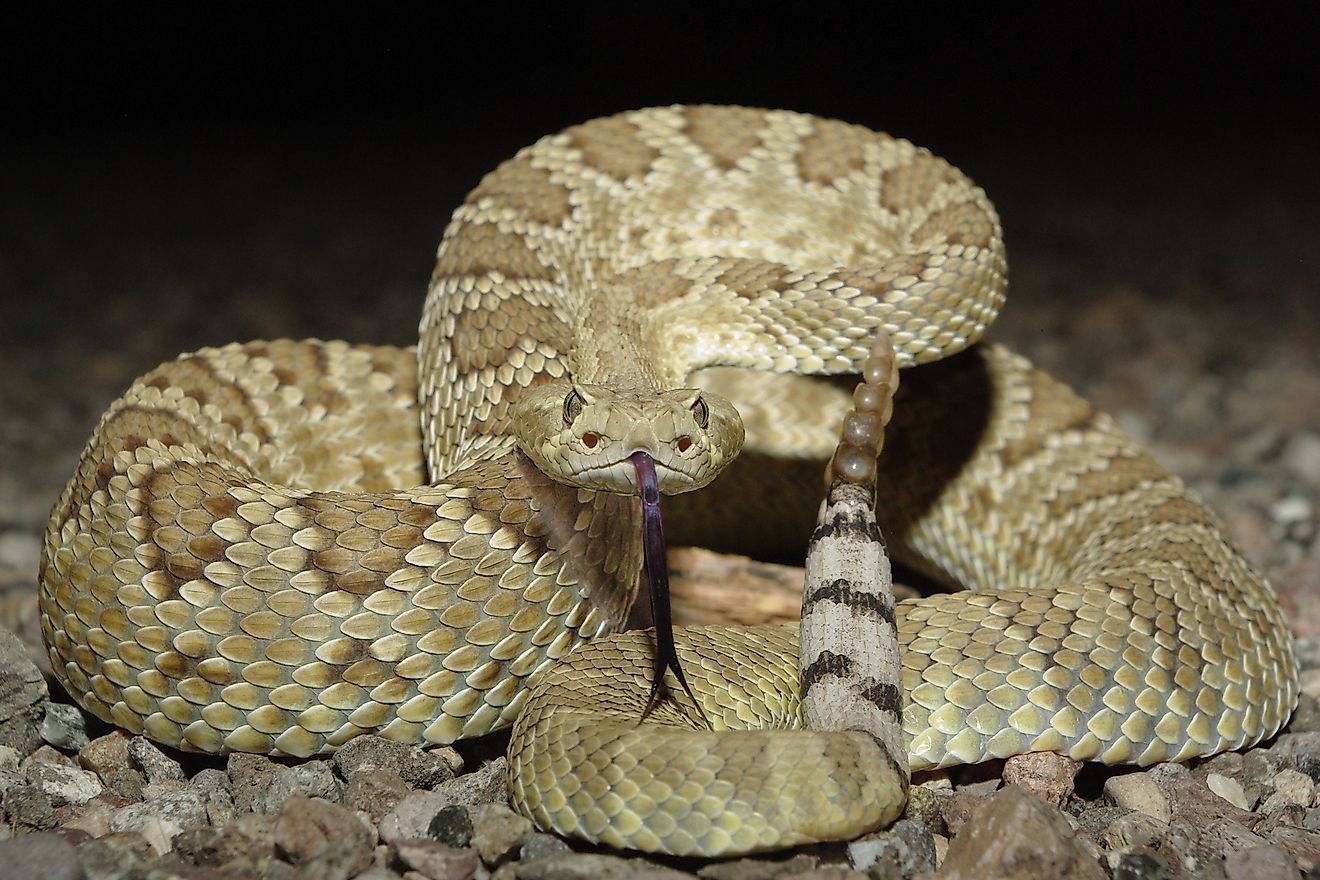
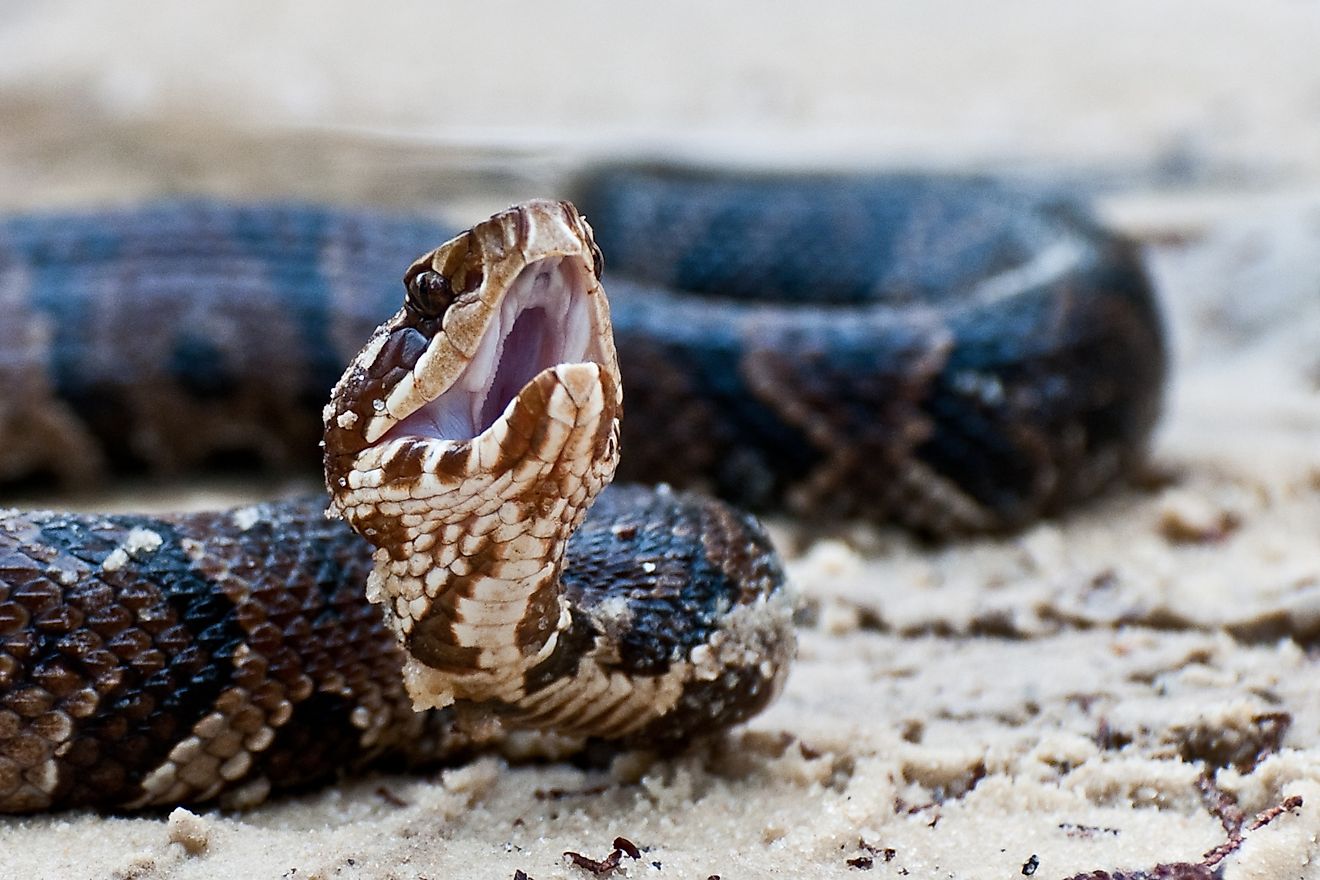
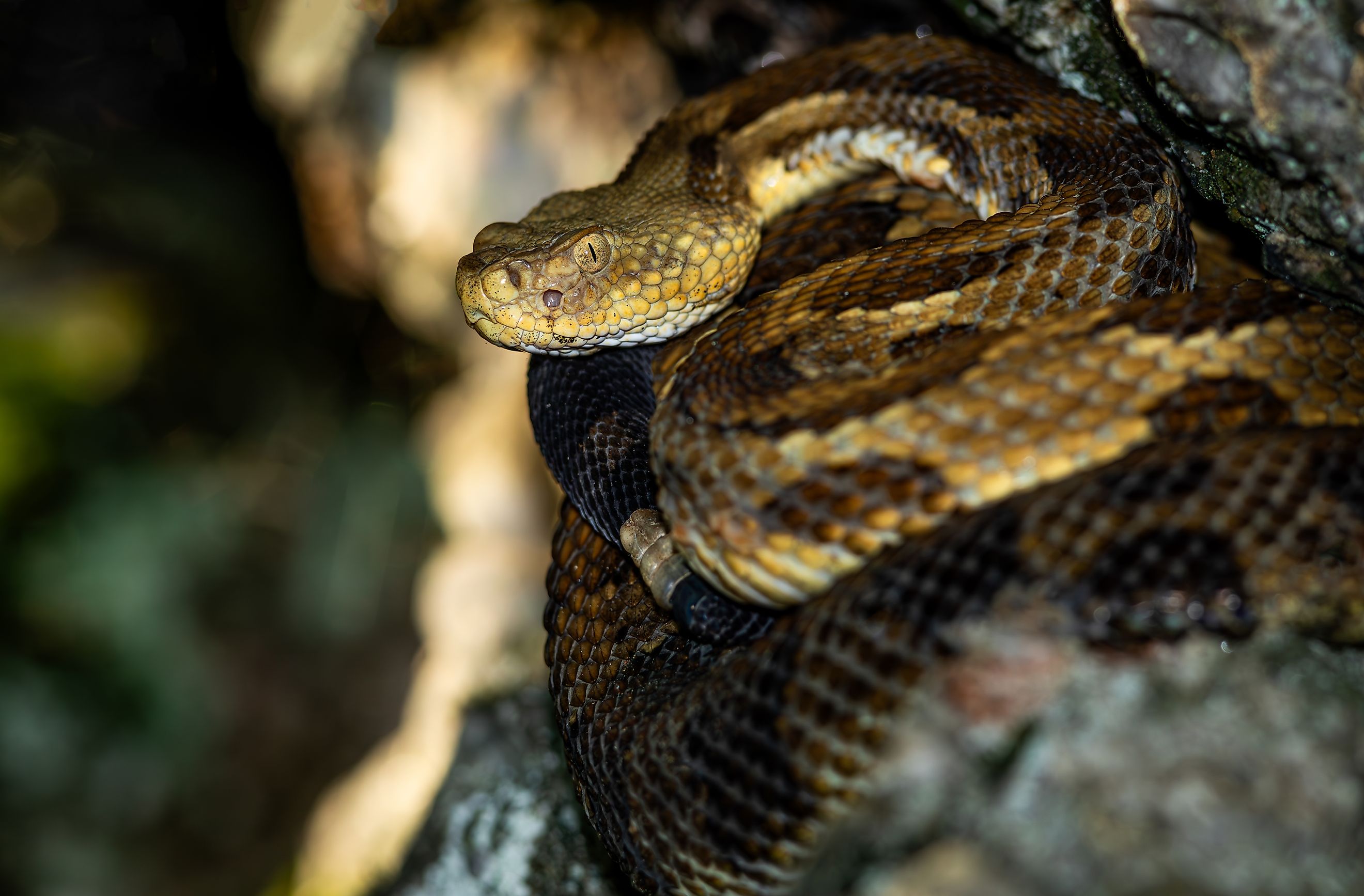
For a rattlesnake, surviving winter is a gamble timed precisely to the weather. It spends the cold months in brumation, a deep slowdown fueled entirely by the fat reserves it built up back in autumn, quietly waiting out the freeze until a true, sustained thaw finally arrives. The problem is that a single freak warm spell can fool it into stirring weeks too soon, and the stakes could hardly be higher. For a snake, an early start can quite literally be the difference between seeing spring and not. Here is what actually happens to a rattlesnake that wakes up too early.
Fooled by a False Spring

Rattlesnakes are cold-blooded, so their activity is dictated almost entirely by temperature, and that is exactly where the trouble begins. When an unseasonable warm spell pushes temperatures a few degrees above normal in late winter, it can heat a den just enough to rouse the snakes inside, which then crawl out to bask as if spring has finally come. But a genuine spring emergence is meant to be triggered by a sustained rise in warmth, with the ground staying consistently mild, not by a single balmy afternoon in February. A snake that comes out on one of those false-spring days has, in effect, badly jumped the gun.
The Deadly Refreeze

The single greatest danger is what comes next, because the cold almost always returns within a few days. A rattlesnake that has roused and crawled some distance from its den is slow and sluggish, and if a hard freeze sweeps back in before it can retreat down to the safe, insulated depths, it is in serious trouble. A snake caught exposed, or sheltering in too shallow a spot, can quite literally freeze solid as ice crystals form in its tissues and cause fatal cellular damage. For a reptile that cannot just sprint back underground, that sudden refreeze is very often a death sentence.
Burning Fuel It Can't Replace
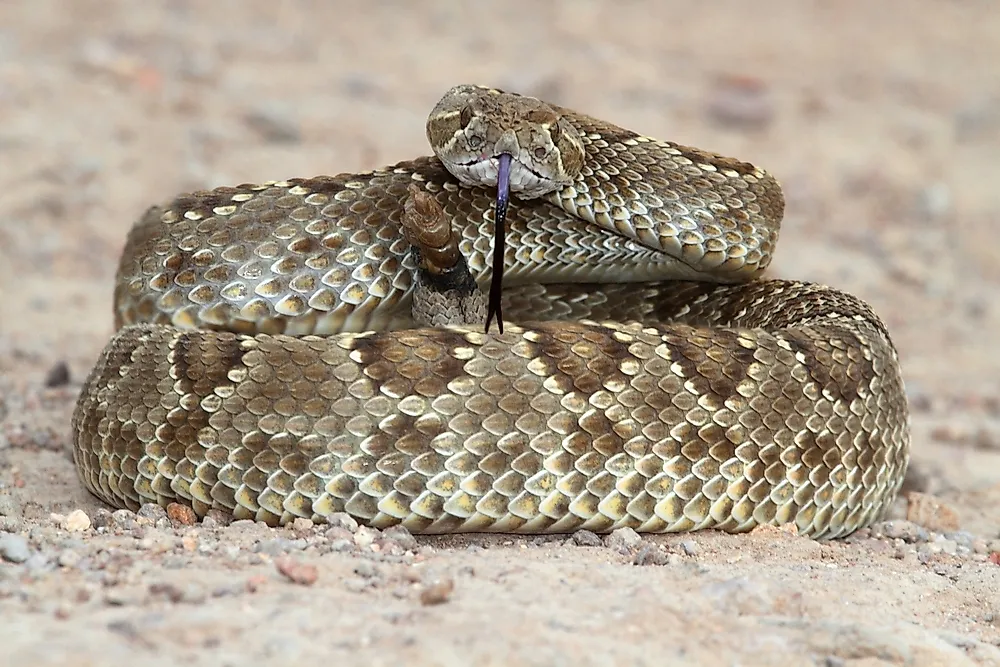
Even if the snake survives the cold, waking early carries a quieter cost. Every bit of stirring, crawling, and basking burns energy, and in winter a rattlesnake has just one fuel tank: the fat reserves it stored in the fall, which have to stretch all the way to spring. The cruel part is that it cannot refill that tank. Its prey is not active yet, and the snake's digestion is essentially switched off anyway, since it needs real warmth to process a meal and any food eaten in the cold would simply rot inside it. So an early waking, or a whole string of them, steadily drains an energy budget that was never meant to be touched, leaving the snake weak, or even starved, by the time true spring finally arrives.
Thirsty, Slow, and Exposed

Cold and hunger are not the only threats, either. Dehydration is a constant danger throughout winter, and it is often a bigger killer than the cold itself, so a snake drawn out and active too early can lose precious moisture it has no easy way to replace. On top of that, a sluggish rattlesnake sitting out in the open, slow to react and wholly focused on soaking up warmth, makes an easy target. Hawks and other predators take a real toll on snakes during this vulnerable transition, when the animal simply cannot flee or defend itself the way it could in the heat of summer.
When It's Normal and When It's Fatal

None of this means that every warm-weather appearance spells doom. Slipping out to bask right at the mouth of the den on a mild day, then ducking straight back inside the moment it cools, is perfectly normal and even healthy; it is simply how a cold-blooded animal tops up its body heat. The real danger comes only when a snake wanders too far from safety, commits itself to the open, or gets ambushed by a sudden hard freeze with nowhere left to go. One last thing worth remembering, for people rather than snakes: a rattlesnake out on a warm late-winter day is still perfectly capable of striking, so if you spot one weeks before you expected to, give it the same wide berth you would in the middle of July.