Where Gila Monsters Go In The Winter
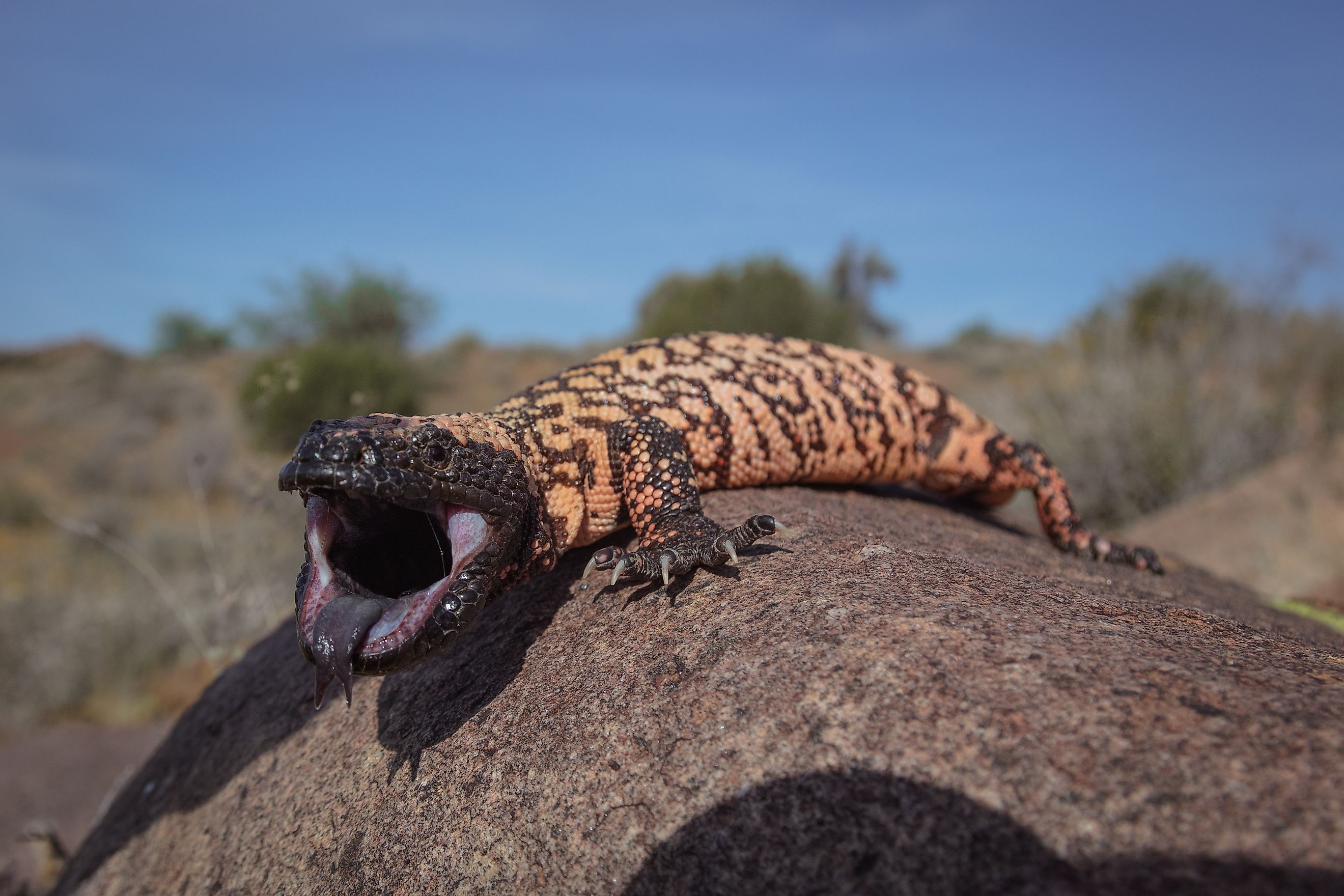
The question contains a hidden assumption that does not apply here. A Gila monster spends 90 to 98 percent of its entire life underground, and Arizona's reptile guide puts total annual surface activity at roughly three weeks. Winter is not a change of behavior for this animal. It is simply more of what it already does. The interesting part is not where it goes but what it does differently, and the answer is that it digs its own winter accommodation rather than borrowing somebody else's.
Three Weeks A Year Above Ground

The headline figure comes from radio telemetry and it still surprises people who live where these animals do.
When researchers fitted Gila monsters with radio collars in the 1970s, they found the lizards spent roughly 95 percent of their time dormant and underground. Arizona's own reptile guide states that total surface activity may add up to just three weeks per year.
Wikipedia's figures sharpen it further: across an active season of about 90 days, only ten were spent genuinely active. This is among the most sedentary vertebrates in North America.
It Digs Its Own Winter Den
Here is the behavior that makes winter different, and it sets the species apart from almost everything else that overwinters in the desert.
Gila monsters have wide feet ending in long sharp claws, and they are powerful diggers. For winter, the animal excavates its own shelter rather than relying on finding one.
That is a luxury snakes do not have. A rattlesnake or a copperhead cannot dig and must locate a pre-existing fissure or burrow that reaches below the frost line. A Gila monster builds to specification.
Summer Shelter Is Borrowed

The seasonal distinction in housing is unusually neat.
In summer the lizard uses whatever is handy as a place to rest and cool off, including desert tortoise burrows and pack rat nests. One account describes these as motels.
Winter gets the purpose-built accommodation. Summer gets the rental. The difference reflects how much longer and more continuously the winter shelter has to work.
The Tail Is The Pantry

None of this would be possible without the energy strategy, which is the most remarkable thing about the animal.
Gila monsters store fat in their thick tails and combine it with an extremely low resting metabolic rate. Three to five large meals can sustain an adult for an entire year, and a single feeding can equal around one third of body weight.
A fat tail on a Gila monster is a healthy Gila monster. The reserves built in spring are what carry it through the following winter.
Most Of The Year Is Spent Cold

Daniel Beck's work in southern Utah produced a temperature figure that reframes what desert life actually means for this species.
Beck found that Gila monsters spent more than 83 percent of the year at body temperatures of 77 degrees Fahrenheit or less. For an animal associated in the public mind with scorching sand, that is a cool existence.
Underground shelter is doing the work. The surface may be lethal in July and freezing in January, and the burrow is neither.
They Still Come Out On Warm Days

Winter dormancy is not absolute, which is the pattern every ectotherm in this region follows.
Gila monsters can be seen throughout the year, including basking at the entrance of their shelters on unseasonably warm winter days. The brumation period runs roughly November to March.
So the animal is not sealed in. It is sitting just inside the door, and on a mild afternoon it will come to the threshold.
Spring Is The Whole Year Compressed

Everything the animal needs to achieve happens in a short window after emergence.
Gila monsters come out in spring to eat and to mate, working washes and rocky slopes and tasting the air with flicks of the tongue. The timing is not coincidental: it matches peak nesting for Gambel's quail in April and May and the peak of desert cottontail nesting.
Eggs and nestlings are the target. Three or four large spring meals may in some cases provide enough energy to last until the following spring.
Where The Shelters Are

Winter dens are not distributed evenly across the desert, which has consequences for where the species survives.
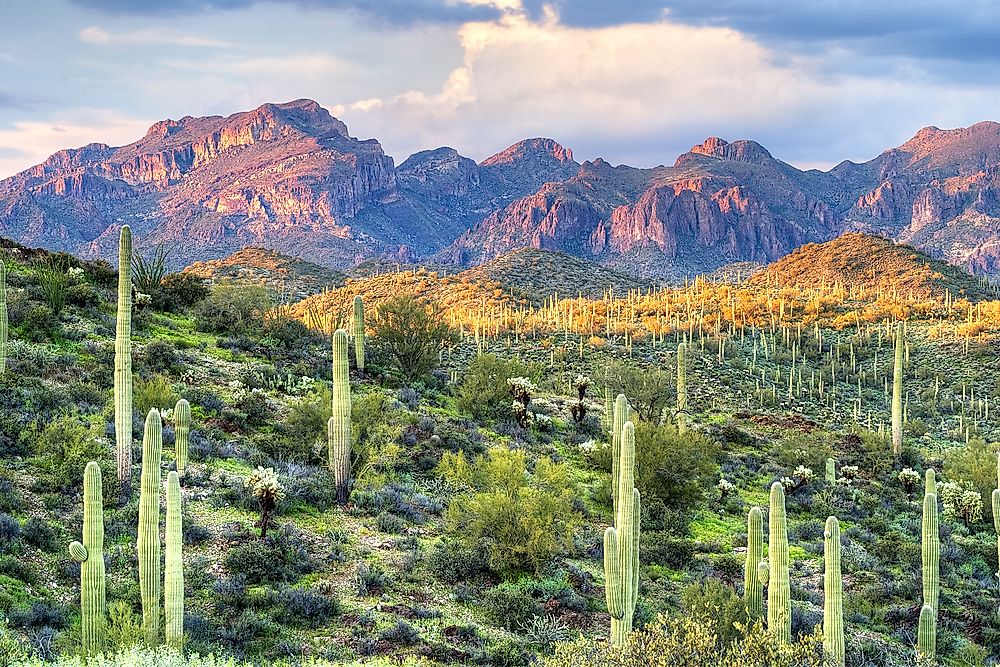
Gila monsters are most commonly found above the flats, in rocky drainages and on rugged bajadas, hillsides and mountain slopes. Shelters include abandoned mammal burrows, pack rat nests and crevices beneath large rocks, often in Navajo sandstone and basaltic lava flows.
The requirement is rocky terrain with retreat sites, which is why the flat open desert holds far fewer than the broken ground above it.
Development Carries On Underground

One group of Gila monsters spends the winter underground without ever having been above it.
Eggs laid in summer continue developing through autumn and winter underground, with hatchlings emerging the following spring, usually between April and June, at around 16 centimeters long.
So a Gila monster's first experience of the surface comes nearly a year after the egg was laid, which is a fitting introduction for an animal that will spend 95 percent of its life below it.
The Short Version

Gila monsters spend winter brumating in underground dens from roughly November to March, in rocky foothills, bajadas and hillsides rather than open flats, sustained by fat stored in the tail from three to five meals taken the previous spring. Unlike the snakes sharing that desert, they excavate the winter den themselves.
The honest answer to where they go is that they were mostly already there. An animal with three weeks of annual surface activity and more than 83 percent of the year spent below 77 degrees is not retreating underground for winter. It is declining, briefly and seasonally, to come out.