Where Water Moccasins Go In The Winter
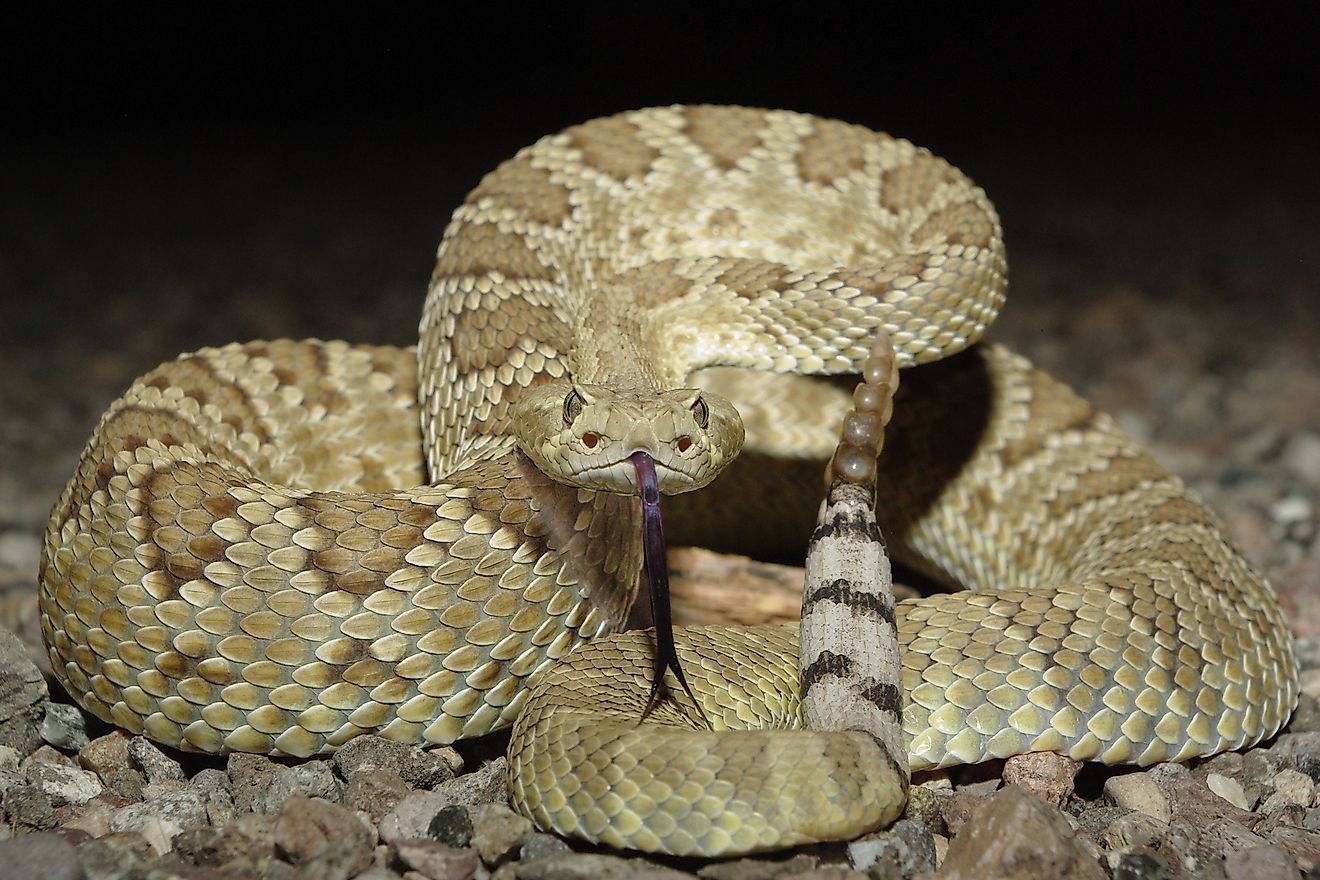
The answer depends entirely on where you are standing. At the northern edge of the range in southern Illinois, a cottonmouth may brumate for four or five months. Near the southern tip of Florida it may not brumate at all, and in some years the weather never gets cold enough to make it bother. The same species, doing completely different things, separated by about a thousand miles. What does not change is the direction of travel, because wherever a cottonmouth overwinters, it does so away from the water it is named for.
They Leave The Water Entirely

For the most aquatic venomous snake in North America, the winter arrangement is a contradiction.
North Carolina's wildlife profile is direct about it: cottonmouths become inactive at the onset of cold weather and brumate underground over winter, with common hibernacula on rocky wooded hillsides, in crayfish burrows, under rotting stumps and in mammal burrows.
Not one of those is in the water. A snake that spends summer hunting fish and frogs in a swamp spends winter in a hole on a hillside.
The Sites Can Be Some Distance Away

The move is not a few feet up the bank, which is why encounters happen where people do not expect them.
Winter sites can be a considerable distance from water, which means cottonmouths turn up in drier, more wooded ground during autumn and early spring as they travel to and from their cold-weather shelters.
Research has described this as an annual cycle between seasonal wetlands providing summer foraging and uplands providing winter refuge. The snake uses two separate landscapes a year.
Crayfish Do Most Of The Construction

Cottonmouths cannot dig, so the winter shelter has to be inherited from something that can.
Crayfish burrows appear in every published list of cottonmouth hibernacula, alongside rotting stumps, hollow logs, root channels and abandoned mammal burrows. Chimney crayfish in particular excavate vertical shafts that reach below the frost line and often down to the water table.
It is a ready-made hibernaculum built by an animal with no interest in providing one. The snake simply moves in.
Flat Country Changes The Answer

Much of the cottonmouth's range has no rocky hillsides at all, which forces a different solution.
In the flat lowlands of the Deep South, where the classic rock dens of the Appalachians do not exist, raised ground of any kind becomes valuable. Ditch banks, levees, spoil piles and the slightly elevated margins of swamps all serve.
Which is why drainage ditches matter so much to this species in winter. A ditch bank is riddled with crayfish burrows, root channels and rotting stumps, and it supplies the den and the basking spot in one place.
Sixty Degrees Starts The Search

The trigger is the same one that governs every North American snake.
Cottonmouths generally start looking for winter shelter when daytime temperatures fall consistently below 60 degrees Fahrenheit. That figure is a trend rather than a single reading, and the snake responds to a run of cool days.
North of the Gulf states that threshold arrives in October or November. In parts of Florida it may not arrive in a given year at all.
Florida Barely Participates

The southern end of the range makes a nonsense of the whole question.
Near the southern tip of Florida, along the coasts and on some islands, cottonmouths may remain active year-round. In that part of the state it may only get cold enough to prompt brumation every few years.
So a Florida cottonmouth in January is doing roughly what it does in June. The winter chapter of its biography is largely blank.
They Share With Everything Else

Suitable winter sites are scarce enough that occupancy is communal and indiscriminate.
Cottonmouth hibernacula are frequently shared with other species, including racers, western ratsnakes, copperheads and timber rattlesnakes. In ditch country the same arrangement applies, with multiple species packed into one frost-free hideaway.
Species that would otherwise avoid each other, and in some cases eat each other, tolerate the arrangement because the alternative is freezing.
They Still Need A Drink

Brumation is not a sealed state, and one requirement persists through it.
Cottonmouths cannot eat during brumation but still need to drink, which is part of why a den near the water table or in a damp ditch bank beats a dry crevice.
It is also why a mild afternoon brings them to the entrance. A brumating snake remains aware and will move within its shelter.
The Upland Is The Conservation Problem

Protecting the wetland alone does not protect the snake, which is a point conservation planning has had to learn.
North Carolina's profile notes that declines are associated with wetland drainage and degradation due to development of the surrounding upland. The related copperbelly watersnake has declined specifically because of clearing of adjacent upland woods where it spends the winter.
Preserve the swamp and pave the hillside behind it and the population still fails. Both halves of the annual cycle have to survive.
The Short Answer

Water moccasins spend winter underground and out of the water, in crayfish burrows, rotting stumps, mammal burrows and rock crevices on wooded hillsides, ditch banks and any raised ground available. Northern populations may stay down four or five months. Southern Florida populations may skip it entirely in a mild year.
The useful thing to know is that the animal is not where its name suggests. A cottonmouth in December is on a bank, in a hole, probably sharing it with several other snakes, and well away from the swamp it will return to in spring.