Where Bald Eagles Gather In The Winter
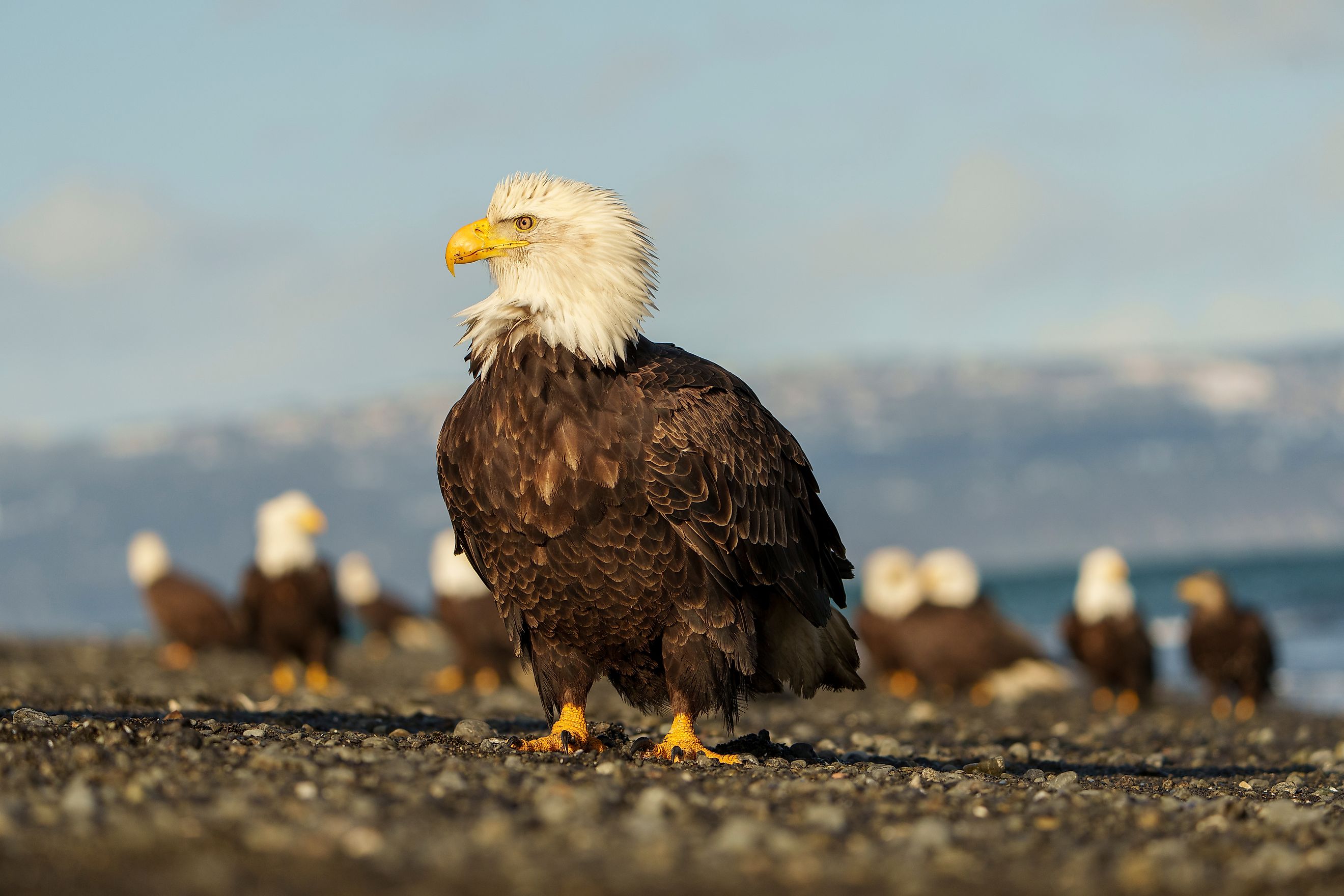
Bald eagles (Haliaeetus leucocephalus) spend most of the year alone, with each breeding pair defending their own stretch of shoreline and chasing away rivals. When northern waters freeze and fish become scarce, these otherwise solitary birds abandon their usual habits and gather in large groups, sometimes numbering in the dozens, hundreds or even thousands. According to the U.S. Fish and Wildlife Service and ornithologist David Buehler, the most suitable winter roosting sites share three characteristics. They have open water where birds can reach food, a reliable supply of fish or carrion, and tall, sheltered trees where they can spend the night. Where all three occur in December or January, eagles are rarely far behind. The largest gatherings happen in North America, the only continent where bald eagles live. In winter, they spread across most of the lower United States, much of Canada, and into northern Mexico.
Why The Birds Give Up Their Solitude

Eagles gather together in winter, and biologists have studied the reasons closely. During breeding season, a pair will defend their territory and keep others away. But when lakes and smaller rivers freeze, eagles move to any water that stays open. In cold regions, open water is found in just a few places, like below dams, at warm groundwater seeps, and along big rivers and estuaries that don't freeze easily. In winter, eagles act more like scavengers than hunters. They eat dead or dying waterfowl, fish that died in the cold, and the carcasses of deer and livestock. That's why a single dead swan on the ice can attract dozens of eagles at once. After feeding during the day, eagles gather at night in communal roosts, usually in groups of large conifers or cottonwoods that are sheltered from the wind. They may travel up to about twenty miles (thirty kilometers) between where they feed and their favorite roost, often returning to the same trees year after year. Scientists still debate whether these roosts are mainly for warmth or for following other eagles to food. The research shows that both reasons matter, and the importance of each can change depending on the place.
The Chilkat, Where The Water Stays Open

Each late autumn, the largest gathering of bald eagles on record takes place along the Chilkat River in southeast Alaska, near Haines. Here, warm groundwater at the meeting point of the Tsirku and Chilkat rivers keeps a five-mile stretch free of ice into December. Because the water stays open, a late run of chum salmon spawns after other runs in the region have ended. Eagles from across Alaska and British Columbia come to feed on the spent fish along the gravel bars. This concentration led the State of Alaska to protect about 48,000 acres as the Alaska Chilkat Bald Eagle Preserve in 1982. At the peak, usually from mid-November into December, counts have reached three to four thousand birds. The preserve and the American Bald Eagle Foundation have long called this the largest congregation of bald eagles anywhere. Today, it is harder to say exactly how many eagles gather. The Fish and Wildlife Service conducted ground and aerial surveys until 2000, but stopped due to budget and staffing cuts, leaving a nine-year gap before the Takshanuk Watershed Council resumed ground counts in 2009. In recent years, fewer birds have been seen than in the past, and biologists say they cannot yet tell if the eagles have declined or simply moved, since there was such a long break in counting.
The Klamath Basin And The Largest Crowd In The Lower Forty-eight

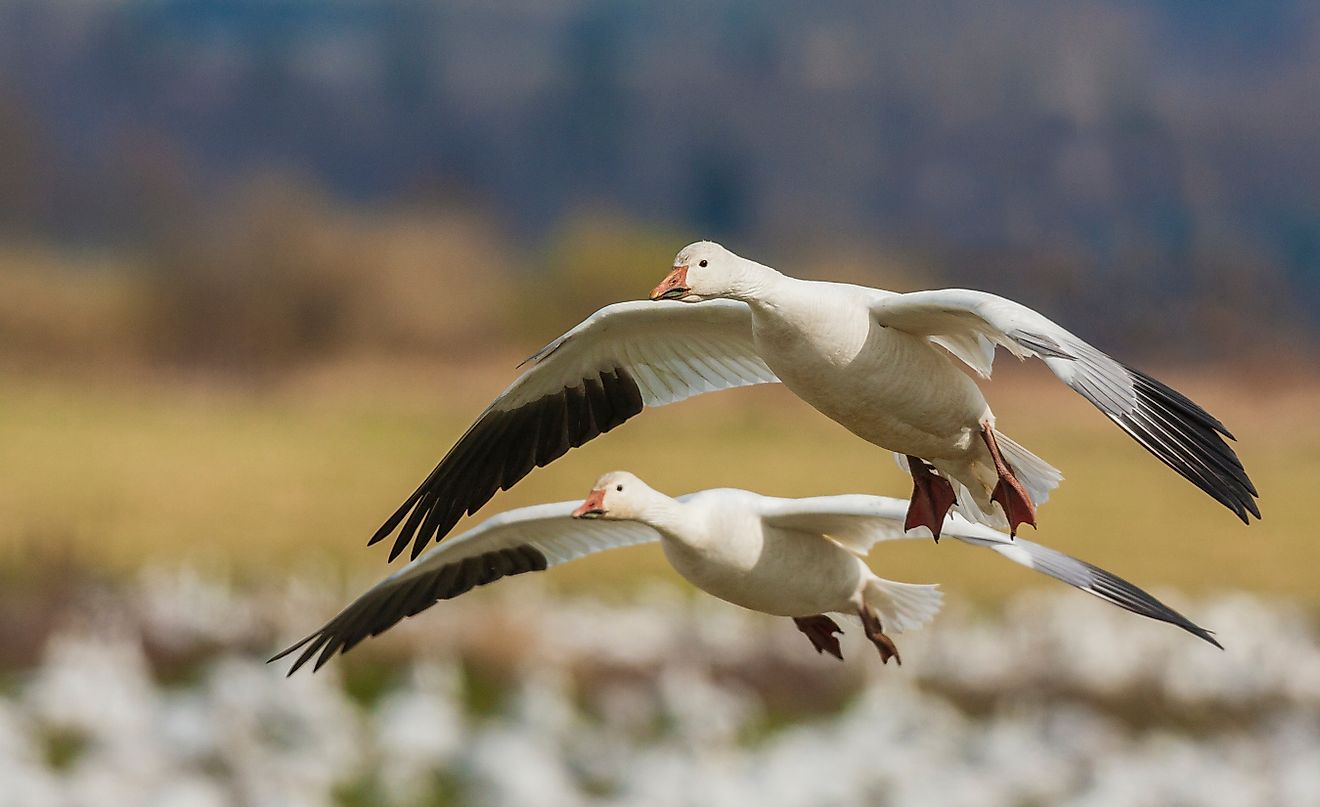
The largest winter gathering of waterfowl in the lower 48 states happens farther south, in the Klamath Basin on the California-Oregon border. Here, six national wildlife refuges protect marshes that support up to eighty percent of the Pacific Flyway's migrating waterfowl. This refuge system began when President Theodore Roosevelt set aside the Lower Klamath Lake reservation on August 8, 1908. It was the first federal refuge created for waterfowl, and the wetlands that survived later drainage still support the flyway today. Between December and February, the basin hosts the largest wintering concentration of bald eagles in the lower forty-eight states. Most years, several hundred eagles gather here, and in some years, more than a thousand. This is closely linked to the presence of ducks and geese. When the shallow marshes freeze, waterfowl crowd into the remaining open water. Some die from cold or injury, and the eagles feed on them. Sometimes, a single dead tundra swan can attract fifty eagles, which quickly strip it to feathers on the ice. Most of these eagles roost together at night in the old-growth stands of Bear Valley National Wildlife Refuge, then fly out at dawn to hunt across the basin.
Open Water Below The Dams

Below dam tailraces, open water and easy food attract birds to rivers that would otherwise freeze. Two eastern sites show this well. On Maryland's lower Susquehanna, the Conowingo Dam has operated since 1928. It sends fish through its turbines, leaving them stunned or dead, and bald eagles have learned to feed in the always-open water below. From late fall into winter, up to two or three hundred eagles gather there. The Center for Conservation Biology, with researchers Bryan Watts and Elizabeth Mojica, has tracked the site for years. They call the Conowingo spillway one of the best places to see eagles in eastern North America, drawing non-breeding birds from the whole Atlantic coast. The same thing happens along the Upper Mississippi River. Turbulent water below the locks and dams stays open even in the coldest weather, and up to four thousand eagles spend the winter along that stretch, including the pools along Illinois. These birds are spread over hundreds of miles, not packed into one spot. In 1991, Mark Martell and his colleagues did a study for the Minnesota Department of Natural Resources. They mapped communal roosts along the Mississippi and Wisconsin rivers that northern states already saw as critical for recovery. The birds need both open water for feeding and nearby trees for shelter at night.
How The Winter Crowds Grew This Large

A visitor to the Susquehanna or the Mississippi in the winter of 1970 would have seen very few bald eagles. Their numbers dropped sharply in the middle of the twentieth century because of shooting, habitat loss, and especially the pesticide DDT. DDT thinned eggshells so much that many eagle pairs could not raise young. This chemical was sprayed across the country for decades before anyone realized it was causing empty nests. Biologist Rachel Carson explained this chain of events to the public in her 1962 book Silent Spring. In June 1972, the Environmental Protection Agency, led by William Ruckelshaus, banned most uses of DDT. Within a generation, eagle reproduction started to recover. The Fish and Wildlife Service took the bald eagle off the list of threatened and endangered species in 2007. In its 2020 assessment, the agency estimated that the lower 48 states were home to 316,700 bald eagles, more than four times the estimated population in 2009. The winter gatherings people photograph today are possible because of this recovery. Not long ago, these gatherings were much smaller or did not happen at all.
Watching Eagles Without Costing Them

When eagles gather in large numbers, people come to watch, but the real risk is the one people pose to the birds, not the reverse. In winter, eagles have little energy to spare, and if someone gets too close and scares one off its perch, that bird uses up fuel it needs to survive the night. That's why federal guidelines tell watchers to keep their distance, and why it's still illegal to disturb eagles under the Bald and Golden Eagle Protection Act, even though they're no longer listed as threatened. There's also a newer risk that comes from the birds crowding together. If eagles eat infected waterfowl at a busy wintering spot, they can catch highly pathogenic avian influenza, the H5N1 strain that arrived in North America in late 2021. A 2023 study in Scientific Reports, led by Nicole Nemeth, found that the virus caused many eagle deaths and widespread nest failures. So, while these gatherings are amazing to see, they also make it easy for one sick bird to infect many others. The best time to observe these gatherings is from November through February. They appear earlier and reach larger numbers in northern regions, while those farther south tend to form later in the season. The most reliable viewing locations are areas with open water and abundant food, including Alaska's salmon rivers, the Klamath marshes, and the dams in the eastern United States.
What Keeps Them Coming Back
Bald eagles gather in large numbers during winter because certain places offer the food and shelter they need when much of the surrounding landscape becomes less hospitable. Alaska's salmon rivers, the Klamath marshes and the dams of the eastern United States each provide reliable feeding grounds, although the timing and size of the gatherings differ. Their growing numbers also reflect one of the more successful wildlife recoveries in North America. From only a few hundred nesting pairs in the lower 48 states during the early 1960s, the population had risen to an estimated 316,700 birds by 2020, following the DDT ban and decades of protection. These winter concentrations are a reminder of how far the species has recovered, but maintaining that progress requires protecting the rivers, wetlands and roosting sites on which the birds depend. People who visit these areas can help by keeping their distance and allowing the eagles to feed and rest without disturbance.