How Long Rattlesnakes Can Go Without Eating In Winter
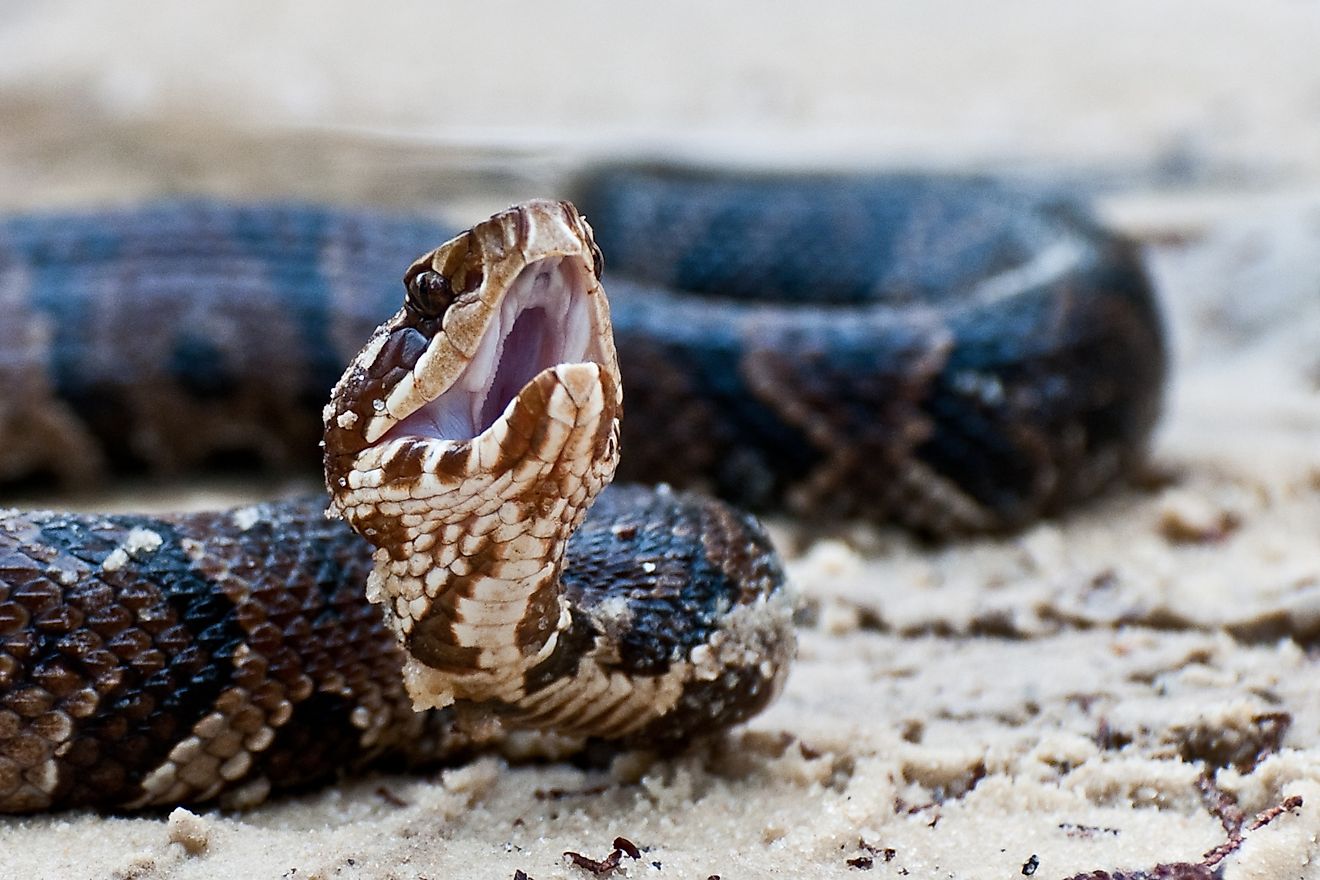
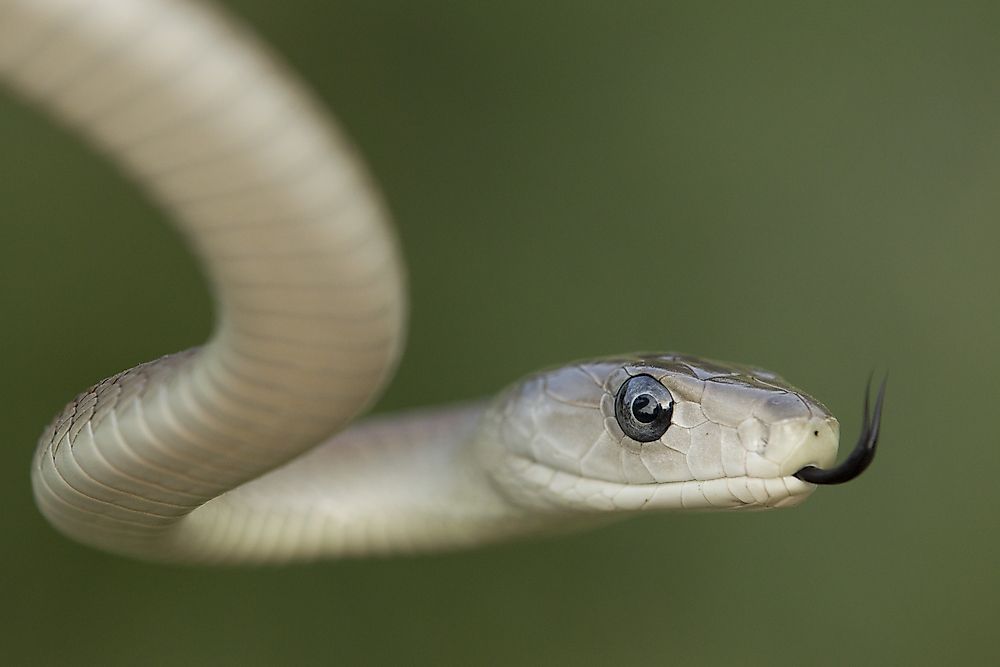
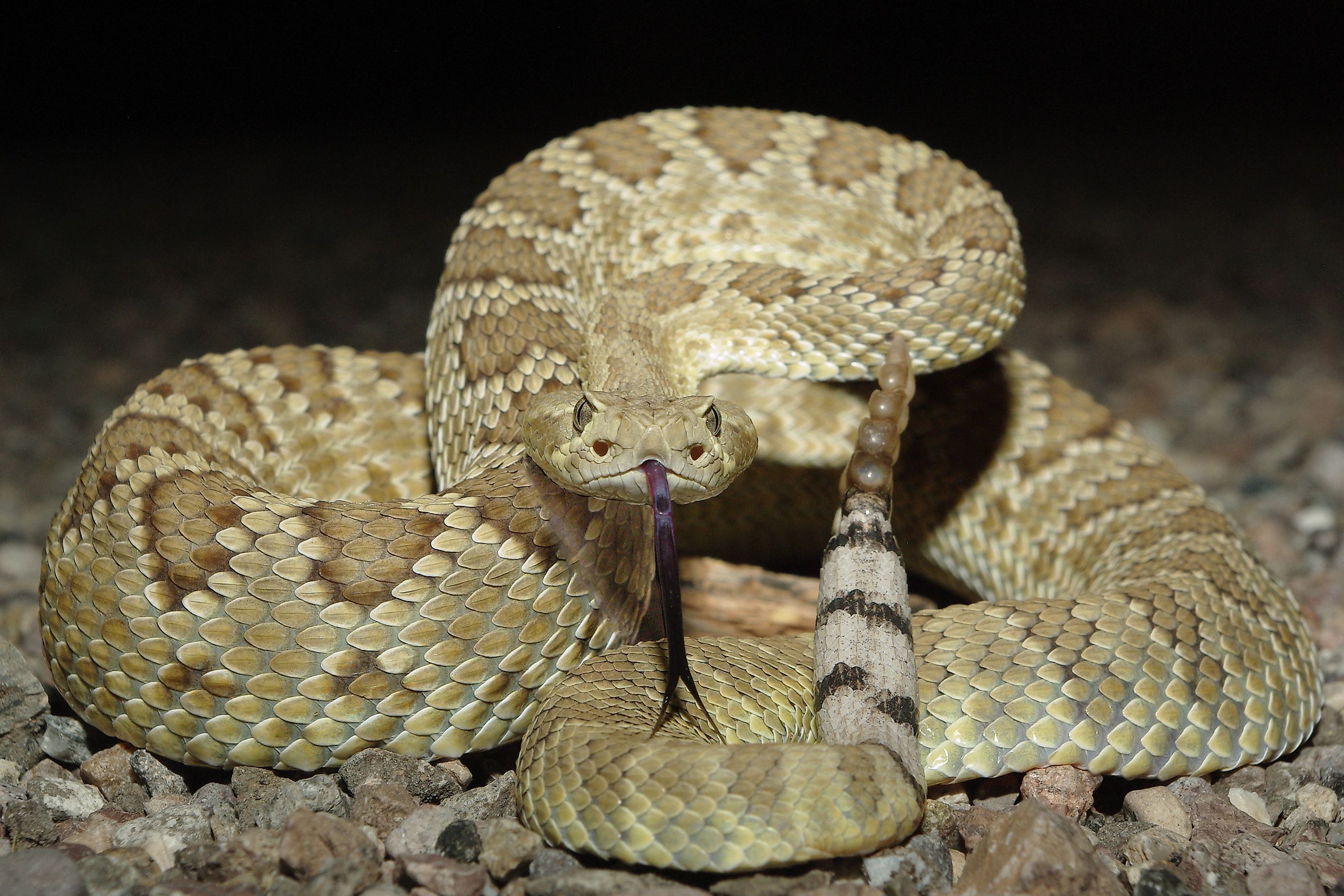
A University of Arkansas study withheld food from 62 snakes for 168 days, and the western diamondback rattlesnakes in the group cut their resting metabolic rate by up to 72 percent. They did it at a constant 80 degrees Fahrenheit, without going dormant at all. Which means the figure represents what a rattlesnake can do while fully awake and warm. Add an actual winter, with body temperature near freezing and the animal motionless underground, and the saving is far greater. Six months without eating is routine. It is not even close to the limit.
Seventy-Two Percent Is The Headline Number

The research behind this compared three species, and the rattlesnake came out furthest ahead.
Marshall McCue's work, published in Zoology, measured ball pythons, ratsnakes and western diamondbacks across 168 days without food. All three reduced their standard metabolic rates. The rattlesnakes managed a depression of 72 percent.
The researcher's own summary was that these animals take energy reduction to a whole new level, and the surprise was that snakes already had very low energy demands before any of this started.
Snakes Were Already The Cheapest Vertebrates To Run

The reason the finding mattered is that there should not have been much room left. A resting snake uses a fraction of the energy a mammal of the same mass requires, because it generates no body heat. Cutting an already minimal metabolic rate by nearly three quarters was not expected to be possible.
Nothing comparable had been documented in any vertebrate. The description used at the time was that this was a novel survival strategy not previously seen.
They Burn Fat And Protect Protein

The second half of the strategy is about what gets consumed rather than how slowly it goes.
Starving snakes shift to metabolizing lipids while sparing their protein stores, which keeps muscle and organ tissue intact while fat is burned off. McCue described it as managing both the demand side and the supply side of an energy budget.
Fat levels in the study fell to around 5 percent of body composition, a level that would kill most other vertebrates outright.
They Grow While Starving

The finding nobody expected is the one that still reads like a typing error. Despite 168 days without food, the snakes continued to increase in length. That does not appear in the prior research literature and it is counterintuitive on every level, since growth costs energy the animal does not have.
McCue's reading was that there must be a strong selective advantage to growing longer, strong enough to be worth spending reserves on during a famine.
The Blood Chemistry Shows The Strain

None of this is free, and the measurements across the fasting period make that clear.
Across the period, fasting snakes showed a 30 percent reduction in body mass, a 64 percent reduction in blood glucose and a 70 percent increase in plasma ketone bodies. Rising ketones are the signature of a body running on fat.
So the animal is thinner, its blood sugar has collapsed and it is in deep ketosis. It is also still alive and still growing.
Winter Is Easier Than The Experiment
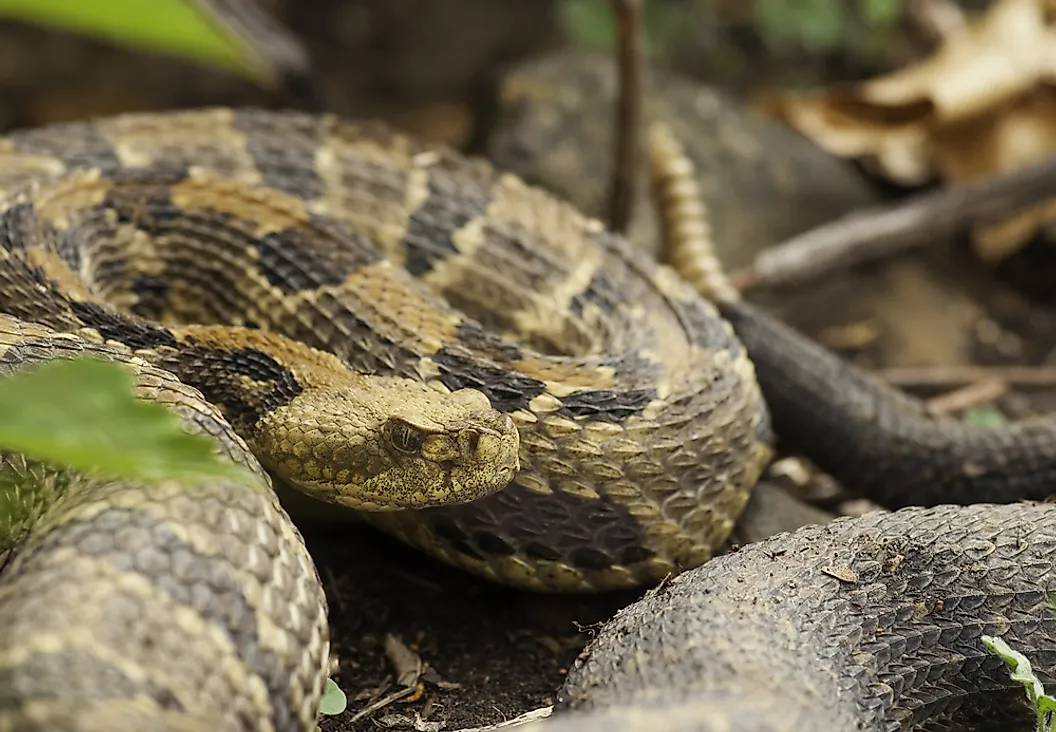
Everything above happened to warm, awake snakes, which is why real winters are less demanding than the study.
Brumating rattlesnakes sit below ground at temperatures close to freezing, motionless, in the dark. Metabolic rate falls with body temperature automatically, before any of the active depression in the study is applied.
A rattlesnake entering a den in October with adequate fat reserves is in a far better position than a diamondback kept at 80 degrees for six months with nothing to eat.
Some Species Reach Two Years

Six months is normal rather than exceptional, and the documented ceiling sits a great deal higher.
Some snake species are known to survive up to two years without a meal. The six-month experimental period was chosen specifically because it is a span wild snakes routinely experience when prey is scarce.
Northern rattlesnake populations brumate from roughly October to April, which is five to seven months, and they emerge into a spring where hunting does not resume immediately.
Eating Fewer Meals Than You Would Guess

Annual feeding totals for a rattlesnake are low even in a good year.
Ambush predators that swallow prey whole extract a great deal from each meal, and a large rattlesnake may take only a handful of substantial meals across an entire active season. A single large rodent can sustain weeks of activity.
Which reframes the winter question. A snake is not enduring an unusual fast in November. It is doing a longer version of what it does all year.
Reproduction Is The Real Cost

The energy constraint that actually limits these animals is not winter at all. Female timber rattlesnakes reproduce only every two to four years, because a litter costs more than a single season of feeding can replace. The fast is survivable. The breeding is what requires years of accumulation.
That is also why den destruction is so serious for the species. A population that reproduces on a three-year cycle cannot absorb losses the way a faster-breeding animal can.
The Short Answer

A rattlesnake goes five to seven months without eating every winter as a matter of routine, and laboratory work shows western diamondbacks surviving 168 days of starvation while warm and awake, cutting resting metabolism by 72 percent, burning fat while protecting protein, and growing longer throughout.
Some snakes manage two years. The winter fast is not the difficult part of a rattlesnake's year. Finding enough food in summer to afford a litter in three years' time is.