The States That Pay Bounties On Invasive Animals
In July 2025, a pair of contractors pulled 87 Burmese pythons out of the Florida Everglades in a single month, a record haul that earned them thousands of dollars in state payments. They were not poachers chasing a trophy. They were paid agents in one of several government efforts that now attach a cash price to the body of an invasive animal. Across the United States, wildlife agencies have turned hunters, trappers, and anglers into a working line of defense against animals that native habitats cannot push back on their own. The payment per animal is usually small, yet the combined effort strips hundreds of thousands of invaders out of American marshes, fields, and waterways every year.
Why A Price Gets Attached To An Animal

An introduced species becomes invasive only when it starts to damage the ecosystem, the economy, or human health, a distinction the herpetologists at the Florida Museum of Natural History draw carefully. The damage adds up fast. A widely cited 2005 study in the journal Ecological Economics put the annual cost of invasive species in the country at roughly 120 billion dollars, and a 2022 analysis in Science of the Total Environment, built on a global cost database, calculated that invasions had cost the United States at least 1.22 trillion dollars since 1960, with the yearly bill rising decade after decade.
Against numbers like those, a bounty is a blunt but cheap tool. Paying members of the public for each animal removed spreads the labor far wider than any agency payroll could reach, puts money into rural economies, and generates a steady stream of data on where a species is spreading and how fast. A bounty rarely erases a population. It suppresses one, slows the spread, and buys time for longer term control. Four states show the approach in very different forms, aimed at a constrictor, a rodent, a wild pig, and a fish.
Florida And The Everglades Pythons

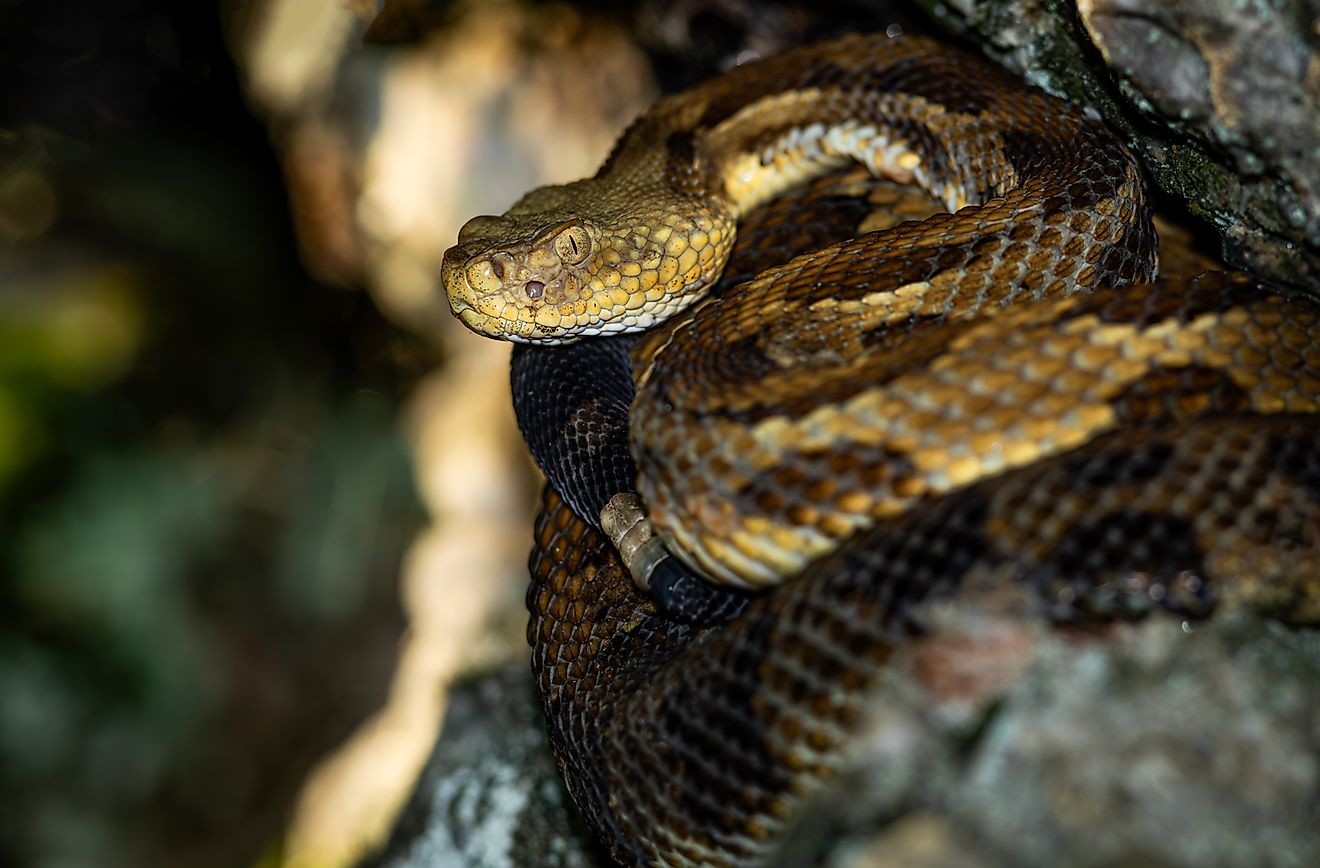
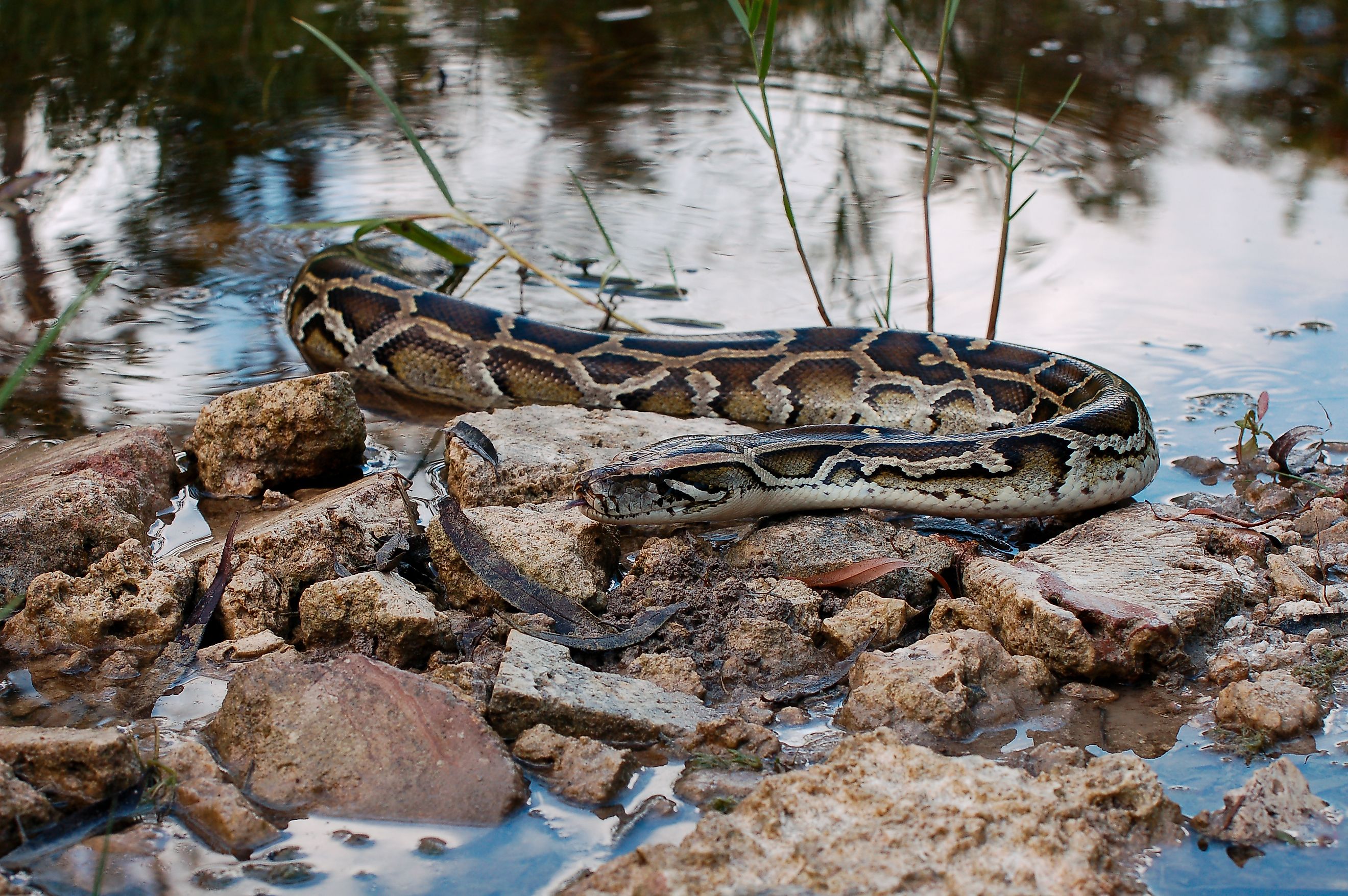
The Burmese python (Python bivittatus) is native to the marshes and river valleys of Southeast Asia, including Thailand and Vietnam. It reached South Florida through the exotic pet trade, turned up in the Everglades in 1979, and was declared an established breeding population by 2000. The snake found a near perfect home in the shallow sheet of water that forms the slow-moving river of grass, and the results have been severe. A landmark 2012 study in the Proceedings of the National Academy of Sciences linked the arrival of the pythons to the near disappearance of raccoons, opossums, and rabbits along Everglades roads, with sightings of some once common mammals down by about 99 percent. The heaviest python on record in the state weighed 215 pounds and carried 122 developing eggs, a reminder that a single female can seed the next wave.
Florida answered with payment. The South Florida Water Management District runs a Python Elimination Program, working alongside the Florida Fish and Wildlife Conservation Commission, that hires vetted removal agents and pays them an hourly rate of roughly 13 to 30 dollars for up to ten hours a day of searching on designated land. On top of that comes a per animal incentive of 50 dollars for a python up to four feet long, an extra 25 dollars for every foot beyond four, and 200 dollars for a verified active nest. By April 2025, more than 23,500 pythons had been removed statewide, over 11,000 of them by paid contractors. The most public face of the effort is the annual Florida Python Challenge, a ten day summer competition that drew more than 900 registrants in a recent year and hands out cash prizes to the top removers. The python is not the only target either, since reef divers compete in lionfish derbies for cash and prizes, and the wider roster of Everglades invaders keeps growing.
Louisiana And The War On Nutria

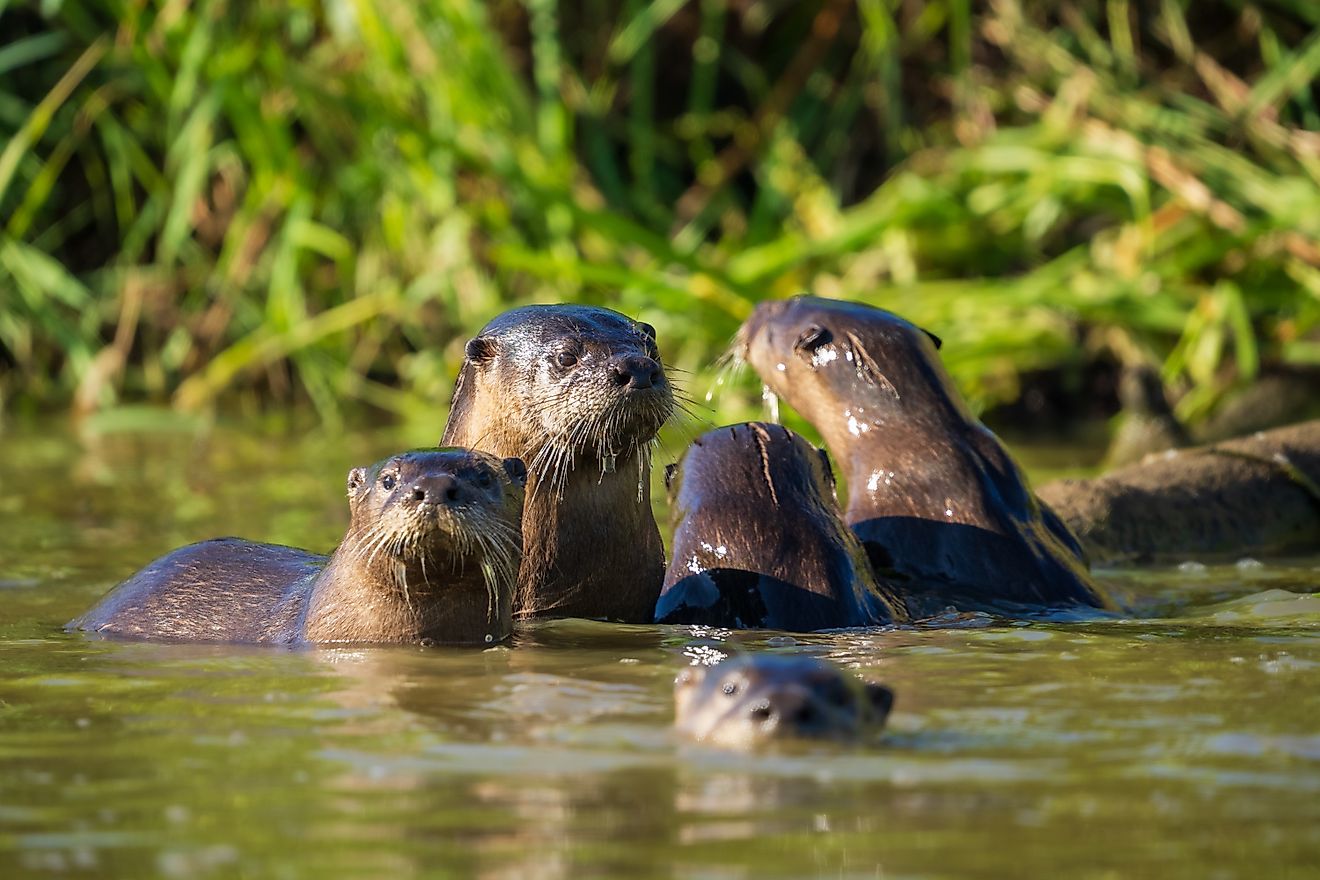
The nutria (Myocastor coypus) is a large, orange-toothed, semiaquatic rodent native to South America. It was brought to Louisiana in the 1930s for fur farming, escaped into the coastal wetlands, and multiplied with no meaningful check. The animal does its harm below the surface, chewing through the roots and rhizomes that hold marsh soil together, which turns living wetland into open water and speeds the land loss already battering the coast.
Since 2002 the state has fought back through the Coastwide Nutria Control Program, administered by the Louisiana Department of Wildlife and Fisheries with the federal natural resources service and funded under the Coastal Wetlands Planning, Protection, and Restoration Act. Registered trappers and hunters are paid a bounty for every nutria tail they deliver to a collection center during the November to March season. The rate started at 4 dollars in 2002, rose to 5 dollars, and has stood at 6 dollars per tail since 2019. The program aims to take up to 400,000 nutria a year, and recent seasons have produced harvests ranging between roughly 235,000 and more than 400,000 tails, paying out well over a million dollars in incentives each year. More than seven million nutria have been removed across the program's first 23 seasons, and marsh damage tied to the animal has fallen by more than 90 percent since the program began. It stands as the clearest success among these efforts, and a good illustration of why this marsh-eating rodent earned a price on its tail.
Texas And The Feral Hog

No animal tests the bounty model harder than the feral hog (Sus scrofa). Texas carries an estimated 2.6 million of them, the largest population of any state, and the hogs cause on the order of 500 million dollars in agricultural damage a year as they root up crops, pasture, and levees. The state has no single statewide bounty. Instead, the Texas Department of Agriculture runs a Hog Out County Grant Program that has paid hunters a few dollars per tail and awards grant money to the counties that remove the most animals, while individual counties layer their own rewards on top. Lee County, for example, has paid 5 dollars for each pair of hog ears and 10 dollars for coyote ears out of a yearly pool that tends to run dry before the season ends, and counties such as Caldwell and Guadalupe have offered their own per tail payments.
The hog fight has also pushed control methods to the edge of what the law allows. Texas legalized hunting feral hogs from helicopters in 2011, a practice that earned the nickname pork chopping, and in early 2024 the state cleared a feral hog poison bait for use by licensed applicators. Even so, the animal keeps gaining ground, and the problem now reaches well past agriculture into recreation, with reports of the state parks where wild boar now dominate and the forests they have overrun.
Maryland And Cash For Snakeheads

In the water, Maryland has turned to anglers to fight the northern snakehead (Channa argus), a predator native to East Asia that was introduced illegally around 2002 and is now established across much of the state's tidal network. Managers have even rebranded the fish as the Chesapeake Channa to make it more appealing on a dinner plate. The snakehead is a formidable invader because it breathes air, can wriggle short distances over land, and reproduces heavily. A 2024 study in the journal Northeastern Naturalist found that females in the upper Chesapeake Bay carry eggs in two distinct sizes, evidence that they may spawn more than once a year.
The payment here runs through a coalition reward program called Reel Rewards, launched in 2024 in the Baltimore Harbor area, which pays anglers 30 dollars for each snakehead, blue catfish, or flathead catfish turned in, up to 15 fish a week. An earlier state and federal tagging study offered gift cards of 10 or 200 dollars for catching specially tagged snakeheads. The incentives work. More than 18,000 pounds of invasive fish came out of Maryland waters during one spring removal season, and one bowfisherman reported earning about 4,000 dollars in a year by turning in 134 snakeheads.
Before You Try To Collect

For anyone drawn to the outdoors, these programs can look like a way to fund a hobby, but each carries rules that exist for good reasons. Nutria trapping requires a valid state trapping license, snakehead anglers need a fishing license, and python removal is limited to vetted agents working assigned public land. Florida requires that a captured python be killed humanely on the spot. Every program forbids the two shortcuts that would defeat the purpose, which are transporting a live invasive animal and breeding one to farm the bounty, both of which spread the problem the payment is meant to shrink.
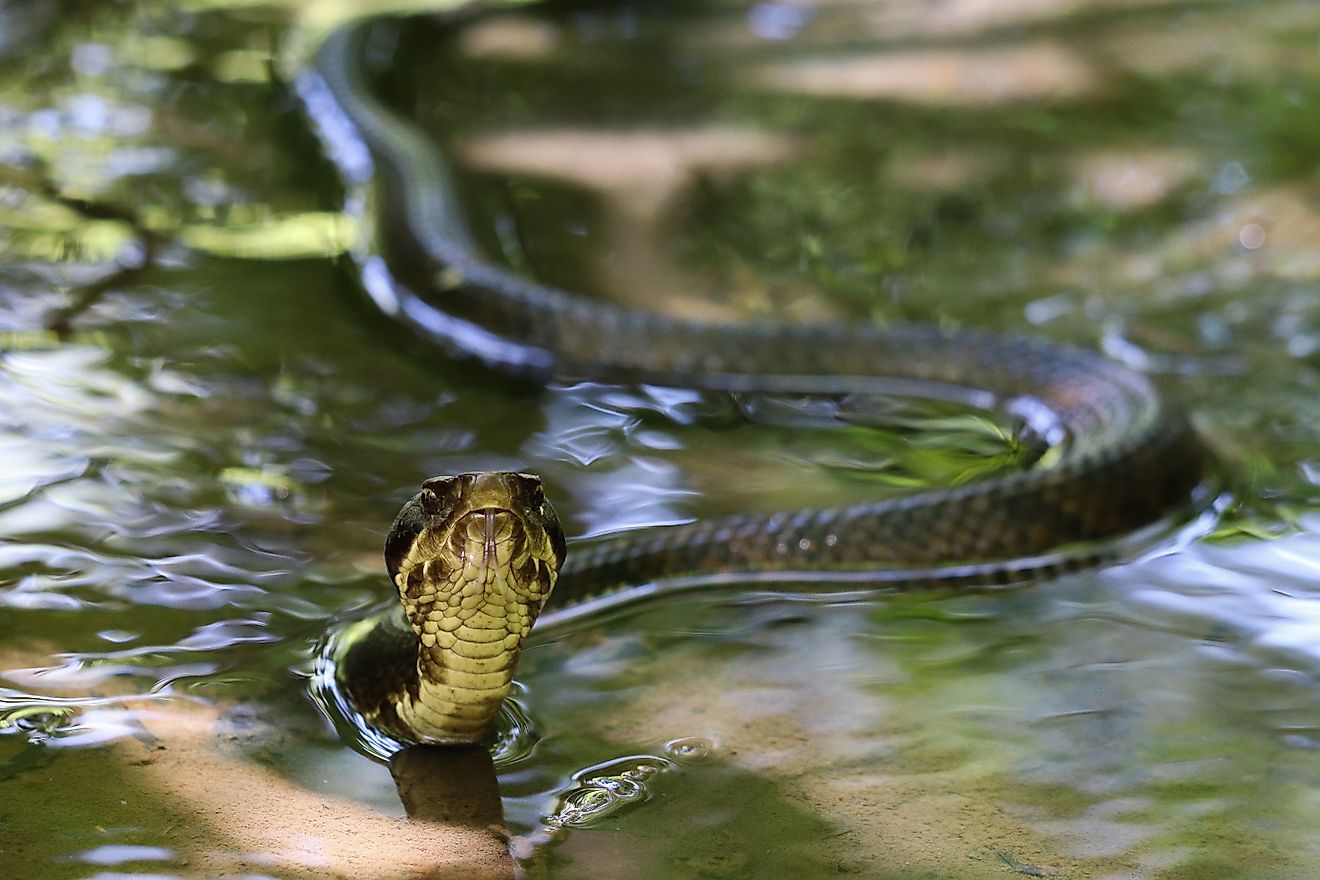
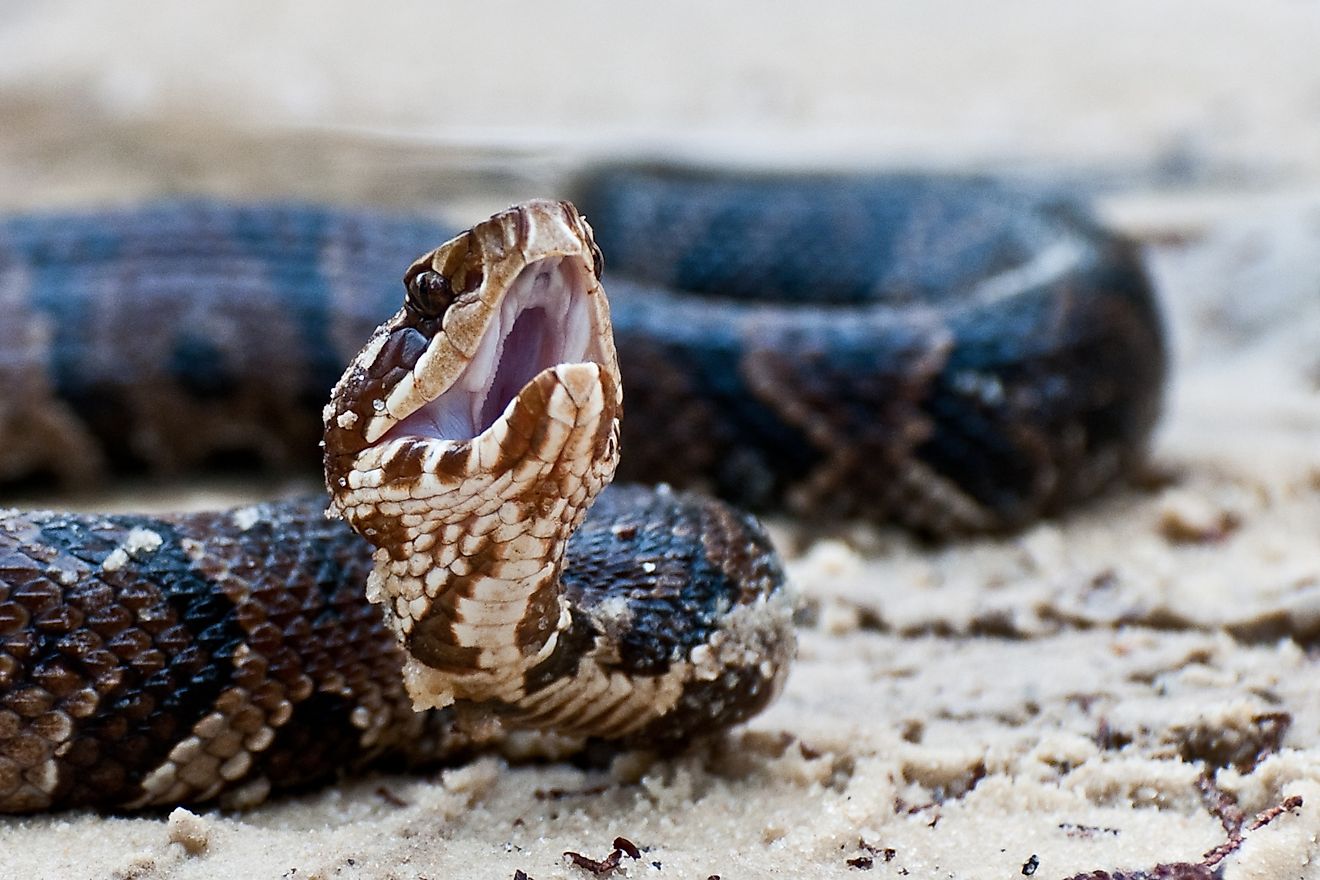
Safety deserves equal weight. A large constrictor can injure a careless handler, and a cornered feral hog is fast, heavy, and capable of serious harm. Carcasses are best handled with gloves, since wild pigs can carry diseases such as brucellosis. The marshes and swamps where these bounties are collected are also home to native wildlife that demands respect. Before wading in, it is worth knowing where alligators and crocodiles share the same water and where rattlesnakes and cottonmouths cross paths, since the semiaquatic cottonmouth often shares the exact habitat that a nutria trapper or snakehead angler works.
What A Bounty Can And Cannot Do
The four programs demonstrate that bounty systems can play an important role in limiting the damage caused by invasive species, even when they cannot eliminate them entirely. Louisiana's nutria campaign has shown how sustained public participation can protect vulnerable marshes, while Florida's struggle with Burmese pythons illustrates how difficult control becomes once an invader is firmly established. Texas and Maryland have achieved progress in certain areas, though neither has completely contained the species it targets. Their experiences point to the same conclusion. Bounties work best as part of a broader, long-term management effort, supported by habitat protection, research and continued monitoring. They may not restore every ecosystem to its former condition, but they can prevent further damage and give native species a better chance to recover.