The Northern Edge Of Rattlesnake Country
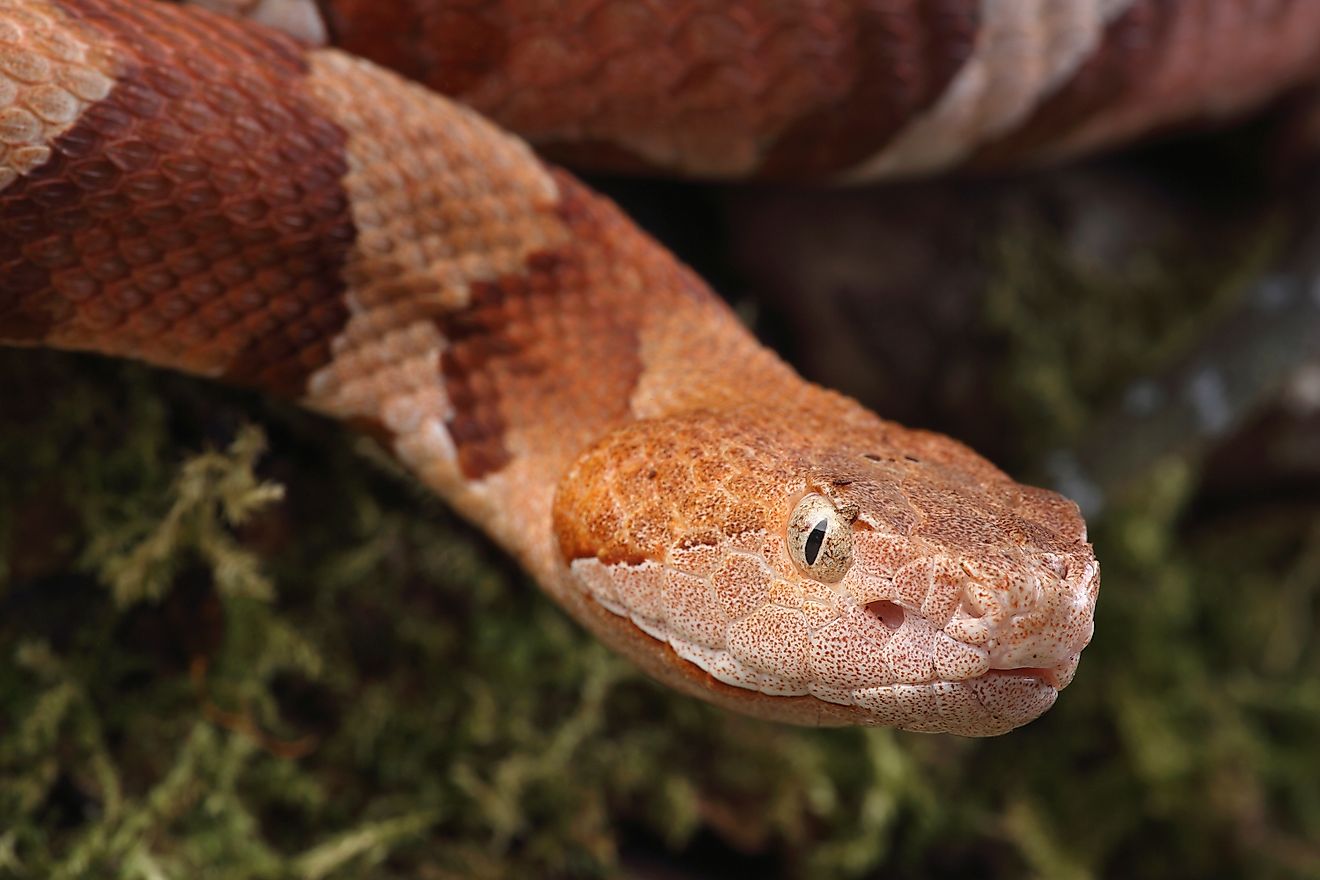
Rattlesnakes reach the northernmost part of their range in Canada, but they do so in just three places. Across North America, more than thirty species from the genera Crotalus and Sistrurus hunt from the deserts of northern Mexico through the grasslands and rocky areas of the United States. However, their range ends where summers are too short and winters too harsh for these cold-blooded hunters to survive. In southern Canada, this northern boundary appears in three separate areas. The rattlesnakes living there show just how much these animals can endure, even more than those living farther south.
People encounter these snakes much less often than their reputation might suggest. All three Canadian rattlesnake species try to avoid conflict, give a warning rattle first, and only bite if someone corners them, steps on them, or picks them up. These snakes are important, even though there aren't many of them, because each group lives right at the edge of what the climate allows. One harsh season or the loss of a winter den can destroy a colony that took generations to grow. To understand this boundary, look at the three places in Canada where rattlesnakes still live.
Where the Hiss Fades Out

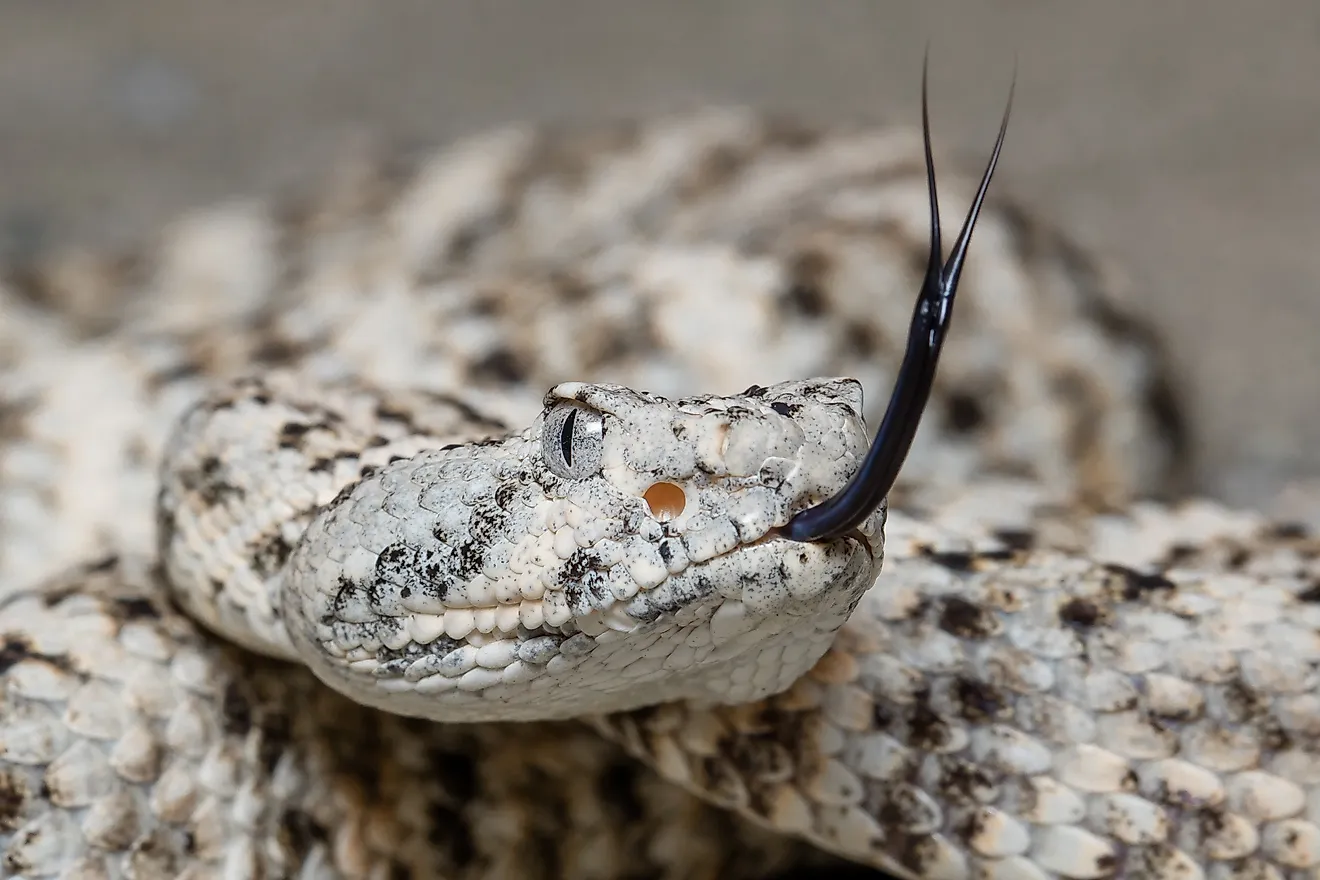
The northernmost rattlesnake in North America lives in the dry valleys of British Columbia. The Northern Pacific rattlesnake, a subspecies of the Western rattlesnake first described by John Edwards Holbrook as Crotalus oreganus in 1840, survives along the Thompson, Nicola, and Okanagan rivers. One group near Kamloops lives farther north than any other Crotalus species in the world. This population has probably been isolated from other rattlesnakes since the warm hypsithermal period about nine to five thousand years ago, when the snakes moved north in warmer times and then became stranded as the climate cooled. Karl Larsen, a biologist at Thompson Rivers University in Kamloops, told the CBC in 2018 that these snakes stretch the very idea of what a rattlesnake is, and that temperature alone, even before considering human impact, keeps them from moving farther north.
The prairie rattlesnake marks the northern edge out on the plains. Constantine Samuel Rafinesque named this species Crotalus viridis in 1818, based on a specimen that naturalist John Bradbury brought back from the Upper Missouri. In Canada, the snake reaches its limit in the river hills and coulees of southeastern Alberta and southwestern Saskatchewan, south of the Red Deer River and near Grasslands National Park. Rafinesque's locality notes were so vague, and both type specimens so thoroughly lost, that herpetologists spent the next two centuries trying to figure out which snakes he actually meant. A 2008 review in the journal Copeia only partly solved the confusion. The dry steppe climate sets the outer boundary for these snakes, and the local bedrock determines where they can dig the deep communal dens they need to survive the winter.
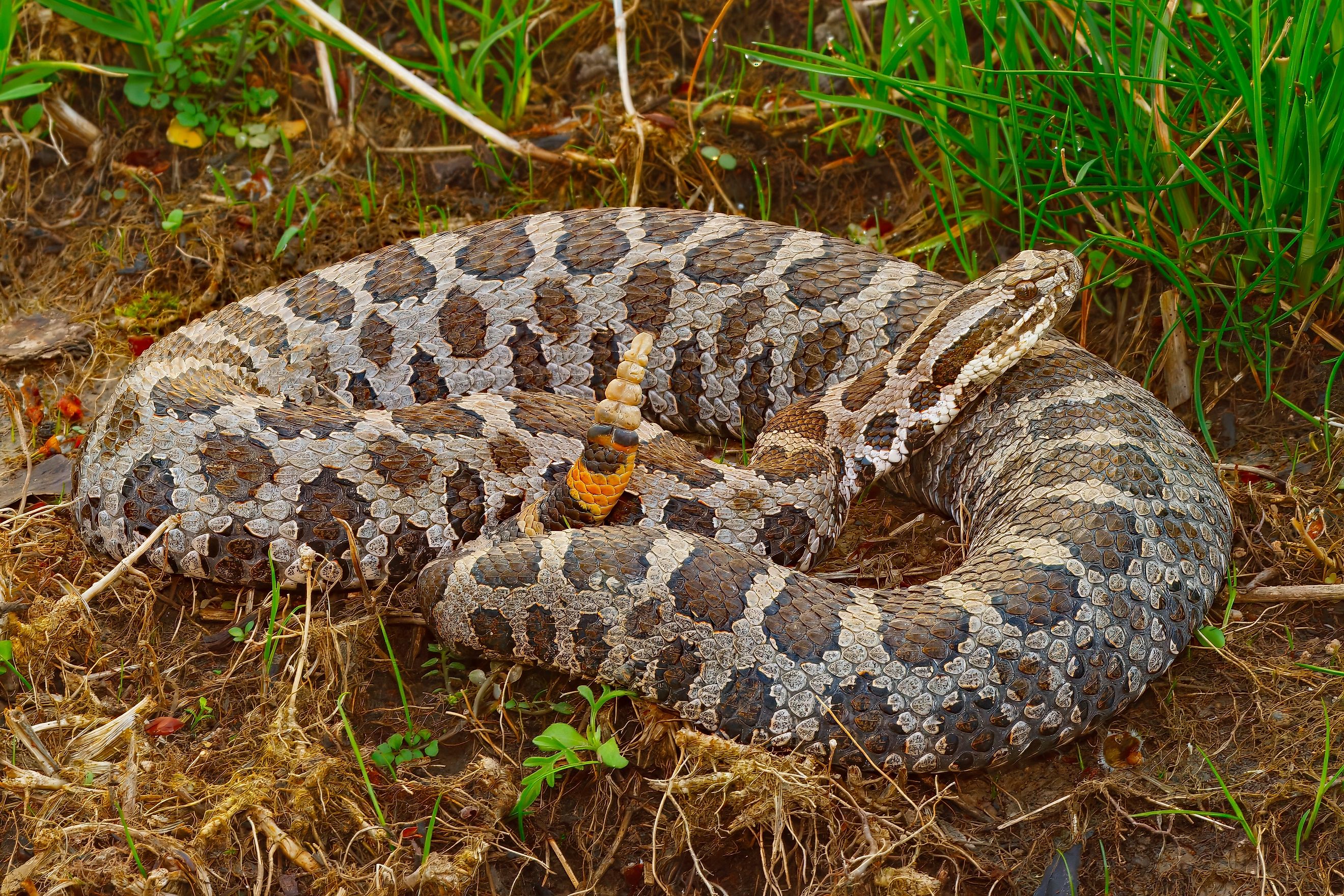
The eastern massasauga holds the edge in the east. Rafinesque described this smaller, thicker-bodied rattlesnake, Sistrurus catenatus, in the same 1818 paper. In Canada, it now survives only in southern Ontario: along the eastern shore of Georgian Bay, across the northern Bruce Peninsula, in the Wainfleet Bog near Lake Erie, and in one shrinking patch near Windsor. The northeastern Georgian Bay shoreline is about as far north as the species goes. The massasauga once lived much farther south and west through the United States, reaching the edge of the prairie and east into New York. However, road building and wetland drainage have reduced its Canadian range to a small fraction of what it once was. Even so, the Georgian Bay and Bruce populations are among the most secure anywhere for this species.
Dens and the Short Season

These snakes live or die by winter, not by summer. A rattlesnake at the northern edge spends more than half the year below ground, and in Ontario the massasauga hibernates from about mid-September to mid-May, which leaves a short active season to hunt, mate, and give birth before the cold closes in again. All three Canadian species gather in communal winter dens called hibernacula, and they return to the same ones year after year, to the same rock fissures, abandoned mammal burrows, or mossy peat hummocks that sit below the frost line and above the water table. Suitable dens stay rare at these latitudes, so dozens of snakes may depend on a single site, and the loss of one den can erase a local population within a generation.
Field research at the northern limit shows how fine the margin runs. Biologists tracking prairie rattlesnakes by radio telemetry in and around Grasslands National Park in Saskatchewan found that the snakes choose their resting spots at the scale of a single metre, favouring shrub cover and burrows and avoiding bare ground, because at this latitude a shrub or a burrow is the difference between a safe body temperature and lethal exposure. The snakes do not merely tolerate the cold edge. They work it, reading the ground more closely than any survey map could record.
Bites and the Numbers

Rattlesnake bites in Canada are rarely deadly. There have only been two recorded deaths, both from the Ontario massasauga over fifty years ago, and in both cases, the victims did not get proper treatment. About one in four rattlesnake bites is a dry bite with no venom, so most bitten hikers end up with just a scare and a lesson learned. The fear caused by a rattlesnake's rattle is much greater than the real risk.
Most rattlesnake bites happen in predictable ways. People usually get bitten when they handle a snake on purpose or put their hands or feet where they can't see, not because rattlesnakes go after them. In 2018, the Canadian Medical Association Journal reported on a healthy twenty-five-year-old man who was bitten on the big toe by a massasauga in eastern Georgian Bay. He developed a serious clotting problem that needed several doses of antivenom, but he made a full recovery. During one summer in the Parry Sound and Georgian Bay area, wildlife officials confirmed six massasauga bites, which they linked to increased snake movement during mating season and warm weather that brought both snakes and people outside.
Hospitals in areas with rattlesnakes have their own supply challenges. The West Parry Sound Health Centre acts as Ontario's main depot for massasauga antivenom, sending doses to hospitals throughout the region. This antivenom is hard to get, and many rural hospitals don't keep it in stock. Since Ontario has the only rattlesnake east of the prairies, it sees most of Canada's serious snakebites, so the province carefully manages its antivenom supply.
Staying Safe

A few simple habits can keep almost every encounter safe. Be careful where you put your hands and feet near rocks, grasslands, and wetlands. Wear boots and long pants in areas where snakes live, and never reach into crevices, woodpiles, or burrows without looking. If you see a rattlesnake, give it plenty of space and let it move away. A rattlesnake rattles to warn you and will only strike if it feels trapped. Don't try to handle, pin, or move a rattlesnake, and keep your dog on a leash near snake dens. Most bites happen when people make contact on purpose or step carelessly, not because the snake is lying in wait.
If you are bitten by a rattlesnake, treat it as a medical emergency and act quickly. Try to stay calm, keep the bitten limb still and at about the same level as your heart, and remove rings or tight clothing before swelling starts. Get to a hospital for antivenom as soon as possible. Don't use old remedies like cutting the wound, tying a tourniquet, sucking out the venom, or putting ice on the bite, as these can make things worse. Canadian emergency doctors know how to treat these bites, and most people recover, but it's important to get medical help right away instead of waiting.
The northern edge of rattlesnake habitat is already small, and it's shrinking. All three Canadian rattlesnake species are federally protected because they are at risk. They all face the same problems: losing their habitat, having their range broken up, roads cutting between their dens and feeding areas, and people still killing snakes that rattle. Larsen has warned that rattlesnakes in the Okanagan could disappear within a century if these problems aren't addressed. The rattle at the edge of its range quietly shows how far this desert animal has come into colder places, and how little space it has left.
The Bottom Line
The danger these snakes pose to people is small compared to the threats they face themselves. A hiker near Osoyoos or along Georgian Bay is unlikely to encounter a rattlesnake that would rather retreat unnoticed, while the animal remains vulnerable to traffic, habitat disturbance, and the destruction of its winter den. Small populations in the interior of British Columbia, across the Alberta and Saskatchewan plains, and among the rocky wetlands of Ontario mark the northern limits of rattlesnake range in Canada. Their survival in these cold regions depends on a fragile balance of suitable habitat and protection from human activity. Giving them space, avoiding their dens, and preserving the places where they shelter can help ensure that future hikers still have the chance to hear a rattlesnake's warning in the wild.