Who Were the Early European Modern Humans?
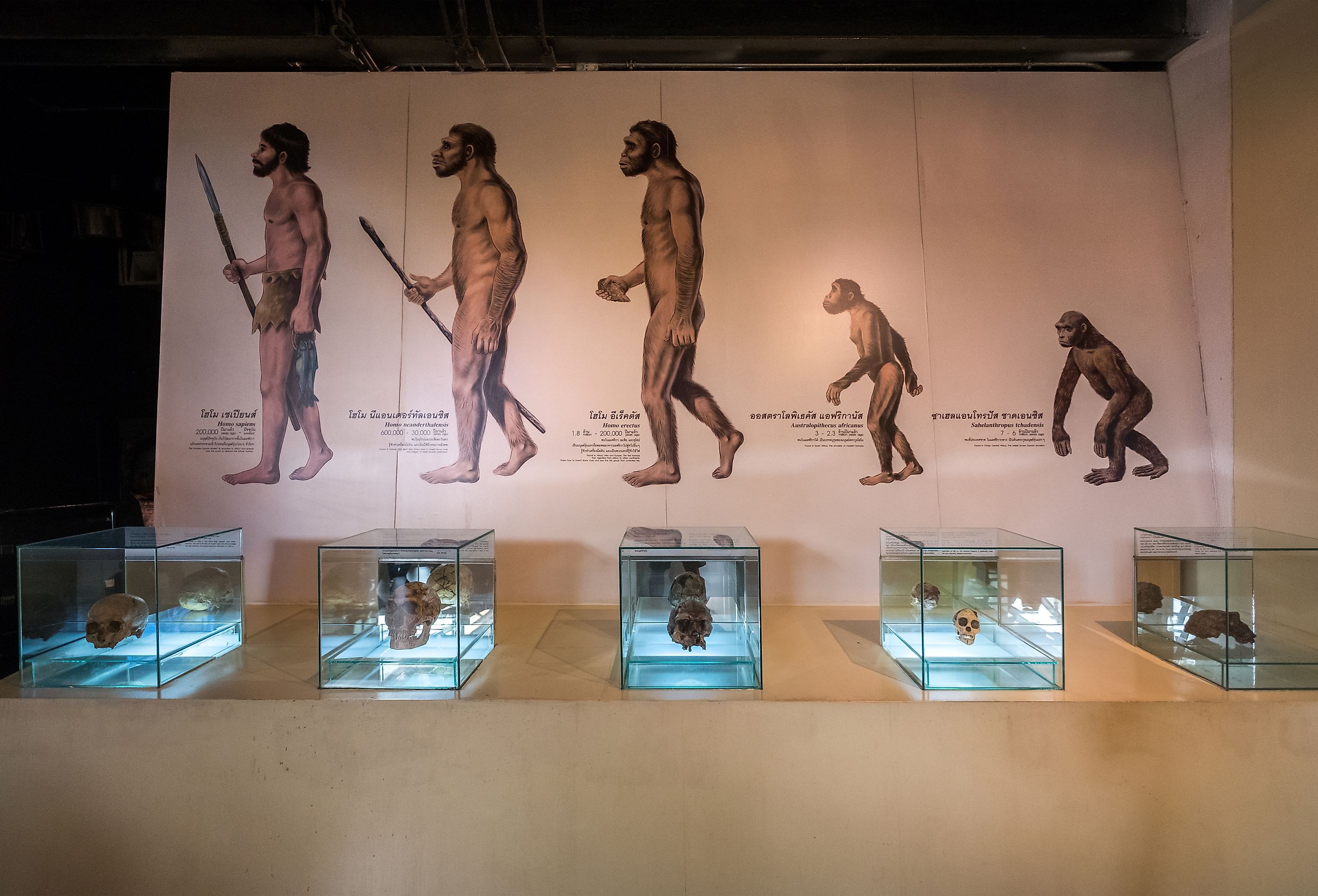
Early European modern humans were among the earliest Homo sapiens populations to live in Europe during the later part of the Ice Age. Older research often called them Cro-Magnons, a name taken from the Cro-Magnon rock shelter near Les Eyzies in southwestern France, where modern human remains were found in 1868. Today, researchers use terms such as early modern humans or Homo sapiens.
These groups entered a continent already occupied by Neanderthals. Fossils, tools, and genome studies date modern human activity in parts of Europe more than 45,000 years ago. Their remains and artifacts have been studied at sites including Bacho Kiro Cave in Bulgaria and Fumane Cave in Italy. The pattern doesn’t suggest one simple arrival. It points to early groups appearing in different regions during a period of cold climates, movement, and contact between human populations.
Early Homo Sapiens Communities in Europe

Early European modern humans lived in small groups and used local resources to survive. They were hunter-foragers, not settled farming communities. Their lives are known through scattered remains, tools, animal bones, and genome data rather than complete villages or written records.
The clearest clues come from what each site preserved. In northern Italy, animal remains show that early modern humans used ibex and chamois from nearby rocky terrain, likely during late spring or summer. In colder northern settings, human remains and stone tools connect Homo sapiens with environments that were difficult to occupy. In France, the Cro-Magnon remains include several individuals accossicated with personal ornaments, including marine shells. These finds describe mobile groups adapting to local conditions rather than one uniform population living the same way across the continent.
The First Homo Sapiens Arrivals in Europe

Modern humans were present in Europe more than 45,000 years ago, during the early Upper Paleolithic period. Researchers estimate this timing by comparing radiocarbon dates, tools, and genome data from early finds. The dates do not point to one clear entry event. They reveal early traces across different parts of the continent.
This timing also means Homo sapiens were in Europe before Neanderthals disappeared. According to a genome study published in Nature in 2024, modern humans arrived in Europe more than 45,000 years ago and overlapped with Neanderthals for at least 5,000 years. The same broad period includes direct dates from Bacho Kiro Cave between about 45,930 and 42,580 years ago. Their arrival unfolded under Ice Age conditions, with populations appearing in separate regions before modern humans became more widely established.
Early Sites Across Europe

Early modern human remains and artifacts have been found across several parts of Europe. At Bacho Kiro Cave in Bulgaria, researchers identified Homo sapiens remains from Initial Upper Paleolithic layers dated to roughly 45,930 to 42,580 years ago. Genetic results from those individuals indicate recent Neanderthal ancestry.
Ranis in Germany shows Homo sapiens in a colder part of Europe by about 45,000 years ago. The layers with human material also include Lincombian-Ranisian-Jerzmanowician stone tools, such as blades and leaf-shaped points. Evidence from Willendorf in Austria dates modern human occupation north of the Alps to around 43,500 years ago. Farther west, the Cro-Magnon rock shelter in France preserves a later set of early modern human remains.
What Do Early Modern Human Genes Reveal About Neanderthal Contact?

The 2021 genome study published by Mateja Hajdinjak et al. in Nature shows that early European modern humans had contact with Neanderthals. At Bacho Kiro Cave, several early Homo sapiens individuals carried Neanderthal ancestry from only a few generations earlier. The evidence doesn’t show whether Neanderthals and Homo sapiens lived in the same communities or worked together in daily life, but it does show that some groups came into contact and interbred.
Other early genomes complicate the picture further. The first modern human groups in Europe weren’t all closely related to one another. Some also didn’t leave clear genetic ties to later European populations. The genetic material points to movement, contact, and population turnover during the early Upper Paleolithic. It doesn’t support a simple replacement of Neanderthals by one expanding modern human group.
Origins Beyond Europe

Early European modern humans were part of the wider Homo sapiens expansion out of Africa. One pathway was the Levantine route, which stretched from Africa through the eastern Mediterranean and into Eurasia. The Levant encompasses areas along the eastern end of the Mediterranean, including Lebanon, Syria, and other regions. At Ksâr ‘Akil in Lebanon, modern human remains and Upper Paleolithic tools suggest Homo sapiens traveled this corridor around the same broad period as the earliest traces in Europe.
That doesn't mean every early modern human group in Europe followed one path. Genetic studies from European remains show more than one early population, and some groups didn't clearly continue into later Europeans. The Levantine route helps explain one major path into Europe, while the fossil and genome record still describes a complicated spread after arrival.
Ice Age Landscapes in Europe

Early modern humans arrived in Europe more than 45 millenia ago, during a particularly cold part of the Ice Age, but they did not encounter a uniform landscape. North of the Alps, sites such as Willendorf and Ranis place Homo sapiens in open, steppe-type environments. These areas had grassland, exposed ground, and limited tree cover.
Northern Italy presents a different setting. At Fumane Cave, early modern humans used a landscape close to rocky and mountainous habitats. Ibex and chamois appear in the animal remains there. The site was likely used during warmer parts of the year, rather than occupied continuously across all seasons.
Survival Through Movement and Toolmaking

Survival depended on movement. Early European modern humans followed animals, returned to useful areas during warmer parts of the year, and made tools suited to local conditions. A study of the Fumane Cave site offers the clearest example. Using the remains of ibex and chamois, animals likely were killed in the spring and summer within the area. For early modern humans, hunting meant working with seasonal access, not staying in one place year-round.
Their tools also reflect practical adaptation. Blade-based technologies and leaf-point tools appear in different early sites, which suggests that groups did not rely on one standard toolkit across Europe. Stone edges could be used for cutting, butchery, and processing animals. The mix of animal remains, toolmaking, and seasonal activity describes a way of life built around mobility and local terrain.
Why the Early European Record Matters

Early European modern humans change the timeline of human presence in Europe. They place Homo sapiens on the continent while Neanderthals were still living there, including in regions with cold conditions and difficult terrain. The early Upper Paleolithic was not a clean handoff from one human group to another.
Their genomes also change how that transition is understood. Some early individuals had recent Neanderthal ancestry, while other early modern human groups don’t appear to have left direct genetic links to later Europeans. The earliest Homo sapiens in Europe weren’t one expanding population replacing Neanderthals in a straight line. They belonged to a shifting pattern of contact, movement, and population change.
A Complicated Beginning for Modern Humans in Europe
By more than 45,000 years ago, modern humans had begun establishing themselves in Europe. Their arrival did not happen as one clear event. The early traces are spread across regions, environments, and short-lived populations, with Homo sapiens living beside Neanderthals for thousands of years.
The first modern humans in Europe adapted to Ice Age settings that included cold northern areas, open landscapes, and rocky terrain. Genome studies show both Neanderthal ancestry and early modern human groups that did not clearly continue into later European populations. Modern humans were already present, mobile, and adapting to Europe long before Neanderthals disappeared.