10 of the Fastest Snakes in the World
You cannot outrun every snake. Snakes get filed under "slow and slithery," but the fastest ones move quicker than a jogging human, and they do it without a single leg. Speed is survival out here: it is how a desert rattler crosses scorching sand, how a mamba clears a threat, and how a racer runs down lunch. Below are ten of the fastest snakes on Earth, ranked by top speed, each with its own trick for turning a body into an engine.
Sidewinder (Crotalus cerastes) - 18 mph (29 kph)

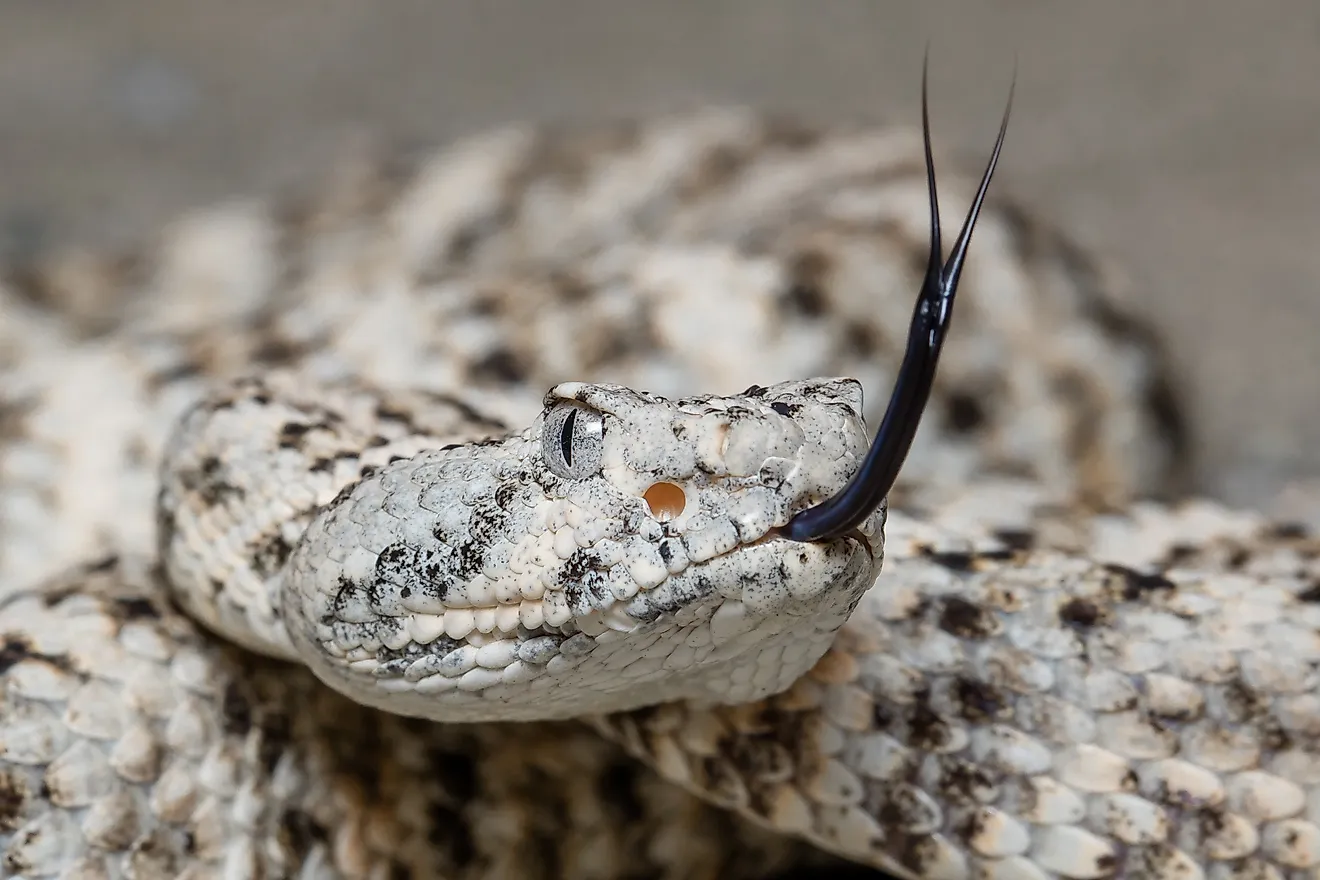
The sidewinder does not slither so much as gallop. Also called the horned rattlesnake for the scaly projections above its eyes, this pale desert dweller of the Southwestern United States and Northwestern Mexico throws its body into a series of looping S-curves and touches the sand at only two points at a time, keeping most of itself off ground that can hit oven temperatures. That trick lets it hit around 18 mph, and by many measures it is the fastest snake alive, though the black mamba holds the official Guinness record for open ground.
The speed is for escape, not the hunt; this is an ambush predator that buries itself and waits for small mammals, lizards, and birds to wander close. Its venom causes tissue damage and bleeding, and while it is not aggressive, it will strike if you crowd it. The takeaway: on loose sand, a sidewinder can briefly outrun you.
Black Mamba (Dendroaspis polylepis) - 12 mph (19 kph)

Forget the internet myth that mambas hit 20 mph; the real figure is about 12, and that is still the Guinness World Record for the fastest snake on open ground. Africa's most feared serpent is a slender, streamlined giant, reaching up to 14 feet, and it gets its name not from its skin, which runs gray to olive-brown, but from the inky black interior of its mouth, which it gapes as a warning.
The black mamba uses that speed to flee, not to chase, and it will almost always choose escape over confrontation. Corner one, though, and it delivers a fast series of bites loaded with potent neurotoxins. It is a snake best admired from a generous distance.
Eastern Brown Snake (Pseudonaja textilis) - 12 mph (19 kph)

Australia's eastern brown snake pairs speed with one of the deadliest venoms on the continent, which is a nerve-racking combination. Slender and up to seven feet long, it thrives wherever rodents do, which increasingly means backyards and farm sheds across Eastern and Central Australia. Its color runs from pale tan to nearly black.
Matching the mamba at around 12 mph, the eastern brown can run down small mammals, birds, and reptiles, and it does not spook easily. Its venom carries neurotoxins and coagulants that hit fast and hard in humans. Usually it would rather flee than fight, but a cornered eastern brown turns bold, which is exactly why it accounts for so many serious bites Down Under.
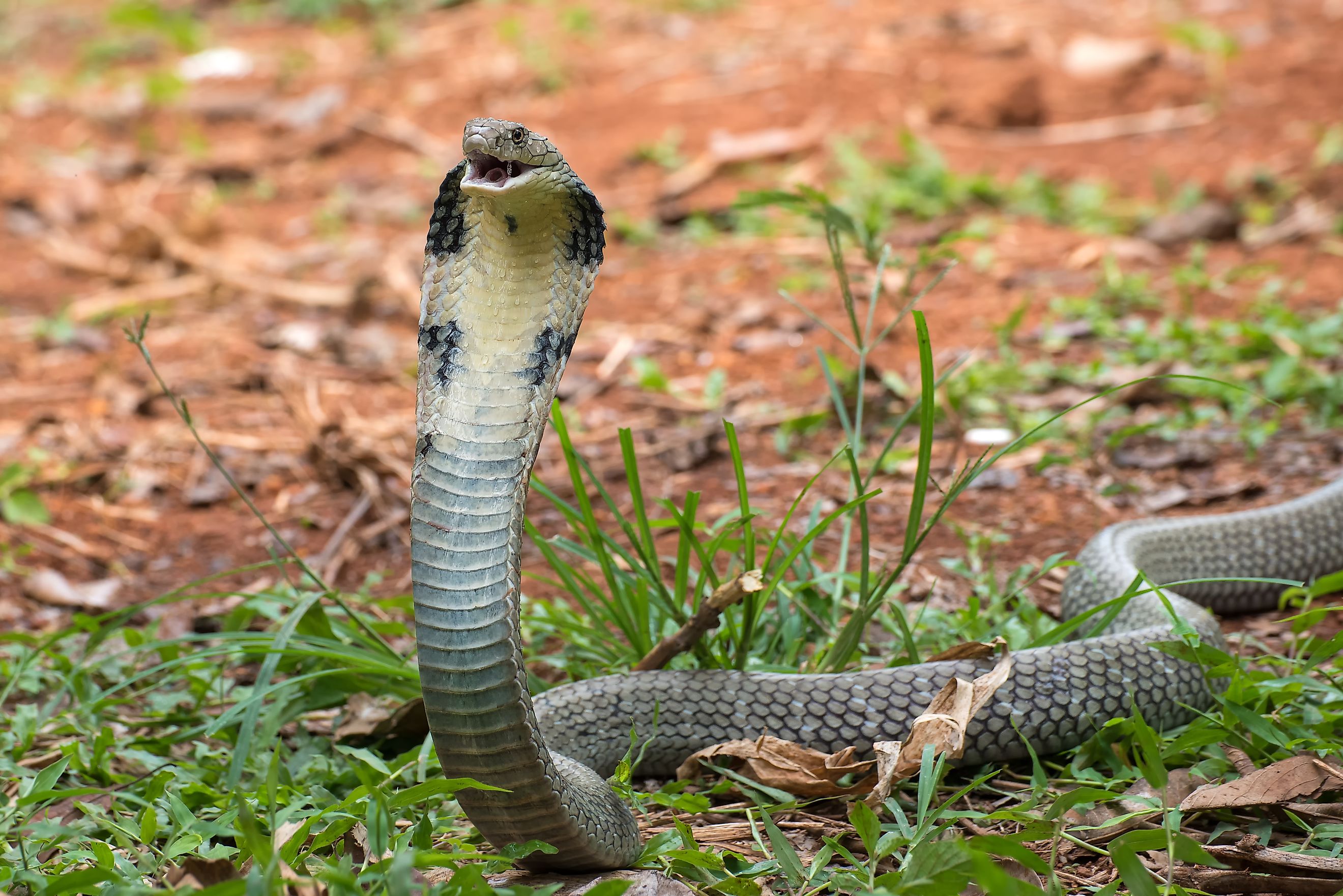
King Cobra (Ophiophagus hannah) - 12 mph (19 kph)

The world's longest venomous snake is also a genuine sprinter. Stretching up to 18 feet, the king cobra haunts the forests and bamboo thickets of Southeast Asia and India, spots movement from as far as 330 feet away, and can raise a third of its body off the ground to look a full-grown person in the eye. It moves at roughly 12 mph when it needs to.
It uses that pace to close on its favorite meal, other snakes, along with lizards and small mammals. The neurotoxic venom can shut down breathing in a serious bite, and there is a lot of it per strike. Still, the king cobra is shy by nature and would rather glide away than engage, reserving that famous upright hood for when it has run out of other options.
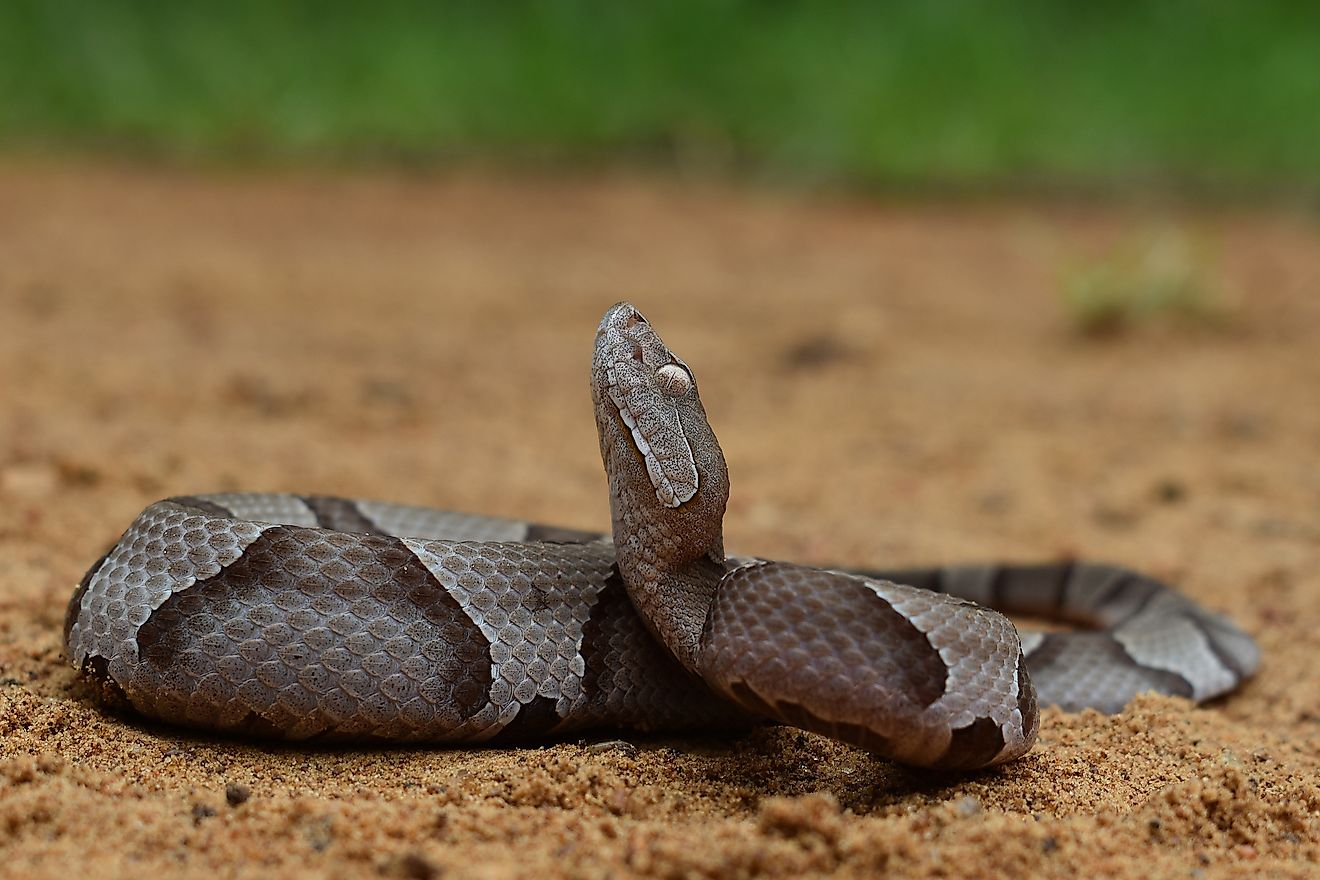
Cottonmouth Viper (Agkistrodon piscivorus) - 7 mph (11 kph)

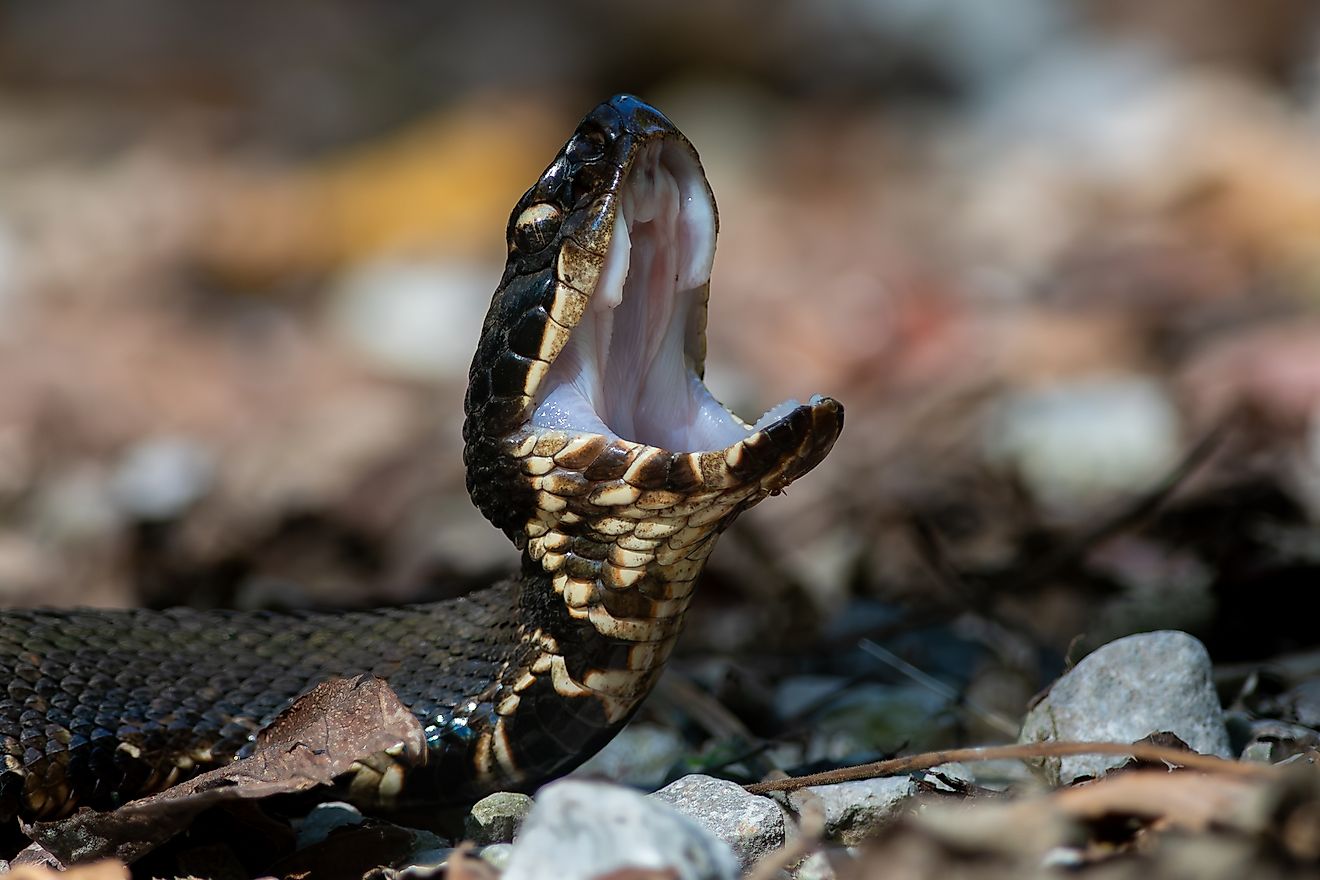
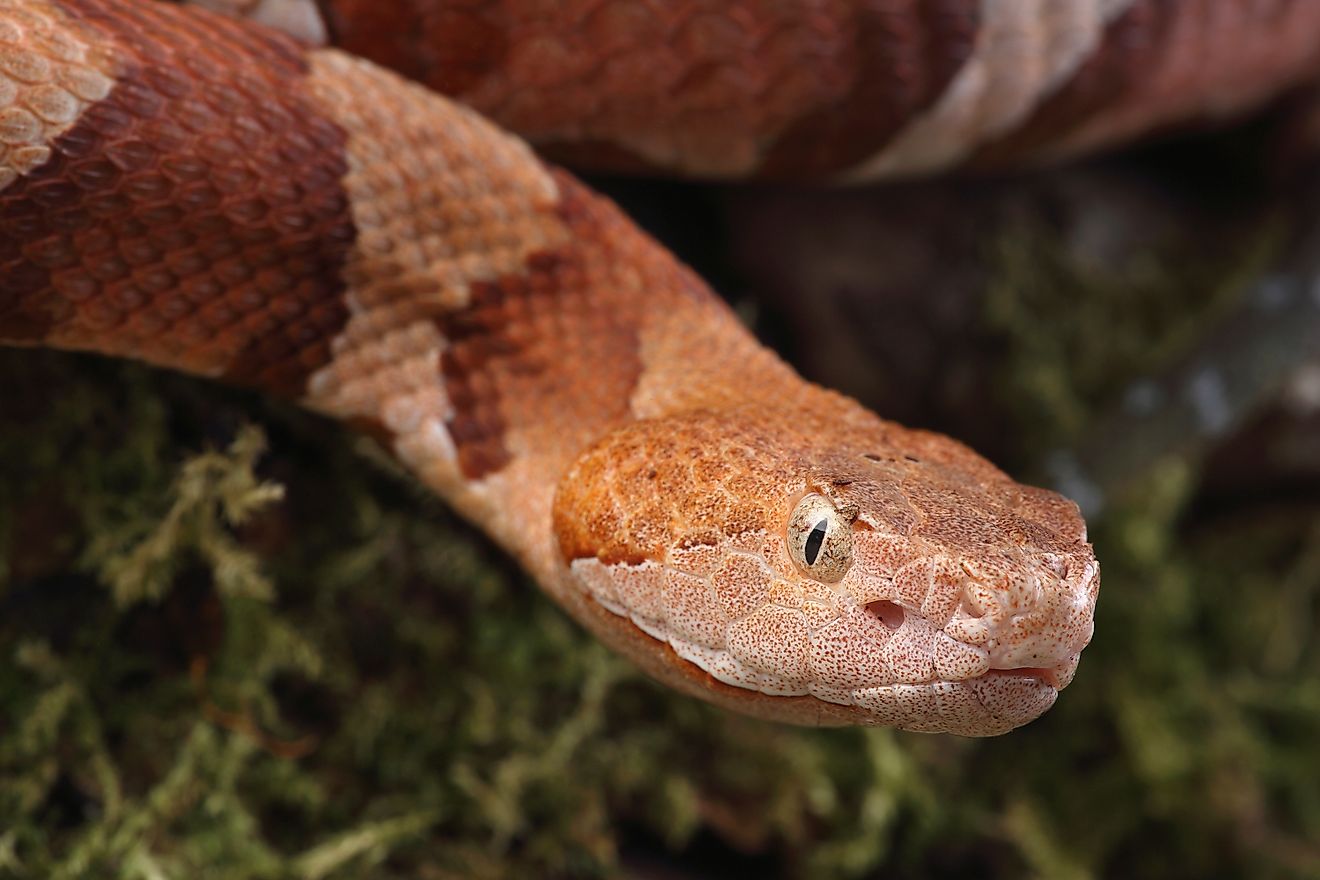
The cottonmouth, better known as the water moccasin, is built for the water more than the road. Thick and muscular, this Southeastern United States native works the swamps, rivers, and lake edges, basking on logs by day and swimming with surprising ease. Its calling card is the pale-white mouth lining it flashes as a warning, which is where the name comes from.
On land it manages about 7 mph, but in the water it really moves, making it an efficient hunter and a slippery escape artist. The good news is that cottonmouth bites are rarely fatal to people. The venom is hemotoxic, damaging tissue and disrupting clotting, so a chasing cottonmouth is still one to take seriously and give room.
Texas Rat Snake (Elaphe obsoleta lindheimeri) - 6 mph (10 kph)

The Texas rat snake is the helpful neighbor of this list, a non-venomous native of Texas and its neighboring states that keeps rodent numbers in check around farms and buildings. Growing up to six feet, patterned in gray, brown, and black, it is also a skilled climber that will happily disappear up a tree or into a barn rafter.
At around 6 mph, it is quick enough to catch rodents, birds, and eggs, and quick enough to vanish before you get a good look. It has no venom and no interest in people; if anything, having one nearby is free pest control.
Coachwhip (Masticophis flagellum) - 4 mph (6 kph)

The coachwhip is named for its looks, a long, slender body with braided-looking scales and a dark head fading into a tan or reddish tail that really does resemble a leather whip. It hunts by sight across the open deserts, grasslands, and scrub of the southern United States, Mexico, and Central America, and can stretch up to eight feet.
Around 4 mph does not sound fast, but paired with sharp eyesight and an active, cruising hunting style, it is plenty to run down lizards, small mammals, birds, and insects. Non-venomous but feisty, a cornered coachwhip may strike again and again, though its first move is almost always to bolt.
Southern Black Racer (Coluber constrictor priapus) - 4 mph (6 kph)

Sleek, black, and always on the move, the southern black racer is the daytime hustler of the southeastern United States, working forests, fields, wetlands, and suburbs with equal ease. It grows to about five feet, wears a white chin, and climbs and swims about as well as it runs.
At roughly 4 mph it chases down insects, frogs, lizards, small mammals, and birds, and outruns most threats. Corner one and it will buzz its tail against the leaves like a rattlesnake impersonator and strike, but the bite is harmless to humans. It is a genuine asset to any yard, quietly keeping the pests down.
Western Yellow-Bellied Racer (Coluber constrictor mormon) - 4 mph (6 kph)

The southern racer's western cousin runs the grasslands, forests, and shrublands of the Western United States, and it is easy to tell apart by the bright yellow-green wash across its belly. Slim and up to six feet long, it is a restless daytime hunter that thinks nothing of climbing into a shrub after a meal.
Cruising at about 4 mph, it favors small birds and land mammals and relies on speed and cover to stay off the menu itself. Non-venomous and no threat to people, it will flee first and, if truly cornered, fall back on the same tail-buzzing, mock-strike bluff its relatives use.
Boomslang (Dispholidus typus) - 4 mph (6 kph)

Slowest on the ground does not mean harmless. The boomslang of Sub-Saharan Africa spends its life in the trees, where its huge eyes and precise, arboreal movement matter more than raw speed. Males are a startling bright green, females a muted brown or olive, and both grow to about six feet.
Its ground pace tops out near 4 mph, but the boomslang does its best work gliding branch to branch after birds, eggs, lizards, and small mammals. Behind that shy demeanor sits a genuinely dangerous secret: hemotoxic venom potent enough to disrupt clotting throughout the body. Bites are rare and almost always the result of handling, and with prompt antivenom, fatalities are rarer still.
The Fastest of the Slitherers
Speed in snakes is a study in workarounds. With no legs to sprint on, each of these ten reengineered the same basic body into something quick: the sidewinder into a sand-galloper, the mamba into an open-ground record-holder, the racers and coachwhips into daylight pursuit hunters, the boomslang into an aerial acrobat. None of them will chase you down a highway, but a few could give you a real run over short, rough ground, which is reason enough to give any fast snake the space it is clearly asking for.