Marabou Stork
The Marabou Stork is one of the most unmistakable birds in Africa, a towering scavenger with a bald pink head, a dagger of a bill, and a wingspan that ranks among the widest of any land bird alive today. Standing roughly five feet tall, it looms over waterholes, rubbish dumps, and savanna carcasses with a hunched, cloaked posture that has earned it the grim nickname the undertaker bird.
Native to sub-Saharan Africa, the Marabou Stork (Leptoptilos crumenifer) belongs to the stork family Ciconiidae, yet it behaves less like a graceful wader and more like a vulture in stork's clothing. It patrols the skies at great heights, follows other scavengers to fresh kills, and thrives around people, especially at landfills and fishing villages where scraps are plentiful.
Ugly to some and magnificent to others, this bird rewards a closer look. Its odd appearance is the product of ruthless adaptation, and its role in the African ecosystem is far more valuable than its reputation suggests.
Taxonomic Classification

The Marabou Stork sits within the kingdom Animalia, the class Aves, and the order Ciconiiformes, which contains the storks. Its family is Ciconiidae, the true storks, and its genus is Leptoptilos, a small group of enormous tropical storks known collectively as adjutants. The genus name comes from Ancient Greek and translates roughly as thin feather, a reference to the delicate plumes these birds carry beneath the tail.
The French naturalist René Lesson described the species in 1831, placing it alongside two Asian cousins, the greater adjutant and the lesser adjutant, in the newly created genus Leptoptilos. For many years the bird appeared in books as Leptoptilos crumeniferus, but taxonomists later corrected the ending to match the grammatical gender of the genus, so the currently accepted name is Leptoptilos crumenifer. The species epithet nods to the fleshy pouch at its throat and is often translated as carrier of a money bag. The Marabou Stork is monotypic, meaning no subspecies are recognized across its wide African range.
Physical Description

Everything about the Marabou Stork is built on a large scale. Adults stand about five feet (1.5 m) tall and can weigh close to 20 pounds (roughly 9 kg), although most birds fall between about 9 and 18 pounds (4 to 8 kg). The wingspan is the headline feature. It usually measures between 7.4 and 9.4 feet (2.25 to 2.87 m), and exceptional individuals have been reported approaching 12 feet (3.7 m), placing this stork among the broadest-winged of all land birds, alongside certain pelicans and condors.
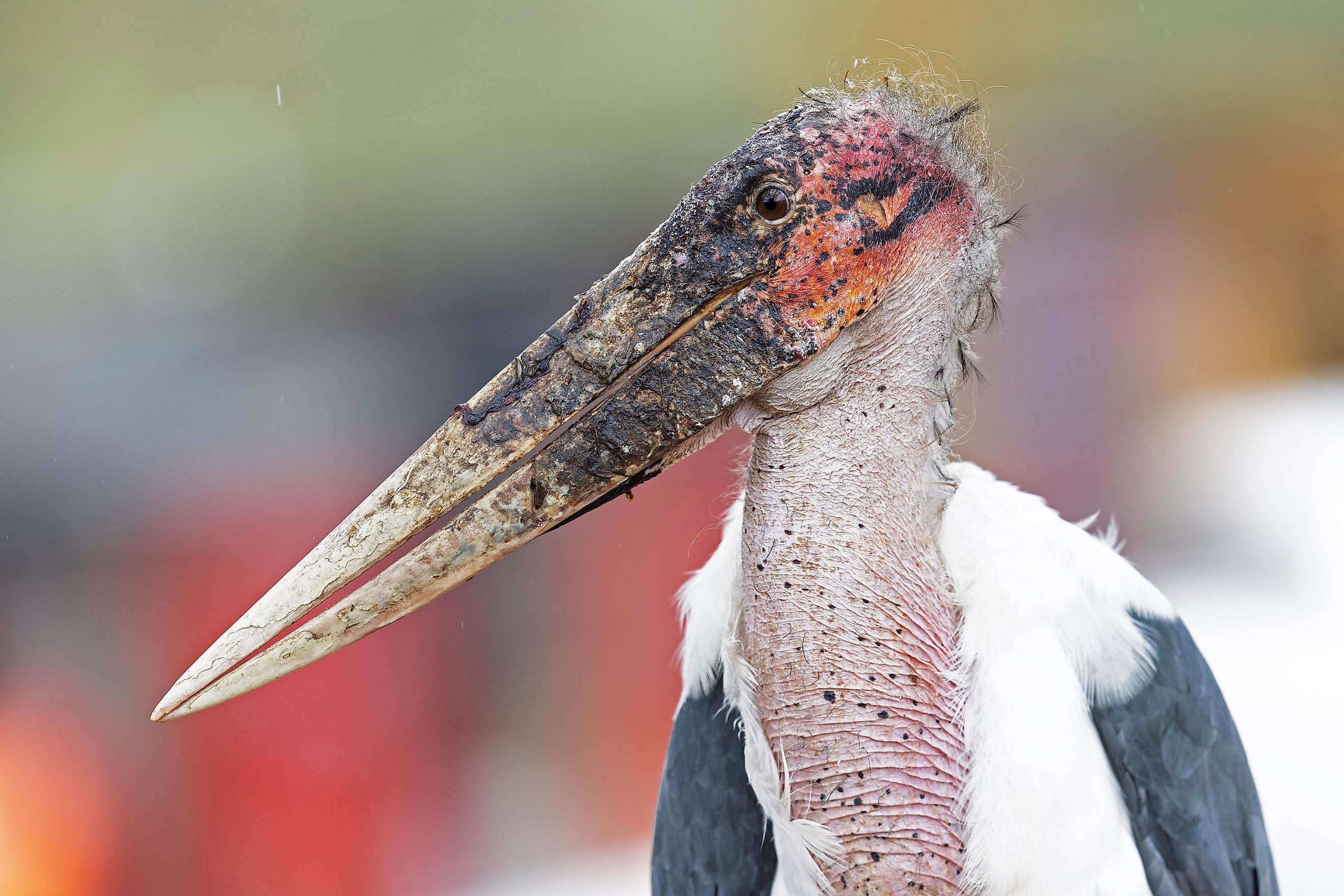
The body is cloaked in slate-grey to black wings and a back that contrasts sharply with a clean white underside. The most striking part is the head. Both the head and neck are largely bare, with pinkish, wrinkled skin that looks sunburned and is scattered with dark blotches. This nakedness is an adaptation, not a defect. A featherless head stays cleaner when the bird plunges its face into a rotting carcass, since there is no plumage to clog with blood and tissue.
Below the throat hangs a long, inflatable pink air sac, the gular pouch, which can stretch to more than a foot in length. Contrary to a common assumption, this pouch is not used to store food. The bird also carries a smaller reddish air sac at the back of the neck. The bill is massive and wedge shaped, measuring roughly 10 to 14 inches (26 to 35 cm), a formidable tool for tearing hide and bolting down meat. The long legs often appear whitewashed, a look created by the bird's own droppings rather than by natural color. Males and females look nearly identical, though males average slightly larger, and young birds are browner with smaller bills.
Range and Habitat

The Marabou Stork ranges across sub-Saharan Africa, present in the Sahel of the north and reaching as far south as South Africa. It is one of the most familiar large birds across this vast region and shows no shortage of adaptability when it comes to where it lives.
These storks occupy open dry savannas, grasslands, riverbanks, lakeshores, swamps, and the shrinking pools that form as the dry season advances. They are equally at home in wetlands and arid country, and they have taken enthusiastically to landscapes shaped by humans. Rubbish dumps, abattoirs, and fishing villages draw large gatherings, because these places offer a steady supply of the waste and offal that make up so much of the bird's diet. In several African cities the species has become a fixture, roosting on rooftops and stalking the edges of markets. This willingness to live beside people sets the Marabou Stork apart from many large birds whose ranges have contracted as human settlement expanded.
Diet

The Marabou Stork is first and foremost a scavenger, and carrion forms the bulk of its diet. Soaring high over open country, often trailing vultures that lead it to a kill, it descends on the carcasses of antelope, buffalo, and other large mammals. Its heavy bill can break into a hide, which speeds up the decomposition of the body and opens the carcass for smaller scavengers that cannot pierce the skin on their own.
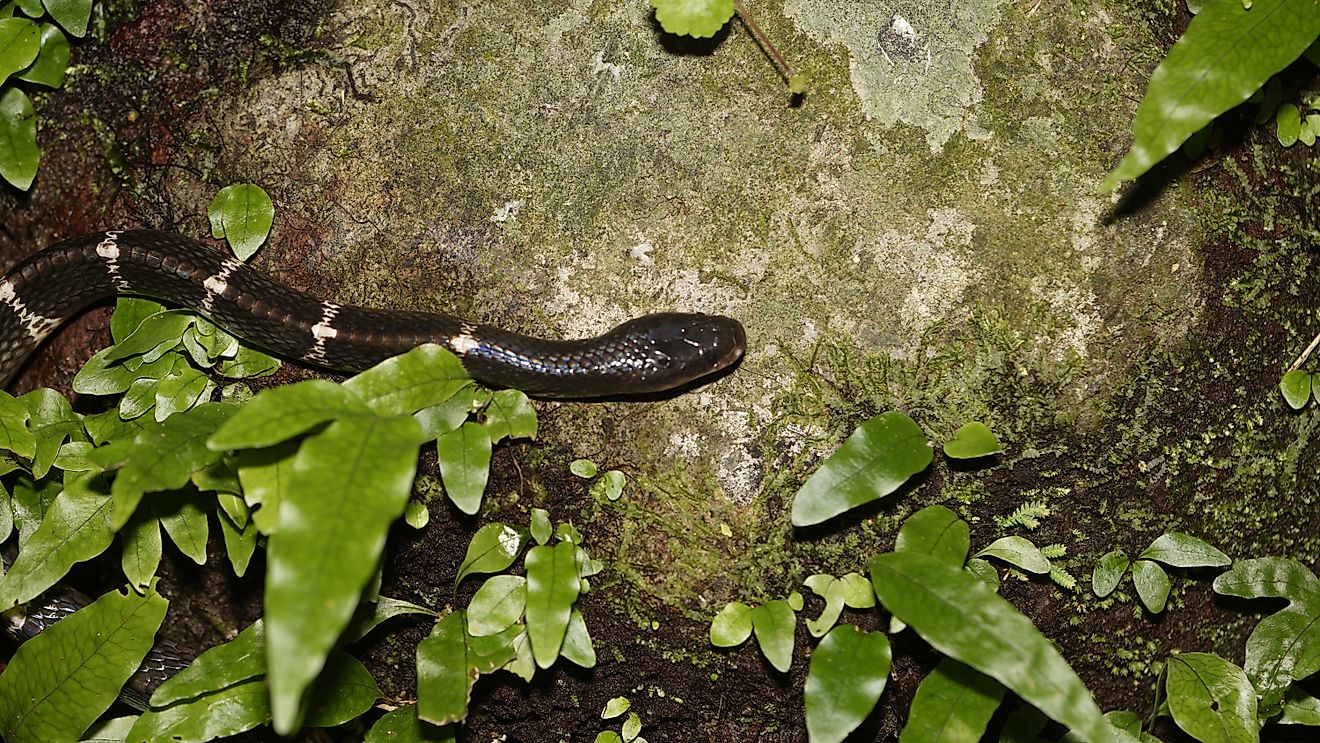
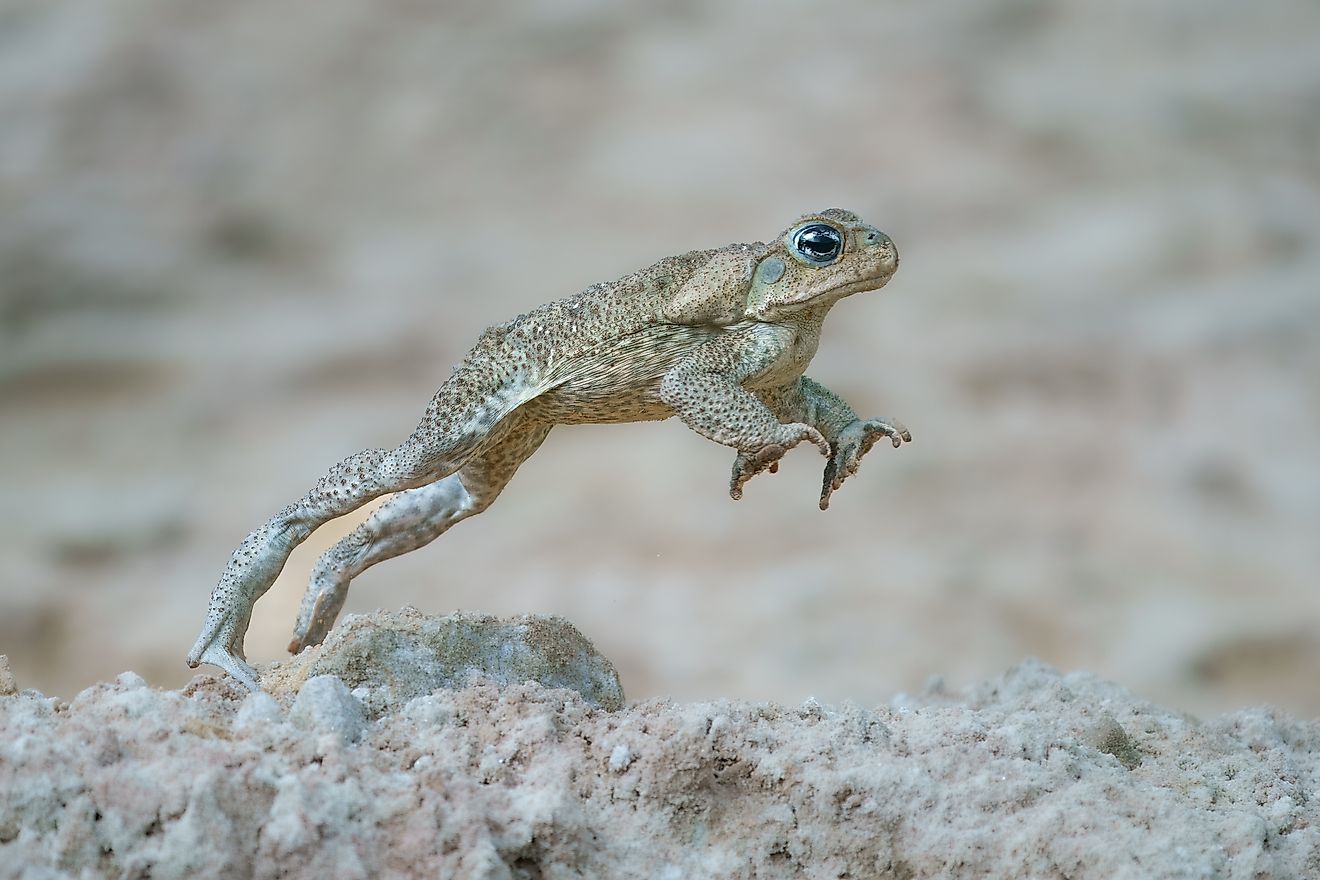
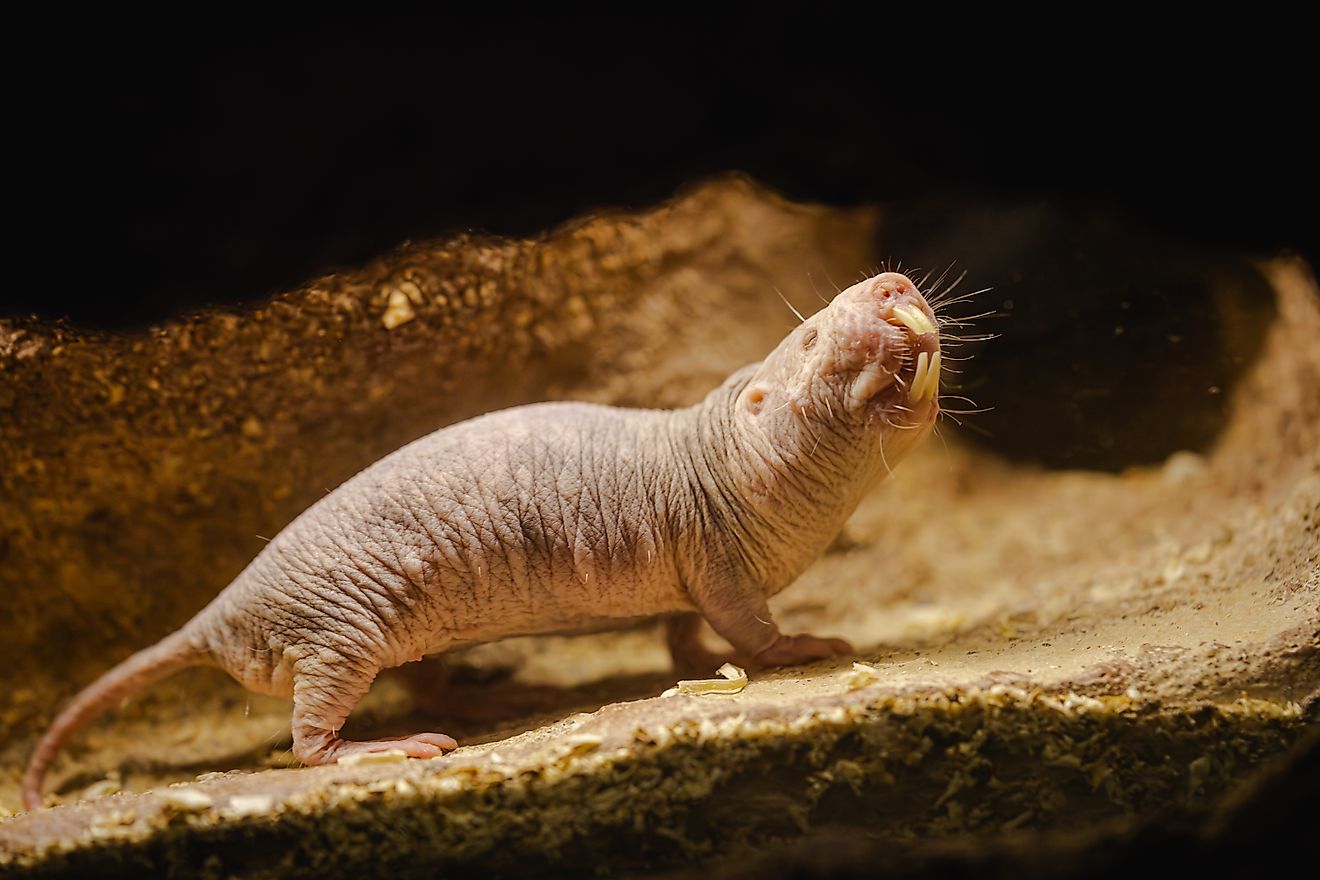
Its appetite extends well beyond the dead. The Marabou Stork readily takes live prey, including fish, frogs, snakes, lizards, rats, mice, and large insects such as termites and locusts. It is frequently seen standing on termite mounds swallowing swarming insects, and it will march ahead of a grass fire to snatch animals fleeing the flames. Remarkably, it also preys on other birds, taking pigeons, doves, pelican and cormorant chicks, and even adult flamingos when the opportunity arises. It plunders the nests of colonial waterbirds for eggs and young.
Around people, the bird becomes a bold opportunist, gulping down household waste and offal at dumps and slaughterhouses. Adults need to eat more than 700 grams (about 1.6 pounds) of food each day, and their elastic stomach lining allows them to swallow surprisingly large chunks in a single gulp. During the breeding season the diet shifts toward small live prey such as fish and frogs, because growing chicks need fresh food rather than carrion.
Behavior

Marabou Storks are social birds that gather in large groups at feeding sites and roosts, frequently perching together in tall trees. They spend much of the day soaring, riding thermals to great altitude in search of food, and observers have recorded them flying at heights of many thousands of feet. In flight the Marabou Stork breaks the usual stork mold. Rather than holding its neck outstretched, it pulls its head back into an S shape like a heron, probably to balance the considerable weight of its bill and to fly more efficiently.
These storks are famously quiet. They lack the vocal apparatus for true calls, so instead of singing they communicate through mechanical sounds, mainly by clattering the two halves of the bill together and by producing grunts and croaks with the inflatable throat pouch. Around carcasses and at the nest, especially during the breeding season, they can turn aggressive, squabbling with one another and occasionally snapping at people who come too close.
One of the bird's stranger habits is a cooling technique known as urohidrosis. In the African heat, the Marabou Stork excretes onto its own legs, and as the liquid evaporates it draws heat from the body and helps regulate temperature. This behavior, shared with vultures and other storks, explains the pale, chalky coating that so often covers the legs.
Reproduction

Marabou Storks are monogamous and form strong pair bonds that can last for life. They breed in colonies, sometimes alongside other large waterbirds, and timing is tied closely to the dry season. As pools shrink and water levels drop, prey becomes concentrated and easy to catch, which gives parents a reliable food supply for their young.
Courtship involves display and posturing in which the gular pouch and the throat sac play a visual and vocal part. Pairs build a platform of sticks, usually in a tall tree or on a cliff, and the female typically lays two or three eggs. Both parents share incubation and care of the nestlings, feeding them regurgitated food and defending the site. The chicks grow slowly and depend on their parents for an extended period. Young Marabou Storks do not reach full maturity until around four years of age, at which point they acquire the bare head, heavy bill, and full size of an adult. In the wild the species commonly lives around 25 years, and birds in captivity have reached ages of about 40 years or more.
Importance to the World

For all its off-putting habits, the Marabou Stork performs a service that few animals can match. As a large and efficient scavenger, it removes carrion from the landscape and accelerates the breakdown of dead animals. By tearing open carcasses with its powerful bill, it makes food accessible to smaller scavengers and helps clear material that would otherwise rot and spread disease.
In this sense the Marabou Stork acts as part of nature's sanitation crew, working alongside vultures to keep African ecosystems clean. Its appetite for insect swarms, rodents, and refuse also brings practical benefits, curbing pests and clearing waste around human settlements. In parts of East Africa, where feral dog numbers have raised public health concerns, scavenging birds like the Marabou Stork have taken on an even larger share of the cleanup role. The species is a reminder that ecological value and physical beauty are two different things, and that the least glamorous animals are sometimes the most useful.
Threats and Conservation

The Marabou Stork is currently listed as Least Concern on the IUCN Red List, and its outlook is far brighter than that of many large birds. The global population is large, numbering at least tens of thousands of mature individuals, and the overall trend appears to be increasing. Unlike many species that suffer as people alter the land, the Marabou Stork has adapted to human presence and often benefits from the waste and open ground that development creates.
That resilience does not make the bird immune to harm. Local pressures can include poisoning, whether accidental or aimed at other scavengers, along with habitat disturbance, persecution, and the hazards of feeding at unsanitary dumps. Even so, the species faces nothing close to the crisis affecting its Asian relatives, the greater and lesser adjutants, which are far rarer and more threatened. For now the Marabou Stork stands as a scavenger success story, holding its ground and even expanding in a continent where many large birds are in retreat.
Takeaway
The marabou stork demonstrates the value of adaptations that may look ungainly to human eyes. Its bald head, heavy bill, and hunched frame can seem grotesque, yet each feature serves a practical purpose. Its featherless neck helps keep it clean while feeding at carcasses, while its broad wings allow it to travel efficiently across open landscapes. The species thrives in places where other large birds struggle, adapting to human-altered environments and turning waste and carrion into food. By consuming decaying remains, it helps limit the spread of disease and supports the wider community of scavengers. Often judged by its appearance, the marabou stork is better understood as a highly effective and ecologically important survivor.
Fun Facts

- They cool off in a startling way. Marabou storks practice urohidrosis, excreting onto their own legs so that evaporation lowers their body temperature. This habit gives their grey legs a chalky white coating.
- The throat pouch is not a lunchbox. The pink gular sac hanging from the neck can inflate to more than a foot long, yet it stores no food and instead serves in courtship and social display.
- They fly like herons, not storks. Most storks fly with the neck stretched out, but the Marabou Stork tucks its head back into an S shape, likely to balance the weight of its heavy bill.
- Their feathers once graced high fashion. The soft down beneath the tail, known as marabou, was prized for trimming hats, scarves, and gowns.
- They are nearly voiceless. Lacking the vocal apparatus for true calls, these storks communicate mainly by clattering their bills and grunting through the throat pouch.
- They can swallow enormous mouthfuls. An elastic stomach lining lets a Marabou Stork gulp down large chunks of meat in a single swallow.
Quick Facts
- Scientific name: Leptoptilos crumenifer
- Family: Ciconiidae (storks)
- Order: Ciconiiformes
- IUCN status: Least Concern, population increasing
- Height: up to about 5 feet (1.5 m)
- Wingspan: typically 7.4 to 9.4 feet (2.25 to 2.87 m), with exceptional birds reported near 12 feet (3.7 m)
- Weight: about 9 to 20 pounds (4 to 9 kg)
- Bill length: about 10 to 14 inches (26 to 35 cm)
- Lifespan: around 25 years in the wild, up to about 41 years in captivity
- Diet: carnivorous scavenger, including carrion, fish, insects, small animals, and refuse
- Range: sub-Saharan Africa
- Subspecies: none, the species is monotypic