Section 01
Why Colorado's Wildlife Is Arranged By Altitude
Colorado has the highest average elevation of any state, and almost everything about its animal life follows from that. The eastern two fifths is high plains at around 4,000 feet. The middle is the Southern Rocky Mountains, with 58 peaks above 14,000 feet. The western edge drops into the canyon and plateau country of the Colorado River basin.
Because temperature falls roughly 3 to 5 degrees Fahrenheit for every thousand feet of elevation gain, climbing a Colorado mountain compresses a continental journey into an afternoon. Ecologists describe the result as life zones: plains grassland, foothills shrubland, montane forest, subalpine spruce-fir, and alpine tundra above treeline at roughly 11,500 feet. An animal community that would be separated by 2,000 miles of latitude in flat country is stacked here within a few horizontal miles.
Colorado also sits on the Continental Divide, which splits the state's water between the Atlantic and Pacific and creates two separate aquatic faunas. West of the Divide, native fish belong to the Colorado River system, an isolated basin with a high proportion of endemic species. East of it, the fish are Great Plains species.
The state's biggest wildlife story is loss and return. Bison, elk, bighorn sheep, and beaver were all reduced drastically by 1900. Grizzly bears and gray wolves were eliminated entirely. Elk and bighorn were rebuilt through translocation, lynx were reintroduced beginning in 1999, and gray wolves returned by voter mandate starting in 2023, making Colorado the only state to restore a large carnivore by ballot measure.
Section 02
Colorado's Official State Animals
| Designation | Animal | Adopted |
|---|---|---|
| State animal | Rocky Mountain bighorn sheep Ovis canadensis canadensis | 1961 |
| State bird | Lark bunting Calamospiza melanocorys | 1931 |
| State fish | Greenback cutthroat trout Oncorhynchus clarkii stomias | 1994 |
| State insect | Colorado hairstreak butterfly Hypaurotis crysalus | 1996 |
| State fossil | Stegosaurus | 1982 |
The state fish was thought extinct twice. The greenback cutthroat trout was declared extinct in the 1930s, rediscovered, listed as endangered, and then in 2012 genetic work on museum specimens showed that nearly all the fish being managed as greenbacks were actually other cutthroat lineages. The only genetically pure population turned out to be a few thousand fish in a single four-mile creek south of Colorado Springs, descended from trout a hotel owner stocked there in the 1880s. Recovery now depends on that one lineage.

The bighorn sheep choice was deliberate advocacy. Colorado's bighorn had collapsed from disease transmitted by domestic sheep and from unregulated hunting, and naming it the state animal in 1961 was part of a broader push that included translocations and herd protection. Colorado now holds one of the largest Rocky Mountain bighorn populations anywhere.
Section 03
Habitats By Region, And Who Lives In Each
Eastern plains, shortgrass prairie

Blue grama and buffalograss on the high plains, with sandsage and cholla in the southeast and the Arkansas and South Platte river corridors cutting through. Animals: pronghorn, black-tailed prairie dog, swift fox, badger, ferruginous hawk, burrowing owl, mountain plover, lesser prairie-chicken in the southeast, and lark bunting, the state bird, which nests in the grass.
Foothills and shrubland

The transition belt from roughly 5,500 to 8,000 feet: gambel oak, mountain mahogany, ponderosa pine on south slopes. This is where most Coloradans live, and it holds the highest density of human and wildlife overlap. Mule deer, elk wintering down from the high country, black bear, mountain lion, bobcat, Abert's squirrel, and rattlesnakes at the upper edge of their range.
Montane forest

Ponderosa, Douglas fir, lodgepole pine, and aspen from roughly 8,000 to 10,000 feet. Elk and mule deer summer here, along with moose, which were introduced to Colorado in 1978 and have expanded to several thousand animals, black bear, beaver in the valley bottoms, porcupine, marten, and dusky grouse.
Subalpine spruce-fir

Engelmann spruce and subalpine fir up to treeline, deep snow, short summers. Canada lynx live here, reintroduced from Canada and Alaska between 1999 and 2006 and now breeding in the San Juan Mountains. Also snowshoe hare, red squirrel, pine marten, boreal owl, and white-tailed ptarmigan.
Alpine tundra

Above roughly 11,500 feet, no trees, and Colorado has more of this habitat than any other state in the lower 48. Residents are specialists: American pika, yellow-bellied marmot, bighorn sheep, mountain goat, white-tailed ptarmigan, brown-capped rosy-finch, which breeds almost entirely in Colorado, and horned larks. See Rocky Mountain National Park.
Western plateaus and canyons

Pinyon-juniper woodland, sagebrush basins, and river canyons draining to the Colorado River. Greater sage-grouse, Gunnison sage-grouse (a species confined almost entirely to Colorado), desert bighorn, kit fox, collared lizard, midget faded rattlesnake, and the endangered fish of the Colorado basin. The Great Sand Dunes in the San Luis Valley add insects found nowhere else, including several endemic tiger beetles.
Section 04
Mammals Of Colorado
Colorado has roughly 130 mammal species. Its large-mammal populations are among the biggest in the country, and its elk herd is the largest of any state.
Hoofed animals
- Elk: roughly 280,000 animals, the largest population in North America. Colorado's native elk were nearly gone by 1910; the modern herd descends partly from Yellowstone transplants.
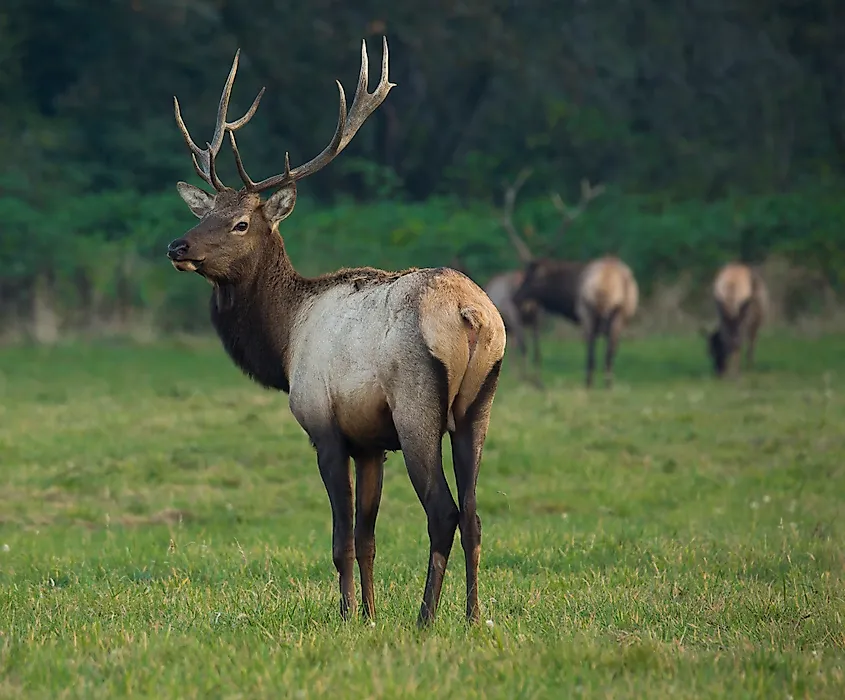
A Roosevelt elk (Cervus canadensis roosevelti) - Mule deer: around 400,000 and the state's most numerous big game animal, though declining in some western herds.
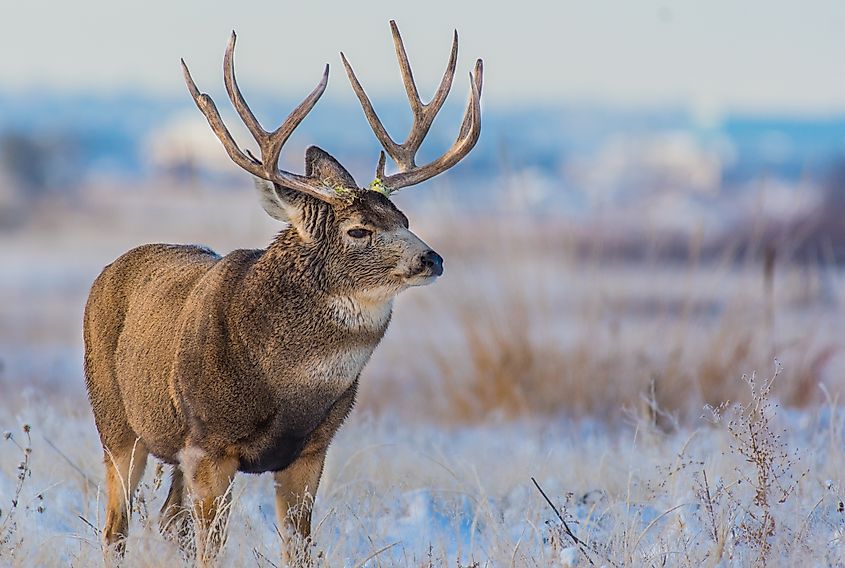
A mule deer (Odocoileus hemionus) - Rocky Mountain bighorn sheep: the state animal, with roughly 7,000 animals, plus a separate desert bighorn population in the west.
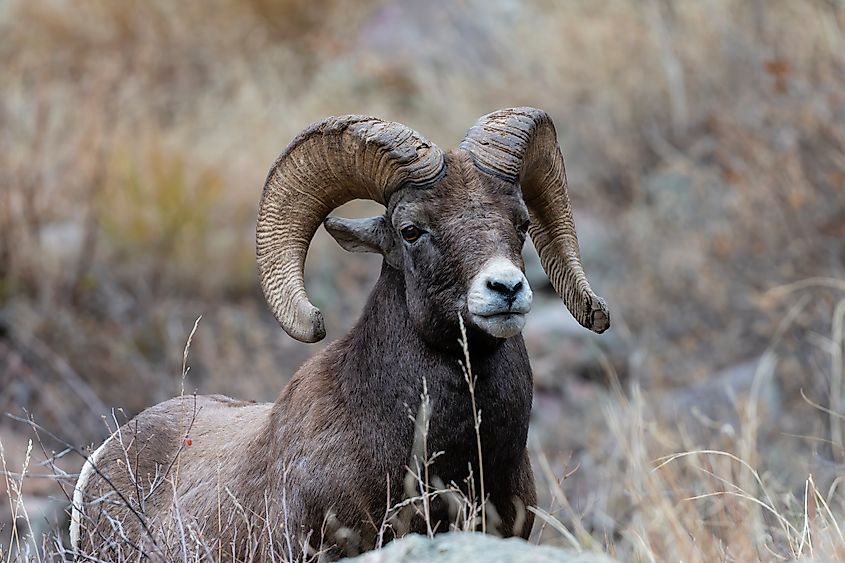
A Rocky Mountain bighorn sheep (Ovis canadensis canadensis) - Pronghorn: about 70,000 on the plains and western basins. The fastest land animal in North America, and built for a predator that no longer exists.

A pronghorn (Antilocapra americana) - Moose: introduced in 1978 with 24 animals from Utah and Wyoming; now several thousand and expanding.
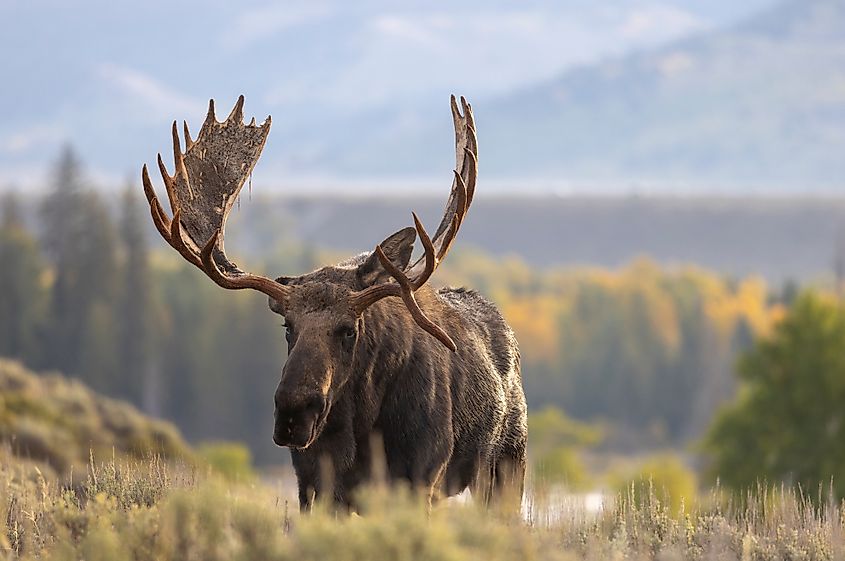
A moose (Alces alces) - Mountain goat: also introduced, in the 1940s, and now on many high peaks. Not native, and managed carefully where it overlaps bighorn.
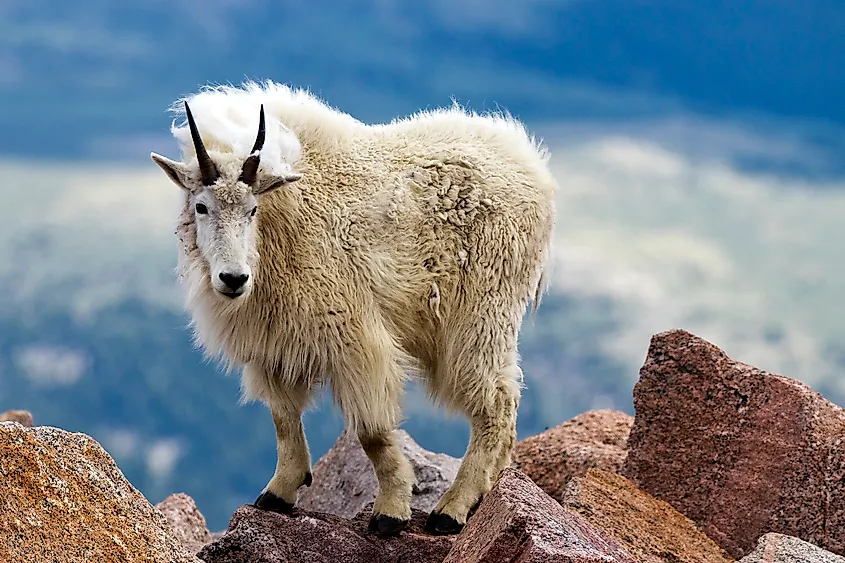
A mountain goat (Oreamnos americanus) - Bison: no free-ranging wild herd, but conservation herds exist on protected land. Background: why bison vanished and state parks where bison still roam.
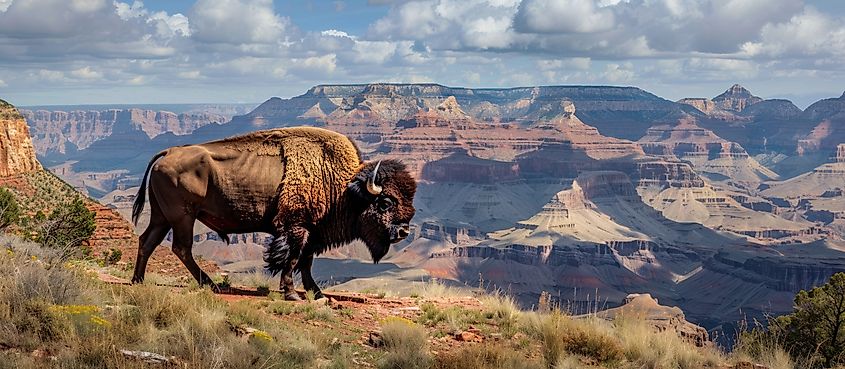
An American bison (Bison bison)


Carnivores
- Gray wolf: eliminated by the 1940s. Proposition 114 passed in 2020 directed reintroduction, and releases began in December 2023 on the Western Slope. This is the only wolf restoration in the country mandated by a public vote, and it remains politically contested.
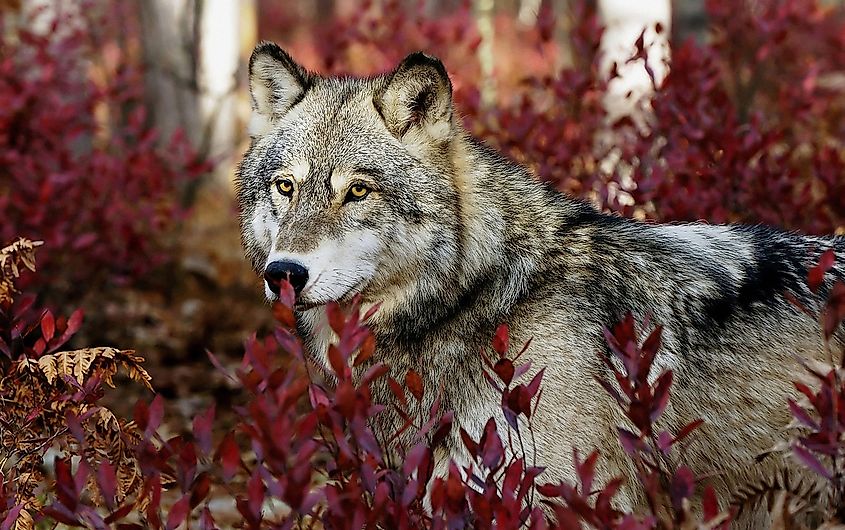
A gray wolf (Canis lupus) - Mountain lion: several thousand statewide, common in the foothills.
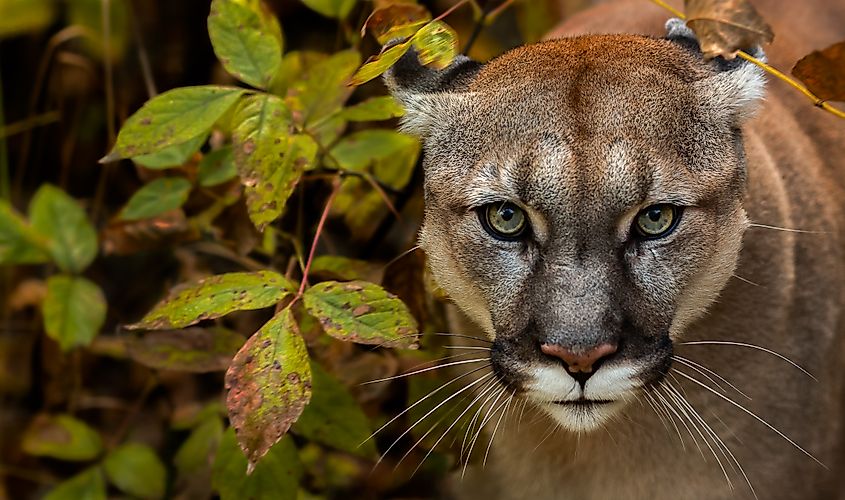
A mountain lion (Puma concolor) - Canada lynx: reintroduced 1999 to 2006 and now self-sustaining in the southwest mountains, dependent almost entirely on snowshoe hare.
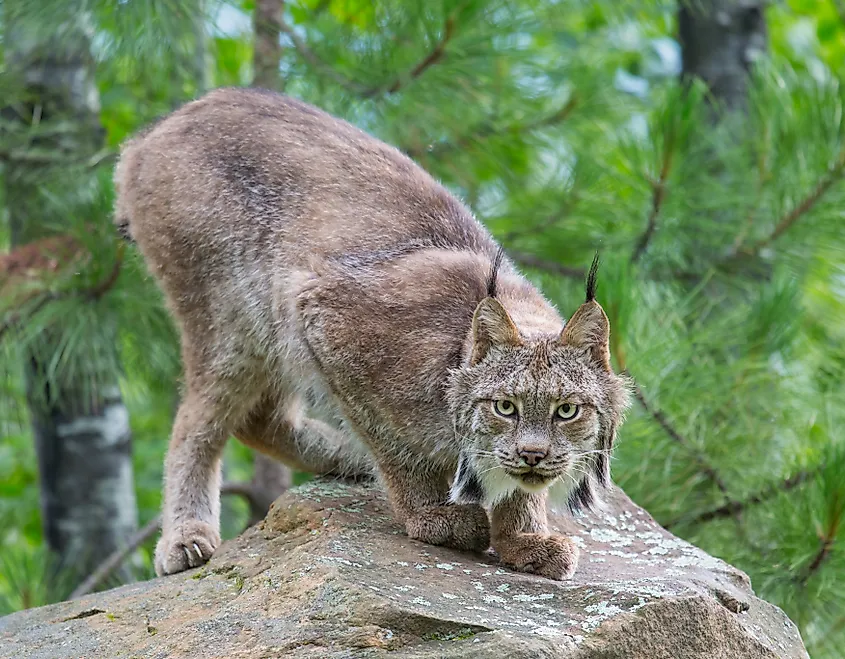
A Canada lynx (Lynx canadensis) - Black bear: roughly 17,000 to 20,000. No grizzlies remain; the last confirmed Colorado grizzly was killed in 1979 in the San Juans.
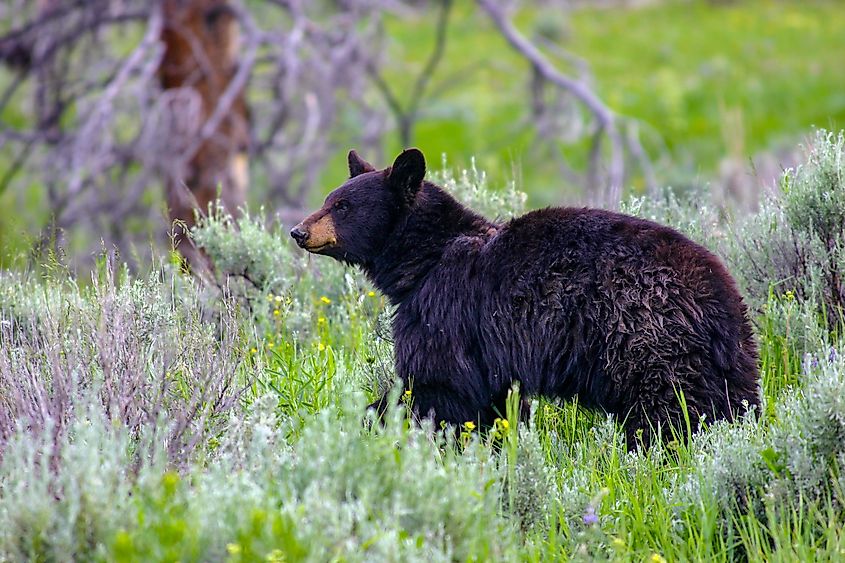
An American black bear (Ursus americanus) - Bobcat, coyote, red fox, swift fox, kit fox, badger, marten, river otter, and wolverine: otters were reintroduced in the 1970s; wolverine is absent but under discussion for restoration.
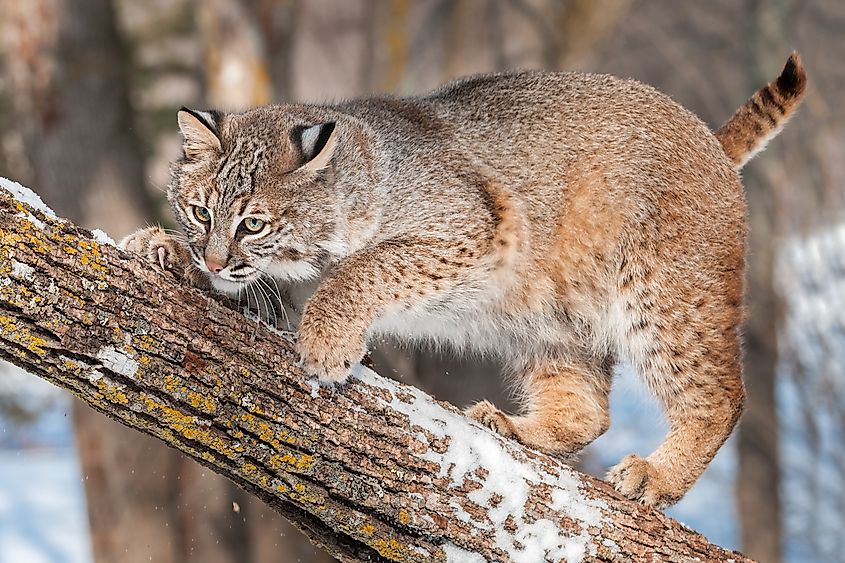
A bobcat (Lynx rufus) - Black-footed ferret: one of the most endangered mammals in North America, dependent entirely on prairie dog colonies, reintroduced at several Colorado sites.
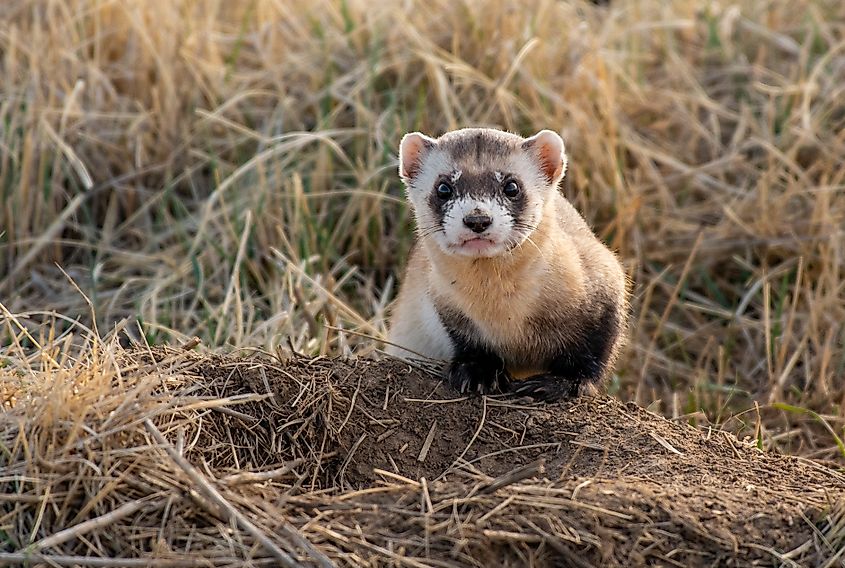
A black-footed ferret (Mustela nigripes)


Small mammals

American pika is the animal most often cited as a climate indicator in Colorado, because it cannot tolerate heat and has nowhere to go above the peaks it already occupies. Also present: yellow-bellied marmot, Abert's squirrel with its tufted ears, golden-mantled ground squirrel, snowshoe hare, white-tailed and black-tailed jackrabbits, Preble's meadow jumping mouse (a threatened riparian specialist), and around 18 bat species.
Section 05
Birds Of Colorado
More than 500 species have been recorded. The state's position on the Central Flyway, combined with its elevation range, produces a bird list that mixes plains, mountain, and Great Basin species.
- Grouse: Colorado has an unusual concentration, including greater and lesser prairie-chicken, sharp-tailed grouse, dusky grouse, white-tailed ptarmigan, greater sage-grouse, and Gunnison sage-grouse, which exists almost entirely within the state and is federally threatened. Spring lek displays are a major draw.
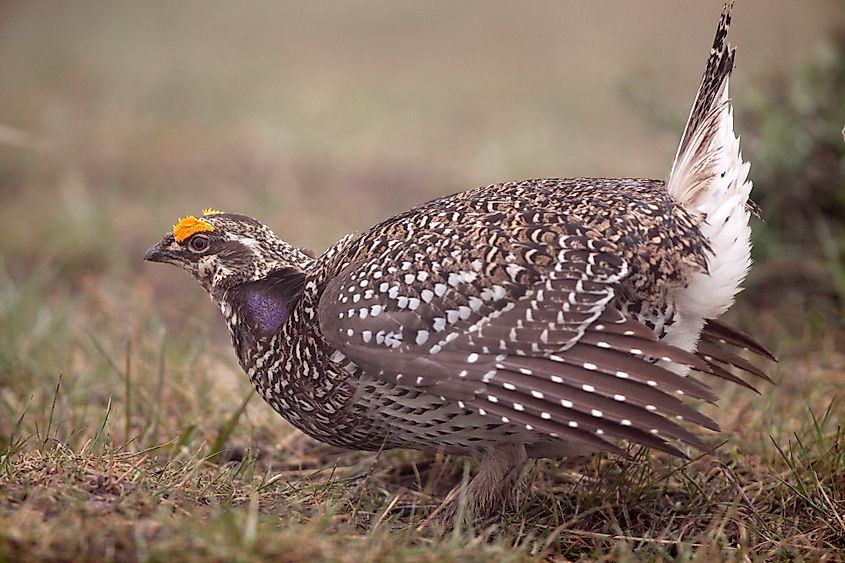
A sharp-tailed grouse (Tympanuchus phasianellus) - Raptors: golden eagle, bald eagle wintering along rivers, ferruginous hawk, Swainson's hawk, prairie falcon, peregrine falcon, and northern goshawk.
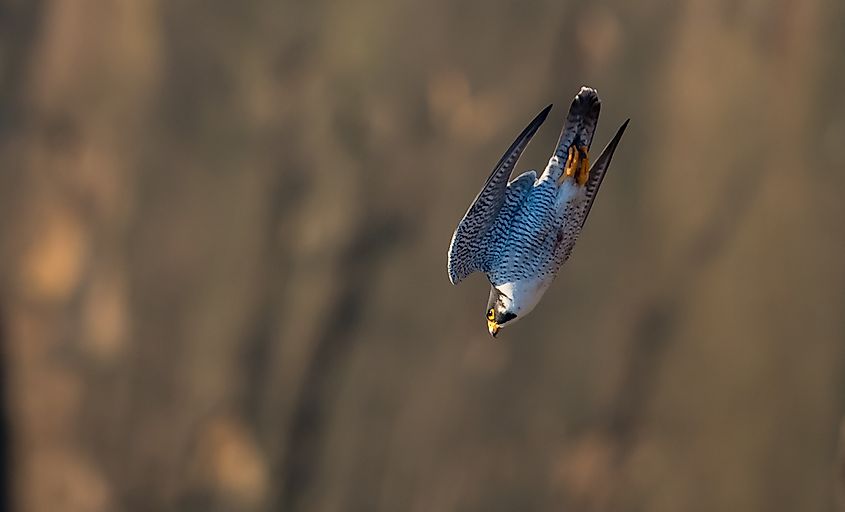
A peregrine falcon (Falco peregrinus) - Mountain birds: Clark's nutcracker, gray jay, mountain chickadee, three-toed woodpecker, American dipper hunting underwater in fast streams, and brown-capped rosy-finch.
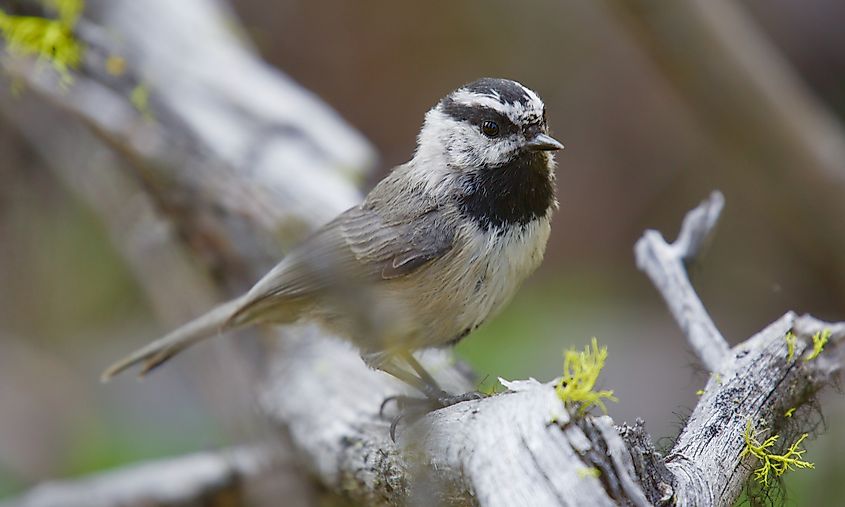
A mountain chickadee (Poecile gambeli) - Plains and wetland birds: mountain plover, long-billed curlew, burrowing owl, American avocet, white-faced ibis, and enormous sandhill crane concentrations in the San Luis Valley during spring and autumn migration.
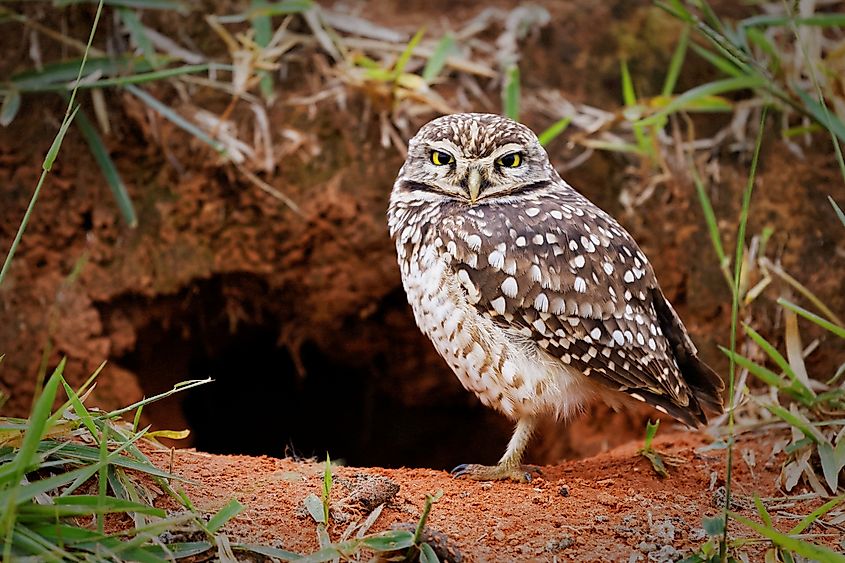
A burrowing owl (Athene cunicularia)


Two Colorado bird stories are worth knowing. The first is the greater sage-grouse, whose spring lek displays involve males inflating yellow air sacs on their chests to produce a popping sound audible half a mile away. Sagebrush loss to energy development and invasive cheatgrass has cut the species range across the West, and Colorado holds an important share of what remains. The second is the peregrine falcon, which vanished from Colorado entirely by the early 1970s because of DDT thinning eggshells, was restored by releasing captive-bred young from cliff ledges, and now nests on canyon walls and downtown buildings alike.
Section 06
Reptiles, Amphibians, And Fish
Cold and altitude limit reptiles: Colorado has around 55 reptile and 18 amphibian species, most of them on the plains or in the western canyons rather than the mountains.
Reptiles

Prairie rattlesnake on the plains, midget faded rattlesnake in the west, massasauga in the southeast, plus bullsnake, plains hognose, milk snake, collared lizard, short-horned lizard, and ornate box turtle.
Amphibians

Boreal chorus frog, northern leopard frog, Woodhouse's toad, tiger salamander, and the boreal toad, a high-elevation species that has declined severely from chytrid fungus and is a state endangered species.
Fish

The Colorado River basin west of the Divide holds four endangered big-river fish, the Colorado pikeminnow, razorback sucker, humpback chub, and bonytail, all adapted to warm, silty, seasonally flooding water that dams have largely eliminated. Native cutthroat trout occupy headwaters east and west, and greenback recovery remains the flagship effort. Introduced rainbow, brown, and brook trout dominate most fishable water.
Section 07
Dangerous Animals In Colorado
- Moose: the animal most likely to injure a person in Colorado. Aggressive, unpredictable, and increasingly encountered by hikers and dog walkers. Dogs trigger charges. Give them a very wide berth.
- Elk: bulls in the September and October rut and cows with calves in spring both charge. Estes Park sees injuries most years.
- Mountain lion: attacks are rare but Colorado has more than most states. Do not run, keep children close, appear large, and fight back if attacked.
- Black bear: no fatal attacks in most decades, but food-conditioned bears are a real management problem. Secure trash and use bear-proof storage.
- Prairie rattlesnake: the main venomous snake, on the plains and lower foothills. Bites are uncommon and rarely fatal.
- Plague and hantavirus: prairie dogs and deer mice carry both. Do not handle rodents or disturb burrows and nests.
- Altitude and weather: worth naming, because they injure vastly more visitors than any animal.
Section 08
Endangered And Protected Species
| Species | Where | Status |
|---|---|---|
| Black-footed ferret | Prairie dog colonies | ENDANGERED |
| Greenback cutthroat trout | One creek plus recovery sites | THREATENED |
| Colorado pikeminnow | Upper Colorado basin | ENDANGERED |
| Razorback sucker | Upper Colorado basin | ENDANGERED |
| Gunnison sage-grouse | Gunnison Basin | THREATENED |
| Canada lynx | San Juan Mountains | THREATENED |
| Preble's meadow jumping mouse | Front Range riparian | THREATENED |
| Boreal toad | High-elevation wetlands | STATE ENDANGERED |
| Mexican spotted owl | Southwest canyons | THREATENED |
| Uncompahgre fritillary | Two alpine sites | ENDANGERED |
The pressures are specific to a mountain state: water diversion that dewaters rivers, Front Range development eating foothills and riparian habitat, energy development in sagebrush, disease transmission from domestic sheep to bighorn, chytrid fungus in amphibians, warming that pushes alpine species off the top of their mountains, and recreation pressure in wildlife corridors.
Section 09
Where To See Wildlife In Colorado
- Rocky Mountain National Park: elk in Moraine Park and Horseshoe Park during the autumn rut, bighorn at Sheep Lakes, pika and marmot along Trail Ridge Road.
- Georgetown and Waterton Canyon: reliable roadside bighorn sheep.
- Monte Vista and Alamosa National Wildlife Refuges: sandhill cranes in March and October.
- Arapaho National Wildlife Refuge and North Park: moose, pronghorn, and sage-grouse leks.
- Comanche and Pawnee National Grasslands: plains birds, pronghorn, prairie dogs, mountain plover.
- San Juan Mountains: the best chance at lynx sign, plus high-country species.
- Great Sand Dunes National Park: endemic insects, elk, and pronghorn in the San Luis Valley.
- Gunnison Basin: Gunnison sage-grouse leks in April, viewed only from designated sites.
Timing: September and October for the elk rut and bugling. April for grouse leks, which requires arriving before dawn and staying in a blind or vehicle. May and June for calving, newborn ungulates, and alpine wildflowers once the snow clears. Winter for bald eagles, wintering bighorn at lower elevations, and tracking. Alpine species are only accessible from roughly July through September.
Section 10
Common Questions
- What is the state animal of Colorado?
- The Rocky Mountain bighorn sheep, adopted in 1961. Colorado also names a state bird (lark bunting), state fish (greenback cutthroat trout), and state insect (Colorado hairstreak butterfly).
- Are there wolves in Colorado?
- Yes. Gray wolves were eliminated by the 1940s, and voters passed Proposition 114 in 2020 requiring reintroduction. Releases began on the Western Slope in December 2023, making Colorado the only state to restore a large carnivore by ballot measure.
- Are there grizzly bears in Colorado?
- No. The last confirmed grizzly was killed in the San Juan Mountains in 1979. Black bears are the state's only bears, numbering roughly 17,000 to 20,000.
- How many elk are in Colorado?
- Roughly 280,000, the largest elk population of any state or province in North America.
- What is the most dangerous animal in Colorado?
- Moose cause the most injuries, followed by elk. Mountain lion attacks are rare but Colorado records more than most states. Prairie rattlesnake bites are uncommon and seldom fatal.
- Why does Colorado have so much alpine wildlife?
- It has more land above treeline than any other state in the lower 48, which supports specialists like pika, ptarmigan, and brown-capped rosy-finch that cannot live lower down.
This page was last updated on October 11, 2026