Animals
Nile Monitor
The Nile monitor lizard is a large, agile reptile, equally capable navigating both land and waterways. Most of its time is spent hunting and basking.
The Fascinating Arboreal Mammals
Arboreal animals spend a greater part of their lifetime on trees. They have special adaptations that make living on trees ideal for them.
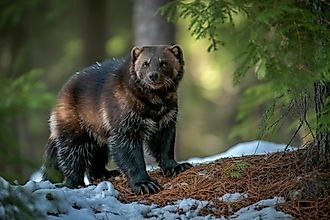
Wolverine
Wolverines are elusive, solitary carnivores of cold Northern regions, known for strength, endurance, and adaptations to deep winter conditions.
Where Do Anacondas Live?
Explore the natural habitat of anacondas, including the river systems, marshes, and rainforest regions where these powerful snakes thrive.
The Most Bear-Dense States in the United States
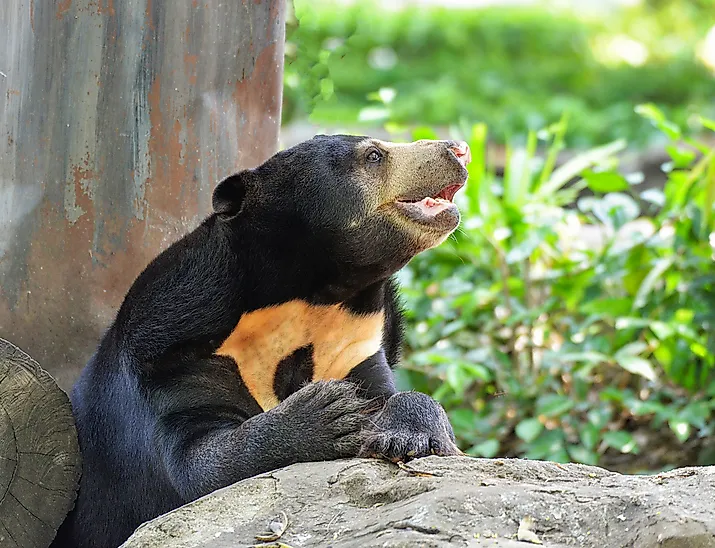
These states rank among the most bear-dense places in the US and remain some of the country’s strongholds for wildlife in general.
The US States With the Highest Snakebite Rates
North Carolina has the most snake bites per capita in the United States, with the copperhead as the snake that bites most frequently.
Meet 12 Incredible Conservation Heroes Saving Our Wildlife From Extinction
These 12 wildlife conservationists are doing fantastic work to protect some highly threatened species in a world where many species are racing towards extinction.
Bushmaster
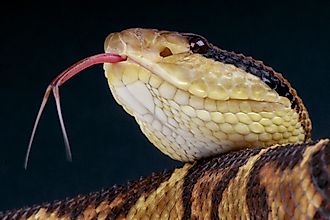
The powerful bushmaster of Central and South America is the longest viper in the world and the second-longest venomous snake, next to the king cobra.
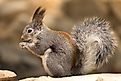
8 Types of North American Squirrels
Discover 8 types of North American squirrels, from familiar tree-dwelling species to ground burrowers and elusive flying squirrels found across the continent.
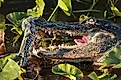
Why Alligators Don't Live West of Texas
There are no alligators in America west of Texas, and there are a few specific reasons for it, related to climate and habitat.
Rainbow Boa
Endemic to Central and South America, rainbow boas are a dazzling species whose scales reflect shimmering rainbow light.
The Most Dangerous Animals of the Amazon Rainforest
Uncover the most dangerous creatures in the Amazon Rainforest, where animals wield electric shocks, potent venoms, and stealthy prowess.
Coastal Taipan
Among all of Australia's deadly snake species, the coastal taipan ranks as the deadliest, combining lethality with unfortunate circumstance.
Endemic Species
An endemic species is one that exists only within a specific place, region, or geographic area ranging from a particular ecosystem to an entire continent.
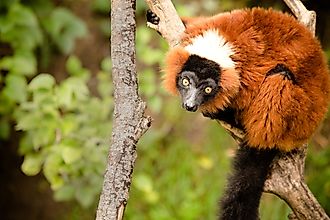
Africa's "Thunderbird" Is At Risk Of Extinction
Being key indicators of environmental health and the impact of humans on natural landscapes, the survival of Southern ground hornbills is essential to conserving the biodiversity.
Grizzly Bear
Discover key facts about grizzly bears, including where they live, what they eat, how they survive, and why these iconic bears still face threats.
Garter Snake
Garter snakes play a vital role in North American ecosystems, helping control pests while posing little threat to people, gardens, or yards.
10 Iconic Animals That Live Only In The US
Meet 10 animals tied to U.S. landscapes, from Florida panthers and island foxes to red wolves, alligators, prairie dogs, and coastal beach mice.
Are There Copperhead Snakes In The Everglades?
The only region of Florida with native populations of copperheads is the Panhandle. Specifically, they tend to stick to the Apalachicola River Basin.
Snow Leopard
Snow leopards thrive in Asia’s high mountains, where their adaptations, ecology, and conservation needs clearly reveal a fragile alpine future.
10 Iconic Animals That Live Only In North America
North America’s wildlife ranges from California’s prehistoric birds to unique Channel Islands species, reflecting the continent’s diverse ecosystems.
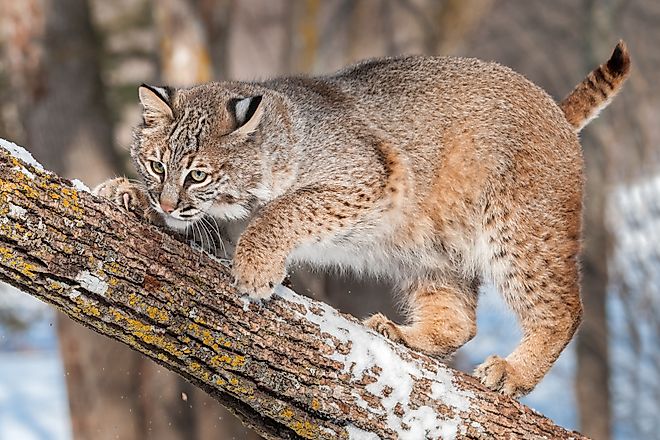
Lynx
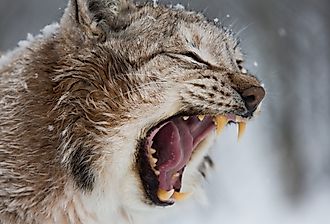
Learn how lynx species survive across northern habitats, hunt specialized prey, and shape ecosystems while facing modern conservation challenges.
The Causes And Effects Of Ocean Pollution
Ocean pollution refers to the introduction of toxic materials and other harmful pollutants into the ocean waters.

Hammerhead Shark
Hammerhead sharks are some of the most visually striking sea creatures on Earth, but there's more to this fascinating creature than meets the eye.
Why Hawaii Has No Native Snakes
Hawaii has no native snakes because ocean isolation shaped its wildlife, creating fragile ecosystems where introduced predators pose serious risks.

Greenland Shark
Often referred to as the ‘gurry shark’, the Greenland Shark is a large species of shark, that is a member of the ‘sleeper shark family’ Somniosidae.
Asia's Dhole Populations At Risk Of Extinction
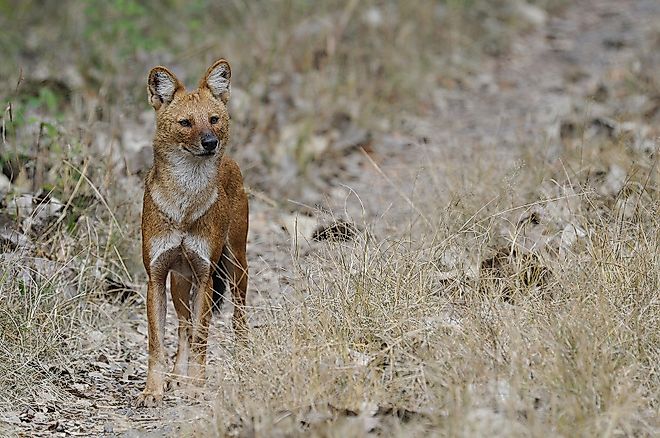
The elusive dhole is perhaps one of the most misunderstood species of all time and currently among the most threatened carnivores on the planet.
American Alligator
Found in bayous, creeks, streams, lakes, rivers, swamps, and marshes, the American alligator is an apex predator and a fascinating creature.
The Most Invasive-Species-Infested Rivers in America
Invasive species, generally, are considered detrimental, unwanted intruders in whatever environment they inhabit. Rivers are no exception.
Portuguese Man o' War
The venomous Portuguese man o' war is a unique organism composed of a colony of genetically identical zooids that drifts on ocean currents.
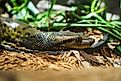
Green Anaconda
Explore the green anaconda’s size, habitat, diet, hunting methods, reproduction, and conservation threats across the world.
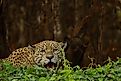
Wildfires And Habitat Loss Are Killing Jaguars In The Amazon Rainforest
According to research by Panthera, the Amazon fires killed and displaced at least 1,470 jaguars from 2016 to 2019.
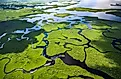
Why Are Wetlands Important?
Wetlands protect against floods, purify water, store carbon, and shelter countless species—making them one of Earth's most valuable ecosystems.
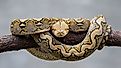
Reticulated Python
The fascinating reticulated python is the longest snake in the world, with a natural range that spans South and Southeast Asia.
What Is The Difference Between A Crocodile And An Alligator?
Crocodiles and alligators are significantly different from each other but both are members of Crocodilia. Learn about their differences in this article.